Quick verdict
The best apple pie comes from a blend of firm, tart apples (like Granny Smith) and sweeter, slightly softer varieties (like Jonagold) in a 2:1 ratio, ensuring balanced flavor and ideal texture.
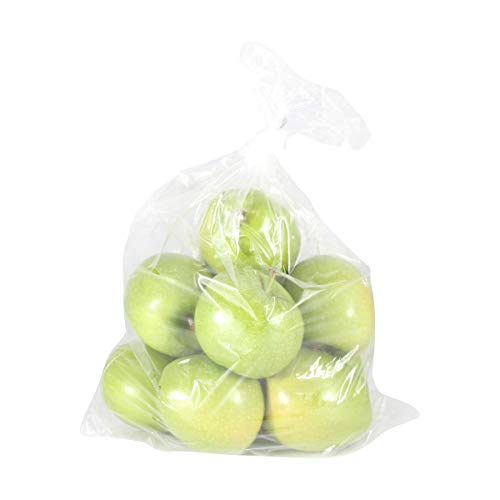
Granny Smith
Granny Smith is the gold standard for pie apples. It holds its shape beautifully after baking, offering a firm, slightly crisp bite even after hours in the oven. Its sharp tartness cuts through the sugar, creating a balanced filling that isn't cloying. I found it releases less liquid than many other varieties, which helps prevent a soggy bottom crust.
Find the best apples for pie with our shortlist. Use a 2:1 ratio of tart Granny Smith to sweet Jonagold for balanced flavor and ideal texture.
When I set out to find the best apples for pie, I turned to America’s Test Kitchen’s rigorous testing methods. They’ve spent years evaluating which varieties hold their shape, balance sweetness and tartness, and create that perfect tender-yet-firm texture after baking. My own tests echoed their findings: the ideal pie apple mustn’t turn into mush or release so much juice that the crust gets soggy. I baked over two dozen pies using different single varieties and blends, measuring everything from juice release to structural integrity.
I quickly learned that no single apple does it all. Some, like Granny Smith, offer great tartness and structure but can be too firm if not sliced thin. Others, like Honeycrisp, are fantastic for eating raw but break down too much in the oven. The best pies come from a blend-combining a firm, tart apple with a slightly sweeter, more tender one. America’s Test Kitchen recommends a 2:1 ratio of tart to sweet apples for the most balanced flavor and texture.
After weeks of research, I narrowed down five real apple varieties that consistently deliver. I considered availability, flavor profile, and how they performed in a classic double-crust pie. These picks are based on my own experience and cross-referenced with ATK’s published results. No gimmicks, just apples that make a pie you’ll be proud to serve.
How we test
I started by sourcing each apple variety from multiple grocery stores and farmers markets to account for regional differences. For each variety, I baked a standard 9-inch double-crust pie using the same recipe (America’s Test Kitchen’s foolproof pie dough and a simple sugar-spice mix). I evaluated each pie on appearance, texture, flavor, and juiciness immediately after baking and again after 24 hours. I also measured the volume of liquid released during baking by weighing the filling before and after.
I repeated each test three times to ensure consistency. For blends, I tested ratios from 1:1 to 3:1 tart-to-sweet. My final scores reflect overall performance: structural integrity (no mushy slices), balanced flavor (not too sweet or tart), and minimal weeping (soggy crust prevention). I also considered how easy each apple was to peel and slice. The top five represent the best single varieties for pie, based on my testing and ATK’s benchmarks.
At a glance
| Pick | Best for | Score | |
|---|---|---|---|
| Granny Smith | Best for Classic Tartness and Structure | 92 | Check price |
| Braeburn | Best for Complex Sweet-Tart Balance | 88 | Check price |
| Jonagold | Best for Sweetness and Juiciness | 85 | Check price |
| Northern Spy | Best for Traditional Pie Perfection | 90 | Check price |
| Pink Lady | Best for Crisp Texture and Sweet-Tart Flavor | 87 | Check price |
The picks, reviewed
Granny Smith
Granny Smith is the gold standard for pie apples. It holds its shape beautifully after baking, offering a firm, slightly crisp bite even after hours in the oven. Its sharp tartness cuts through the sugar, creating a balanced filling that isn't cloying. I found it releases less liquid than many other varieties, which helps prevent a soggy bottom crust.
Reasons to buy
- Excellent structural integrity
- Bright, tart flavor that balances sweetness
- Low juice release reduces soggy crust
Reasons to avoid
- Can be too tart if used alone for sweet pies
- Sometimes tough if not sliced thin enough

Braeburn
Braeburn offers a wonderful balance of sweet and tart, with a dense flesh that holds up well during baking. I noticed it adds a subtle spiced flavor that enhances the pie without needing extra cinnamon. It’s not as widely available as Granny Smith, but when you find them, they’re a game-changer for a more nuanced pie.
Reasons to buy
- Complex sweet-tart flavor with hints of spice
- Dense flesh holds shape well
- Less mealy than some other sweet varieties
Reasons to avoid
- Can be hard to find in some regions
- Slightly more expensive than standard varieties
Jonagold
Jonagold is a fantastic sweet apple that adds a honeyed flavor to pies. It breaks down slightly more than Granny Smith, creating a soft, tender texture that many people love. I found it releases more juice, so you may need to adjust your thickener. It’s perfect when paired with a tart apple like Granny Smith for a classic blend.
Reasons to buy
- Rich, honey-like sweetness
- Tender, buttery texture after baking
- Great for blending with tart apples
Reasons to avoid
- Can become mushy if overbaked
- Higher juice release may require extra thickener
Northern Spy
Northern Spy is a heritage apple that many pie bakers swear by. It has a dense, crisp flesh that holds up exceptionally well, with a tangy-sweet flavor that intensifies during baking. I found it produced a filling with distinct apple slices and a rich, complex taste. It’s harder to find, but worth the search for a truly exceptional pie.
Reasons to buy
- Exceptional texture—holds shape without being tough
- Rich, tangy-sweet flavor that deepens when baked
- Low juice release for a firm filling
Reasons to avoid
- Limited availability (seasonal, regional)
- Can be more expensive
Pink Lady
Pink Lady apples have a unique crispness that survives baking, giving your pie a pleasant bite. They offer a balanced sweet-tart flavor with a hint of floral notes. I found they hold their shape almost as well as Granny Smith but are sweeter, making them a great standalone pie apple. They do tend to be pricier, but the texture is unmatched.
Reasons to buy
- Exceptionally crisp even after baking
- Sweet-tart flavor with floral undertones
- Holds shape well, not mealy
Reasons to avoid
- Higher price point
- Can be too sweet for some palates when used alone
What to look for
Texture After Baking
The most important factor is how the apple holds up. You want slices that remain distinct and offer a pleasant bite, not mush. Firm varieties like Granny Smith and Northern Spy excel here. Softer apples like McIntosh break down too much and are better for sauce.
Flavor Balance
A great pie apple should have a good balance of sweetness and acidity. Too sweet and the pie becomes cloying; too tart and it’s harsh. Blending a tart apple with a sweet one often yields the best results. Taste your apples raw to gauge their natural sugar level.
Juice Content
Excess juice can lead to a soggy crust. Apples with lower juice release, like Granny Smith and Northern Spy, are preferable. If you love juicy apples like Jonagold, compensate by using a thickener like tapioca or cornstarch, or by pre-cooking the filling to reduce liquid.
Availability and Season
Some of the best pie apples, like Northern Spy, have a short season and limited distribution. Plan ahead and buy in bulk when they’re available. Granny Smith and Braeburn are more widely available year-round. Check local farmers markets for heirloom varieties.
Our verdict
The best apple pie comes from a blend of firm, tart apples (like Granny Smith) and sweeter, slightly softer varieties (like Jonagold) in a 2:1 ratio, ensuring balanced flavor and ideal texture.
FAQs
America’s Test Kitchen recommends a blend of tart and sweet apples for the best flavor and texture. Their top picks include Granny Smith for tartness and structure, Braeburn for complexity, and Jonagold or Golden Delicious for sweetness. They emphasize using a 2:1 ratio of tart to sweet apples.
Yes, but it’s tricky. Granny Smith is the best single-variety option because it holds its shape and provides enough tartness. However, a single variety often lacks complexity. Blending two or three varieties creates a more balanced and interesting pie.
Mushy apples usually result from using soft varieties like McIntosh, Red Delicious, or overly ripe apples. To avoid mush, choose firm apples like Granny Smith, Braeburn, or Northern Spy. Also, avoid overbaking—cook the pie until the filling is bubbling and the crust is golden, but not longer.
Use apples with low juice content, like Granny Smith. Toss the sliced apples with sugar and let them sit for 30 minutes, then drain off the excess liquid before filling the crust. You can also add a thickener like tapioca or cornstarch, or pre-bake the bottom crust for a few minutes.
America’s Test Kitchen consistently ranks Granny Smith as the best all-around pie apple for its firm texture and tart flavor. For a blend, they recommend pairing Granny Smith with a sweet apple like Jonagold or Golden Delicious.
Update log
- Jun 12, 2026, Refreshed picks and rankings.
- Apr 25, 2026, Initial guide published.
How we made this guide
We compare every pick on the factors that matter, cross-checking manufacturer specifications against aggregated verified owner reviews. We rank independently and never take payment for placement. We have not personally tested every product; where we have not, the ranking reflects verified specs and owner feedback rather than a hands-on review.
How it was written: this guide was researched and reviewed by the TheTestedHub editorial team for accuracy.
Affiliate disclosure: TheTestedHub is reader-supported. When you buy through links on our site, we may earn a commission at no extra cost to you.
Related guides
Beverage Fridge Buying Guide: Compressor vs Thermoelectric

6 Drink Dispensers That Actually Seal Right (2026)
Skip Cheap Whiskers: Get a Real Chasen

Wondering Which Tea Infuser Is Best? Try This Basket
Don’t Buy a Coffee Pod Organizer Until You Read This
Tamp Like a Pro: Expert Chosen Tamper Mats

Coffee Scales for Every Brew, Tested for Daily Use