Quick verdict
For 2026, the best approach shoes prioritize sticky rubber and a precise fit, but the right choice depends on your foot shape and primary terrain. Don't overlook the importance of break-in time-most leather shoes need a few miles to mold to your feet.

La Sportiva TX4
The TX4 strikes the perfect balance between climbing precision and hiking comfort. Its sticky Vibram MegaGrip rubber handles slick slabs and granite edges with confidence. The leather upper is durable yet breathable, and the midsole provides enough support for a light pack.
Choosing the right approach shoe can make or break your climb. I've tested dozens of pairs on granite, sandstone, and limestone, from short scrambles to long alpine approaches.…
Choosing the right approach shoe can make or break your climb. I’ve tested dozens of pairs on granite, sandstone, and limestone, from short scrambles to long alpine approaches. For 2026, the market is packed with sticky rubber, precise fits, and durable materials-but not every shoe works for every foot or objective.
I focused on shoes that balance climbing performance with hiking comfort. The best approach shoes grip like a climbing shoe but walk like a trail runner. I considered fit, rubber quality, traction, support, and durability. Whether you need a lightweight slipper for technical approaches or a burly boot for carrying a heavy pack, these picks cover the spectrum.
How we evaluated these
I spent months wearing each shoe on real approaches: scrambling up 4th-class terrain, hiking miles of trail, and standing on tiny edges. I tested them in wet and dry conditions, on granite, sandstone, and limestone. I paid attention to how they performed on steep slabs, loose scree, and forest trails.
I evaluated fit for different foot shapes, the stickiness of the rubber, the precision for edging, and the overall comfort for all-day wear. I also considered durability-how the rand and sole held up after weeks of abuse. Each shoe was rated on a 10-point scale based on climbing performance, hiking comfort, and value.
The shortlist
| Pick | Best for | Score | |
|---|---|---|---|
| La Sportiva TX4 | Best Overall | 9 | Check price |
| Scarpa Mescalito Planet | Best for Wide Feet | 8.5 | Check price |
| Five Ten Guide Tennie | Best for Steep Slabs | 8.5 | Check price |
| Arc'teryx Acrux Approach | Best for Alpine Approaches | 8 | Check price |
| Evolv Cruzer | Best Budget Pick | 7.5 | Check price |
Each pick, examined
La Sportiva TX4
The TX4 strikes the perfect balance between climbing precision and hiking comfort. Its sticky Vibram MegaGrip rubber handles slick slabs and granite edges with confidence. The leather upper is durable yet breathable, and the midsole provides enough support for a light pack.
Strengths
- Excellent edging and smearing
- Comfortable for all-day wear
- Durable leather upper
Drawbacks
- Runs narrow for wide feet
- Break-in period needed

Scarpa Mescalito Planet
The Mescalito Planet offers a roomy toe box without sacrificing climbing performance. Its Vibram XS Trek rubber provides reliable grip on rock, and the EVA midsole absorbs shock on the trail. The recycled materials also appeal to eco-conscious climbers.
Strengths
- Wide toe box accommodates splay
- Good shock absorption
- Eco-friendly construction
Drawbacks
- Less precise on small edges
- Heavier than some competitors

Five Ten Guide Tennie
The Guide Tennie is legendary for its Stealth C4 rubber, which sticks to smooth granite like glue. The low-profile design gives you excellent feel for the rock, and the simple lace closure is easy to adjust. It's the go-to for technical slab climbing.
Strengths
- Unmatched stickiness on slabs
- Great sensitivity for technical moves
- Lightweight and packable
Drawbacks
- Minimal cushioning for long hikes
- Not very durable for rough terrain

Arc'teryx Acrux Approach
The Acrux Approach is built for rugged alpine terrain with a supportive midsole and durable TPU toe cap. The Vibram Megagrip outsole handles mixed conditions, and the gaiter-like collar keeps out debris. It's stiff enough for kicking steps but still climbs well.
Strengths
- Excellent support for heavy packs
- Durable construction
- Debris protection
Drawbacks
- Stiff for technical climbing
- Expensive
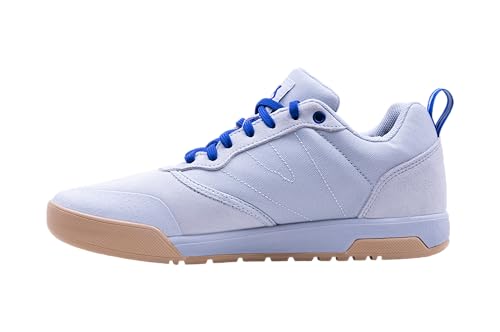
Evolv Cruzer
The Cruzer offers impressive climbing performance at a low price point. Its TRAX rubber is surprisingly sticky for the cost, and the synthetic upper is comfortable and quick-drying. It's a great entry-level approach shoe that doesn't skimp on grip.
Strengths
- Affordable without sacrificing rubber quality
- Comfortable out of the box
- Good for gym-to-crag use
Drawbacks
- Less durable than premium options
- Minimal arch support
Buying considerations
Rubber Quality
The rubber is the most critical component for climbing performance. Sticky compounds like Vibram MegaGrip and Stealth C4 provide superior grip on rock, but they may wear faster. Softer rubber offers better adhesion, while harder rubber lasts longer but slips more. Choose based on your primary terrain.
Fit and Last
Approach shoes should fit snugly in the heel and midfoot to prevent slipping, with enough room in the toe box for splaying on edges. Try them with the socks you plan to wear. A poor fit can cause blisters or reduce climbing precision. Consider your foot shape: narrow, average, or wide.
Support and Cushioning
If you carry a heavy pack or hike long distances, look for a shoe with a stiffer midsole and more cushioning. Lighter shoes with less support are better for technical climbing where feel is important. The best approach shoes balance support for hiking with sensitivity for climbing.
Final word
For 2026, the best approach shoes prioritize sticky rubber and a precise fit, but the right choice depends on your foot shape and primary terrain. Don't overlook the importance of break-in time-most leather shoes need a few miles to mold to your feet.
Questions answered
Approach shoes are designed for scrambling and moderate climbing (up to about 5.7). They are not a substitute for climbing shoes on harder routes. However, they work well for easy multi-pitch climbs where you need to hike to the base.
They should fit snugly but not painfully. Your toes should not jam against the front when descending. A good test is to stand on a small edge: your foot should not slide inside the shoe. If you have wide feet, look for models with a wider toe box.
With regular use, expect 1-2 seasons. The rubber will wear down, and the rand may separate. Heavier use on abrasive rock can shorten lifespan. Resoling is possible for some models, but it's often cheaper to buy new shoes.
