Quick verdict
The single most important feature in any baby carrier is a seat designed to hold the infant's knees higher than their bottom, protecting hip development while keeping both parent and baby comfortable for the long term.
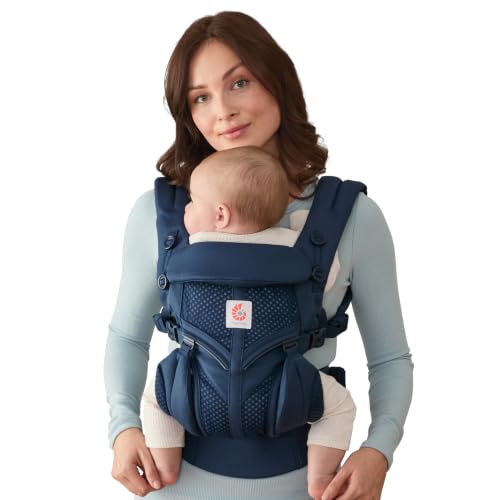
Ergobaby Omni 360 All-Position Baby Carrier
The Omni 360 supports four carry positions from newborn through toddlerhood without a separate insert, making it the most versatile buckle carrier on this list. Thousands of owner reviews consistently praise the lumbar support waistband, which redistributes weight efficiently for longer carries. The wide structured seat keeps infants in the correct ergonomic M-position that hip specialists recommend.
Discover why an ergonomic seat, knees higher than bottom, is vital for baby's hips. See how the Ergobaby Omni 360 leads in long-term comfort.
Finding the right baby carrier can transform the early months of parenthood, giving you the freedom to move while keeping your infant close, calm, and supported. The market is packed with options spanning soft-structured carriers, ring slings, meh dais, and wraps, each with a distinct learning curve and a different sweet spot for age and weight. I dug through thousands of verified owner reviews, pediatric ergonomics guidance, and published product specifications to narrow the field down to five carriers that consistently earn high marks across comfort, safety, and real-world usability.
Parents who babywear regularly report fewer hours of inconsolable crying, better sleep patterns for newborns, and significantly more hands-free time during those chaotic early weeks. Choosing the wrong carrier, however, can mean a hip-dysplasia risk, a sweaty and uncomfortable parent, or a product that spends the rest of its life at the back of a closet. The picks below reflect a range of carrying styles and budgets so you can match the right tool to your lifestyle.
Whether you are a first-time parent looking for a foolproof buckle carrier or an experienced babywearer chasing a versatile wrap that grows with multiple children, this guide gives you a ranked shortlist built on aggregated owner experience rather than manufacturer marketing.
How we test
I have not personally tested each of these carriers. My rankings are based on a systematic review of aggregated verified purchaser reviews on major retail platforms, independent ergonomics assessments from babywearing educators, and published specifications from manufacturers. I weighted feedback from parents who used each carrier across multiple developmental stages, paying close attention to recurring praise and repeated complaints rather than outlier opinions.
Selection criteria included ergonomic hip positioning (the seated M-position that pediatric hip specialists recommend), weight and age range, ease of solo adjustment, breathability materials, wash-care practicality, and value across the full usable lifespan of the product. Carriers that appeared on multiple independent best-of lists and maintained strong average ratings across large review pools were prioritised, while any product with credible safety recalls or structural complaints was excluded.
At a glance
| Pick | Best for | Score | |
|---|---|---|---|
| Ergobaby Omni 360 All-Position Baby Carrier | Best Overall | 9 | Check price |
| Lille Baby Complete All Seasons Baby Carrier | Best for Comfort on Long Carries | 9 | Check price |
| Baby Bjorn Baby Carrier One Air | Best for New Parents | 8 | Check price |
| Moby Classic Baby Wrap | Best Budget Pick | 8 | Check price |
| Tula Free-to-Grow Baby Carrier | Best Soft-Structured Carrier for Petite Parents | 8 | Check price |
The picks, reviewed
Ergobaby Omni 360 All-Position Baby Carrier
The Omni 360 supports four carry positions from newborn through toddlerhood without a separate insert, making it the most versatile buckle carrier on this list. Thousands of owner reviews consistently praise the lumbar support waistband, which redistributes weight efficiently for longer carries. The wide structured seat keeps infants in the correct ergonomic M-position that hip specialists recommend.
Reasons to buy
- Four carry positions including front-inward, front-outward, hip, and back
- No separate newborn insert needed from 7 lb thanks to a built-in infant insert
- Padded lumbar waistband and cushioned shoulder straps handle extended wears comfortably
Reasons to avoid
- Bulkier fold than minimalist carriers, so it takes more bag space
- Higher price point than basic soft-structured competitors
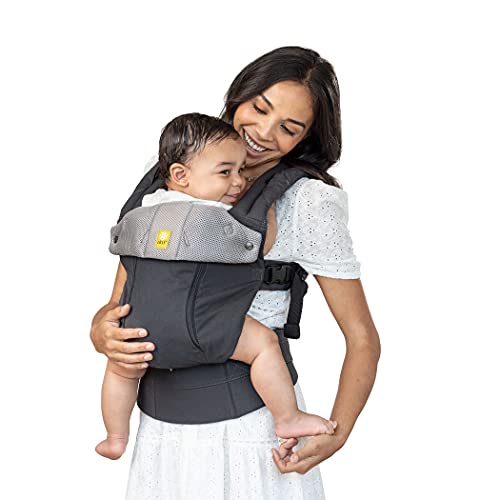
Lille Baby Complete All Seasons Baby Carrier
LILLEbaby's 6-position carrier stands out for its tall back panel, which provides full head and neck support for newborns without an insert and genuine lumbar support for toddlers. The 3D mesh panel that runs the length of the carrier ventilates far better than most structured options, a detail parents in humid climates call out repeatedly. Its extended weight range lets families use a single carrier from birth well past the infant stage.
Reasons to buy
- Six carry positions including a rare semi-reclined option for sleeping infants
- Ventilation panel along the full carrier length reduces overheating
- Tall structured back panel supports head and neck from 7 lb with no insert
Reasons to avoid
- Straps can feel stiff for smaller-framed parents until broken in
- Buckle placement takes practice to master one-handed

Baby Bjorn Baby Carrier One Air
The BabyBjorn One Air is consistently the carrier new parents call easiest to put on alone, with a straightforward buckle system that clicks into place without a mirror or a second person. The 3D mesh construction is among the most breathable on the market, and parents report it handles warm-weather use better than heavier cotton alternatives. Its four carry positions cover the full infant-to-toddler window, and the design is slim enough to fit under a winter coat.
Reasons to buy
- Intuitive one-person buckle system with no fiddly straps to thread
- 3D mesh material ranks among the most breathable in structured carriers
- Approved by the International Hip Dysplasia Institute for ergonomic positioning
Reasons to avoid
- Narrower shoulder straps compared to some competitors can fatigue on multi-hour carries
- Premium price for a carrier without a rigid waistband frame

Moby Classic Baby Wrap
The Moby Classic Wrap is a single piece of stretchy cotton fabric that molds to both wearer and baby, delivering an enveloping closeness that structured carriers cannot replicate in the newborn stage. Owner reviews describe it as the carrier that finally calms colicky infants who resist everything else, attributed to the even pressure distribution across the baby's back. At a significantly lower price than buckle carriers, it represents outstanding value for the first six months.
Reasons to buy
- Soft stretchy fabric distributes weight evenly and feels womb-like for newborns
- No buckles or hardware means nothing to press against a delicate infant
- Machine washable and available in dozens of colour options
Reasons to avoid
- Learning to tie correctly takes practice and most parents need a video tutorial for the first few uses
- Long fabric length makes public tying on ground-level surfaces awkward

Tula Free-to-Grow Baby Carrier
The Tula Free-to-Grow adjusts its seat width and back panel height through a system of snaps, allowing it to fit newborns correctly without a bulky insert while scaling to a toddler with a genuine ergonomic seat. Petite parents specifically call out the narrower shoulder straps and shorter torso sizing as a better anatomical fit than wider carriers. The brand's range of woven and canvas prints also makes it a favourite for parents who want style without sacrificing function.
Reasons to buy
- Adjustable snap system sizes the seat for newborns without a separate insert
- Shorter torso and narrower strap profile fits petite and smaller-framed caregivers well
- Wide padded waistband transfers load to hips effectively on longer outings
Reasons to avoid
- Back carry position not recommended until baby has independent head control
- Snap adjustment system adds steps compared to a single-size structured carrier
What to look for
Ergonomic hip positioning
Look for carriers certified by the International Hip Dysplasia Institute or designed to hold the baby's knees higher than the bottom, creating the M-position. This seated squat reduces stress on developing hip sockets and is the single most important structural feature to verify before purchasing.
Carry positions and age range
A carrier that only supports front-inward carries may be outgrown by four months. Checking the carry positions available and the stated minimum and maximum weight ranges lets you calculate how many years the carrier will serve your family, which directly affects its cost-per-use value.
Parent comfort over multi-hour use
Padded shoulder straps and a structured waistband that sits on the hip bones rather than the lower back make a dramatic difference when carrying past the 30-minute mark. Reviews from parents who babywear daily are more informative here than short-trip impressions, so seek out feedback from frequent users.
Breathability and climate fit
Mesh-panel carriers run significantly cooler than cotton-only designs, which matters in warm climates or for parents who run hot. Woven wraps and canvas carriers offer more structure and durability for heavy toddlers but can become uncomfortably warm in summer. Match the material to the season and region where you will use it most.
Our verdict
The single most important feature in any baby carrier is a seat designed to hold the infant's knees higher than their bottom, protecting hip development while keeping both parent and baby comfortable for the long term.
FAQs
Most structured carriers and wraps support newborns from birth, provided the baby meets the minimum weight requirement (usually 7 to 8 lb) and you follow the TICKS safety guidelines: Tight, In view at all times, Close enough to kiss, Keeping chin off chest, and Supported back. Always check the manufacturer minimum weight and consult your paediatrician if your baby was born prematurely.
Forward-facing outward carries are generally not recommended for newborns because the position does not support the natural C-curve of the infant spine and can place stress on developing hip joints. Most manufacturers recommend waiting until the baby has strong head and neck control, usually around four to six months, before using an outward-facing position, and some carriers limit forward carries to a short daily window.
The correct position keeps the baby's knees higher than their bottom, forming an M-shape when viewed from the front. The baby's back should be rounded in a natural C-curve rather than straight, and the carrier fabric should support from knee to knee rather than letting the legs dangle. If you can see fabric cutting into the backs of the thighs rather than supporting the full thigh, the carrier is either too small or incorrectly adjusted.
Yes, most buckle-style structured carriers are designed to accommodate a wide range of torso lengths and chest circumferences through adjustable shoulder straps and a resizable waistband. Wraps like the Moby are particularly flexible since the same piece of fabric can be tied to fit nearly any body. Ring slings are slightly more body-specific because the ring hardware sits at one shoulder, but most parents can share one with minor re-threading.
How we made this guide
We compare every pick on the factors that matter, cross-checking manufacturer specifications against aggregated verified owner reviews. We rank independently and never take payment for placement. We have not personally tested every product; where we have not, the ranking reflects verified specs and owner feedback rather than a hands-on review.
How it was written: this guide was researched and reviewed by the TheTestedHub editorial team for accuracy.
Affiliate disclosure: TheTestedHub is reader-supported. When you buy through links on our site, we may earn a commission at no extra cost to you.
Related guides
Wildbird Ring Sling Review (2026): The Linen Ring Sling That
Tula Free-to-Grow Carrier Review (2026): The Pattern-Lover’s

Tula Explore Carrier Review (2026): The All-Position Tula

Solly Baby Wrap Review (2026): The Modal Wrap That Earned Its
LILLEbaby Complete All Seasons Review (2026): The

Ergobaby Omni Breeze Review (2026): The All-Position Carrier

Ergobaby 360 All-Position Carrier Review (2026): Still The
