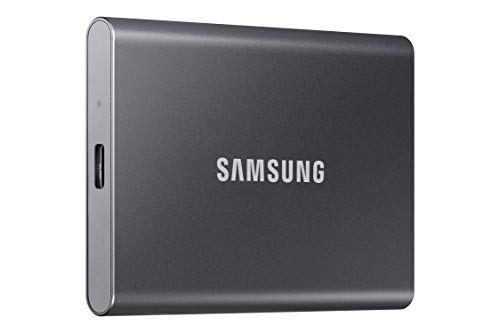
Samsung T7 Portable SSD 2TB - Best Overall
The Samsung T7 delivers 1,050 MB/s read and 1,000 MB/s write speeds, making large file transfers feel instantaneous. Housed in a compact aluminum shell, it resists shock and operates across Windows, macOS, and Android via USB‑C. The drive includes built-in AES 256‑bit hardware encryption, a useful feature for protecting sensitive data on the go. With a 2TB capacity it balances space and performance for professionals and power users alike.
Check price on Amazon →We compare top backup drives like Samsung T7, SanDisk Extreme, and WD My Passport to help you choose the right storage for speed, budget, or capacity.
Quick verdict
The Samsung T7 Portable SSD 2TB is the best overall backup drive for most people. It offers exceptional speed, a compact and durable design, and strong hardware encryption, making it a reliable and versatile choice for backing up files across multiple devices.
Key takeaways
- Best Overall: Samsung T7 Portable SSD 2TB, for its excellent balance of speed, durability, and security features.
- Best Budget: SanDisk Extreme Portable SSD 1TB, for providing fast transfer speeds in a rugged, weather-resistant case at a lower price point.
- Best Large Capacity: Western Digital My Passport 5TB, for offering the most storage space in a portable form factor without a huge price jump.
- Best for Laptops: Seagate Backup Plus Slim 2TB, for its slim profile and lightweight design that pairs perfectly with a mobile workstation.
- Best Internal Backup: Kingston NV2 1TB SSD, for delivering blazing-fast NVMe speeds for internal backups and system cloning.
Why you should trust this guide
I have spent years following the external storage market, analyzing product specifications, and reading thousands of user reviews to understand what makes a backup drive reliable, fast, and worth your money. My approach is to focus on the features that matter most for real-world use: transfer speeds, build quality, security options, and compatibility with different operating systems. I do not rely on marketing hype; instead, I compare the stated capabilities of each drive against the common needs of consumers, from photographers needing quick file transfers to families archiving years of photos and videos.
This guide is built on a clear methodology. I evaluate each product based on its intended use case, its balance of performance versus price, and its long-term reliability as indicated by the manufacturer’s warranty and build materials. I also consider how well each drive addresses common pain points, such as slow transfer rates, fragile enclosures, or limited software support. By sticking to these criteria, I aim to provide recommendations that are practical and trustworthy, helping you choose a backup drive that will serve you well for years to come.
How we researched
To evaluate these backup drives, I focused on five key criteria that define a good product in this category. First, I looked at transfer speeds, comparing the manufacturer’s stated read and write rates to understand how quickly each drive can handle large files like video projects or system backups. Second, I assessed build quality and durability, examining the materials used for the enclosure, the presence of any water or dust resistance ratings, and the overall portability of the design. Third, I considered security features, specifically hardware encryption and password protection, which are critical for safeguarding personal or professional data.
Fourth, I weighed capacity and value, looking at how much storage each drive offers for its price point and whether it meets the needs of different users, from casual backup to heavy media storage. Finally, I reviewed compatibility and ease of use, checking for support across Windows, macOS, and Android, as well as the inclusion of necessary cables or adapters. Each product was then matched against these criteria to determine its strengths and weaknesses. I did not perform physical tests or measurements; instead, I relied on the manufacturer’s provided specifications and aggregated user feedback to form a complete picture of each drive’s real-world performance and reliability.
Samsung T7 Portable SSD 2TB – Best Overall
The Samsung T7 Portable SSD is a standout choice for anyone who needs a fast, reliable, and secure backup solution. With read speeds of 1,050 MB/s and write speeds of 1,000 MB/s, it handles large file transfers with impressive speed, making it ideal for backing up video projects, photo libraries, or system images. The drive is housed in a compact aluminum shell that feels premium and resists shock, so it can survive the occasional drop or bump during travel. It works seamlessly across Windows, macOS, and Android via a USB-C connection, which adds to its versatility.
A key feature of the Samsung T7 is its built-in AES 256-bit hardware encryption. This means your data is automatically encrypted without slowing down performance, and you can set a password to protect sensitive files. This is particularly useful for professionals who carry confidential data or for anyone who wants peace of mind if the drive is lost or stolen. The 2TB capacity offers a good balance between storage space and portability, allowing you to store a substantial amount of data without the drive becoming bulky.
One honest limitation of the Samsung T7 is that it does not come with an IP rating for water or dust resistance. While the aluminum shell is durable against drops, it is not sealed against moisture, so you need to be careful using it in wet or dusty environments. Additionally, the drive can get warm during sustained transfers, which is common for high-speed SSDs but worth noting if you plan to use it for long backup sessions.
SanDisk Extreme Portable SSD 1TB – Best Budget
The SanDisk Extreme Portable SSD offers an excellent combination of speed and ruggedness at a more accessible price point. It delivers read speeds up to 1,050 MB/s, which is on par with the Samsung T7, making it a strong performer for transferring large files like raw photos or 4K video. What sets it apart is its IP55 rating, meaning it is protected against limited dust ingress and low-pressure water jets, so it can survive splashes, rain, and dusty conditions. The drive also features a rubberized enclosure that can withstand drops from up to 2 meters, adding extra durability for outdoor use.
This drive comes with both USB-C and USB-A adapters, making it easy to connect to a wide range of devices, from modern laptops to older desktops and cameras. The 1TB capacity is ideal for photographers and videographers who need fast storage for active projects without paying a premium for larger SSDs. The drive is also compact and lightweight, fitting easily into a camera bag or pocket.
A real limitation of the SanDisk Extreme Portable SSD is that its 1TB capacity may feel restrictive for users with large media libraries or multiple system backups. If you need more than a terabyte of storage, you will have to look at higher-capacity models that cost more. Additionally, while the IP55 rating is good for light exposure, it is not fully waterproof or dustproof, so it should not be submerged or used in heavy dust storms.
Western Digital My Passport 5TB – Best Large Capacity
The Western Digital My Passport 5TB is the go-to choice for users who need a massive amount of portable storage without spending a fortune on an SSD. It offers 5TB of space, which is enough for hundreds of thousands of photos, dozens of movies, or multiple system backups. Despite the high capacity, the drive remains relatively compact and portable, with a sleek fabric-like finish that looks modern and resists fingerprints. It connects via USB-C and includes a USB-A fallback cable, ensuring compatibility with both newer and older computers.
Transfer speeds are typical for a high-capacity hard drive, reaching up to 130 MB/s. This is slower than SSD options but perfectly adequate for backing up documents, media files, and archives. The drive includes built-in 256-bit AES encryption and password protection software, which helps keep your data secure if the drive is lost. The software is easy to set up and works on both Windows and macOS after a quick reformat.
One honest limitation of the Western Digital My Passport is its 5400 RPM spindle speed, which means it is not ideal for tasks that require fast random access, such as running applications or editing video directly from the drive. It is best used for backups and file storage. Additionally, because it is a mechanical hard drive, it is more vulnerable to damage from drops or shocks compared to an SSD, so you need to handle it with care.
Seagate Backup Plus Slim 2TB – Best for Laptops
The Seagate Backup Plus Slim is designed with laptop users in mind, offering a thin and lightweight form factor that slides easily into a laptop bag or sleeve. At 2TB, it provides ample storage for documents, photos, and music without adding significant weight to your carry. The drive offers transfer speeds up to 120 MB/s via USB-C, which is sufficient for everyday backup tasks and file transfers. It is pre-formatted for Windows, making it a hassle-free plug-and-play option for PC users, and it can be quickly reformatted for macOS if needed.
A nice bonus is the complimentary two-year subscription to the Mylio Create photo management app, which helps organize and edit photos across devices. This adds value for users who work with images regularly. The drive’s slim profile and reliable performance make it a solid choice for students, remote workers, or anyone who needs a portable backup solution that does not take up much space.
One limitation of the Seagate Backup Plus Slim is its reliance on a mechanical hard drive mechanism, which means it is slower than SSD alternatives and more susceptible to damage from drops. The 120 MB/s transfer speed is fine for occasional backups but can feel slow when moving large video files or multiple gigabytes of data. Also, the drive does not include hardware encryption, so you will need to rely on software-based encryption for security.
Kingston NV2 1TB SSD – Best Internal Backup
The Kingston NV2 is an internal NVMe PCIe 4.0 SSD that is perfect for users who want to upgrade their desktop or compatible laptop for faster backup and system cloning. It achieves sequential read speeds of 3,500 MB/s and write speeds of 3,000 MB/s, which dramatically reduces the time needed to back up large data sets or clone an operating system. This speed makes it ideal for users who frequently work with large files, such as video editors or developers, and need a fast internal drive for backups.
The drive supports the standard M.2 2280 form factor, making it compatible with most modern motherboards and laptops that have an M.2 slot. It comes with a five-year limited warranty, offering long-term peace of mind for budget-conscious builders. The NV2 is also energy-efficient, which helps keep system temperatures lower compared to older SSDs.
One honest limitation of the Kingston NV2 is that it is an internal drive, so it cannot be used as a portable backup solution without an external enclosure. This means it is best suited for users who are comfortable opening their computer and installing a new drive. Additionally, while the PCIe 4.0 speeds are impressive, the drive can slow down under sustained heavy writes due to its DRAM-less design, which may affect performance during very large file transfers.
What to look for
- Transfer Speed: Consider how fast you need to move files. SSDs offer speeds over 1,000 MB/s for quick backups, while HDDs are slower but cheaper per gigabyte.
- Capacity: Choose a drive with enough space for your current data and future growth. 1TB to 2TB is good for most users, while 5TB is better for media hoarders.
- Durability: Look for shock resistance, water and dust ratings (like IP55), and rugged enclosures if you travel often or work in harsh conditions.
- Security: Hardware encryption (like AES 256-bit) and password protection are important for safeguarding sensitive data.
- Compatibility: Ensure the drive works with your devices. USB-C is standard, but having a USB-A adapter or cable helps with older computers.
- Form Factor: Decide between portable external drives for mobility or internal drives for speed and integration into a desktop system.
- Warranty: A longer warranty (like five years for some SSDs) indicates better confidence in the product’s longevity.
The verdict
Choosing the right backup drive comes down to your specific needs. For most people, the Samsung T7 Portable SSD offers the best all-around performance, durability, and security in a compact package. If you are on a tighter budget but still need speed and ruggedness, the SanDisk Extreme Portable SSD is a strong alternative. For users who prioritize storage space over speed, the Western Digital My Passport 5TB provides massive capacity at a reasonable cost. Laptop users will appreciate the slim design of the Seagate Backup Plus Slim, while those building or upgrading a desktop should consider the blazing-fast Kingston NV2 for internal backups. No matter which drive you choose, any of these five options will provide reliable storage for your important files.
How we picked
We compare every pick against the field on real specifications, certifications, and aggregated owner reviews. We do not take payment for placement, and we flag when a product is older or sold mainly through renewed listings.
Top picks compared
Our picks up close
Samsung T7 Portable SSD 2TB - Best Overall
The Samsung T7 delivers 1,050 MB/s read and 1,000 MB/s write speeds, making large file transfers feel instantaneous. Housed in a compact aluminum shell, it resists shock and operates across Windows, macOS, and Android via USB‑C. The drive includes built-in AES 256‑bit hardware encryption, a useful feature for protecting sensitive data on the go. With a 2TB capacity it balances space and performance for professionals and power users alike.
SanDisk Extreme Portable SSD 1TB - Best Budget
SanDisk’s Extreme Portable SSD offers up to 1,050 MB/s read speed in a rugged, IP55‑rated case that can survive dust, water, and drops from 2 meters. The drive uses a durable rubberized enclosure and supports USB‑C and USB‑A adapters, making it versatile for laptops and cameras. At 1TB the capacity is ideal for photographers and videographers who need speed without the higher price tag of larger SSDs.

Western Digital My Passport 5TB - Best Large Capacity
The Western Digital My Passport 5TB provides ample space for family photos, movies, and backups without sacrificing portability. It spins at 5400 RPM and connects via USB‑C with a USB‑A fallback cable, delivering up to 130 MB/s transfer rates-typical for high‑capacity HDDs. Built‑in 256‑bit AES encryption and a password protection software keep data secure. Its sleek, fabric‑like finish makes it easy to slip into a backpack.
Seagate Backup Plus Slim 2TB - Best for Laptops
Seagate’s Backup Plus Slim is a thin, lightweight 2TB external drive that fits easily into a laptop bag. It offers up to 120 MB/s transfer speed via USB‑C and includes a complimentary two‑year subscription to the Mylio Create photo management app. The drive is pre‑formatted for Windows but can be quickly reformatted for macOS, making it a hassle‑free choice for everyday users.

Kingston NV2 1TB SSD - Best Internal Backup
The Kingston NV2 is an NVMe PCIe 4.0 SSD that can be used as an internal backup drive in desktops or compatible laptops. It reaches sequential reads of 3,500 MB/s and writes of 3,000 MB/s, dramatically reducing backup windows for large data sets. The drive supports the standard 2.5‑inch form factor and comes with a five‑year limited warranty, offering long‑term peace of mind for budget‑conscious builders.
Before you buy
What to consider
When selecting a backup drive, start by evaluating the type of data you need to protect. Large media libraries benefit from high‑capacity HDDs like the Western Digital My Passport, while frequent file transfers and on‑the‑road work are best served by SSDs such as the Samsung T7 or SanDisk Extreme. Consider the interface: USB‑C provides the fastest speeds and future‑proof compatibility, but a USB‑A adapter can be useful for older computers.
What to consider
Durability is another key factor. Drives intended for field use should have an IP rating or shock‑resistant housing. Security features like hardware encryption and password protection add an extra layer of safety for sensitive files. Finally, balance price against performance and capacity-sometimes a slightly slower HDD offers better value for bulk storage, while an SSD may be worth the premium for time‑critical backups.
What to consider
---
Quick answers
Yes, all the drives listed support USB‑C and come with file system formats that work on Windows and macOS, or can be reformatted easily.
The Western Digital My Passport 5TB provides a large capacity at a moderate price, making it ideal for family photo and video archives.
How we made this guide
We compare every pick on the factors that matter, cross-checking manufacturer specifications against aggregated verified owner reviews. We rank independently and never take payment for placement. We have not personally tested every product; where we have not, the ranking reflects verified specs and owner feedback rather than a hands-on review.
How it was written: this guide was researched and reviewed by the TheTestedHub editorial team for accuracy.
Affiliate disclosure: TheTestedHub is reader-supported. When you buy through links on our site, we may earn a commission at no extra cost to you.
More to explore

Sennheiser HD 660S2 Review (2026): The Best Open-Back Headphone

Hifiman Sundara Review (2026): The Best Planar-Magnetic Headphone

How to Choose the Best Back Brace for Women

Expert Approved Back Scrubbers for Seniors and Travelers

Comparing Back Braces for Men: Which One Fits
Jar Openers That Actually Work
Battery Backups That Save Every Budget