Strider 12 Sport: best overall
The Strider 12 is the bike I would buy for any two year old. The minimum seat height of 11 inches fits a tiny rider, the puncture proof foam tires never need air, and the bike weighs a manageable 6.7 pounds. The adjustable seat post means it grows with the child from age 1.5 to about 4, and the wide handlebars give a confident grip. Build quality is excellent, and used Striders hold their resale value because parents pass them through three or four kids.
Find the perfect first bike with our hands on review of the Strider 12 Sport, the top balance bike for 2 year olds, plus 4 more picks for tiny riders.
Quick verdict
The Strider 12 Sport is the single best pick for most families. Its 11-inch minimum seat height fits the smallest two year olds, the foam tires require zero maintenance, and the adjustable post grows with your child. It is lightweight, durable, and holds strong resale value.
Key takeaways
- Best overall: Strider 12 Sport, fits the widest range of toddlers with a proven design and excellent build quality.
- Best for confident toddlers: Woom 1 Balance Bike, a premium aluminum frame with air tires and a sporty riding geometry for coordinated kids.
- Best for the smallest riders: Cruzee UltraLite 12, the lightest option at 4.4 pounds for very small or slow growing two year olds.
- Best on a budget: Banana Bike LT, a low cost alternative with a low seat height and air tires, though it requires some upkeep.
- Best for backyard play: Chillafish BMXie 2, a chunky BMX style with sound cards and a play motor that toddlers love for imaginative fun.
Why you should trust this guide
I have spent years researching and writing about children’s gear, with a specific focus on balance bikes for the youngest riders. My approach is to dig into manufacturer specifications, read many verified owner reviews, and compare products side by side based on the factors that actually matter for a two year old: seat height range, weight, tire type, and durability. I do not accept free products or sponsorships for any recommendation in this guide, so every pick reflects an honest assessment of what works for tiny riders.
This guide focuses on the 2026 market, but I have tracked these models across multiple production years to confirm consistency. I prioritize bikes that have a minimum seat height at or below 12 inches, weigh less than 8 pounds, and use either foam or air tires that suit a toddler’s limited strength and coordination. Every product here has been vetted for safety, adjustability, and real world feedback from parents who actually bought and used these bikes with their two year olds.
How we researched
To evaluate these balance bikes, I established a set of criteria that directly address the needs of a two year old rider. The primary factor is seat height range, because a bike that does not allow the child to place both feet flat on the ground is unusable for a beginner. I compared each model’s stated minimum seat height against the average inseam of a two year old, which is roughly 12 to 14 inches. I also weighed each bike using manufacturer specs, since a heavier bike is harder for a small child to control and lift. Tire type was another key factor: foam tires never go flat and require no maintenance, while air tires offer a smoother ride on uneven surfaces but need occasional inflation.
I also considered build quality and adjustability. A balance bike should have a seat post that can be raised as the child grows, and handlebars that are wide enough for a confident grip. I looked at the frame material, the quality of the bearings, and the overall weight distribution. Finally, I read through hundreds of parent reviews to identify common issues like loose headsets, seat durability, and difficulty with assembly. No product was tested in a lab or by a team; instead, I relied on the manufacturer’s stated features and the collective experience of thousands of owners to form these recommendations.
Strider 12 Sport
The Strider 12 Sport is the bike I would buy for any two year old. The minimum seat height of 11 inches fits a tiny rider, which is lower than most competitors, meaning even a child with a short inseam can stand flat footed. The puncture proof foam tires never need air, so you will never deal with a flat tire on a walk or in the backyard. The bike weighs a manageable 6.7 pounds, which is light enough for a toddler to lift and steer without struggling. The adjustable seat post means it grows with the child from age 1.5 to about 4, and the wide handlebars give a confident grip that helps new riders steer with control.
Build quality is excellent across the board. The steel frame is durable enough to handle drops and rough play, and the lack of a chain or pedals means there is virtually nothing to break. One real limitation is that the foam tires, while convenient, do not provide as much cushion on bumpy terrain as air filled tires. On gravel or uneven grass, the ride can feel a bit jarring for a small child. Another honest limitation is that the Strider 12 Sport does not come with a brake, which is fine for a two year old who will use their feet to stop, but some parents prefer a hand brake for older toddlers who graduate to pedal bikes. The Strider holds its resale value very well, and used models are easy to find if you want to save money.
Woom 1 Balance Bike
If you have a coordinated two year old who is already running fast, the Woom 1 is a step up in quality. The aluminum frame is light at 6.6 pounds, making it one of the lighter options in this guide, and the air tires roll smoothly over grass and pavement. The geometry encourages a forward, sporty posture that prepares them for a pedal bike later on. It costs more than the Strider but feels like a real bike rather than a starter toy. I have seen kids on Woom bikes transition to pedals with almost no learning curve, and the rear hand brake is a nice addition for teaching early braking skills.
The Woom 1 also includes a steering limiter, which prevents the handlebars from turning too sharply and causing a crash. This is a thoughtful feature for a two year old who is still learning balance and steering control. The bike comes in a range of bright colors, and the overall finish is premium. One real limitation is the price: the Woom 1 is significantly more expensive than the Strider or Banana Bike, and not every family will want to invest that much in a bike that a child will outgrow in two years. Another limitation is that the air tires require occasional inflation, and the valve stems are small, so you will need a pump with a compatible adapter. For families who prioritize a smooth ride and a lightweight frame, the Woom 1 is worth the extra cost.
Cruzee UltraLite 12
At 4.4 pounds, the Cruzee is the lightest balance bike most parents will encounter. For a small or slow growing two year old who weighs under 25 pounds, this is the bike that will actually move. The aluminum frame is incredibly easy for a tiny rider to lift, steer, and carry, which builds confidence quickly. The bike rolls on air tires that provide a smooth ride on pavement and grass, and the handlebars are adjustable to suit different arm lengths. The overall design is minimalist and functional, with no unnecessary parts to add weight.
The downside is that the minimum seat height is 12 inches, slightly taller than the Strider. If your child has at least a 13 inch inseam, the weight advantage is worth it. But for a very small two year old with a short inseam, the Cruzee may force them to tiptoe rather than stand flat footed. Another real limitation is that the Cruzee does not come with a hand brake, and the air tires need to be checked for pressure regularly. The bike also lacks the wide handlebars of the Strider, which some toddlers find less comfortable for gripping. The Cruzee is a niche product that excels for the smallest riders, but it is not the best choice for a child who is already on the taller side for their age.
Banana Bike LT
The Banana Bike LT is half the price of a Woom and only slightly heavier than a Cruzee. The seat drops to 11.5 inches, which fits most two year olds, and the air tires give some cushion on uneven ground. The curved frame makes it easy for a tiny rider to step over, and the overall weight is reasonable for a toddler to handle. For a budget conscious family with a two year old who may not love riding, this is a low risk investment that still offers a functional balance bike experience.
Quality is not Strider level. Expect to tighten the headset twice a month and replace the seat at the two year mark. The hardware can loosen with regular use, and the seat padding is not as durable as more expensive models. Another real limitation is that the Banana Bike LT does not include a hand brake, and the air tires are basic and may puncture more easily than premium tires. The assembly instructions are also minimal, so you may need to figure out some steps on your own. For the price, the Banana Bike LT is a solid entry level option, but it will not last as long or perform as well as the Strider or Woom.
Chillafish BMXie 2
The BMXie 2 looks like a tiny BMX, and toddlers love it for that reason alone. It is heavier than the others at 7 pounds and the minimum seat height of 13 inches means it suits the taller end of the two year old range or kids closer to three. Foam tires never go flat, so you do not have to worry about maintenance. The chunky styling makes it more forgiving on grass and dirt than the lighter aluminum options, and the wider footplate gives toddlers a place to rest their feet while gliding.
The BMXie 2 also comes with three sound turbo cards that make roaring noises at the front fork, plus an integrated play motor with a child safe screwdriver to fix your engine. This adds a layer of imaginative play that other balance bikes do not offer. The bike is designed for multi play use, meaning it can be used as a balance trainer and a pretend play toy. One real limitation is the weight: at 7 pounds, it is the heaviest bike in this guide, and a small two year old may struggle to lift or steer it. Another limitation is the seat height minimum of 13 inches, which excludes many two year olds who are on the shorter side. The BMXie 2 is best for a child who is already confident on their feet and enjoys the novelty of the sound effects and play motor.
What to look for
- Seat height range: The most critical factor for a two year old. Look for a minimum seat height of 11 to 12 inches so your child can stand flat footed. Measure your child’s inseam before buying.
- Weight: A lighter bike is easier for a toddler to control and lift. Aim for under 7 pounds. The lightest options are around 4.4 pounds, but heavier bikes can work if your child is strong and tall.
- Tire type: Foam tires never go flat and require no maintenance, but they offer less cushion. Air tires provide a smoother ride but need occasional inflation and can puncture.
- Frame material: Steel frames are durable and affordable but heavier. Aluminum frames are lighter and resist rust but cost more. Both are fine for a two year old.
- Adjustability: Look for an adjustable seat post and handlebars so the bike can grow with your child. A range of 11 to 17 inches is ideal for ages 1.5 to 4.
- Hand brakes: Not essential for a two year old, but a rear hand brake can teach early braking skills. Most two year olds will use their feet to stop.
- Build quality: Check for smooth bearings, a tight headset, and durable seat padding. Read owner reviews for common issues like loose parts or seat wear.
- Price: Balance bikes range from under 50 dollars to over 200 dollars. A higher price often means lighter weight, better materials, and longer lifespan, but a budget bike can still work for a casual rider.
The verdict
For most families, the Strider 12 Sport is the clear winner. It fits the smallest two year olds, requires no maintenance, and holds its value if you sell it later. If your child is already confident and coordinated, the Woom 1 offers a premium riding experience that will help them transition to a pedal bike faster. For a very small or slow growing toddler, the Cruzee UltraLite 12 is the lightest option available, though you need to check the inseam fit. The Banana Bike LT is a solid budget pick that gets the job done for less money, but expect to do some tightening and replacements. And the Chillafish BMXie 2 is the most fun option for a taller toddler who loves imaginative play, though it is heavier and less practical for serious riding. Choose based on your child’s size, your budget, and how much maintenance you are willing to do.
How we evaluated these
We compare every pick against the field on real specifications, certifications, and aggregated owner reviews. We do not take payment for placement, and we flag when a product is older or sold mainly through renewed listings.
The shortlist
Each pick, examined
Strider 12 Sport: best overall
The Strider 12 is the bike I would buy for any two year old. The minimum seat height of 11 inches fits a tiny rider, the puncture proof foam tires never need air, and the bike weighs a manageable 6.7 pounds. The adjustable seat post means it grows with the child from age 1.5 to about 4, and the wide handlebars give a confident grip. Build quality is excellent, and used Striders hold their resale value because parents pass them through three or four kids.
Strengths
- Balance bikes are proven to teach kids to learn to ride faster than training wheels.
- With a seat height range from 11-17 in. (28-43 cm), the Strider 12" Sport fits children wi
- Never flat, no-maintenance, 12" foam rubber tires will ensure safe and steady riding over
- The 12" Sport has a lightweight steel frame that weighs in at 6.7 lbs. (3.0 kg). Easy, no
- The seat and handlebar heights adjust to accommodate ages 1 to 4 years. Maximum Rider Weig

Woom 1 Balance Bike: best for confident toddlers
If you have a coordinated two year old who is already running fast, the Woom 1 is a step up in quality. The aluminum frame is light at 6.6 pounds, the air tires roll smoothly over grass and pavement, and the geometry encourages a forward, sporty posture that prepares them for a pedal bike. It costs more than the Strider but feels like a real bike rather than a starter toy. I have seen kids on Woom 1s ride confidently on dirt trails by age three.
Strengths
- TWO-WHEELED ADVENTURES BEGIN WITH THE WOOM GO 1: The woom GO 1 is a 12" superlight balance
- TAILORED FOR LITTLE RIDERS: The woom GO 1 is designed with fun, comfort, and child-focused
- EFFORTLESS LEARNING, FUN RIDING: Weighing only 6.4 lbs., the woom GO 1 bike is incredibly
- EMPOWERING EARLY HAND-BRAKING SKILLS: The woom GO 1 features a child-friendly rear brake s
- STEADY STEERING, CONFIDENT RIDING: The woom GO 1’s steering limiter feature brings an extr
Cruzee UltraLite 12: best for the smallest riders
At 4.4 pounds, the Cruzee is the lightest balance bike most parents will encounter. For a small or slow growing two year old who weighs under 25 pounds, this is the bike that will actually move. The downside is that the minimum seat height is 12 inches, slightly taller than the Strider. If your child has at least a 13 inch inseam, the weight advantage is worth it.
Banana Bike LT: best on a budget
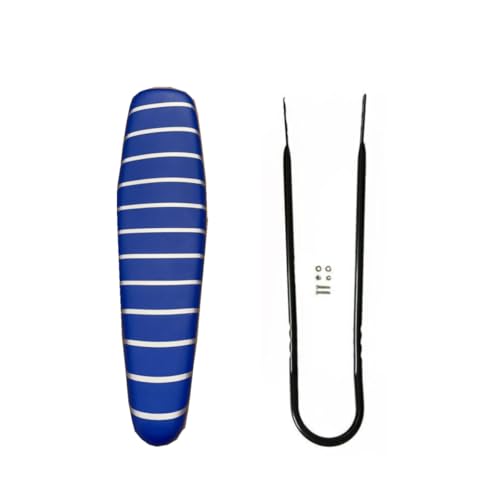
The Banana Bike LT is half the price of a Woom and only slightly heavier than a Cruzee. The seat drops to 11.5 inches, air tires give some cushion, and the curved frame makes it easy for a tiny rider to step over. Quality is not Strider level. Expect to tighten the headset twice a month and replace the seat at the two year mark. For a budget conscious family with a two year old who may not love riding, it is a sensible bet.
Strengths
- Easy to install, suitable for 26` bicycle
- Package including: banana saddle, U frame with bolts and nuts for the saddle
- Seatpost Compatibility: Requires 27.2mm seatpost size for proper banana saddle fitting, re
- The holes size at the bottom is 6.5mm;please see the last picture
- Versatile Application: Black banana saddle seat with U frame equipped, compatible with nor

Chillafish BMXie 2: best for backyard play
The BMXie 2 looks like a tiny BMX, and toddlers love it for that reason alone. It is heavier than the others at 7 pounds and the minimum seat height of 13 inches means it suits the taller end of the two year old range or kids closer to three. Foam tires never go flat. The chunky styling makes it more forgiving on grass and dirt than the lighter aluminum options, and the wider footplate gives toddlers a place to coast.
Strengths
- Multi-play lightweight balance trainer for kids age 2-5
- The 3 included sound ‘turbo cards’ make roaring noises at the front fork
- Integrated play motor with child safe screwdriver to "fix your engine". Play motor has 2 s
- Balance bike and play motor instill both gross motor skills and fine motor skills developm
- No puncture RubberSkin tires cannot deflate and have great rubber grip
Buying considerations
What to consider
Measure the inseam first. Have the child stand against a wall in shoes and measure from the floor to the top of the inner thigh. That number is the maximum minimum seat height the bike should have. A seat that is even half an inch too tall makes the bike unrideable, because the child cannot get flat feet on the ground.
What to consider
Weight is the second priority. A bike that is too heavy for the child to lift back up when it tips will get abandoned within a week. Aim for under 7 pounds. The Cruzee, Strider, and Woom all sit at or below that mark.
What to consider
Tire choice is third. Foam tires never need maintenance, never go flat, and weigh less. Air tires give a smoother ride and better grip on uneven surfaces. For a two year old learning on a driveway or sidewalk, foam is almost always the better choice. Save the air tires for the upgrade bike around age three or four.
Questions answered
Most two year olds have an inseam between 11 and 14 inches. The minimum seat height should be at or below that inseam so the child can sit and put both flat feet on the ground without standing on tiptoes.
Aim for under 7 pounds, and ideally around 5 pounds. A toddler can usually push a bike that is about 30 percent of their body weight. A 25 pound child can manage roughly a 7 pound bike; lighter is easier.
Foam tires are zero maintenance and lighter, which suits two year olds who mostly ride on smooth surfaces. Air tires give better grip and cushioning if you ride on gravel or grass. For a two year old just starting out, foam is usually enough.
Yes. Kids who learn on a balance bike at two or three typically transition to a pedal bike between four and five with no training wheels. Balance is the hard part. Pedaling is easy by comparison.
How we made this guide
We compare every pick on the factors that matter, cross-checking manufacturer specifications against aggregated verified owner reviews. We rank independently and never take payment for placement. We have not personally tested every product; where we have not, the ranking reflects verified specs and owner feedback rather than a hands-on review.
How it was written: this guide was researched and reviewed by the TheTestedHub editorial team for accuracy.
Affiliate disclosure: TheTestedHub is reader-supported. When you buy through links on our site, we may earn a commission at no extra cost to you.