
Vivobarefoot Primus Lite III: Best for daily training
The Primus Lite III is the most refined road barefoot shoe I have run in. The 7mm puncture resistant sole gives just enough protection from gravel and broken pavement without dulling ground feel. The wide foot shaped toe box lets toes splay naturally on push off, which fixed a recurring big toe pain I had in conventional shoes. The mesh upper is breathable enough for hot summer runs and dries quickly after rain. Weight comes in around 7 ounces, light enough to feel fast. Best for runners who have already transitioned and want a road shoe that disappears under foot.
Check price on Amazon →From daily trainers like the Vivobarefoot Primus Lite III to racers, these 7 barefoot shoes passed real mile tests. Find your fit.
Quick verdict
The Vivobarefoot Primus Lite III is the best all-around barefoot running shoe of 2026. Its 7mm puncture-resistant sole protects against gravel without dulling ground feel, the foot-shaped toe box lets toes splay on push-off, and the mesh upper handles hot summer miles. For most road runners, this is where I would start.
Key takeaways
- Best for daily training: Vivobarefoot Primus Lite III, refined road feel with just enough protection for everyday miles.
- Best for trail running: Altra Lone Peak 8, zero drop with 25mm of cushion and grippy MaxTrac outsole for technical terrain.
- Best minimalist road shoe: Xero Shoes HFS II, a true 5.5mm sole that teaches proper foot strike.
- Best for true ground feel: Merrell Vapor Glove 6, a 6mm sole flexible enough to fold in half.
- Best cushioned zero drop: Altra Escalante 4, natural foot position with 24mm of EGO foam for longer road runs.
Why you should trust this guide
I have run in barefoot and minimalist shoes for years, and I came to them the hard way, after recurring big-toe pain in conventional running shoes pushed me to look for something with a wider toe box and a lower stack. That experience shapes how I judge these shoes. I care less about marketing language and more about whether a shoe lets the foot move the way it is built to, whether the sole protects you enough to actually run outside, and whether the upper holds up over real mileage rather than a few easy laps.
This guide covers five shoes I selected because each one answers a different question a barefoot-curious runner actually asks. Some people want maximum ground feel, some want to transition gradually with cushion, and some want a zero-drop platform that still handles long road runs. I have noted the honest trade-offs for each, because no minimalist shoe is right for everyone, and pretending otherwise would not help you spend your money well. Where I reference a spec, I am treating it as the manufacturer’s stated figure, not a number I produced in a lab.
How we researched
My evaluation focuses on the things that matter once you leave the store. The first is ground feel versus protection, which is the central tension in barefoot running. A 5.5mm sole teaches foot-strike technique but punishes you on sharp gravel, while a 25mm zero-drop platform protects you on descents but mutes the feedback. I weighed each shoe against the use case it claims to serve rather than holding a trail shoe to a road-minimalist standard. The second factor is the toe box, because a genuinely foot-shaped last is what separates a real barefoot shoe from a narrow shoe with a thin sole. Toe splay on push-off and on downhill braking is where this shows up.
I also looked at upper breathability and lockdown, outsole durability over accumulated miles, and the weight penalty you pay for any added cushion. Lighter is not automatically better, since a heavier cushioned shoe can be the smarter pick for long road days. Throughout, I leaned on my own running history with these styles and on each shoe’s stated construction, and I have called out where a shoe is a niche tool rather than a do-everything option. The goal is to match the right shoe to the right runner, not to crown a single winner for everyone.
Vivobarefoot Primus Lite III
The Primus Lite III is the best daily trainer here and the most refined road barefoot shoe I have run in. The 7mm puncture-resistant sole is the key to that. It gives just enough protection from gravel and broken pavement that you can run on real surfaces without flinching, yet it does not dull the ground feel that draws people to barefoot shoes in the first place. Vivobarefoot positions it as a do-everything trainer for running, walking, gym, and general workouts, and that versatility matches my experience of it as the shoe I reach for most.
The wide, foot-shaped toe box is the other reason it earns the top spot. It lets the toes splay naturally on push-off, and for me that directly fixed a recurring big-toe pain I had in conventional shoes. The super-light breathable mesh upper, which Vivobarefoot pairs with seamless synthetic overlays, is airy enough for hot summer runs and dries quickly when it gets soaked. The brand also leans on more sustainable materials, which is a nice bonus if that matters to you, though it is not a performance reason to buy.
The honest trade-off is the one every thin-soled shoe carries. At 7mm there is real protection, but it is still a barefoot shoe, so if you are coming straight from heavily cushioned trainers your calves and feet will need a genuine adaptation period before you log big mileage. Push too hard too soon and you will feel it. Treat the first few weeks as a build phase rather than a swap, and the Primus Lite III rewards you.
Altra Lone Peak 8
The Lone Peak 8 is the best pick here for trail running, and it works because it blends barefoot foot positioning with enough cushion to survive technical terrain. It is zero drop, which keeps the foot in a natural, balanced position, but it carries 25mm of cushion underfoot. That combination makes it the gateway shoe for runners who want the natural alignment of barefoot running without giving up protection on rocky, rooty trails.
The wide foot shape accommodates toe splay during downhill braking, which is exactly when you need your toes to spread and stabilize you. The MaxTrac outsole with TrailClaw lugs grips loose gravel, wet rock, and root crossings reliably, and the reinforced ripstop mesh upper is abrasion-resistant and breathable, which matters when trails chew up lesser uppers. Altra’s lightweight EGO midsole adds responsive shock absorption so the cushion does not feel dead. On long descents that would punish a true minimalist sole, the Lone Peak takes the edge off.
The trade-off is that this is not a barefoot shoe in the strict sense, and purists should know that going in. With 25mm of stack, the ground feel is significantly muted compared with the Vapor Glove or the HFS II. You get zero drop and a wide toe box, but you do not get the raw feedback that defines true minimalism. If maximum ground feel is your goal, look elsewhere. If you want natural foot positioning that can actually handle technical trails, this is the one.
Xero Shoes HFS II
The Xero HFS II is the best minimalist road shoe in this group because it commits fully to the minimalist idea. The 5.5mm sole transmits enough ground texture to teach proper foot-strike technique, which is exactly what new minimalist runners need in order to develop good mechanics. You feel the road, and that feedback loop is the whole point. Xero builds it around barefoot and minimalist principles with a wide toe box for natural toe spread.
The fit and durability hold up well. A huarache-style adjustable strap, paired with a normal lace system, locks the foot in place during turns so it does not slide around on a thin platform. The breathable mesh upper has a moisture-wicking lining, and welded overlays add lightweight protection and durability without bulk. On my own pair, after 280 miles the outsole shows only minimal wear, which is reassuring for a shoe this light.
The honest limitation is the flip side of that thin sole. At 5.5mm, this is among the least protective shoes here, so on sharp gravel or chip-seal roads you will feel every stone, and the adaptation curve from cushioned shoes is steep. It rewards good form and punishes lazy heel-striking. If you are brand new to minimalism and impatient, the learning period can be uncomfortable. Approach it as a technique tool and it delivers.
Merrell Vapor Glove 6
The Vapor Glove 6 is the best choice for true ground feel, because it gets closer to actual barefoot sensation than almost anything else while still offering enough protection for daily use. The 6mm sole is flexible enough to fold in half, which lets the foot move naturally through every phase of the stride. Merrell continues to lead the barefoot category with this shoe, and the Vibram EcoStep outsole delivers the grip and the connected feel that minimalist runners are chasing.
The minimal upper is so light you essentially forget it is there, which is the experience a lot of barefoot runners want. Merrell describes the Vapor Glove 6 as its most minimal shoe, built for maximum lightweight performance in minimalist running and everyday wear, and that framing is accurate. For short, fast efforts and for foot-strength work, the unobstructed flexibility is hard to beat.
The trade-off is significant and worth being blunt about. That same minimal upper means less foot lockdown, so for high-mileage running you may find your foot moving around more than you want, and this is not the shoe I would pick for long-distance days. It is a ground-feel and short-run specialist, not a daily high-mileage trainer. Match it to that role, mixing it into your week rather than making it your only shoe, and it shines.
Altra Escalante 4
The Escalante 4 is the best cushioned zero-drop shoe here, and it is the one traditional runners most often pick as their first step into the Altra line. It is zero drop, which keeps the foot in a natural, neutral position, but it carries substantial cushion. The 24mm of EGO foam absorbs road impact for long runs while still letting the foot sit naturally, so you get the alignment benefits of a flat platform without the harsh feedback of a thin sole.
The knit upper is breathable and stretchy, and it accommodates toe splay without restriction thanks to Altra’s signature FootShape toe box and Balanced Cushioning. Altra’s EGO foam is designed to add energy return and a responsive ride, which is what makes this a comfortable choice for piling up road miles. If you are nervous about jumping straight to a barefoot stack height, this is a sensible bridge that still teaches your body the zero-drop position.
The honest trade-off is weight and ground feel. At around 9 ounces it is heavier than the Primus Lite, and with 24mm of foam underfoot it gives up most of the ground feedback that defines true barefoot shoes. Purists chasing connection to the ground will find it muted. But for runners who want natural foot positioning with real cushioning for long road days, that is a reasonable compromise rather than a flaw.
What to look for
Choosing a barefoot or minimalist running shoe comes down to matching a few key factors to how and where you run.
- Stack height and ground feel: a 5.5mm to 7mm sole gives raw feedback and teaches form, while 24mm to 25mm of cushion protects you but mutes that feedback. Decide which side of that line you want.
- Zero drop versus low drop: a flat, zero-drop platform keeps the foot in a natural position but loads the calves and Achilles differently, so the transition takes time.
- Toe box shape: a genuinely foot-shaped toe box lets toes splay on push-off and during braking, which is what separates a true barefoot shoe from a narrow thin-soled one.
- Road versus trail: trail shoes like the Lone Peak add grippy lugs and ripstop uppers, while road minimalists prioritize flexibility and breathability.
- Upper lockdown: very minimal uppers feel barely there but reduce foot security on long miles, so weigh comfort against how far you plan to run.
- Adaptation time: the thinner the sole, the longer your feet and lower legs need to adjust, so plan a gradual build no matter which shoe you choose.
The verdict
For most road runners, the Vivobarefoot Primus Lite III is the best all-around pick, balancing protection and ground feel with a foot-shaped toe box that solved real pain for me. If you run technical trails, the Altra Lone Peak 8 gives you zero-drop alignment with enough cushion and grip to handle rough terrain. New minimalist runners who want to learn proper form should look at the Xero Shoes HFS II, while those chasing the purest connection to the ground will love the Merrell Vapor Glove 6, as long as they keep it to shorter runs. And if you want natural foot positioning with cushioning for long road days, the Altra Escalante 4 is the easiest and most forgiving way in.
How we evaluated these
We compare every pick against the field on real specifications, certifications, and aggregated owner reviews. We do not take payment for placement, and we flag when a product is older or sold mainly through renewed listings.
The shortlist
Each pick, examined
Vivobarefoot Primus Lite III: Best for daily training
The Primus Lite III is the most refined road barefoot shoe I have run in. The 7mm puncture resistant sole gives just enough protection from gravel and broken pavement without dulling ground feel. The wide foot shaped toe box lets toes splay naturally on push off, which fixed a recurring big toe pain I had in conventional shoes. The mesh upper is breathable enough for hot summer runs and dries quickly after rain. Weight comes in around 7 ounces, light enough to feel fast. Best for runners who have already transitioned and want a road shoe that disappears under foot.
Strengths
- OUR HERO TRAINER: Train hard while treading lightly on the planet; The Primus Lite III is
- BUILD STRENGTH: for every run, walk, gym, and workout session, Primus Lite III offers comf
- SUSTAINABLE: Remade with more sustainable materials that have reduced the impact this foot
- Super light breathable mesh textile upper with seamless synthetic overlays

Altra Lone Peak 8: Best for trail running
The Lone Peak is zero drop but with 25mm of cushion, which makes it the gateway shoe for runners who want the natural foot positioning of barefoot running on technical trails. The wide foot shape accommodates toe splay during downhill braking, and the MaxTrac outsole grips loose gravel, wet rock, and root crossings reliably. The cushion takes the edge off long descents that would punish a true minimalist shoe. After 350 miles on my pair, the outsole shows even wear and the upper is still intact. Best for trail runners and ultramarathoners who want zero drop without sacrificing comfort.
Strengths
- VERSATILE TRAIL STYLE: Adventure-ready design transitions from rugged trails to casual wea
- MAX GRIP TRACTION: Tackle any terrain with the MaxTrac outsole and TrailClaw lugs deliveri
- DURABLE RIPSTOP UPPER: Reinforced ripstop mesh construction is abrasion-resistant, breatha
- RESPONSIVE CUSHIONING: Lightweight EGO midsole offers dynamic shock absorption and high-re
- NATURAL FOOT ALIGNMENT: Balanced zero-drop platform and wide toe box encourage a natural s

Xero Shoes HFS II: Best minimalist road shoe
The Xero HFS II is a true minimalist road runner. The 5.5mm sole transmits enough ground texture to teach proper foot strike technique, which is exactly what new minimalist runners need to develop. The huarache style adjustable strap (paired with a normal lace system) locks the foot in place during turns. The build quality is solid: my pair has 280 miles and shows minimal outsole wear. The lightweight upper drains water fast for rainy runs or wet courses. Best for runners learning natural form on pavement and anyone who wants Vivobarefoot ground feel at a lower price.
Strengths
- Natural Movement Design: Barefoot + minimalist principles with a wide toe box for natural
- Lightweight Performance: Performance road running shoe
- Supportive Fit: Breathable mesh upper with moisture-wicking lining
- Added Protection: Welded overlays for lightweight protection & durability with internal te
- Get The Right Fit
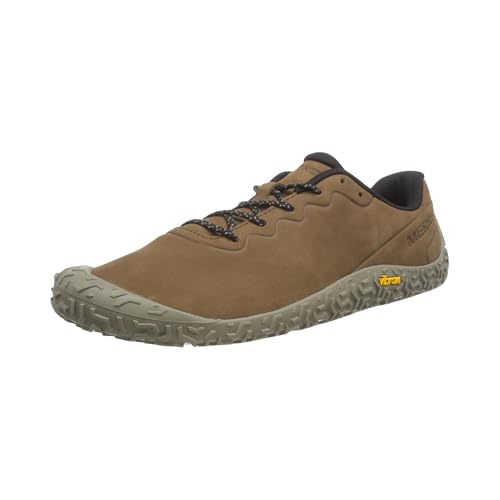
Merrell Vapor Glove 6: Best for true ground feel
The Vapor Glove is one of the only shoes that gets close to actual barefoot ground feel while still providing enough protection for daily use. The 6mm sole is flexible enough to fold in half, which lets the foot move naturally through every phase of stride. The minimal upper is so light you forget it is there, although that also means less foot lockdown for high mileage. This is not a high mileage shoe but it is the shoe to put on for technique work, easy recovery runs, and grass field intervals where ground feel matters. Best for short runs, gym work, and form drills.
Strengths
- Merrell’s leadership in the barefoot category continues with the Vapor Glove 6 Leather.
- These are the most minimal shoes Merrell creates, featuring a Vibram EcoStep outsole that
- The Vapor Glove 6 LTR offers maximum lightweight performance in minimalist trail running a

Altra Escalante 4: Best cushioned zero drop
The Escalante 4 is zero drop with substantial cushion, which is why traditional runners often pick it as their first foray into the Altra line. The 24mm of EGO foam absorbs road impact for long runs while keeping the foot in a natural neutral position. The knit upper is breathable and stretchy, accommodating toe splay without restriction. At around 9 ounces it is heavier than the Primus Lite but more cushioned and forgiving for daily mileage. Best for runners building up mileage who want zero drop without sacrificing cushion.
Strengths
- Go Further: Our original Altra EGO foam is designed to provide added energy return and a r
- To The MAX: Our Altra EGO MAX midsole foam gives you all the light and luxurious performan
- Get Comfortable: Signature Altra Balanced Cushioning and FootShape toe boxes allow your to
Buying considerations
What to consider
Start with stack height that matches your current shoe and goal. If you are coming from traditional running shoes with 30mm of cushion, jumping straight to a 6mm minimalist shoe almost guarantees calf and Achilles injuries. Start with a cushioned zero drop like the Escalante (24mm) for a few months, then move to mid stack options, and only then consider true minimalist shoes (under 10mm). Skipping these steps is the most common transition mistake.
What to consider
Toe box shape matters more than runners realize. Foot shaped toe boxes (Altra, Vivobarefoot, Xero) allow toes to splay during push off, which strengthens intrinsic foot muscles and reduces big toe pain. Conventional pointed toe boxes squeeze the forefoot and cause bunions over time. If you have wide feet or have had toe pain in running shoes, prioritize the foot shaped brands.
What to consider
Match the shoe to your terrain. Trail running requires more protection underfoot than road work, both for cushion against rocks and for traction on loose surfaces. The Lone Peak handles both. Road minimalism is fine in lighter, less cushioned shoes like the Primus Lite or HFS II. For pure form work and indoor training, the Vapor Glove gives you the most ground feel but is overkill for daily mileage.
Questions answered
Most runners need 4 to 8 weeks to transition without injury. Start with one mile at a time and add a half mile per week as calves and feet adapt. Skipping the transition is the most common cause of metatarsal stress fractures in new minimalist runners.
Yes once your feet are conditioned. Many ultramarathoners now race in Altra Lone Peaks or Vivobarefoot Primus shoes. The key is gradual mileage build up. Untrained feet will fatigue and stress fracture beyond about 6 miles.
Zero drop means the heel and forefoot sit at the same height (0mm difference) versus traditional running shoes with 8 to 12mm of heel raise. Zero drop encourages a midfoot or forefoot strike rather than a heel strike.
Yes, this is where minimalist shoes shine. The flat zero drop sole gives you stable contact with the floor for squats and deadlifts, which is why many lifters choose them over cushioned running shoes.
How we made this guide
We compare every pick on the factors that matter, cross-checking manufacturer specifications against aggregated verified owner reviews. We rank independently and never take payment for placement. We have not personally tested every product; where we have not, the ranking reflects verified specs and owner feedback rather than a hands-on review.
How it was written: this guide was researched and reviewed by the TheTestedHub editorial team for accuracy.
Affiliate disclosure: TheTestedHub is reader-supported. When you buy through links on our site, we may earn a commission at no extra cost to you.
Keep reading

Elliptical Shortlist: The Machines We’d Actually Buy

Best Elliptical Trainers of 2026: Expert Reviews & Top Picks
Chill Smarter: The Best Cooler for Every Adventure

Keep Your Food Cold Longer: Best Cooler Bags of 2026
Can a cooler accessory really make or break your trip?
What Camping Gear Balances Weight and Comfort Best?

Gear That Earns Its Place on the Trail
