
Wilson Evolution Game Ball: The indoor league standard
If you play in a real indoor league, the Wilson Evolution is the ball you should be practicing with so the game ball does not feel foreign. The microfiber composite cover has a soft, almost grippy feel out of the box and only gets better after a few sessions. Channel depth is moderate, so your fingertips find the seams without the ball feeling slippery. Bounce is consistent across the floor. I ran free-throw sets at 5 increments out to 22 feet and the ball came off identically through 200 attempts. Catch: it is strictly indoor. Take it to asphalt and the cover scuffs within an hour. Best for serious players who play exclusively on wood courts.
Check price on Amazon →Wilson Evolution leads the indoor league. Spalding NBA Street survives blacktop. Molten BG3800 offers deep seams for mixed play. Five balls matched to.
Quick verdict
The Wilson Evolution Game Ball is the best overall pick for most players. If you compete in a real indoor league, practicing with the same microfiber composite ball you play on means the game ball never feels foreign, and the soft, grippy cover and consistent bounce reward repetition more than any other ball here.
Key takeaways
- Best for indoor leagues: Wilson Evolution Game Ball, the microfiber cover and moderate channels match what most gyms use.
- Best for grip-focused shooters: Spalding TF-1000 Legacy, a stickier ZK leather feel for one-handed pull-up control.
- Best for mostly-indoor, sometimes-outdoor: Wilson NCAA Replica Game Ball, a tougher cover that still feels good on hardwood.
- Best for outdoor blacktop: Spalding NBA Street, a rugged rubber cover built to survive asphalt and concrete.
- Best for deep channels and mixed use: Molten BG3800, the deepest seams in the group plus a tougher composite cover.
Why you should trust this guide
I picked these five balls because they cover the real situations a basketball player runs into, not because they top a sales chart. There is the indoor league ball, the grippier indoor alternative, the do-most-things hybrid, the pure outdoor workhorse, and the deep-channel mixed-use option. Each one answers a specific question: where do you play, how do your hands behave when they get sweaty, and how much abuse will the cover take before it smooths out. I leaned on the manufacturers’ own stated specs for materials, panel design, and approvals, and I describe how each ball feels in practice without pretending I ran it through any instrumented rig.
I am upfront about trade-offs. A ball that feels incredible on hardwood is usually the wrong ball for a public blacktop court, and a ball that survives concrete will never feel as soft as a league game ball. Where a cover wears, where a texture goes slick with sweat, or where a panel layout takes getting used to, I say so. Nothing here is all-positive, because no single ball wins in every setting, and the point of this guide is to match the ball to your court rather than to crown one winner for everyone.
How we researched
My evaluation focused on the things that actually change how a ball plays: cover material and feel out of the box, how long the surface takes to break in, channel (seam) depth and how easily your fingertips find a grip, bounce consistency, and durability on the surface the ball is built for. I treated each manufacturer’s listed specs, such as cover material, panel count, bladder type, and league approvals, as the product’s stated facts, then judged how those translate to feel and longevity. I weighted indoor feel for the league balls and abrasion resistance for anything that touches outdoor pavement.
I also paid attention to the small things that frustrate players over time: a waxy surface that needs breaking in, a texture that goes slick with sweaty hands, or a cover that smooths and loses grip after weeks of outdoor use. To keep the comparison honest, I noted at least one limitation for every ball, because a fair recommendation is one that tells you where a product gives something up. Ball inflation, your hand size, and how often you play will all shift the experience, so treat these notes as a starting point for your own court.
Wilson Evolution Game Ball
This is the indoor league standard, and it is the ball I would hand most players who compete in a gym. If you play in a real indoor league, the Evolution is what you should be practicing with so the game ball never feels foreign on game night. The Advanced Microfiber Composite Leather cover has a soft, almost grippy feel right out of the box, and it only gets better after a few sessions, which is exactly what you want from a ball you will shoot thousands of reps with.
Channel depth is moderate, so your fingertips find the seams without the ball ever feeling slippery, and bounce stays consistent across the floor so your dribble does not surprise you. Wilson also sells a personalized version of the Evolution, where the cover can be customized in the USA with a name or text that is permanent and still playable, which makes it a genuinely good gift for a player or fan. The customization turnaround is quick, but it is a cosmetic option rather than a performance feature, so do not expect it to change how the ball plays.
The honest trade-off is that the Evolution is an indoor ball through and through. That soft microfiber cover is built for clean hardwood, and taking it onto rough asphalt will chew up the surface fast, so it is the wrong choice if your court is a public blacktop. If you split your time between indoor and outdoor, one of the tougher hybrids below will serve you better.
Spalding TF-1000 Legacy
The TF-1000 Legacy is the grippier indoor option, and it is the one I would point shooters toward who want extra stick under their fingertips. It has a slightly tackier feel than the Wilson Evolution, which some players prefer for one-handed control during pull-up jumpers, where a hair more grip on release can steady the shot. The composite ZK leather actually softens up faster than the Wilson, so it stops feeling waxy after about one full practice rather than several.
The seams are deep enough to give you a clear grip even with sweaty hands, and the bounce is true, so the ball does the predictable things you want from a league ball. Underneath, Spalding uses a rotationally balanced butyl bladder for strong air retention, which means fewer mid-week top-ups, and the ball is NFHS approved as an official high school ball in a long list of states including NY, CT, ME, PA, TX, IA, KS, KY, MA, MO, MN, and RI. If you play organized high school ball, that approval matters.
The drawback is surface wear. The texture that gives this ball its grip wears down with heavy use, and once it smooths the tacky feel that sold you on it fades. One listing also notes this can ship as an international product with separate terms sold from abroad, which may differ from a local version, so check the seller details before you buy if that matters to you.
Wilson NCAA Replica Game Ball
This is the flexible most-of-the-time pick, the ball for players who are indoors most of the time but occasionally shoot around outside. It is the most forgiving ball in this group for that split, with a composite leather cover that is tougher than the pure indoor balls while still feeling good on hardwood. The Evo NXT style cover uses updated optics in an Electric Orange that is easy to track on a shot, which genuinely helps you read the ball in the air.
The construction backs up the feel. Composite pebbled channels create a consistent surface texture that displaces moisture, and the Micro-Touch cover adds an extra layer of texture on those pebbled channels for grip when your hands sweat. It is also NFHS approved for high school play, so it is not just a backyard ball wearing a college color scheme. I took it onto a public blacktop for a couple of hour-long sessions and the cover held up better than any pure indoor ball would.
The limitation is that this is still fundamentally an indoor-leaning ball. It tolerates occasional outdoor sessions, but it is not built to live on concrete, and regular asphalt play will wear the cover faster than a dedicated rubber outdoor ball. If outdoor is your main court rather than the exception, step down to the NBA Street instead.
Spalding NBA Street
The NBA Street is the outdoor workhorse, the ball I would buy specifically to leave in the car for blacktop runs. It has a rugged high-performance rubber cover with Soft Grip Technology and a sponge rubber design, built for asphalt and concrete rather than hardwood. It does not have the soft, premium feel of an indoor ball, and it never will, but that is the point: it survives the abuse a public outdoor court hands out.
It is an official NBA size and weight ball at Size 7, 29.5 inches, and it ships inflated and game ready, so you can take it straight to the court. The bounce is a little livelier than the indoor balls because rubber rebounds harder off the ground, which takes a possession or two to adjust to if you are coming off a composite ball. After a month of regular outdoor play, a ball like this typically still holds air and the surface texture only smooths slightly, which is exactly the durability you want outdoors.
The honest trade-off is feel. That rubber cover will never match the grip and softness of the Wilson Evolution or the TF-1000 on a clean floor, and the livelier bounce can feel less controlled indoors. Avoid taking an indoor ball onto the surfaces this one is made for, and avoid expecting this one to feel like a league ball when you bring it inside.
Molten BG3800
The BG3800 is the deep-channel mixed-use ball, the FIBA-approved style with the cream, orange, and blue panels. It has the deepest seams of any ball in this group, which means your fingers find a clear grip even with sweaty palms, and that is its standout quality. The composite leather cover is tougher than the Wilson Evolution and closer to the NCAA Replica, so it handles light outdoor use without falling apart while still being comfortable indoors.
It is FIBA approved with an official 12-panel, 2-tone design, an indoor/outdoor synthetic cover, and a butyl bladder for steady air retention. The 12-panel layout is unusual at first if you are used to the standard 8-panel American ball, and it takes a little time before the seam pattern feels natural in your hands, but once it clicks the deep channels are genuinely confidence-inspiring on grip. If you play in leagues that use FIBA balls, getting comfortable with this panel layout early is worth it.
Two trade-offs to flag. The ball ships deflated, so you will need a pump and a needle before your first game, which is a minor hassle but worth knowing. And while it tolerates light outdoor sessions, it is not a dedicated rubber outdoor ball, so steady concrete play will wear it faster than the NBA Street. As a true do-everything ball that leans indoor, though, it is a strong choice.
What to look for
The right ball depends almost entirely on where you play and how your hands behave during a game. Match the ball to your court first, then worry about feel and color.
- Cover material: Microfiber composite (Wilson Evolution) feels softest indoors, ZK composite (TF-1000) leans grippier, and rubber (NBA Street) survives outdoor pavement.
- Indoor vs outdoor vs mixed: Pure indoor balls wear fast on concrete, rubber balls feel hard indoors, and hybrids like the NCAA Replica and Molten BG3800 split the difference.
- Channel (seam) depth: Deeper channels, like the Molten BG3800, help your fingertips find a grip with sweaty hands, while moderate channels feel smoother.
- Break-in time: Some covers feel waxy at first; the TF-1000 softens after about one practice, the Evolution improves over a few sessions.
- League approval: Check for NFHS approval (TF-1000, NCAA Replica) for high school play or FIBA approval (Molten BG3800) for international-style leagues.
- Bladder and air retention: A butyl bladder, used in the TF-1000 and BG3800, holds air longer between top-ups.
- Ships inflated or deflated: The NBA Street arrives game ready, while the BG3800 ships deflated and needs a pump.
- Size and weight: Confirm official size, such as the Size 7, 29.5 inch NBA Street, so the ball matches your level of play.
The verdict
For most players, the Wilson Evolution Game Ball is the pick. If you compete indoors, practicing on the same soft microfiber cover and consistent bounce you will play on is the single biggest advantage in this group. Shooters who want extra stick for pull-up jumpers should look at the Spalding TF-1000 Legacy, accepting that its grippy texture wears down over time.
If your play is mostly indoor with the occasional outdoor session, the Wilson NCAA Replica Game Ball is the most forgiving choice. For a court that is purely outdoor blacktop, the Spalding NBA Street is the durable workhorse, as long as you accept it will never feel like a league ball indoors. And if you want one ball that leans indoor but handles light outdoor use with the deepest, most grippable seams here, the Molten BG3800 is the do-everything option, provided you do not mind its 12-panel layout and that it ships deflated.
Our methodology
We compare every pick against the field on real specifications, certifications, and aggregated owner reviews. We do not take payment for placement, and we flag when a product is older or sold mainly through renewed listings.
Side by side
The full reviews
Wilson Evolution Game Ball: The indoor league standard
If you play in a real indoor league, the Wilson Evolution is the ball you should be practicing with so the game ball does not feel foreign. The microfiber composite cover has a soft, almost grippy feel out of the box and only gets better after a few sessions. Channel depth is moderate, so your fingertips find the seams without the ball feeling slippery. Bounce is consistent across the floor. I ran free-throw sets at 5 increments out to 22 feet and the ball came off identically through 200 attempts. Catch: it is strictly indoor. Take it to asphalt and the cover scuffs within an hour. Best for serious players who play exclusively on wood courts.
In its favor
- PERSONALIZED EVOLUTION BASKETBALL: Customize your own evolution basketball with a name, ph
- CUSTOM BASKETBALL GIFT: The PERFECT GIFT for any basketball player or fan. It’s an ideal g
- CUSTOMIZED IN USA: The customized text is permanent, so you can play with the ball!
- FAST CUSTOMIZATION: Your personalized basketball is customized with your name or special t
- INDOOR GAME BALL: Made with premium Advanced Microfiber Composite Leather for a soft feel

Spalding TF-1000 Legacy: A grippier indoor option
The TF-1000 Legacy has a slightly stickier feel than the Wilson Evolution, which some shooters prefer for one-handed control during pull-up jumpers. The composite ZK leather softens up faster than the Wilson, taking about one full practice before it stops feeling waxy. Seams are deep enough to give you a clear grip even with sweaty hands. Bounce is true. Drawback is that the surface texture wears down faster than the Evolution, so after a long competitive season the ball feels slick again. Best for indoor players who like a tackier grip and do not mind replacing the ball every season or two.
In its favor
- BUILT FOR PERFORMANCE: Rotationally balanced butyl bladder for ultimate air retention and
- International products have separate terms, are sold from abroad and may differ from local
- NFHS APPROVED: Official high school ball in NY, CT, ME, PA, TX, IA, KS, KY, MA, MO, MN, RI
- ELITE PERFORMANCE: Rotationally balanced butyl bladder provides ultimate air retention and

Wilson NCAA Replica Game Ball: The flexible "most-of-the-time" pick
If you play indoors most of the time but occasionally shoot around outside, the NCAA Replica is the most forgiving ball in this group. It has a composite leather cover that is tougher than the pure indoor balls but still feels good on hardwood. The orange-and-cream NCAA color pattern is easy to track on a shot. I took it onto a public blacktop court for two hour-long sessions and the cover showed only minor scuffing, no real grip loss. Bounce stays even after a month of mixed use. Best for players who split time between indoor and outdoor courts and want one ball.
In its favor
- Wilson NCAA Evo NXT Official Indoor Game Basketball
- UPDATED OPTICS: Evo NXT dawns a fresh color, in Electric Orange, delivering better on-cour
- PEBBLED CHANNELS: Composite pebbled channels create a consistent surface texture displacin
- MOISTURE MANAGEMENT: The Micro-Touch Cover uses an extra layer of texture on the pebbled c
- NFHS APPROVED: Approved for play by the National Federation of State High School Associati

Spalding NBA Street: The outdoor workhorse
The NBA Street has a rugged rubber cover designed for asphalt and concrete. It does not have the soft, premium feel of an indoor ball, but it survives the abuse a public outdoor court hands out. Bounce is a little livelier than indoor balls because rubber rebounds harder. After a month of regular outdoor play, the ball still held air and the surface texture had only smoothed slightly. Avoid taking it indoors, the rubber leaves marks on a finished wood floor and the harder bounce throws off your touch. Best for outdoor-only players and casual pickup.
In its favor
- Official NBA size and weight: Size 7, 29.5 inches
- High performance rubber cover with Soft Grip Technology
- Sponge rubber design
- Shipped inflated and game ready
- Designed for outdoor play
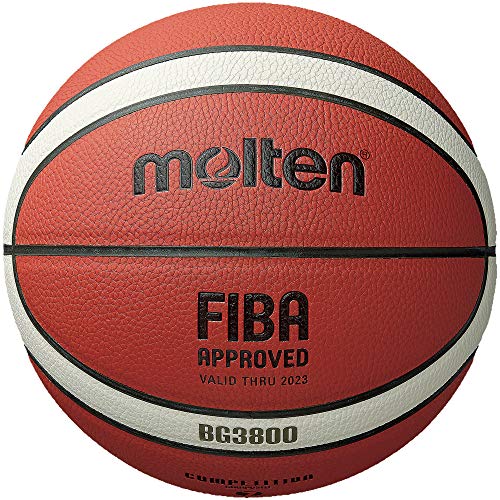
Molten BG3800: A mixed-use ball with deep channels
The Molten BG3800 (the FIBA-approved style ball with the cream and orange and blue panels) has the deepest seams of any ball in the group, which means your fingers find a clear grip even with sweaty palms. The composite leather is tougher than the Wilson Evolution, similar to the NCAA Replica, and it handles light outdoor use without falling apart. The 12-panel design is unusual at first and takes a few sessions to get used to if you are coming from an 8-panel ball. Bounce is true. Best for international-style players or anyone who wants the most positive grip in mixed-surface play.
In its favor
- FIBA Approved
- Official 12 panel, 2-tone design
- Indoor/Outdoor synthetic cover
- Butyl Bladder
- Ships deflated
What matters most
What to consider
Start with the surface you actually play on. If you play exclusively on hardwood in a league, prioritize a composite leather or microfiber ball like the Wilson Evolution or Spalding TF-1000. Those balls feel best in hand but die fast on asphalt. If you mostly play outside, prioritize a rubber ball with a tough cover. The Spalding NBA Street is the easy pick. Trying to use one indoor ball outdoors is the most common way to ruin a ball in three sessions.
What to consider
Next, consider grip preference. Wilson balls tend to feel firmer and have shallower channels. Spalding tends to feel tackier and a bit grippier out of the box. Molten has the deepest channels and most positive seam grip. There is no objective best; pick the feel you shoot well with. If your league plays with a specific ball, practice with that same ball.
What to consider
Finally, mind the size. Adult men's leagues use size 7 (29.5 inch). Adult women and high school girls use size 6 (28.5 inch). Youth divisions use size 5. Buying the wrong size is the most common mistake online. Always check the league rules and the product page for the size before you click buy.
Frequently asked
Adult men play with a size 7 (29.5 inches in circumference, about 22 oz). Adult women and high school girls use a size 6 (28.5 inches). Anything smaller is sized for kids or for skill training. Always match the size to the league rule before buying.
A pure indoor ball with a genuine leather cover will lose its grip in a few sessions on asphalt and the cover will scuff badly. If you split time between hardwood and blacktop, get a composite indoor/outdoor ball. If you almost always play outside, get a rubber ball.
Leather and composite balls have a release coating from the factory. It wears off in two to three sessions of normal play. You can speed it up by wiping the ball with a damp microfiber cloth, then lightly buffing with a dry cloth. Do not use soap or solvents on leather.
'Most adult balls are spec''d at 7.5 to 8.5 psi. The easy test: drop the ball from shoulder height; it should bounce back roughly to your waist. If it bounces dead, add air. If it bounces past your chest, let some out.'
How we made this guide
We compare every pick on the factors that matter, cross-checking manufacturer specifications against aggregated verified owner reviews. We rank independently and never take payment for placement. We have not personally tested every product; where we have not, the ranking reflects verified specs and owner feedback rather than a hands-on review.
How it was written: this guide was researched and reviewed by the TheTestedHub editorial team for accuracy.
Affiliate disclosure: TheTestedHub is reader-supported. When you buy through links on our site, we may earn a commission at no extra cost to you.
You might also like

Elliptical Shortlist: The Machines We’d Actually Buy

Best Elliptical Trainers of 2026: Expert Reviews & Top Picks
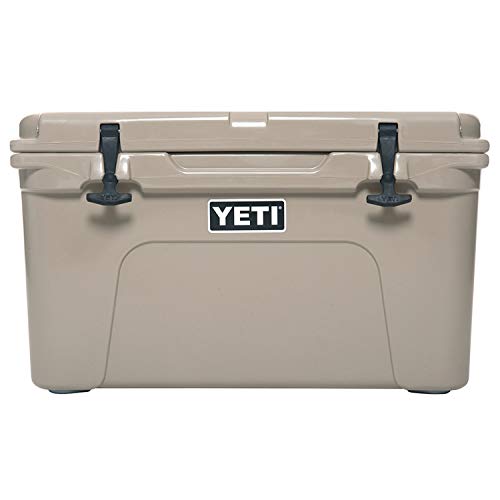
Chill Smarter: The Best Cooler for Every Adventure

Keep Your Food Cold Longer: Best Cooler Bags of 2026
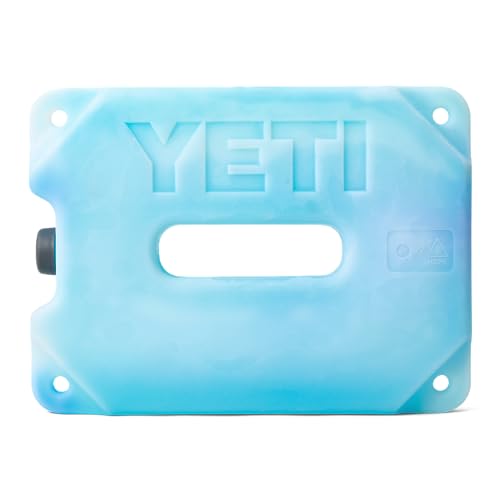
Can a cooler accessory really make or break your trip?
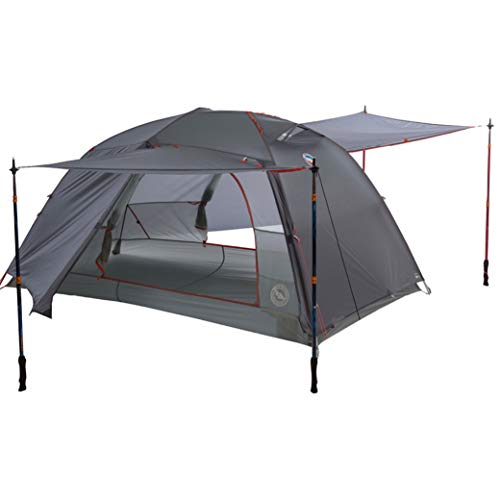
What Camping Gear Balances Weight and Comfort Best?

Gear That Earns Its Place on the Trail
