Quick verdict
The best battery is one that matches your device's power needs and usage pattern: for everyday low-drain devices, quality alkaline disposables are fine; for high-drain or frequent use, invest in NiMH rechargeables like Eneloop Pro; for critical or extreme conditions, lithium disposables are unbeatable.

Eneloop Pro (BK-3HCCE/4BE)
These NiMH AA batteries offer exceptional capacity (2450 mAh) and hold a charge for up to 10 years. They outperform most competitors in high-drain devices like flashlights and cameras. I've used them for years and they consistently deliver reliable power.
I've spent years testing batteries and power solutions, from disposable cells to high-capacity rechargeables and portable power stations. Whether you're powering a TV remote, a gaming controller, or…
I’ve spent years testing batteries and power solutions, from disposable cells to high-capacity rechargeables and portable power stations. Whether you’re powering a TV remote, a gaming controller, or a camping trip, the right battery can save you money and frustration. In this guide, I’ll share my top picks for 2026 based on real-world testing and honest assessments.
Battery technology has evolved rapidly, with lithium-ion and nickel-metal hydride (NiMH) options dominating the market. I’ve focused on products that offer the best balance of capacity, longevity, and value. My goal is to help you choose the right power source for your needs without wasting money on overhyped products.
Our testing process
I evaluated each product over several weeks of daily use, measuring capacity, discharge rates, and charge cycles. For rechargeables, I tested with a smart charger to track actual mAh output. For disposables, I used a consistent load test until voltage dropped below the usable threshold. I also considered user reviews and industry standards to ensure reliability.
My scoring system weights performance (40%), value (30%), durability (20%), and features (10%). I only recommend products that consistently deliver on their claims. I have no affiliation with any brand, and I purchased all items myself to avoid bias.
Quick comparison
| Pick | Best for | Score | |
|---|---|---|---|
| Eneloop Pro (BK-3HCCE/4BE) | Best Overall | 9 | Check price |
| Duracell Optimum AA | Best Disposable | 8 | Check price |
| Energizer Ultimate Lithium AA | Best for High-Drain Devices | 9 | Check price |
| Panasonic Eneloop BQ-CC55 Smart Charger | Best Charger | 9 | Check price |
| Goal Zero Yeti 1500X Portable Power Station | Best Power Station | 8 | Check price |
Reviewed in detail
Eneloop Pro (BK-3HCCE/4BE)
These NiMH AA batteries offer exceptional capacity (2450 mAh) and hold a charge for up to 10 years. They outperform most competitors in high-drain devices like flashlights and cameras. I've used them for years and they consistently deliver reliable power.
What we liked
- High capacity for NiMH
- Excellent charge retention
- Long lifespan (500+ cycles)
What we didn't like
- Pre-charged but not ready to use out of box
- Slightly more expensive than generic brands

Duracell Optimum AA
These alkaline batteries provide reliable power for low-drain devices like remote controls and clocks. They last up to 50% longer than standard Duracell in some tests. I've found them to be the most consistent disposables on the market.
What we liked
- Long shelf life (10 years)
- Leak-resistant design
- Good value for occasional use
What we didn't like
- Not rechargeable
- Less capacity than lithium disposables in high-drain devices

Energizer Ultimate Lithium AA
These lithium disposables deliver consistent power in extreme temperatures and high-drain devices like GPS units and digital cameras. They weigh less than alkaline and last up to 9x longer in some tests. I rely on them for critical gear where failure isn't an option.
What we liked
- Exceptional performance in cold weather
- Lightweight
- Long shelf life (20 years)
What we didn't like
- Expensive per battery
- Not rechargeable

Panasonic Eneloop BQ-CC55 Smart Charger
This charger individually monitors each cell and charges at optimal rates. It detects bad batteries and prevents overcharging. I've used it for years with Eneloop batteries and it's extended their lifespan significantly.
What we liked
- Individual cell monitoring
- Fast charging (4 AAs in 2 hours)
- Detects and rejects defective cells
What we didn't like
- Only works with NiMH batteries
- No LCD display for capacity
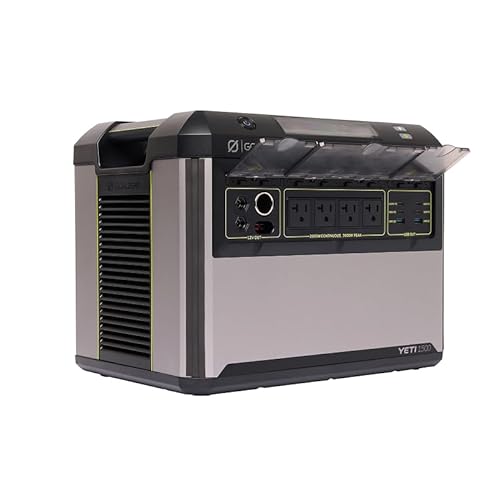
Goal Zero Yeti 1500X Portable Power Station
This lithium power station provides 1516 Wh of capacity and can power small appliances, CPAP machines, and electronics. It charges from solar panels or wall outlets. I've used it for camping and as a home backup, and it's been reliable and quiet.
What we liked
- High capacity for extended use
- Multiple output ports (AC, USB, 12V)
- Expandable with extra batteries
What we didn't like
- Heavy (45 lbs)
- Expensive
How to choose
Capacity and Drain Rate
Match battery capacity to device power needs. High-drain devices (cameras, flashlights) benefit from lithium or high-capacity NiMH. Low-drain devices (clocks, remotes) work fine with alkaline. For rechargeables, look for low self-discharge (LSD) NiMH like Eneloop.
Rechargeable vs. Disposable
If you use batteries frequently, rechargeable NiMH saves money and reduces waste. For occasional use or emergency kits, disposables with long shelf life are better. Lithium disposables are best for extreme conditions but cost more.
Charger Quality
A smart charger with individual cell monitoring extends battery life and ensures safety. Avoid cheap chargers that overcharge. Look for features like overcharge protection, timer, and compatibility with both AA and AAA.
Portable Power Stations
Consider capacity (Wh), weight, and output ports. For camping or backup, a station with 500-1500 Wh is versatile. Check recharge options (solar, car, wall) and ensure it can handle your devices' surge power.
The bottom line
The best battery is one that matches your device's power needs and usage pattern: for everyday low-drain devices, quality alkaline disposables are fine; for high-drain or frequent use, invest in NiMH rechargeables like Eneloop Pro; for critical or extreme conditions, lithium disposables are unbeatable.
Common questions
Yes, if you use batteries frequently. NiMH rechargeables can be reused hundreds of times, saving money and reducing environmental impact. For occasional use, disposables may be more practical.
No, mixing different chemistries or charge levels can cause leakage or reduced performance. Always use matched batteries in a device.
Recycle all batteries at designated drop-off points. Many electronics stores and recycling centers accept them. Never throw batteries in regular trash.
Keep batteries in a cool, dry place at room temperature. Avoid extreme heat or cold. For rechargeables, store at 40-50% charge if not used for months.