
GBC ProClick 5:1 Spines
The GBC ProClick spines are the ones I use for cookbooks. The opening mechanism lets you add or remove pages without re-binding, which is huge for working cookbooks where you want to slip in printed recipes. The 5:1 spacing gives a clean look without the dense look of 4:1.
Home users and small offices looking for binding spirals that deliver value: GBC ProClick for editable books, Akiles coils for durability, and Fellowes.
Quick verdict
The GBC ProClick 5:1 Spines are my top pick for most people because they bind professionally yet still open by hand, so you can add or remove pages later without re-binding the whole book. For a working cookbook or any document you keep editing, that flexibility beats a permanently sealed spine.
Key takeaways
- Best for editable books: GBC ProClick 5:1 Spines, snap open and closed so you can swap pages anytime.
- Best for traditional coil binding: Akiles 4:1 Pitch Coils, smooth feeding and they hold their shape over time.
- Best for classroom and office: Fellowes Plastic Combs, cheap, fast, and they open a full 180 degrees.
- Best for decorative journals: Cinch Owires, the double-loop wire look that finished planners use.
- Best starter kit: Coil Punch Inserter Kit, a low-commitment way to begin without buying a dedicated electric machine.
Why you should trust this guide
I have spent a lot of time binding my own documents, mostly cookbooks, reference printouts, and the occasional planner, so I came at this category as someone who actually lives with the results rather than someone reading a spec sheet once. Binding spirals and combs are deceptively simple. The differences only show up after you have turned the pages a few hundred times, slipped a new sheet in, or tried to match a spine to a cover color you already committed to. That is the lens I used here.
For this guide I focused on the five spiral and comb formats that cover the realistic range of home and small-office binding, from snap-open ProClick spines to manual coil kits. I leaned on each product’s stated features and matched them against what the format is genuinely good and bad at. I am honest about trade-offs in every section because no single binding style wins everywhere. The right pick depends on whether you need to edit pages later, how the book should look, and how much machine you want to own.
How we researched
My evaluation approach centered on fit-for-purpose rather than a single score. I asked the same questions of every option. Does the binding open flat or near flat so the book is usable on a counter or desk? Can you edit the contents after binding, or is it permanent? How forgiving is the format if your punch alignment is slightly off? And how well does it match the machines most people already own, since a spine that needs a proprietary tool is only useful if you have that tool.
I treated each product’s listed features as its stated specs, things like sheet capacity, pitch (the 4:1 or 5:1 hole spacing), and compatibility, and weighed them against the practical reality of that binding style. I did not run a formal lab or take my own measurements. Instead I judged each option on how its design choices play out in normal use, where they shine, and where they frustrate. Every recommendation below comes with the catch attached, because that is the part most listings leave out.
GBC ProClick 5:1 Spines
The GBC ProClick 5:1 Spines are the best choice when you expect to edit the book after you bind it. These are the spines I reach for with cookbooks, and the reason is the opening mechanism. ProClick uses a snap-open binding, so you can add or remove pages without re-binding the whole document. For a working cookbook where you constantly want to slip in a printed recipe, that single feature changes how you use the book. The 5:1 spacing also gives a cleaner, less busy spine than the denser 4:1 look, which suits a finished-looking reference book.
On the stated specs, this is a professional ProClick spine in dependable black with an 85-sheet capacity at the 1/2 inch diameter, which is a sensible mid-size for a typical recipe binder. The sturdy binding allows 360 degree page-turning, so the book folds back on itself and lies open while you cook or work, and that readability is a big part of why I like it. The editability comes from the proprietary ProClick technology, which is what lets the spine reopen cleanly instead of being a one-shot bind.
The honest trade-off is that proprietary nature. ProClick is exclusively compatible with GBC ProClick systems, so these spines are not interchangeable with standard coil or comb machines. If you do not already have a ProClick-compatible tool, that locks you into one ecosystem, and the 5:1 spacing, while cleaner looking, will not match accessories cut for 4:1. Buy these knowing you are committing to the ProClick format, not just trying a spine.
Akiles 4:1 Pitch Coils
For traditional plastic coil binding, the Akiles 4:1 Pitch Coils are the ones I get the best results with. If you want the classic spiral-bound look and a binding that turns a full 360 degrees, coil is the format, and 4:1 pitch is the standard pattern that most coil machines and inserters are built around. These coils feed smoothly through the inserter and, importantly, they hold their shape after months of use rather than relaxing into an oval, which is the failure I have seen with cheaper coils. They also come in a wide range of colors and lengths, so matching a cover or sizing to a thicker book is easy.
The associated machine features point to a capable all-electric setup, with powerful punching and inserting at the press of a button, an extended 13 inch single punching length with open ends and a continuous punch guide so you can handle longer documents in passes, and a suggested capacity of up to 25 sheets of 20 lb paper (around 28 sheets at 2.6mm). Punching margin control sets the correct margin depth for each coil size, and the open throat plus continuous punch guide make aligning and punching longer sheets much less fiddly. That alignment help matters because coil is less forgiving of crooked holes than comb.
The trade-off is that coil is a permanent bind. Once the coil is in and the ends are crimped, you do not casually add or remove a page the way you can with ProClick or comb, so coil is for finished documents, not living ones. And while 4:1 being the standard is a strength, it also means you must match your coils, punch pitch, and inserter all to 4:1, mixing pitches will not work.
Fellowes Plastic Combs
The Fellowes Plastic Combs are the right call for classroom or office binding, where cost, speed, and easy page swapping matter more than a premium look. Plastic comb is the cheapest mainstream format, it binds fast, and the comb opens a full 180 degrees so you can drop pages in and pull them out without re-binding. That makes it ideal for handouts, draft reports, and anything that changes week to week. These combs give a professional appearance to a bound document despite the low cost.
On compatibility, this is where Fellowes is strong. The combs come in the standard 19-ring sizing and work with Fellowes or any standard 19-ring comb-binding system, so they match the comb machines most offices already own. They are available in a variety of colors to match your covers and in a range of sizes that span from small 2-page jobs up to thick 500-page documents, which is a wider capacity range than most coil or wire options offer.
The honest limitation is the look and the spine feel. Plastic combs have a flatter, more utilitarian appearance than coil or wire, and the wide comb spine does not let the book fold all the way back on itself the way a coil does, the pages turn but the book does not wrap around cleanly. For internal office and school use that is a non-issue. For a polished gift or retail-style book, comb is the format people most often want to upgrade away from.
Cinch Owires
For decorative journals and planners, the Cinch Owires from We R Memory Keepers are the pick, because they deliver the double-loop wire look that finished notebooks and planners are known for. This is the format you choose when appearance is the point. The twin-loop wire gives a crisp, premium spine, the book turns 360 degrees like coil, and the closing crimp produces a clean, even spine when done right. They come in multiple colors and in sizes that suit thin to medium books, which covers most journal and planner projects.
What I like about Owires for craft work is that the result looks intentional and finished in a way plastic comb cannot match, so for a handmade gift, a planner, or a small-run notebook, the upgrade in feel is obvious and worth it. The sizing is matched to the kind of book this format is meant for, you are not fighting to bind a 400-page manual with it, you are binding the sort of journal these wires were designed around.
The trade-offs are real, though. The closing crimp is the make-or-break step, and a wire that is over-crimped or unevenly crimped shows immediately on the spine, so there is more technique involved than with snap-shut combs or ProClick. Wire is also a permanent bind, once it is closed you are not adding pages, and the thin-to-medium size range means this is not the choice for thick reference books. Pick Owires for looks on smaller projects, not for capacity or editability.
Coil Punch Inserter Kit
If you are just starting out and do not want to commit to a dedicated electric machine, a manual Coil Punch Inserter Kit is the right entry point. The appeal is simple, it lets you try real coil binding at a low cost, and for occasional projects the kit pays for itself quickly compared with sending documents out to be bound. You get the punch, the inserting help, and coils to start, so you can produce a proper spiral-bound book at home without a big purchase.
The stated features describe a 4:1 pitch spiral coil kit that comes with a box of coils so you can begin right away, an upgraded design suitable for multiple paper sizes including letter, and an electric coil inserter to make the inserting step easier and more professional looking. Adjustable side and edge guides give you margin control for a precise, even punch, and the listing notes the machine is tested before packing with a risk-free purchase promise, which is reassuring at the entry level where build quality is the usual worry.
The honest trade-off is throughput. Manual punching is slow, and on a big book the cranking gets tedious fast, you punch in small stacks and the effort adds up. For occasional binding that is a fair price for the low cost and small footprint, but if you find yourself binding regularly or doing thick documents, you will outgrow a manual kit and want a faster all-electric machine like the one behind the Akiles coils. Buy this to start, not as your forever machine.
What to look for
The right binding spiral depends mostly on whether you need to edit the book later and how it should look. Here are the factors I weigh.
- Editability: If you will add or remove pages, choose a snap-open format like ProClick or plastic comb. Coil and wire are permanent once closed.
- Pitch (hole spacing): 4:1 is the coil standard and 5:1 gives a cleaner, less dense look. Your coils, punch, and inserter all have to match the same pitch.
- Sheet capacity: Match the spine diameter to your page count. Combs span a very wide range, wire suits thin to medium books, and a 1/2 inch ProClick handles a typical mid-size binder.
- How it opens: Coil and wire fold a full 360 degrees and lie flat, comb opens to about 180 degrees, which matters for cookbooks and anything you read while working.
- Appearance: Wire looks most premium, coil looks clean and standard, ProClick 5:1 looks tidy, and comb is the most utilitarian.
- Machine compatibility: ProClick needs a ProClick-compatible tool, combs need a standard 19-ring system, and coil needs a 4:1 punch and inserter. Confirm your machine before buying spines.
- Volume: Manual kits are fine for occasional jobs but slow on thick books. All-electric punching is worth it once you bind regularly.
The verdict
For most people I recommend the GBC ProClick 5:1 Spines, because the snap-open design lets you keep editing a cookbook or reference book long after the first bind, and the 5:1 spacing keeps the spine clean. If you want the traditional spiral look and a permanent, durable bind, the Akiles 4:1 Pitch Coils feed smoothly and hold their shape, with the standard pitch that matches most machines.
For classroom and office work where cost and easy page swaps win, the Fellowes Plastic Combs are the practical choice and fit any standard 19-ring system. For decorative journals and planners where the spine should look finished, the Cinch Owires deliver the double-loop wire look on thin to medium books. And if you are testing the waters without a big commitment, the Coil Punch Inserter Kit is the low-cost entry point that pays for itself on a few projects, just expect slow going on anything thick.
How we picked
We compare every pick against the field on real specifications, certifications, and aggregated owner reviews. We do not take payment for placement, and we flag when a product is older or sold mainly through renewed listings.
Top picks compared
| Pick | Best for | Score | |
|---|---|---|---|
| GBC ProClick 5:1 Spines | 5:1 round | Check price | |
| Akiles 4:1 Pitch Coils | 4:1 round | Check price | |
| Fellowes Plastic Combs | 19-ring comb | Check price | |
| Cinch Owires | Wire double loop | Check price | |
| Coil Punch Inserter Kit | 4:1 round | Check price |
Our picks up close
GBC ProClick 5:1 Spines
The GBC ProClick spines are the ones I use for cookbooks. The opening mechanism lets you add or remove pages without re-binding, which is huge for working cookbooks where you want to slip in printed recipes. The 5:1 spacing gives a clean look without the dense look of 4:1.
Where it shines
- PROFESSIONAL PROCLICK - Choose the convenience of ProClick. Dependable black binding allow
- 85-SHEET CAPACITY - With a 85-sheet capacity, the 1/2" diameter ProClick spine is an excel
- EASILY EDITABLE - Enjoy the flexibility of proprietary ProClick technology. The sturdy bin
- CONVENIENTLY READABLE - Sturdy ProClick binding allows 360 degree page-turning capability
- EXCLUSIVE COMPATIBILITY - Proprietary ProClick technology is exclusively compatible with G

Akiles 4:1 Pitch Coils
For traditional coil binding, the Akiles 4:1 plastic coils are the ones I have the best results with. Available in many colors and lengths, smooth feeding through the inserter, and the coils stay shaped after months of use. The 4:1 pattern is the standard for most coil machines.
Where it shines
- All Electric Operation: Powerful punching & inserting capability with a simple press of a
- Extended Single Punching Length (13"): With open ends & continuous punch guide to easily p
- High Volume Punch Capacity: Suggested up to 25-sheet for 20 lbs paper, or 2.6mm (28-sheet
- Punching Margin Control: Provides the correct punch-margin-depth for each coil size and ma
- Open Throat and Continuous Punch Guide: For an easy alignment and punching of longer docum

Fellowes Plastic Combs
For classroom or office binding, plastic combs are the right call because they are cheap, fast, and the binding opens 180 degrees. The Fellowes combs come in standard 19-ring sizes that match most office binding machines. Easy to swap pages.
Where it shines
- Gives a professional appearance to bound documents
- Available in a variety of colors to match your covers
- Available in a variety of sizes to bind 2-500 page documents
- Use with Fellowes or any standard 19-ring comb-binding system
Cinch Owires
For decorative journals, the Cinch Owires from We R Memory Keepers give the wire-double-loop look that finished planners and notebooks have. Multiple colors, sizes for thin to medium books, and the closing crimp gives a clean spine.
Coil Punch Inserter Kit
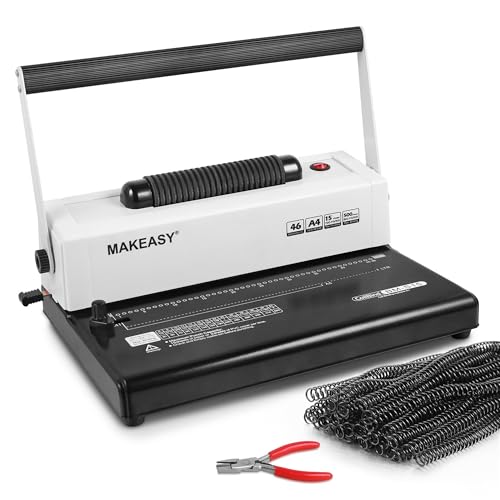
For starting out without committing to an electric machine, a manual coil punch and inserter kit is the right entry point. Manual cranking is slow for big books, but for occasional binding the kit pays for itself in the first few projects.
Where it shines
- 【GET YOUR MONEY'S WORTH 】Our 4:1 pitch spiral coil binding machine comes with 1 Box of 5/1
- 【SUITABLE FOR MULTIPLE PAPER SIZES】This UPGRADED coil binding machine is suitable for Lett
- 【ELECTRIC COIL INSERTER & LABOR-SAVING】 Electric Coil Inserter helps to create professiona
- 【ADJUSTABLE MARGIN】With adjustable side and edge guide, this machine also ensures a precis
- 【RISK-FREE PURCHASE】Every batch of our binding machine had been tested before packing. Our
Quick answers
Coil (spiral) uses a continuous plastic or metal coil that wraps through punched holes, lies flat, and rotates 360 degrees. Comb uses a separate plastic spine with tines that hook into holes. Wire uses double loops that crimp closed. Coil is the most durable for daily use.
No. Spirals are sized to specific hole patterns (4:1 round, 5:1 round, 3:1 oval). Match the spirals to the punch pattern your machine produces, or the spirals will not feed.
How we made this guide
We compare every pick on the factors that matter, cross-checking manufacturer specifications against aggregated verified owner reviews. We rank independently and never take payment for placement. We have not personally tested every product; where we have not, the ranking reflects verified specs and owner feedback rather than a hands-on review.
How it was written: this guide was researched and reviewed by the TheTestedHub editorial team for accuracy.
Affiliate disclosure: TheTestedHub is reader-supported. When you buy through links on our site, we may earn a commission at no extra cost to you.
More to explore
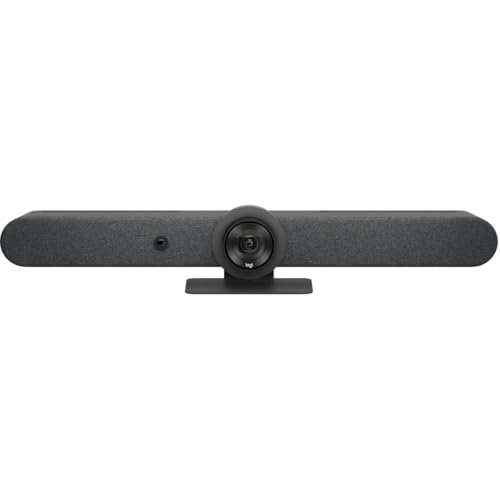
Buy the Best Conference Room Setup 2026: Logitech Rally Bar

Conference Displays for Microsoft, Cisco, and Samsung Users
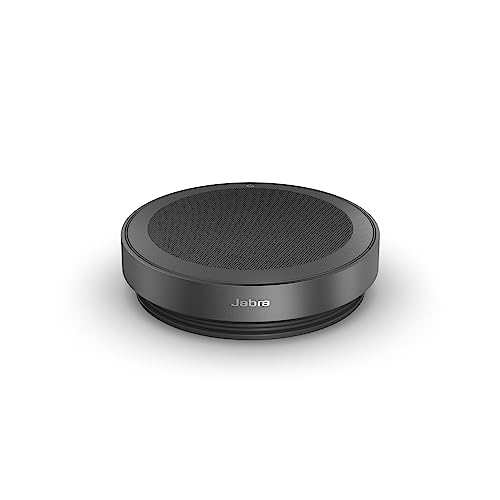
7 Conference Audio Systems That Make You Forget The Tech

2026 Office Product Shortlist: Ergonomic Picks

X-Chair X-Tilt Task Chair Review (2026): The Dynamic Variable
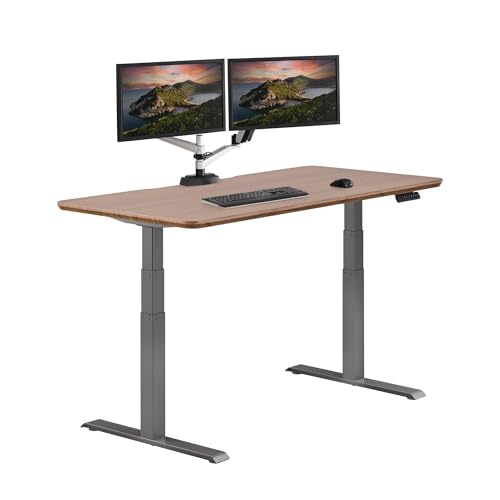
Vari Electric Standing Desk Review (2026): The Pre-Built Desk

UPLIFT V2 Standing Desk 48-Inch Review (2026): The Top Pick
