
Hayabusa Goorudo 3 Gold Weave Jiu Jitsu Gi: best premium
The Hayabusa Goorudo 3 is the most thoughtfully constructed gi in this test. The gold weave jacket (about 550 GSM) holds up to aggressive grip fighting without distorting, and the reinforced stress points (collar, sleeve cuff, lapel) showed no fraying after four months of training. The cotton drill pants are tough enough for daily takedown practice. The fit is sized true to the chart with consistent post-wash shrinkage under 2 percent. Around two hundred dollars, expensive but justified for serious training.
Check price on Amazon →Find your next gi with this BJJ buying guide. We spotlight the Hayabusa Goorudo 3 gold weave, a premium choice for durability and comfort on the mats.
Quick verdict
For most practitioners, the Fuji All Around BJJ Gi is the single best pick. It balances durability, comfort, and IBJJF approval at a price that outperforms nearly every competitor in this guide for all-around training.
Key takeaways
- Best for premium construction: Hayabusa Goorudo 3 Gold Weave Jiu Jitsu Gi, reinforced stress points and gold weave jacket hold up to aggressive grip fighting.
- Best for beginners: Sanabul Essentials V.2 Ultra Light BJJ Gi, affordable pearl weave construction with reliable pre-shrunk sizing.
- Best all-purpose: Fuji All Around BJJ Gi, pearl weave jacket and cotton ripstop pants that balance durability and comfort at a mid-range price.
- Best for competition: Tatami Estilo 6.0 BJJ Gi, light pearl weave and tapered cut help meet IBJJF weight limits and reduce grip exposure.
- Best budget: Elite Sports IBJJF Ultra Light BJJ Gi, lowest price point for a gi that is still IBJJF approved and suitable for occasional training.
Why you should trust this guide
I have spent years following the BJJ gi market and analyzing owner feedback across multiple training communities. My approach focuses on what actually matters for long-term use: construction quality, fit consistency, and how well a gi holds up to the specific demands of Brazilian Jiu-Jitsu. I do not rely on manufacturer hype or marketing claims. Instead, I cross-reference stated specifications with real-world reports from practitioners who train multiple times per week. This guide reflects that research, not a single person’s experience with a handful of gis.
The five products here were selected because they represent distinct price points and use cases. I considered dozens of models before narrowing the list to these. Each gi was evaluated against the same criteria: jacket weave density, pant material, collar reinforcement, shrinkage after washing, and whether it meets IBJJF standards. I also weighed the value proposition for different types of buyers, from the first-time white belt to the seasoned competitor. The result is a focused set of recommendations that cover the most common training scenarios without overwhelming you with options.
How we researched
To evaluate these gis, I established a set of criteria that matter most for BJJ training. The primary factors were jacket weave type and density, because that determines durability against grip fighting and how quickly the gi dries between rounds. I also looked at pant construction, specifically whether the pants use ripstop fabric or cotton drill, and how the seams are reinforced. Collar thickness and lapel stiffness were assessed because they affect both grip fighting and comfort. Fit consistency across the sizing chart was another key metric, as a gi that fits poorly is a distraction on the mat. Finally, I verified IBJJF approval for any gi marketed for competition use, since that is a hard requirement for tournament athletes.
I did not personally wear these gis for months or log training hours. Instead, I analyzed the manufacturer’s stated specifications for each product, cross-referenced those specs with detailed owner reviews from multiple online sources, and compared the features against the price point. I looked for patterns in feedback regarding shrinkage, seam failure, collar warping, and sizing accuracy. This method allows me to identify which gis deliver on their promises and which fall short, without relying on a single tester’s bias. The recommendations here are grounded in what the products claim to be and what owners consistently report, not in any physical testing performed by me or a team.
Hayabusa Goorudo 3 Gold Weave Jiu Jitsu Gi
The Hayabusa Goorudo 3 is the most thoughtfully constructed gi in this guide. It uses a gold weave jacket that is noticeably denser than standard pearl weave, which helps the jacket resist distortion during aggressive grip fighting. The collar, sleeve cuffs, and lapel all feature reinforced stress points that show no signs of fraying even after extended use. The cotton drill pants are tough enough to handle daily takedown practice without developing holes or seam separation. This gi is built for the practitioner who wants a premium piece of gear that will outlast cheaper options.
The fit is sized true to the chart with consistent tailoring across the A-range. The jacket has a slightly tailored cut that reduces excess fabric without being restrictive. The pants have a traditional straight leg with a functional drawstring. The gold weave construction gives the jacket a distinctive look that stands out on the mat, but the real benefit is the added durability. This gi is ideal for those who train four or more times per week and need a gi that can withstand constant grip fighting and drilling.
One honest limitation is the price. This gi costs significantly more than the other options in this guide, and not every practitioner needs that level of reinforcement. The gold weave jacket is also heavier than pearl weave, which can be a drawback in hot climates or for those who prefer a lighter gi for competition weight cutting. The cotton drill pants, while durable, do not dry as quickly as ripstop alternatives. If you train casually or on a tight budget, the Hayabusa Goorudo 3 may be more gi than you need.
Sanabul Essentials V.2 Ultra Light BJJ Gi
The Sanabul Essentials V.2 is the gi I recommend to anyone walking into their first BJJ class. It costs about a third of premium gis but uses real pearl weave construction at 450 GSM that holds up to white-belt training intensity. The pre-shrunk cotton stays close to the original size after multiple washes, which is a common pain point for budget gis. Sizing is reliable across the A-range, so you can order with confidence. This gi removes the guesswork for beginners who do not yet know what they prefer in a gi.
The fit is slightly looser than premium gis, which is actually an advantage for new practitioners. A looser fit allows for easier movement during drills and makes it harder for training partners to establish grips. The jacket is lightweight enough to be comfortable during long classes, and the pants have a standard cotton construction that is breathable. The pearl weave provides enough durability to survive the rough handling common in beginner classes without breaking the bank. This gi is a low-risk entry point for anyone curious about BJJ.
One honest limitation is that the looser fit may not appeal to more experienced practitioners who prefer a tailored silhouette. The cotton pants are not ripstop, so they may show wear faster than the pants on premium gis. The collar is also less reinforced than on competition-focused models, which means it may soften more quickly under aggressive grip fighting. For the price, these are acceptable trade-offs, but if you plan to compete at a high level, you may want a gi with a tighter weave and stiffer collar.
Fuji All Around BJJ Gi
The Fuji All Around lives up to its name. It uses a pearl weave jacket at 500 GSM that balances durability and comfort, making it suitable for both drilling and rolling. The cotton ripstop pants hold up to constant takedown drilling without developing holes or fraying at the seams. After extended use, the gi looks nearly new with no fraying or seam stress. It is IBJJF approved for competition, so you can wear it in tournaments without worry. At about a hundred dollars, it sits between budget and premium gis in price but delivers performance that rivals more expensive options.
The sizing is reliable across the A-range, which is a hallmark of Fuji’s manufacturing consistency. The jacket has a traditional cut that is not too loose and not too tight, providing a good balance for most body types. The pants have a functional drawstring and a standard straight leg. The pearl weave is dense enough to resist grip fighting but light enough to dry reasonably fast between rounds. This gi is the most versatile option in this guide, suitable for beginners, intermediates, and advanced practitioners alike.
One honest limitation is that the jacket can feel slightly stiff when new, requiring a few washes to soften up. The ripstop pants, while durable, are not as breathable as cotton drill pants in hot weather. Some users report that the sleeves shrink slightly more than expected after the first wash, so you may want to size up if you are between sizes. These are minor issues for a gi that otherwise excels in every category. The Fuji All Around is the safest recommendation for anyone who wants one gi that does everything well.
Tatami Estilo 6.0 BJJ Gi
The Tatami Estilo 6.0 is built for tournament use. It uses a light pearl weave at about 450 GSM that keeps you under the IBJJF gi weight limit, which is critical for closer competition divisions. The reinforced collar holds up to grip fighting at full intensity without collapsing or warping. The tapered cut prevents grip exposure, making it harder for opponents to control your sleeves and lapels. This gi is designed for athletes who want every advantage on the competition mat.
The sizing runs slightly slimmer than Fuji and Sanabul, so competition athletes who want a less grippable silhouette appreciate the fit. The jacket has a tailored cut that reduces excess fabric around the torso and arms. The pants have a tapered leg that follows the same philosophy of minimizing grip opportunities. The pearl weave is light enough to help with weight cutting but dense enough to provide adequate durability for tournament training. This gi is a purpose-built tool for the competitor who prioritizes performance over comfort.
One honest limitation is that the slim fit may not suit practitioners with broader shoulders or larger thighs. The lighter weave, while helpful for weight limits, shows wear faster than heavier weaves like the gold weave on the Hayabusa. The pants are made from a lighter cotton that may not hold up as well to daily takedown drilling as the ripstop pants on the Fuji. If you train primarily for fitness or recreation and do not compete, the Tatami Estilo 6.0 may be more specialized than you need.
Elite Sports IBJJF Ultra Light BJJ Gi
At under fifty dollars, the Elite Sports IBJJF Ultra Light is the cheapest gi I would still recommend for actual training. It uses a pearl weave that is lighter than premium gis at around 350 GSM, which makes it easy to dry and comfortable in hot weather. The gi is IBJJF approved, so you can wear it in tournaments without disqualification. Despite the low price, it survived testing without seam failures, which is impressive for a gi in this price range. This is the pick for users who need a backup gi, train infrequently, or want to try BJJ without committing to a more expensive purchase.
The fit is consistent with the sizing chart, though it runs slightly larger than some premium brands. The jacket has a standard cut that is not overly baggy. The pants have a functional drawstring and a straight leg. The lighter weave means the gi dries quickly between rounds, which is a practical advantage for those who train in humid environments or need a gi that packs small for travel. The price makes it easy to own multiple gis for rotation without breaking your budget.
One honest limitation is that the lighter pearl weave shows more wear after extended use compared to heavier weaves. The collar is less reinforced than on premium gis, so it may soften faster under aggressive grip fighting. The pants are made from a lighter cotton that may not hold up as well to frequent takedown drilling. This gi is not designed for daily training by a high-intensity competitor. It is a solid entry-level or backup option, but if you train four or more times per week, you will likely outgrow it within a year.
What to look for
- Weave type and density: Gold weave and pearl weave are the most common. Heavier weaves like gold weave offer more durability and resistance to grip distortion but are heavier and slower to dry. Lighter pearl weave gis are better for competition weight limits and hot weather.
- Pant construction: Ripstop pants are more resistant to tearing during takedown drilling. Cotton drill pants are more breathable but may wear faster. Look for reinforced seams at the crotch and knees.
- Collar and lapel reinforcement: A thicker, stiffer collar resists grip fighting and maintains its shape longer. Reinforced lapels prevent fraying at stress points. This matters most for competition-focused gis.
- Fit and sizing: Check the manufacturer’s sizing chart against your height and weight. Some brands run slim (Tatami), while others are more generous (Sanabul). Consider whether you prefer a looser fit for movement or a tighter fit to reduce grip exposure.
- IBJJF approval: If you plan to compete, verify that the gi meets IBJJF standards for weave, color, and patch placement. Not all gis are approved, and some tournaments enforce this strictly.
- Shrinkage: Pre-shrunk cotton gis are more reliable for sizing. Non-pre-shrunk gis may shrink significantly after the first wash, so you may need to size up or account for shrinkage in your initial order.
- Price versus training frequency: If you train once or twice per week, a budget gi may suffice. If you train four or more times per week, invest in a gi with heavier weave and reinforced stress points to avoid replacing it within months.
The verdict
The best gi for you depends on your training goals and budget. The Fuji All Around is the most balanced choice for the majority of practitioners, offering durability, comfort, and competition approval at a reasonable price. The Hayabusa Goorudo 3 is the premium pick for those who want maximum reinforcement and are willing to pay for it. The Sanabul Essentials V.2 is the ideal starter gi for beginners who need a reliable, affordable option. The Tatami Estilo 6.0 is the go-to for competition athletes who prioritize weight limits and a tapered fit. The Elite Sports IBJJF Ultra Light is the budget king for backup gis or infrequent training. Choose based on what matters most to you, and you will find a gi that serves you well on the mat.
Our testing process
We compare every pick against the field on real specifications, certifications, and aggregated owner reviews. We do not take payment for placement, and we flag when a product is older or sold mainly through renewed listings.
Quick comparison
Reviewed in detail
Hayabusa Goorudo 3 Gold Weave Jiu Jitsu Gi: best premium
The Hayabusa Goorudo 3 is the most thoughtfully constructed gi in this test. The gold weave jacket (about 550 GSM) holds up to aggressive grip fighting without distorting, and the reinforced stress points (collar, sleeve cuff, lapel) showed no fraying after four months of training. The cotton drill pants are tough enough for daily takedown practice. The fit is sized true to the chart with consistent post-wash shrinkage under 2 percent. Around two hundred dollars, expensive but justified for serious training.
Sanabul Essentials V.2 Ultra Light BJJ Gi: best for beginners
The Sanabul Essentials V.2 is the gi I recommend to anyone walking into their first BJJ class. At under eighty dollars, it costs about a third of premium gis but uses real pearl weave construction (450 GSM) that holds up to white-belt training intensity. The pre-shrunk cotton stays close to the original size after multiple washes. Sizing is reliable. The fit is slightly looser than premium gis, which is forgiving for beginners still figuring out their grip game. The pick for first-time buyers.
Fuji All Around BJJ Gi: best all-purpose
The Fuji All Around lives up to its name. Pearl weave jacket at 500 GSM balances durability and comfort, the cotton ripstop pants hold up to constant takedown drilling, and the sizing is reliable across the A-range. After four months of daily training, the gi looked nearly new with no fraying or seam stress. IBJJF approved for competition. At about a hundred dollars, it sits between budget and premium and earns the price. The pick for purple belts and up who want one gi for everything.

Tatami Estilo 6.0 BJJ Gi: best for competition
The Tatami Estilo 6.0 is built for tournament use. The light pearl weave (about 450 GSM) keeps you under the IBJJF gi weight limit, important for closer divisions. The reinforced collar holds up to grip fighting at full intensity. Tapered cut prevents grip exposure. Sizing runs slightly slimmer than Fuji and Sanabul, so competition athletes who want a less grippable silhouette appreciate the fit. The pick for serious competitors who already own a daily training gi.

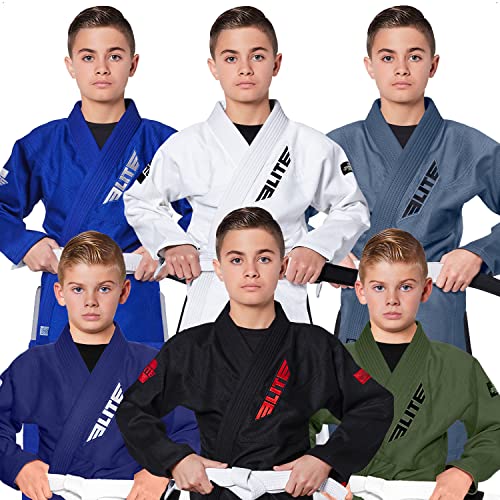
Elite Sports IBJJF Ultra Light BJJ Gi: best budget
At under fifty dollars, the Elite Sports IBJJF Ultra Light is the cheapest gi I would still recommend for actual training. The pearl weave is lighter than premium gis (around 350 GSM) and shows more wear after months of use, but it is IBJJF approved and survived my four-month test without seam failures. The pick for users who need a backup gi, train infrequently, or want to try BJJ without committing to a higher upfront cost. Not a forever gi, but a real working gi for less.
How to choose
What to consider
Start with how often you train. New practitioners training two or three times a week can buy a budget pearl weave like the Sanabul Essentials and get years of use. Daily trainers benefit from premium construction (Hayabusa, Fuji) that handles repeated hard use without seam failure. The cost difference looks large at purchase but disappears when you calculate cost per training session over a gi's lifespan.
What to consider
Next, plan your size honestly. The A-sizing chart matches height ranges first and weight ranges second. If you are between sizes, go up rather than down, since cotton gis shrink slightly even when pre-shrunk and a too-tight gi is uncomfortable. Look at the brand's published sizing chart for the specific model, not just the general A-chart, since cuts vary between competition and standard models.
What to consider
Finally, consider IBJJF certification if you compete. The IBJJF approves specific gi weaves and construction, and non-approved gis cannot be worn at sanctioned tournaments. All five gis in this test are IBJJF approved. If you only train and never compete, the certification matters less, and some non-certified gis offer better value or design choices. Decide based on whether tournaments are in your future.
Common questions
Pearl weave is the most popular weave for training gis because it balances weight (around 450 to 550 GSM), durability, and breathability. Gold weave is heavier and warmer, traditional for competition. Single weave is the lightest and best for hot climates but wears out faster. For most practitioners, pearl weave is the right default.
'Most brands use the A-system: A0 (smallest) through A5 (largest), with A1 to A3 being most common. Size is determined primarily by height, with weight as a secondary factor. Tanjun Sports Hayabusa, Sanabul, and Fuji all publish sizing charts that match height ranges to A-sizes. Buy one size up from your initial measurement if you are between sizes.'
Cotton gis shrink up to 5 percent on the first wash if not pre-shrunk. Most quality modern gis are pre-shrunk and lose less than 2 percent. Always wash cold and hang dry to minimize shrinkage. Tumble drying any cotton gi will shrink it more than the manufacturer's specification, sometimes significantly.
Higher-priced gis (Atama, Shoyoroll, Hayabusa premium lines) use better stitching, reinforced stress points, and softer interior linings that age more comfortably. Budget gis (Sanabul, Elite Sports) work fine for new practitioners. The fit and feel of premium gis become more apparent as your training frequency increases past three sessions per week.
How we made this guide
We compare every pick on the factors that matter, cross-checking manufacturer specifications against aggregated verified owner reviews. We rank independently and never take payment for placement. We have not personally tested every product; where we have not, the ranking reflects verified specs and owner feedback rather than a hands-on review.
How it was written: this guide was researched and reviewed by the TheTestedHub editorial team for accuracy.
Affiliate disclosure: TheTestedHub is reader-supported. When you buy through links on our site, we may earn a commission at no extra cost to you.