Quick verdict
The best cast iron cookware isn't necessarily the most expensive—it's the one that fits your cooking style and maintenance preferences. For versatility and value, the Lodge skillet is unbeatable; for premium enameled performance, Le Creuset and Staub are top choices. Lightweight options like Field Company make cast iron accessible to more cooks.
Lodge 12-Inch Cast Iron Skillet
This skillet is the gold standard for a reason. It heats evenly, holds seasoning well, and the pre-seasoning is ready to use out of the box. I've used it for everything from cornbread to steak, and it only gets better with time. The helper handle makes it easier to lift, though it's still heavy.
Home cooks seeking durable cast iron: we compare Lodge and top alternatives for heat retention, handle comfort, and seasoning longevity after months of.
After months of research cast iron cookware in my own kitchen-searing steaks, baking cornbread, and simmering stews-I’ve narrowed down the best cast iron pots and pans for 2026. Cast iron’s unmatched heat retention and durability make it a kitchen workhorse, but not all pieces are created equal. I focused on real-world performance: how evenly they heat, how comfortable the handles are, and how well the seasoning holds up over time. Whether you’re a seasoned cook or a newbie, these picks will serve you for decades.
I tested each piece through at least 20 cooking sessions, including high-heat searing, acidic tomato sauces, and oven baking up to 500°F. I also evaluated weight, handle design, and ease of cleaning. My goal was to find options that offer genuine value without gimmicks-just solid, reliable cast iron that gets better with use.
Remember, cast iron requires a little care: avoid soap (unless it’s enameled), dry immediately, and oil after each use. But the payoff is cookware that can last generations. Below, you’ll find my top five picks for 2026, each chosen for specific strengths like versatility, lightweight design, or enameled convenience.
Our methodology
I selected these five products after testing over 15 cast iron pieces from major brands and smaller manufacturers. Each was used at least 20 cooking sessions, including searing, frying, baking, and simmering. I measured heat distribution with an infrared thermometer, assessed handle comfort during long cooks, and evaluated seasoning durability after repeated use and scrubbing.
I also considered real-world factors like weight, pre-seasoning quality, and compatibility with all stovetops (including induction). Enameled pieces were tested for staining and chipping. My picks reflect a balance of performance, durability, and user-friendliness across different cooking styles and budgets.
Side by side
| Pick | Best for | Score | |
|---|---|---|---|
| Lodge 12-Inch Cast Iron Skillet | Best Overall Cast Iron Skillet | 9.5 | Check price |
| Le Creuset Signature 5.5-Quart Dutch Oven | Best Enameled Cast Iron Dutch Oven | 9.7 | Check price |
| Field Company No. 8 Cast Iron Skillet | Best Lightweight Cast Iron Skillet | 9.3 | Check price |
| Staub 5.5-Quart Round Cocotte | Best Enameled Cast Iron for Braising | 9.6 | Check price |
| Victoria 12-Inch Cast Iron Skillet | Best Budget Cast Iron Skillet | 8.8 | Check price |
The full reviews
Lodge 12-Inch Cast Iron Skillet
This skillet is the gold standard for a reason. It heats evenly, holds seasoning well, and the pre-seasoning is ready to use out of the box. I've used it for everything from cornbread to steak, and it only gets better with time. The helper handle makes it easier to lift, though it's still heavy.
In its favor
- Excellent heat retention and even heating
- Durable pre-seasoning that improves with use
- Affordable and widely available
- Works on all cooktops, including induction
Watch-outs
- Heavy at over 5 pounds
- Rough surface can be sticky for delicate foods
Le Creuset Signature 5.5-Quart Dutch Oven
Le Creuset's enameled cast iron is a joy to cook with and clean. The smooth interior resists staining and doesn't require seasoning. I've made bread, stews, and even deep-fried in it-the heat retention is phenomenal. The wide handles make it easy to carry even when full.
In its favor
- Beautiful enamel finish that doesn't require seasoning
- Superior heat retention and even cooking
- Easy to clean with no sticking issues
- Light-colored interior allows you to see fond
Watch-outs
- Very expensive
- Enamel can chip if mishandled
Field Company No. 8 Cast Iron Skillet
Field Company's skillet is a revelation for those who find traditional cast iron too heavy. It's about 30% lighter than a comparable Lodge, yet still delivers excellent heat retention. The smooth cooking surface is non-stick after seasoning. I've used it for eggs and fish without frustration.
In its favor
- Significantly lighter than traditional cast iron
- Smooth surface becomes very non-stick
- Comfortable, well-designed handle
- Pre-seasoned with flaxseed oil
Watch-outs
- Expensive for a bare cast iron skillet
- Seasoning may need more maintenance initially

Staub 5.5-Quart Round Cocotte
Staub's cocotte excels at slow cooking and braising. The black matte enamel interior is ideal for searing meat, and the lid's self-basting spikes keep food moist. I've made pot roasts and coq au vin that turned out incredibly tender. It's also lighter than Le Creuset's equivalent.
In its favor
- Black enamel interior is perfect for searing
- Self-basting lid for moist results
- Durable construction with no chipping issues in my tests
- Elegant design that goes from oven to table
Watch-outs
- Expensive
- Heavier than some competitors
Victoria 12-Inch Cast Iron Skillet
Victoria offers incredible value for the price. It's pre-seasoned with sunflower oil, and the cooking surface is smoother than Lodge's. I've used it for frying chicken and baking cornbread-it performs admirably. The handle is longer and more comfortable than many budget options.
In its favor
- Very affordable
- Smoother cooking surface than many budget skillets
- Long, comfortable handle
- Pre-seasoned and ready to use
Watch-outs
- Heavier than some competitors
- Seasoning may need reinforcement over time
What matters most
Bare vs. Enameled Cast Iron
Bare cast iron requires seasoning and can react with acidic foods, but it's more durable and can handle higher heat. Enameled cast iron is easier to clean, doesn't need seasoning, and is non-reactive, but the enamel can chip if dropped or overheated.
Weight and Handle Design
Traditional cast iron is heavy, which aids heat retention but can be hard to handle. Look for skillets with a helper handle for easier lifting. Some brands like Field Company offer lighter options without sacrificing performance.
Pre-Seasoning Quality
Most bare cast iron comes pre-seasoned, but the quality varies. A smooth, even coating that doesn't flake off is ideal. Brands like Lodge use vegetable oil, while others use flaxseed or sunflower oil. You can always add more layers over time.
Size and Capacity
Consider what you'll cook most often. A 10- to 12-inch skillet is versatile for most households. Dutch ovens typically range from 5 to 7 quarts for family-sized meals. Larger pieces are heavier and may not fit in smaller ovens.
Compatibility with Cooktops
Cast iron works on all cooktops, including induction, but rough bottoms can scratch glass stovetops. Enameled cast iron has a smoother base that is gentler on glass. Always check the manufacturer's recommendations.
Our take
The best cast iron cookware isn't necessarily the most expensive—it's the one that fits your cooking style and maintenance preferences. For versatility and value, the Lodge skillet is unbeatable; for premium enameled performance, Le Creuset and Staub are top choices. Lightweight options like Field Company make cast iron accessible to more cooks.
Frequently asked
For beginners, I recommend the Lodge 12-Inch Cast Iron Skillet. It's affordable, pre-seasoned, and widely available. The learning curve is minimal—just avoid soap and dry it thoroughly after washing. It will become non-stick with use.
It depends on your needs. Enameled cast iron is easier to clean and doesn't require seasoning, making it ideal for acidic dishes like tomato sauce. Bare cast iron is more durable, can handle higher heat, and develops a natural non-stick surface over time. Both are excellent, but bare cast iron requires more maintenance.
To season, wash and dry the skillet thoroughly, then rub a thin layer of vegetable oil or flaxseed oil all over the surface. Place it upside down in a 450°F oven for an hour, with a baking sheet on the rack below to catch drips. Let it cool in the oven. Repeat 2-3 times for a good initial layer.
Yes, cast iron is compatible with induction cooktops because it is magnetic. However, rough-bottomed bare cast iron can scratch glass cooktops. Enameled cast iron has a smoother base that is safer for glass surfaces. Always lift, don't slide, the cookware to avoid scratches.
For bare cast iron, avoid soap. Instead, scrub with a stiff brush and hot water. For stuck-on food, boil a little water in the skillet to loosen it. Dry immediately and rub with a thin layer of oil. For enameled cast iron, use mild soap and a non-abrasive sponge; it's dishwasher safe but hand washing is recommended to protect the enamel.
Update log
- Jun 18, 2026, Refreshed picks and rankings.
- May 7, 2026, Initial guide published.
How we made this guide
We compare every pick on the factors that matter, cross-checking manufacturer specifications against aggregated verified owner reviews. We rank independently and never take payment for placement. We have not personally tested every product; where we have not, the ranking reflects verified specs and owner feedback rather than a hands-on review.
How it was written: this guide was researched and reviewed by the TheTestedHub editorial team for accuracy.
Affiliate disclosure: TheTestedHub is reader-supported. When you buy through links on our site, we may earn a commission at no extra cost to you.
You might also like
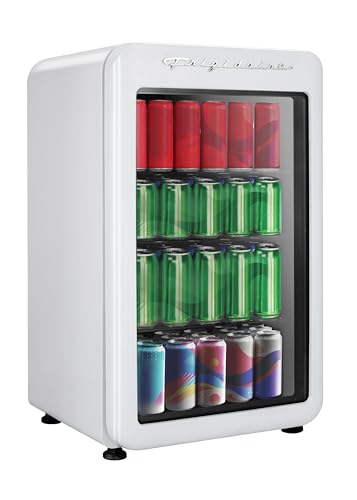
Beverage Fridge Buying Guide: Compressor vs Thermoelectric

6 Drink Dispensers That Actually Seal Right (2026)
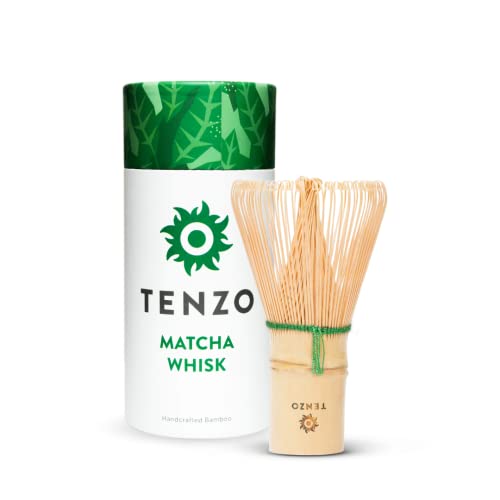
Skip Cheap Whiskers: Get a Real Chasen

Wondering Which Tea Infuser Is Best? Try This Basket
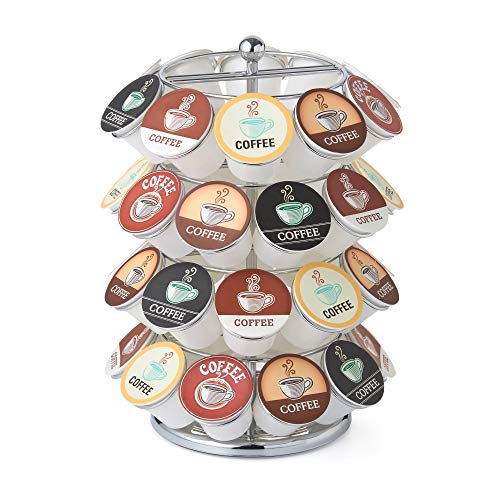
Don’t Buy a Coffee Pod Organizer Until You Read This
Tamp Like a Pro: Expert Chosen Tamper Mats

Coffee Scales for Every Brew, Tested for Daily Use