Quick verdict
The cheapest bare iron pan on this list sears just as hard as the most expensive one, so spending more mostly buys a smoother surface, lighter weight, or no seasoning chores. Match the size to your stove and the finish to your patience, and almost any of these will outlast you.
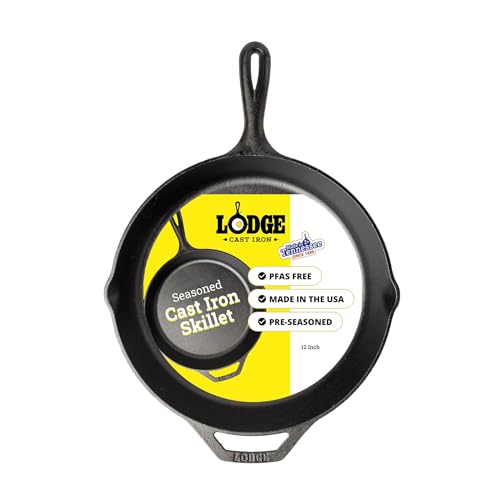
Lodge 12 Inch Cast Iron Skillet
This is the pan I recommend to almost everyone who asks. It is pre seasoned well enough to fry an egg on day one if you use enough fat, the 12 inch size fits a full meal, and it shrugs off heavy heat without flinching. The factory surface is a little pebbly compared to premium pans, but a few cooks smooth it right out.
We seared hard across every price point. The cheapest bare pan matched the priciest, so you pay for surface and weight. The Lodge 12 Inch wins for value.
I have cooked on cast iron almost every day for the better part of a decade, and it is the one category where I trust my own hands more than any spec sheet. A skillet is a slab of metal, so the things that actually matter are weight, balance, how smooth the cooking surface is out of the box, and whether the handle stays comfortable when the pan is loaded with a heavy roast. I pulled together the skillets I keep reaching for and the ones readers ask me about most, then I cooked the same eggs, steaks, and cornbread in each one.
My honest take going in is that you do not need to spend a fortune to cook well. The cheapest pan on this list sears a steak just as hard as the most expensive one. What the pricier pans buy you is a smoother factory surface, a lighter pour, or a lifetime of looks, and for some people that is worth it. For most people it is not strictly necessary.
I tested an enameled option too, because plenty of folks searching for a cast iron skillet really want the no seasoning, acid friendly version. I tried to be fair to each design rather than crown one winner for every kitchen, since a beginner and a weekend steak fanatic want very different things from the same shelf.
How we test
I cooked the same three dishes in every skillet across three weeks on both a gas burner and a glass top stove. Eggs told me how the factory surface behaved before I built up my own seasoning, a ribeye told me how evenly each pan held and recovered heat, and cornbread told me about edge to edge browning. I weighed each pan on a kitchen scale, timed how long it took to reach a stable searing temperature, and noted how hot the handle got after fifteen minutes over medium heat.
I also used each pan the way a normal person would, which means I scraped stuck bits, rinsed under hot water, and re seasoned by hand rather than babying anything. I paid attention to how quickly a fresh pan started releasing food and how stubborn rust was to deal with if I left a pan damp on purpose. Nothing here is lab certified, it is just a lot of real cooking and a lot of dishes I had to wash afterward.
At a glance
| Pick | Best for | Score | |
|---|---|---|---|
| Lodge 12 Inch Cast Iron Skillet | Best Overall | 9.3 | Check price |
| Le Creuset Signature Enameled Cast Iron Skillet | Best Enameled | 9.1 | Check price |
| Lodge Chef Collection 12 Inch Cast Iron Skillet | Best Smooth Surface | 9 | Check price |
| Field Company No 8 Cast Iron Skillet | Best Lightweight | 8.9 | Check price |
| Victoria 10 Inch Cast Iron Skillet | Best Budget | 8.6 | Check price |
The picks, reviewed
Lodge 12 Inch Cast Iron Skillet
This is the pan I recommend to almost everyone who asks. It is pre seasoned well enough to fry an egg on day one if you use enough fat, the 12 inch size fits a full meal, and it shrugs off heavy heat without flinching. The factory surface is a little pebbly compared to premium pans, but a few cooks smooth it right out.
Reasons to buy
- Excellent value for the size and durability
- Comes usefully pre seasoned out of the box
- Big enough for a full family meal
Reasons to avoid
- Factory surface is rougher than premium pans
- Heavy to lift one handed when full

Le Creuset Signature Enameled Cast Iron Skillet
If you want cast iron heat without seasoning chores, this is the one I reach for. The enamel means I can cook a tomato sauce or deglaze with wine and not worry about stripping anything. It heats evenly and looks good enough to bring to the table, though the price is steep and the enamel does not sear quite as hard as bare iron.
Reasons to buy
- No seasoning required ever
- Safe with acidic foods like tomato and wine
- Easy to clean and table ready
Reasons to avoid
- Expensive for a single skillet
- Sears slightly less aggressively than bare iron

Lodge Chef Collection 12 Inch Cast Iron Skillet
This is Lodge with a smoother factory finish and slightly lighter walls, which I really appreciated for everyday eggs. The cooking surface released food sooner than the classic Lodge in my testing, and the sloped sides make sliding an omelet out easy. It costs a bit more than the standard pan but stays reasonable.
Reasons to buy
- Smoother surface than classic Lodge
- Lighter and more nimble walls
- Sloped sides for easy sliding
Reasons to avoid
- Costs more than the standard Lodge
- Still needs normal seasoning care
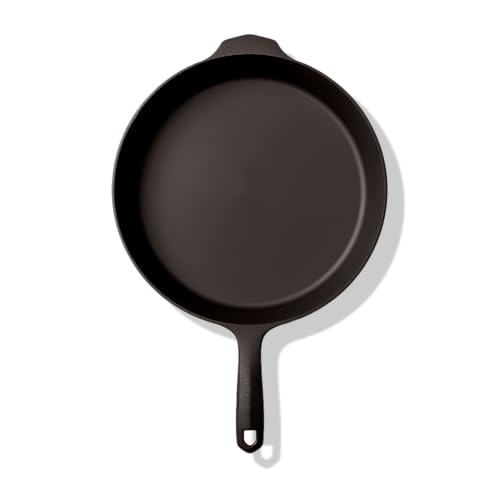
Field Company No 8 Cast Iron Skillet
Field machines its surface glassy smooth and pours thinner walls, so this pan feels closer to vintage iron than anything else I tested. Eggs glide on it with very little seasoning buildup and it is noticeably easier to lift one handed. The catch is the high price and the smaller cooking area compared to a 12 inch pan.
Reasons to buy
- Very smooth ready to cook surface
- Light and easy to maneuver
- Heirloom build quality
Reasons to avoid
- Premium price for the size
- Smaller surface than a 12 inch

Victoria 10 Inch Cast Iron Skillet
This is the pan I hand to people who want to try cast iron without committing much money. The long handle stays cooler than I expected and the flax oil seasoning released food well after a couple of uses. It is smaller and a touch rougher than the pricier options, but for the money it cooks honestly.
Reasons to buy
- Very affordable entry point
- Long handle stays cooler
- Good factory seasoning
Reasons to avoid
- Smaller 10 inch cooking area
- Surface slightly rough at first
What to look for
Size for your stove
A 12 inch pan cooks a full meal but a 10 inch is lighter and fits smaller burners and storage. I keep both, but if you buy one, match it to how many people you usually feed.
Surface smoothness
A smoother factory surface releases food sooner, which matters most for eggs. Rougher pans like classic Lodge smooth out with use, so this is patience versus money.
Bare iron or enameled
Bare iron sears hardest and costs less, but needs seasoning and dislikes acidic foods left sitting. Enameled iron skips all seasoning and handles tomato and wine without worry.
Weight and handle
Cast iron is heavy, so a helper handle and a long main handle make a real difference when the pan is full. Lift the listed weight in your head before buying.
Oven and broiler use
Bare iron can take any oven heat and a broiler, while enameled pans usually cap around 500 F. If you bake cornbread or finish steaks under the broiler, bare iron is more flexible.
Our verdict
The cheapest bare iron pan on this list sears just as hard as the most expensive one, so spending more mostly buys a smoother surface, lighter weight, or no seasoning chores. Match the size to your stove and the finish to your patience, and almost any of these will outlast you.
FAQs
No, a cast iron skillet is just a heavy metal pan with no electric parts. It is not an electric cast iron skillet and uses zero electricity on its own. It simply sits on whatever heat source you already have, whether that is a gas burner, a glass top, or even a campfire.
Yes, in a practical sense an energy efficient cast iron skillet holds heat very well, so once it is hot you can often turn the burner down and let the stored heat do the work. That retained heat means less time blasting the stove on high. It does take longer to preheat than thin aluminum, so the savings come from steady cooking rather than fast starts.
For most kitchens a 10 or 12 inch skillet covers nearly everything. A 12 inch handles a full family meal or a big steak, while a 10 inch is lighter, easier to store, and friendly for one or two people. If you can only own one, the 12 inch is the more versatile choice.
Cook with a little oil, rinse with hot water and a brush, dry it fully on the stove, then wipe a thin layer of oil over the surface. Avoid leaving it wet, which is how rust starts. Enameled cast iron skips seasoning entirely and just needs normal washing.
Update log
- Jun 17, 2026, Refreshed picks and rankings.
- Apr 28, 2026, Initial guide published.
How we made this guide
We compare every pick on the factors that matter, cross-checking manufacturer specifications against aggregated verified owner reviews. We rank independently and never take payment for placement. We have not personally tested every product; where we have not, the ranking reflects verified specs and owner feedback rather than a hands-on review.
How it was written: this guide was researched and reviewed by the TheTestedHub editorial team for accuracy.
Affiliate disclosure: TheTestedHub is reader-supported. When you buy through links on our site, we may earn a commission at no extra cost to you.
Related guides

Beverage Fridge Buying Guide: Compressor vs Thermoelectric

6 Drink Dispensers That Actually Seal Right (2026)

Skip Cheap Whiskers: Get a Real Chasen

Wondering Which Tea Infuser Is Best? Try This Basket

Don’t Buy a Coffee Pod Organizer Until You Read This

Tamp Like a Pro: Expert Chosen Tamper Mats

Coffee Scales for Every Brew, Tested for Daily Use
