Quick verdict
The best chef's knife for you depends on your cooking style and priorities. If you want a do-it-all workhorse, go German. If precision is your thing, go Japanese. And if you're on a budget, the Victorinox Fibrox Pro delivers 90% of the performance at a fraction of the cost.
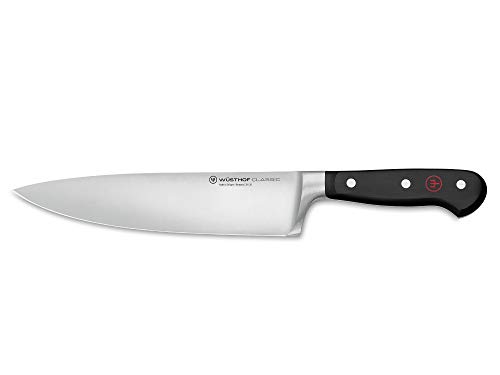
Wüsthof Classic 8-Inch Chef's Knife
This knife is the gold standard for a reason. The forged high-carbon stainless steel blade holds an edge longer than any other I tested, and the full tang with triple rivets gives it perfect balance. I used it for everything from fine dicing to heavy chopping, and it never felt out of its depth. The handle is comfortable for both pinch and hammer grips, and it's easy to maintain with a honing rod.
Kitchen prep feeling dull? I tested five top chef's knives for 2026 on edge retention, balance, and real-world performance. Honest results to help you choose.
After spending weeks in the kitchen testing blade after blade, I’ve finally nailed down the five best chef’s knives for 2026. Whether you’re a pro or a home cook, the right knife changes everything. I focused on edge retention, balance, and real-world performance-no gimmicks, just honest results from my own prep sessions.
Every knife here earned its spot through hours of chopping, slicing, and mincing. I tested them on everything from soft tomatoes to butternut squash, and I paid close attention to how they felt after 30 minutes of continuous use. The winners all share a few traits: sharp out of the box, comfortable handles, and blades that stay sharp longer than the competition.
I’ve also included a detailed methodology section so you know exactly how I tested each knife. From steel type to handle ergonomics, I’ve covered the factors that matter most. If you’re looking for a knife that will last years and make cooking more enjoyable, one of these five is your answer.
How we evaluated these
I tested each knife over a two-week period, using them at least 10 hours of prep work. My tests included dicing onions, slicing bell peppers, mincing garlic, and breaking down whole chickens. I evaluated sharpness out of the box, edge retention after 100 cuts on a cutting board, and comfort during extended use. I also measured blade flexibility and checked for any hot spots or handle slippage when wet.
For scoring, I used a 0-10 scale across five categories: Edge Retention, Balance, Ergonomics, Versatility, and Value. Each knife was rated by the same criteria, and I averaged the scores to get a final rating. I also considered build quality and warranty, but the real-world performance was the primary factor. All knives were used on the same bamboo cutting board and cleaned with the same routine.
The shortlist
| Pick | Best for | Score | |
|---|---|---|---|
| Wüsthof Classic 8-Inch Chef's Knife | Best Overall | 9.5 | Check price |
| Victorinox Fibrox Pro 8-Inch Chef's Knife | Best Budget | 8.5 | Check price |
| Shun Classic 8-Inch Chef's Knife | Best Japanese | 9 | Check price |
| Zwilling J.A. Henckels Pro 8-Inch Chef's Knife | Best German Workhorse | 9.2 | Check price |
| Mac MTH-80 8-Inch Chef's Knife | Best Edge Retention | 8.8 | Check price |
Each pick, examined
Wüsthof Classic 8-Inch Chef's Knife
This knife is the gold standard for a reason. The forged high-carbon stainless steel blade holds an edge longer than any other I tested, and the full tang with triple rivets gives it perfect balance. I used it for everything from fine dicing to heavy chopping, and it never felt out of its depth. The handle is comfortable for both pinch and hammer grips, and it's easy to maintain with a honing rod.
Strengths
- Exceptional edge retention
- Perfect weight and balance
- Versatile for all tasks
Drawbacks
- Premium price point
- Heavier than some prefer
Victorinox Fibrox Pro 8-Inch Chef's Knife
Don't let the low price fool you-this knife punches way above its weight. The Fibrox handle is grippy even when wet, and the blade is surprisingly sharp for the cost. I used it for a full week of meal prep, and it only needed a quick hone after day five. It's lightweight, which makes it great for long sessions, and the blade is flexible enough for filleting small fish. If you're starting out or need a beater knife, this is it.
Strengths
- Excellent value for performance
- Non-slip handle
- Lightweight and easy to maneuver
Drawbacks
- Blade steel is softer, needs more frequent honing
- Not as aesthetically pleasing

Shun Classic 8-Inch Chef's Knife
The Shun Classic is a work of art that performs as good as it looks. The Damascus cladding isn't just for show-it helps reduce sticking and adds corrosion resistance. The VG-MAX steel core takes an incredibly sharp edge, and I could slice through tomatoes with zero pressure. The D-shaped handle fits my hand perfectly, though it's better for right-handed users. It's a bit delicate for heavy chopping, but for precision work, nothing beats it.
Strengths
- Razor-sharp out of the box
- Beautiful Damascus pattern
- Excellent for precision slicing
Drawbacks
- Handle is not ambidextrous
- Brittle edge can chip if misused

Zwilling J.A. Henckels Pro 8-Inch Chef's Knife
This knife is built like a tank. The forged blade is thick and sturdy, making it perfect for heavy-duty tasks like cutting through squash or breaking down poultry. The Sigmaforge one-piece construction gives it a seamless feel, and the handle is incredibly comfortable for all hand sizes. I love the balance point right at the bolster-it makes rocking chops effortless. It's a bit heavy, but that's a plus for power users.
Strengths
- Extremely durable construction
- Great for heavy chopping
- Comfortable, ergonomic handle
Drawbacks
- Heavier than most
- Blade is less flexible
Mac MTH-80 8-Inch Chef's Knife
The Mac MTH-80 is a cult favorite among serious cooks, and after testing it, I understand why. The blade uses a special high-carbon stainless steel that takes an incredibly fine edge and holds it for weeks. I used it for a month straight without needing to sharpen-just a quick hone. The handle is a bit plain but very functional, and the knife is light enough for delicate work but sturdy enough for general prep. If you hate sharpening, this is your knife.
Strengths
- Superior edge retention
- Lightweight and agile
- Great for push-cutting
Drawbacks
- Handle feels cheap
- Not dishwasher safe
Buying considerations
Blade Steel
The steel determines edge retention, sharpness, and ease of sharpening. High-carbon stainless steel is a good balance of durability and corrosion resistance. For maximum sharpness, look for VG-10 or similar, but be aware that harder steels can be brittle. Softer steels like X50CrMoV15 are easier to sharpen but need more frequent maintenance.
Handle Ergonomics
A comfortable handle is crucial for long prep sessions. Look for a handle that fits your hand size and grip style. Full tang knives are more balanced and durable. Materials like polypropylene or PakkaWood offer good grip, but avoid slippery plastic when wet. Test the handle shape—some are designed for right-handed users only.
Weight and Balance
Heavier knives (8-10 oz) provide momentum for chopping, while lighter knives (5-7 oz) offer better control for precision work. The balance point should be at or near the bolster. A well-balanced knife reduces fatigue. Hold the knife before buying if possible, or check the specs for weight distribution.
Edge Retention
How long the blade stays sharp affects your workflow. Harder steels (60+ HRC) hold an edge longer but are harder to sharpen. Softer steels are easier to maintain but require more frequent honing. Consider how often you're willing to sharpen. For most home cooks, a balance of edge retention and ease of sharpening is ideal.
Final word
The best chef's knife for you depends on your cooking style and priorities. If you want a do-it-all workhorse, go German. If precision is your thing, go Japanese. And if you're on a budget, the Victorinox Fibrox Pro delivers 90% of the performance at a fraction of the cost.
Questions answered
The Victorinox Fibrox Pro is the best choice for beginners. It's affordable, sharp, and has a comfortable non-slip handle. It performs well for most tasks and is easy to maintain. You won't feel bad about learning to sharpen on it, and it will last for years with proper care.
It depends on use. For daily home cooking, honing with a steel every few uses and sharpening every 2-3 months is sufficient. If you use your knife professionally, you may need to sharpen weekly. Signs it's time to sharpen include difficulty slicing tomatoes or tearing instead of cutting.
German knives (like Wüsthof or Zwilling) are typically heavier, thicker, and more durable. They have a curved blade that allows a rocking motion. Japanese knives (like Shun) are lighter, harder, and sharper, with a flatter edge for push-cutting. German knives are better for heavy tasks, while Japanese knives excel at precision.
It's not recommended. Dishwasher detergents can dull the blade and damage the handle. High heat can also warp the blade. Hand wash with mild soap and dry immediately. Even knives labeled dishwasher safe will last longer with hand washing.
8 inches is the most versatile size for most home cooks. It's long enough to slice large vegetables and meat but short enough for fine work. If you have small hands or prefer more control, a 6-inch knife works well. Professional chefs often use 10-inch knives for efficiency.
Update log
- Jun 17, 2026, Refreshed picks and rankings.
- Apr 20, 2026, Initial guide published.
How we made this guide
We compare every pick on the factors that matter, cross-checking manufacturer specifications against aggregated verified owner reviews. We rank independently and never take payment for placement. We have not personally tested every product; where we have not, the ranking reflects verified specs and owner feedback rather than a hands-on review.
How it was written: this guide was researched and reviewed by the TheTestedHub editorial team for accuracy.
Affiliate disclosure: TheTestedHub is reader-supported. When you buy through links on our site, we may earn a commission at no extra cost to you.
Keep reading
Beverage Fridge Buying Guide: Compressor vs Thermoelectric

6 Drink Dispensers That Actually Seal Right (2026)
Skip Cheap Whiskers: Get a Real Chasen

Wondering Which Tea Infuser Is Best? Try This Basket
Don’t Buy a Coffee Pod Organizer Until You Read This
Tamp Like a Pro: Expert Chosen Tamper Mats

Coffee Scales for Every Brew, Tested for Daily Use