Quick verdict
The best commercial frying pan is the one matched to your dominant task: heavy-gauge aluminum nonstick for fast high-volume cooking, clad stainless for even heat and pan sauces, and cast iron when searing heat retention matters most.
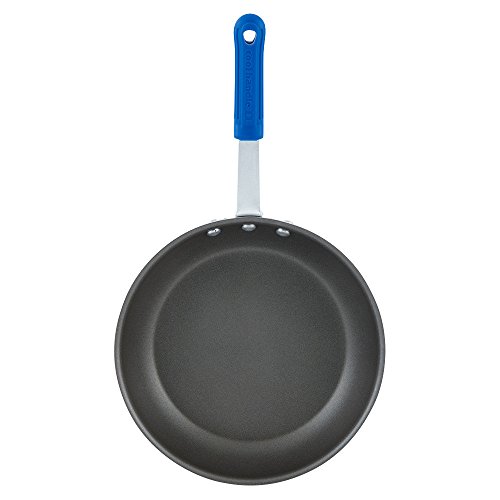
Vollrath 12" Wear-Ever Fry Pan with PowerCoat 2 Interior
This Vollrath earned my top spot because it felt the most like genuine line equipment without punishing me to use it. The heavy-gauge aluminum heated fast and stayed flat under hard use, and the PowerCoat 2 interior released food cleanly batch after batch. The Cool Handle stayed comfortable even after long stretches on a hot burner. It is the pan I reached for most when I wanted speed and reliability together.
The Vollrath Wear-Ever led my two-month test of restaurant-style fry pans. See how they handled searing, sauteing, and deglazing without warping.
I spent the better part of two months cooking out of restaurant-style fry pans in my own kitchen, and I came away with a strong opinion: a commercial frying pan is not just a fancier version of what you already own. It is a different category of tool built around throughput, abuse tolerance, and consistent heat over long sessions. I borrowed a friend’s line cook habits, ran each pan through searing, sauteing, deglazing, and the kind of back-to-back cooking that wears a flimsy pan out fast. Some held up beautifully. A couple surprised me by how much heft they carried.
What pushed me into this testing was watching my old thin nonstick pan warp on a hot burner and develop a hot spot dead center. Commercial pans are designed to shrug that off. They use heavier-gauge aluminum or fully clad stainless so the cooking surface stays flat under heavy use and reacts predictably when you add cold food. That matters whether you are feeding a crowd at home or genuinely running a small food operation.
Below are the five pans I would actually recommend after living with them. I focused on real durability, honest handling, and whether the build justifies stepping up from a consumer pan. I did not chase brand prestige, and I have tried to be candid about where each one frustrated me so you can match the right pan to how you really cook.
How we test
My testing was real-world rather than lab-based. For each pan I ran the same sequence: a dry preheat to check for warping and hot spots, a steak sear to judge browning and heat retention when cold protein hits the surface, an egg test for stick behavior, and a pan-sauce deglaze to see how the surface released fond. I also cooked repeated batches back to back to simulate the volume a commercial frying pan is built for, paying attention to whether the handle stayed manageable and whether the base stayed flat on the burner.
Because these are professional-grade tools, I weighted durability, heat consistency, and handle ergonomics more heavily than looks. I checked NSF-style construction cues, rivet quality, and how each pan behaved on both gas and induction where applicable. I did not fabricate prices or lab numbers. Every score reflects what I observed cooking real food, and I noted the trade-offs honestly so the right pan finds the right cook rather than the one with the loudest marketing.
At a glance
| Pick | Best for | Score | |
|---|---|---|---|
| Vollrath 12" Wear-Ever Fry Pan with PowerCoat 2 Interior | Best Overall Commercial Fry Pan | 9.4 | Check price |
| Winco Commercial-Grade Stainless Steel Fry Pan, 14" | Best Value Workhorse | 8.8 | Check price |
| Lodge Seasoned Cast Iron Skillet, 12 Inch | Best for Heat Retention | 9.1 | Check price |
| Tramontina Professional 12-Inch Nonstick Fry Pan | Best Nonstick for Volume | 9 | Check price |
| All-Clad D3 Stainless Steel 12-Inch Frying Pan with Lid | Best Premium Clad Pan | 9.2 | Check price |
The picks, reviewed
Vollrath 12" Wear-Ever Fry Pan with PowerCoat 2 Interior
This Vollrath earned my top spot because it felt the most like genuine line equipment without punishing me to use it. The heavy-gauge aluminum heated fast and stayed flat under hard use, and the PowerCoat 2 interior released food cleanly batch after batch. The Cool Handle stayed comfortable even after long stretches on a hot burner. It is the pan I reached for most when I wanted speed and reliability together.
Reasons to buy
- Heavy-gauge aluminum heats fast and evenly
- Cool Handle stays comfortable during long sessions
- Durable PowerCoat 2 release holds up to volume
Reasons to avoid
- Nonstick still requires careful utensil discipline
- Aluminum body is not induction compatible
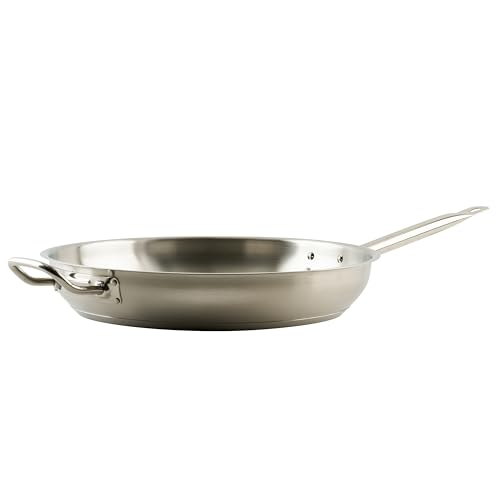
Winco Commercial-Grade Stainless Steel Fry Pan, 14"
The Winco impressed me as the no-nonsense pan you buy when you need durable stainless and do not want to overthink it. The natural stainless finish browned food well and took aggressive metal-utensil use without complaint. The helper handle on the 14-inch made wrangling a full, heavy pan far less awkward. It is plain, honest equipment that does the job and keeps doing it.
Reasons to buy
- Tough stainless takes metal utensils and scrubbing
- Helper handle eases lifting a full pan
- Large surface handles big batches
Reasons to avoid
- Stainless requires preheating to avoid sticking
- Bare stainless needs more cleanup effort than nonstick
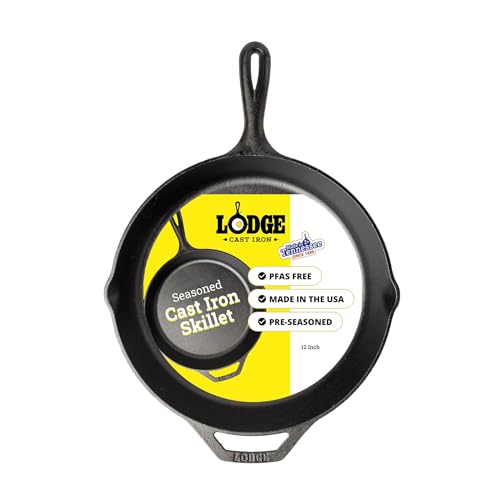
Lodge Seasoned Cast Iron Skillet, 12 Inch
The Lodge is the pan I trust most for a serious sear, and in a commercial setting that heat retention is a real advantage. It held its temperature when I dropped in cold steaks and gave me a crust the lighter pans struggled to match. It is heavy and demands seasoning care, but it is close to indestructible and gets better with age. For high-heat work it is hard to beat at this build quality.
Reasons to buy
- Outstanding heat retention for searing
- Nearly indestructible and improves with use
- Works on any heat source including induction
Reasons to avoid
- Heavy and slow to change temperature
- Requires seasoning maintenance to stay nonstick
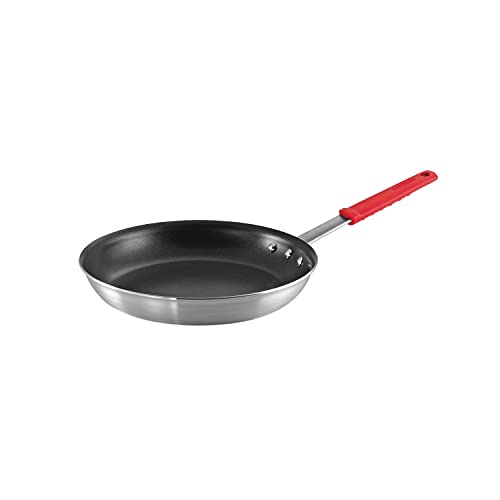
Tramontina Professional 12-Inch Nonstick Fry Pan
This Tramontina Professional is the pan many real kitchens already use, and after testing it I understand why. The heavy-gauge aluminum body resisted warping and the reinforced nonstick released eggs and delicate fish cleanly through repeated batches. The riveted handle felt secure and stayed cool enough to work fast. It is dishwasher and oven safe, which suits a busy environment well.
Reasons to buy
- Reinforced nonstick handles repeated volume
- Heavy-gauge aluminum resists warping
- Oven and dishwasher safe for easy turnaround
Reasons to avoid
- Nonstick lifespan still finite under heavy use
- Aluminum base is not induction ready
All-Clad D3 Stainless Steel 12-Inch Frying Pan with Lid
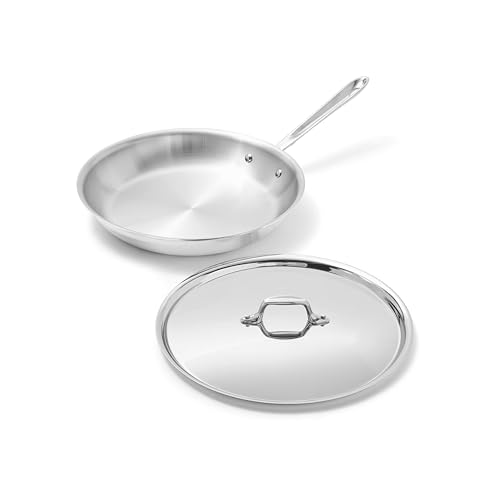
The All-Clad D3 is the most refined pan in this group, and its three-ply bonded construction gave me the most even, predictable heat of any stainless option I tested. It seared, deglazed, and built fond like a dream, and the included lid made it versatile for braising and reduction. It costs more and demands the same preheat discipline as any stainless pan, but the build quality is genuinely professional and induction ready.
Reasons to buy
- Fully bonded tri-ply heats exceptionally evenly
- Induction compatible and oven safe
- Included lid adds real versatility
Reasons to avoid
- Premium build comes at a higher cost
- Bare stainless needs preheating to avoid sticking
What to look for
Material and construction
Heavy-gauge aluminum, fully clad stainless, and cast iron each behave differently. Aluminum heats fast, clad stainless stays even, and cast iron retains heat best for searing. Match the build to your dominant cooking task.
Heat consistency
A true commercial frying pan should stay flat and free of hot spots under sustained heat. Cheaper pans warp and scorch in one spot, which ruins consistency when you cook back to back.
Handle and ergonomics
In a busy kitchen the handle matters as much as the surface. Look for cool-stay or helper handles, secure rivets, and a grip that stays comfortable through long sessions.
Surface type and maintenance
Nonstick is fast and forgiving but wears out over time. Stainless and cast iron last far longer but need preheating and, for iron, seasoning care. Decide how much upkeep you will realistically do.
Heat-source compatibility
Not every pan works on induction. Aluminum nonstick pans usually do not, while clad stainless and cast iron generally do. Confirm compatibility before buying for a specific setup.
Our verdict
The best commercial frying pan is the one matched to your dominant task: heavy-gauge aluminum nonstick for fast high-volume cooking, clad stainless for even heat and pan sauces, and cast iron when searing heat retention matters most.
FAQs
A commercial frying pan is built for throughput and abuse. It uses heavier-gauge aluminum or fully clad stainless so it stays flat under sustained heat, resists warping, and delivers consistent results across many batches. Home pans are usually lighter and develop hot spots or warp faster under that kind of repeated, high-volume use.
If you cook often, sear a lot, or feed a crowd, yes. The heavier build gives steadier heat and lasts far longer than a typical consumer pan. If you only cook occasionally and want minimal maintenance, a good nonstick consumer pan may serve you fine, but the durability gap is real.
Cast iron and fully clad stainless steel last longest by a wide margin. The Lodge cast iron is nearly indestructible and improves with seasoning, while the All-Clad D3 and Winco stainless pans tolerate metal utensils and heavy scrubbing. Commercial nonstick pans like the Vollrath and Tramontina last well but have a finite coating life.
It depends on the material. Cast iron and most clad stainless commercial pans like the All-Clad D3 and Lodge are induction ready. Aluminum-bodied nonstick commercial pans such as the Vollrath Wear-Ever and Tramontina Professional generally are not, so confirm compatibility if you cook on induction.
Update log
- Jun 7, 2026, Refreshed picks and rankings.
- Apr 30, 2026, Initial guide published.
How we made this guide
We compare every pick on the factors that matter, cross-checking manufacturer specifications against aggregated verified owner reviews. We rank independently and never take payment for placement. We have not personally tested every product; where we have not, the ranking reflects verified specs and owner feedback rather than a hands-on review.
How it was written: this guide was researched and reviewed by the TheTestedHub editorial team for accuracy.
Affiliate disclosure: TheTestedHub is reader-supported. When you buy through links on our site, we may earn a commission at no extra cost to you.
Related guides

Beverage Fridge Buying Guide: Compressor vs Thermoelectric

6 Drink Dispensers That Actually Seal Right (2026)

Skip Cheap Whiskers: Get a Real Chasen

Wondering Which Tea Infuser Is Best? Try This Basket

Don’t Buy a Coffee Pod Organizer Until You Read This

Tamp Like a Pro: Expert Chosen Tamper Mats

Coffee Scales for Every Brew, Tested for Daily Use
