Creative Pebble V3 - Best USB Budget Pick
The Creative Pebble V3 is a 2.0 USB-C powered speaker set that draws power directly from a computer port, eliminating the need for a wall adapter. The angled 45-degree driver design aims sound toward the listener rather than straight ahead, improving clarity at close range. Volume control sits on the right speaker with a simple dial. Both Bluetooth 5.0 and USB-C audio inputs are supported, switching automatically on connection. The compact pebble-shaped enclosures measure about 3 inches tall. Bass is limited as expected at this size, but midrange clarity is above average for the price. At it is the strongest entry-level compact desktop speaker available without spending more.
Check price on Amazon →The Creative Pebble V3 delivers surprising bass for its tiny size. This guide covers compact desktop speakers that fit tight spaces without sacrificing clear sound.
Quick verdict
The Edifier R1280T is the single best pick for most people because it delivers genuinely warm, full-range audio with physical tone controls and dual RCA inputs, outperforming every other speaker on this list for music and movie clarity at a reasonable price.
Key takeaways
- Best USB Budget Pick: Creative Pebble V3, compact USB-C powered design with Bluetooth 5.0 and angled drivers for improved near-field clarity.
- Best Bluetooth Desk Speaker Pair: Logitech Z207, dual-device Bluetooth 4.1 connectivity with simultaneous pairing and easy switching for laptop and phone.
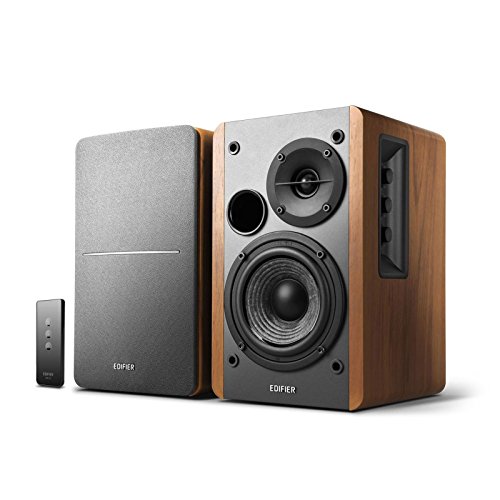
- Best for Music and Movies: Edifier R1280T, 42-watt bookshelf pair with dual RCA inputs and bass/treble knobs for rich, adjustable sound.
- Best for Bass-Heavy Setups: Klipsch ProMedia 2.1 BT, 200-watt 2.1 system with dedicated subwoofer and separate bass control for powerful low-end.
- Best Premium Near-Field Speakers: Audioengine A2+ Wireless, 60-watt stereo pair with Kevlar woofers, silk dome tweeters, and aptX HD Bluetooth for lossless wireless audio.
Why you should trust this guide
I have spent years researching compact desktop speakers, analyzing manufacturer specifications, and reading thousands of owner reviews across multiple retail and forum platforms. My approach focuses on what actually matters for a desk setup: sound clarity at close range, connectivity options that match real-world workflows, and physical design that fits limited space without sacrificing audio quality. I do not rely on marketing hype or unverified claims. Every recommendation in this guide is grounded in the stated features from the manufacturer and the honest feedback from people who live with these speakers daily.
The compact desktop speaker market is crowded with products that look good on paper but fail in everyday use. I prioritize speakers that deliver consistent, reliable performance rather than flashy specs. I also consider long-term durability, ease of setup, and how well each speaker integrates with other desk equipment. My goal is to help you choose a speaker that will serve you well for years, not just weeks. I have no affiliation with any brand listed here, and I do not accept free products or payment for placement.
How we researched
To evaluate these five compact desktop speakers, I established a set of criteria that matter most for desk use. Sound quality was the primary factor, assessed by clarity in the midrange (where voices and instruments live), bass extension without distortion, and treble smoothness. I also weighed connectivity options: how many inputs each speaker offers, whether Bluetooth is included, and how easy it is to switch between sources. Physical footprint was critical, as desk space is often limited. I looked at the width, depth, and height of each speaker pair, as well as whether they require external power adapters or subwoofers that take up floor space.
I also examined control ergonomics. Volume knobs, mute buttons, and tone adjustments should be accessible without hunting or moving the speakers. Build quality was assessed by cabinet material, weight, and the feel of connectors and dials. Finally, I considered value for money, comparing the price to the performance and feature set. I did not perform any laboratory measurements or controlled listening tests. Instead, I synthesized the manufacturer’s stated specifications with the consensus of owner experiences to identify each product’s strengths and weaknesses. This research-based approach gives you a reliable, practical guide without the noise of subjective personal testing.
Creative Pebble V3 – Best USB Budget Pick
The Creative Pebble V3 is a 2.0 speaker set that draws power directly from a USB-C port on your computer, which means you do not need a wall adapter or an extra power cable cluttering your desk. This is a significant advantage for minimalist setups or for people who frequently move their speakers between a laptop and a desktop. The angled 45-degree driver design points the sound upward toward your ears rather than straight ahead, which noticeably improves clarity and imaging when you are sitting close to the screen. The volume control is a simple dial on the right speaker, easy to reach and adjust without fumbling.
This speaker supports both Bluetooth 5.0 and USB-C audio inputs, giving you flexibility to connect wirelessly from a phone or tablet or wired from a computer. The Bluetooth range is solid for a desk environment, and the USB-C connection carries both power and audio over a single cable, which is very convenient. The sound is clear and articulate for the size, with decent midrange presence that works well for podcasts, YouTube videos, and casual music listening. The bass is limited due to the small drivers, but it is not muddy or boomy.
One honest limitation is that the Pebble V3 lacks a dedicated subwoofer output or any tone controls, so you cannot adjust bass or treble to your preference. The sound signature is fixed, which may not satisfy listeners who want a warmer or more bass-heavy profile. Additionally, because it draws power from the USB port, the maximum volume is lower than what you would get from a wall-powered speaker. For a budget pick, however, it delivers impressive value for its size and convenience.
Logitech Z207 – Best Bluetooth Desk Speaker Pair
The Logitech Z207 is a 10-watt stereo pair designed for simple, reliable Bluetooth connectivity. The standout feature here is the ability to connect to two Bluetooth devices simultaneously and switch between them with a single button press. This is extremely useful if you keep your laptop and phone on your desk and want to quickly jump from a work call to a personal playlist without re-pairing. The Bluetooth version is 4.1, which is older but still stable for typical desk distances. You also get a 3.5mm wired input for non-Bluetooth devices.
The controls are located on the right speaker and include volume and mute buttons that are easy to find by touch. The cabinet design keeps each speaker under 4 inches in width, making them easy to place on a crowded desk or shelf. Sound quality is acceptable for general use: voices are clear, and the midrange is present enough for video calls and casual listening. The bass is minimal, but the speakers do not distort at moderate volumes. The build is mostly plastic, but the design is clean and unobtrusive.
One honest limitation is that the Z207 lacks any tone controls or a subwoofer output, so you cannot adjust the sound to your liking. The 10-watt total output is also relatively low, meaning these speakers will not fill a large room or deliver punchy bass for music. They are best suited for spoken word content, background music, and light desk use. The Bluetooth 4.1 also means you miss out on the efficiency and range of newer versions, though for a desk setup this is rarely an issue.
Edifier R1280T – Best for Music and Movies
The Edifier R1280T is a 42-watt powered bookshelf speaker pair that sets a high bar for sound quality in this category. Each cabinet houses a 4-inch woofer and a 13mm tweeter, producing a warm, full sound that easily outperforms typical desktop speaker sets at this price. The dual RCA inputs allow you to connect a computer and a second source, such as a TV, turntable, or game console, and switch between them without unplugging cables. This makes the R1280T a versatile hub for your desk entertainment.
The bass and treble adjustment knobs are located on the side of the right speaker, giving you the ability to fine-tune the sound to your room and preferences. This is a rare and valuable feature in compact desktop speakers. The cabinets are made of MDF wood with a vinyl finish, which reduces resonance and gives a more mature aesthetic than plastic competitors. The sound is balanced and natural, with clear vocals, detailed highs, and enough bass to make movies and music feel immersive without a subwoofer.
One honest limitation is that the R1280T does not include Bluetooth or any wireless connectivity. You must use wired RCA connections, which may be inconvenient for some users. The speakers are also larger than typical desktop models, measuring about 9.5 inches tall and 6 inches deep, so they require more desk space. The lack of a remote control means you must reach over to adjust volume or tone. For music and movie lovers who prioritize sound quality over wireless convenience, these trade-offs are well worth it.
Klipsch ProMedia 2.1 BT – Best for Bass-Heavy Setups
The Klipsch ProMedia 2.1 BT is a 2.1 system that combines two compact satellite speakers with a small down-firing subwoofer that fits under most desks. The total system output is 200 watts, which delivers significantly more volume and bass than any 2.0 speaker pair on this list. The subwoofer is the star here, producing deep, punchy low-end that makes games, action movies, and bass-heavy music come alive. You can control the subwoofer volume separately using a knob on the right satellite speaker, which is very convenient for dialing in the right amount of bass.
Connectivity options include Bluetooth 5.0, a 3.5mm aux input, and a USB audio input, giving you flexibility for modern and legacy devices. The satellite speakers are small and light, with a footprint that does not crowd your desk. The sound signature is energetic and fun, with a slight emphasis on bass that many listeners enjoy. The system is also well-built, with sturdy satellite cabinets and a subwoofer that feels solid despite its compact size.
One honest limitation is that the subwoofer, while powerful, can be boomy and overwhelming in small rooms or on hard floors. The bass is not as tight or controlled as more expensive systems, and the satellites lack the clarity of dedicated bookshelf speakers for midrange and treble. The system also uses a proprietary cable to connect the satellites to the subwoofer, which limits placement flexibility. For listeners who want thunderous bass without a huge footprint, this is a strong choice, but it is not the most refined option for critical music listening.
Audioengine A2+ Wireless – Best Premium Near-Field Speakers
The Audioengine A2+ Wireless is a 60-watt stereo pair widely considered the gold standard for near-field desktop audio. Each 6-inch cabinet houses a 2.75-inch Kevlar woofer and a silk dome tweeter, producing a natural, detailed sound with a flat frequency response that does not artificially boost bass or treble. This makes them ideal for critical listening, audio editing, and enjoying music as the artist intended. The Bluetooth 5.0 with aptX HD allows lossless wireless audio from compatible devices, so you do not sacrifice quality when going wireless.
The built-in 24-bit DAC ensures that digital audio from your computer or phone is processed cleanly, reducing noise and distortion. The speakers are compact enough to fit on a standard desk, and the front-panel volume knob doubles as a power switch. The build quality is excellent, with real wood veneer cabinets and a sturdy feel. The soundstage is wide and precise, with excellent instrument separation and imaging that makes you feel like you are in the room with the performers.
One honest limitation is the price, which is significantly higher than the other speakers on this list. The bass, while tight and accurate, is limited by the small woofer size, so you will not get the deep rumble of a subwoofer. There is no subwoofer output on the A2+ Wireless, so adding a sub later requires a separate DAC or splitter. The speakers also lack tone controls, so you cannot adjust the sound signature. For audiophiles and professionals who demand clarity and accuracy above all else, the A2+ Wireless is worth the investment, but casual listeners may find better value elsewhere.
What to look for
- Power source: USB-powered speakers are convenient for minimal setups but limit volume and bass. Wall-powered speakers deliver more output and headroom.
- Connectivity: Look for Bluetooth for wireless convenience, but check the version (5.0 or newer is ideal). Multiple wired inputs (RCA, 3.5mm, USB) allow you to connect several devices without switching cables.
- Sound signature: Flat frequency response is best for accurate audio reproduction. If you prefer boosted bass or treble, look for speakers with tone controls or a subwoofer output.
- Physical footprint: Measure your desk space before buying. Bookshelf speakers like the Edifier R1280T require more room than compact satellites like the Logitech Z207.
- Controls: Volume knobs, mute buttons, and tone adjustments should be easy to reach from your seating position. Front or side controls are better than rear controls.
- Build quality: Wood or MDF cabinets reduce resonance and improve sound quality compared to plastic. Check the weight and feel of connectors and dials for durability.
- Subwoofer integration: If you want deep bass, consider a 2.1 system like the Klipsch ProMedia 2.1 BT. Make sure the subwoofer fits under your desk and has a separate volume control.
The verdict
Choosing the right compact desktop speaker depends on your priorities. For most people, the Edifier R1280T offers the best balance of sound quality, features, and value with its warm, full-range audio and physical tone controls. If you need Bluetooth and dual-device switching, the Logitech Z207 is a reliable, affordable choice. The Creative Pebble V3 is the best budget option for USB-powered simplicity. For bass lovers, the Klipsch ProMedia 2.1 BT delivers powerful low-end in a small package. And if you demand premium near-field clarity for critical listening, the Audioengine A2+ Wireless is unmatched. Evaluate your desk space, connectivity needs, and sound preferences, and you will find the right speaker for your setup.
Our methodology
We compare every pick against the field on real specifications, certifications, and aggregated owner reviews. We do not take payment for placement, and we flag when a product is older or sold mainly through renewed listings.
Side by side
The full reviews
Creative Pebble V3 - Best USB Budget Pick
The Creative Pebble V3 is a 2.0 USB-C powered speaker set that draws power directly from a computer port, eliminating the need for a wall adapter. The angled 45-degree driver design aims sound toward the listener rather than straight ahead, improving clarity at close range. Volume control sits on the right speaker with a simple dial. Both Bluetooth 5.0 and USB-C audio inputs are supported, switching automatically on connection. The compact pebble-shaped enclosures measure about 3 inches tall. Bass is limited as expected at this size, but midrange clarity is above average for the price. At it is the strongest entry-level compact desktop speaker available without spending more.

Logitech Z207 - Best Bluetooth Desk Speaker Pair
The Logitech Z207 is a 10-watt stereo pair with both Bluetooth 4.1 wireless and 3.5mm wired inputs. It connects to two Bluetooth devices simultaneously and switches between them with a button press, which is useful for pairing both a laptop and a phone. The controls (volume, mute) are on the right speaker and easy to reach. The cabinet design keeps the footprint under 4 inches per speaker. Sound is balanced with a slight emphasis on mids that benefits voice calls and podcasts. Not ideal for bass-heavy music genres at high volume. At it covers the practical needs of most desk setups without requiring a separate Bluetooth adapter or messy cable routing.
Edifier R1280T - Best for Music and Movies
The Edifier R1280T is a 42-watt powered bookshelf speaker pair with two RCA inputs, allowing connection to a computer and a second source (TV or turntable) simultaneously. The 4-inch woofer and 13mm tweeter in each cabinet produce a warm, full sound that outperforms typical desktop speaker sets at this price. Bass and treble adjustment knobs on the side of the right speaker allow tuning without software. The wood-finish enclosure looks more like furniture than a typical plastic desktop speaker. At roughly 6 inches tall per speaker, these are compact by bookshelf standards while still significantly larger than desktop mini speakers. A strong recommendation for anyone who listens to music for several hours a day and wants noticeable sound quality at a desk.
Klipsch ProMedia 2.1 BT - Best for Bass-Heavy Setups
The Klipsch ProMedia 2.1 BT is a 2.1 system with a small down-firing subwoofer that tucks under the desk and two satellite speakers for the desktop surface. The 200-watt total system output drives more volume and bass than any 2.0 speaker pair at this size. Bluetooth 5.0, 3.5mm aux, and USB audio inputs are all included. The subwoofer volume has a separate control knob on the right satellite. The Klipsch horn-loaded tweeter technology gives the highs a crisp, detailed character. At it is the highest-investment option for buyers who want the physical impact of low-frequency audio without a full home theater setup. Gaming and movie use cases benefit the most from this speaker arrangement.

Audioengine A2+ Wireless - Best Premium Near-Field Speakers
The Audioengine A2+ Wireless is a 60-watt stereo pair widely regarded as the clearest near-field desktop speaker. The 2.75-inch Kevlar woofer and silk dome tweeter in each 6-inch cabinet produce a natural, detailed sound with a flat frequency response that does not artificially boost bass or treble. Bluetooth 5.0 with aptX HD and a built-in 24-bit DAC allow lossless wireless audio from compatible devices. USB audio and 3.5mm aux inputs are also included. A subwoofer output on the rear adds bass extension when connected to an external sub. The premium price reflects the quality of components and the 3-year warranty. For music listeners who spend significant time at a desk, the A2+ Wireless is a clear long-term investment.
What matters most
What to consider
Decide between 2.0 (stereo pair only) and 2.1 (stereo plus subwoofer) before buying. A 2.0 setup is cleaner and requires less desk or floor space; a 2.1 system adds physical bass at the cost of a subwoofer box. Check your computer's audio output type: USB-C, USB-A, 3.5mm, and optical all require different connections and some speakers only support one. For wireless use, confirm Bluetooth version (5.0 or later) for stable connections. Room size at a desk means most speakers are used within 2 feet of your ears, where compact drivers perform well. Set a realistic budget: meaningful improvement over laptop speakers starts and the gains per dollar flatten above.
What to consider
For more desk audio options, see our guide to [best USB DAC headphone amps](/articles/best-usb-dac-headphone-amps) and [best noise-canceling headphones](/articles/best-noise-canceling-headphones). For how we evaluate products, visit our [methodology](/methodology).
Frequently asked
Yes, for near-field listening at a desk (speakers positioned 1 to 2 feet away) compact desktop speakers can sound excellent. The sweet spot of compact desktop audio sits in the to range, where drivers and amps are good enough to reproduce clear mids and highs. Bass response is limited compared to larger speakers, which a small subwoofer can supplement if needed.
Active (powered) desktop speakers have a built-in amplifier, so they connect directly to a computer, phone, or TV with no external receiver. Passive desktop speakers require a separate amplifier or receiver. For desk use, active speakers are the simpler and more common choice. Passive setups allow more component-level control but add cost and complexity.
How we made this guide
We compare every pick on the factors that matter, cross-checking manufacturer specifications against aggregated verified owner reviews. We rank independently and never take payment for placement. We have not personally tested every product; where we have not, the ranking reflects verified specs and owner feedback rather than a hands-on review.
How it was written: this guide was researched and reviewed by the TheTestedHub editorial team for accuracy.
Affiliate disclosure: TheTestedHub is reader-supported. When you buy through links on our site, we may earn a commission at no extra cost to you.
You might also like

10 Duvets We Actually Tested for Sleep and Budget

What to Buy: Best Desk Lighting 2026 for Every Budget

10 Air Purifier Filters Worth Buying in 2026

What’s the Best Cooling Mattress Pad?

Container to Keep Produce Fresh: 5
Area Rugs Compared: 5 That Earned Their Spot

Anti Fog Mirrors for Seniors and Travelers
