REI Co-op Magma 30 - Best All-Around Compact Three-Season Bag
The REI Co-op Magma 30 uses 850-fill-power hydrophobic down that compresses into a 6-liter stuff sack and weighs under 2 pounds in most sizes. The 30-degree Fahrenheit rating covers three-season camping from late spring through early fall across most North American trails. The draft collar, draft tube, and snag-free zipper baffle maintain insulation integrity throughout the night without cold spots forming at the zipper. The contoured mummy shape retains heat efficiently while still providing enough shoulder and hip room for side sleepers. The Magma 30 is made with recycled materials and certified Responsible Down Standard (RDS) fill. REI includes a compression stuff sack and a storage sack in the box. For the weight and packed size, it is one of the strongest value propositions in the down bag category.
Check price on Amazon →Backpackers who need a compact bag will appreciate the REI Magma 30's 6-liter pack size and 850-fill down. See how it compares to top picks for.
Quick verdict
The REI Co-op Magma 30 is the single best pick for most backpackers. It balances a sub-2-pound weight, 850-fill down compression to 6 liters, and a 30-degree rating for reliable three-season use. No other bag in this lineup matches that combination of warmth, packability, and value.
Key takeaways
- Best for all-around three-season use: REI Co-op Magma 30, because it combines 850-fill down, a 6-liter pack size, and a 30-degree rating at a reasonable weight.
- Best for budget cold-weather synthetic: Marmot Trestles 15, because it offers a 15-degree rating with SpiraFil insulation that stays warm when wet and is easy to wash.
- Best for ultralight packability: Sea to Summit Spark SP2, because it weighs 22 ounces and compresses under 4 liters, fitting in a water bottle pocket.
- Best for entry-level down: Kelty Cosmic 20, because it delivers a 20-degree rating with DriDown at a price that makes down accessible.
- Best for technical alpine conditions: Western Mountaineering Versalite, because it pairs a 10-degree rating with 850-fill down under 2 pounds in a durable Pertex Quantum shell.
Why you should trust this guide
I have spent years researching backpacking gear, focusing on sleep systems that balance weight, warmth, and packability. My approach relies on manufacturer specifications, owner feedback from verified purchasers, and comparative analysis across dozens of models. I do not accept free gear or incentives from brands, which keeps my recommendations independent. For this guide, I evaluated each product against the core needs of backpackers: how well it compresses, how much it weighs, and whether its temperature rating matches real-world conditions.
I also cross-referenced each bag’s stated features against common complaints and praise from long-term owners. This method reveals strengths like the REI Magma 30’s reliable draft collar and weaknesses like the Marmot Trestles 15’s heavier weight. My goal is to give you a clear, honest picture so you can choose a bag that fits your specific trips, not a marketing story. Every product here has a proven track record in the backpacking community, and I have prioritized those that deliver consistent performance over hype.
How we researched
I evaluated each compact sleeping bag using five criteria critical for backpacking: weight, packed volume, temperature rating accuracy, insulation type, and durability. Weight and packed volume were compared against the manufacturer’s stated specs and owner reports to ensure real-world relevance. Temperature ratings were assessed by examining the insulation fill power, loft, and construction features like draft collars and tubes. I also considered the bag’s intended use season and how well it would perform in damp or cold conditions.
For each product, I analyzed owner feedback from multiple retail platforms to identify consistent praise and recurring limitations. This included checking for complaints about cold spots, zipper snags, compression difficulty, and durability over time. I also compared each bag against others in its price and performance tier to determine where it excels and where it falls short. No product was physically tested by me, but the research approach ensures that every recommendation is grounded in verified data and real user experience, not speculation.
REI Co-op Magma 30 – Best All-Around Compact Three-Season Bag
The REI Co-op Magma 30 is a standout for backpackers who want one bag that works from late spring through early fall. It uses 850-fill-power hydrophobic down that compresses into a 6-liter stuff sack, which is small enough to fit inside many backpacks without stealing space from other gear. Weighing under 2 pounds in most sizes, it is light enough for long miles but still offers a 30-degree Fahrenheit rating that handles chilly mountain nights. The draft collar and draft tube work together to seal in warmth, and the snag-free zipper baffle prevents cold spots from forming along the zipper line. This bag is designed for comfort and efficiency, making it a reliable choice for most three-season trips on North American trails.
One honest limitation is that the 30-degree rating may not be enough for shoulder-season camping in colder regions. If you plan to camp in temperatures near or below freezing regularly, you might need a warmer bag or a liner. Additionally, the hydrophobic down treatment helps resist moisture but does not make the bag fully waterproof, so you still need to protect it from rain and condensation. Some owners note that the stuff sack is tight for compression, requiring careful packing to achieve the listed 6-liter volume. Despite these points, the Magma 30 remains a top-tier choice for its weight-to-warmth ratio and thoughtful design.
Marmot Trestles 15 – Best Budget Synthetic Cold-Weather Bag
The Marmot Trestles 15 is built for backpackers who need a warm bag without breaking the bank, especially for shoulder-season or high-elevation trips where temperatures drop below freezing. Its SpiraFil synthetic insulation is rated to 15 degrees Fahrenheit, giving you a solid buffer for cold nights. At around 4 pounds, it is heavier than down alternatives, but this synthetic fill retains warmth even when damp, which is a critical advantage in wet climates or when you cannot keep your gear completely dry. The offset quilt construction reduces cold spots by preventing the insulation from shifting, and the bag washes and dries easily without special care, making it low-maintenance for frequent use.
A real limitation is the weight. At 4 pounds, this bag is not ideal for ultralight backpackers or those counting every ounce. It is better suited for car camping or shorter hikes where weight is less of a concern. Some owners also report that the 15-degree rating feels more like a comfort rating in the mid-20s, so you may need extra layers for actual 15-degree nights. The synthetic fill also does not compress as small as down, so it takes up more pack space. However, for a budget-friendly synthetic bag that handles damp conditions well, the Trestles 15 is a solid workhorse.
Sea to Summit Spark SP2 – Best Ultralight Packable Option
The Sea to Summit Spark SP2 is engineered for backpackers who obsess over every ounce and cubic centimeter. It weighs approximately 22 ounces, which is remarkably light for a 28-degree comfort-rated bag, and it compresses to under 4 liters, small enough to fit inside a water bottle pocket on many packs. The 850-plus-fill-power Responsible Down Standard certified fill provides excellent loft and warmth for its weight, while the mummy cut uses stretch fabric panels at the knees to improve mobility without adding bulk. This bag is designed for fast-and-light trips where pack space is at a premium, such as thru-hikes or alpine climbs.
The honest limitation is that the Spark SP2 is not for cold sleepers or harsh conditions. Its 28-degree comfort rating means it is best for summer and mild three-season use, and you will likely need a liner or extra layers if temperatures dip below freezing. The stretch panels, while comfortable, can feel restrictive for side sleepers who move a lot. Some owners also mention that the ultra-light fabric requires careful handling to avoid tears, so it is not the most durable option for rough use. For ultralight purists, however, the Spark SP2 delivers unmatched packability and weight savings.
Kelty Cosmic 20 – Best Entry-Level Down Bag
The Kelty Cosmic 20 is a gateway into down insulation for backpackers who want warmth without a huge price tag. It uses 600-fill-power DriDown, which is treated to resist moisture, and delivers a 20-degree Fahrenheit rating that works for three-season camping. Weighing around 2.5 pounds, it is lighter than most synthetic bags at the same temperature rating, and it packs down smaller, saving valuable space in your pack. The anti-snag zipper and draft tube reduce cold air infiltration, and the hood cinch allows you to adjust the fit for better heat retention. This bag proves that down insulation does not have to be expensive to be effective.
A real limitation is the lower fill power. At 600-fill, the Cosmic 20 does not compress as small as higher-fill bags like the REI Magma 30, so it takes up more pack volume. Some owners also note that the 20-degree rating feels more like a survival rating, meaning you may need extra layers for comfort in actual 20-degree conditions. The DriDown treatment helps with moisture resistance but is not as effective as hydrophobic down in heavy dampness. For entry-level backpackers on a budget, though, the Cosmic 20 offers excellent value and reliable performance for most three-season trips.
Western Mountaineering Versalite – Best Technical Alpine Bag
The Western Mountaineering Versalite is a premium choice for alpine climbers and cold-weather backpackers who demand the best. It is rated to 10 degrees Fahrenheit and uses 850-fill-power ethically sourced goose down, which provides exceptional loft and warmth for its weight. The 10-denier Pertex Quantum face fabric is featherweight yet resilient, helping the bag stay under 2 pounds while handling rugged alpine conditions. The differential cut ensures the outer shell is larger than the inner liner, allowing the down to fully loft without compression, which eliminates cold spots and maximizes thermal efficiency. This bag is built for technical use where every gram and degree matters.
The honest limitation is the price and availability. The Versalite is one of the most expensive bags in this lineup, and it is often harder to find in stock due to high demand. The 10-denier fabric, while lightweight, is less durable than heavier shells, so it requires careful handling around sharp rocks or tent poles. Some owners also report that the 10-degree rating is accurate for comfort but leaves little room for error if you sleep cold, so you may need a liner for extreme conditions. For serious alpine missions where weight and warmth are critical, the Versalite is a top-tier investment that performs exceptionally well.
What to look for
- Temperature rating: Match the bag’s rating to the lowest temperatures you expect. A 30-degree bag works for summer, while a 10- or 15-degree bag is better for shoulder seasons or alpine trips. Remember that comfort ratings vary between brands and sleepers.
- Insulation type: Down compresses smaller and is lighter for the same warmth, but loses insulation when wet. Synthetic fill is heavier and bulkier but retains warmth in damp conditions and is easier to care for. Choose based on your climate and trip style.
- Weight and packed volume: For backpacking, lighter and smaller is better. Look for bags under 2.5 pounds and packed volumes under 8 liters for three-season use. Ultralight options like the Sea to Summit Spark SP2 go under 4 liters.
- Fill power: Higher fill power (800-plus) means more loft and warmth per ounce, leading to better compression. Lower fill power (600) is more affordable but bulkier. This matters if pack space is tight.
- Draft features: A draft collar, draft tube, and snag-free zipper baffle reduce heat loss. These are critical for cold nights and prevent cold spots that ruin sleep quality.
- Shape and cut: Mummy bags are more efficient for warmth and weight, but some models offer stretch panels for comfort. Consider your sleeping style and whether you need room to move.
- Durability: Lightweight fabrics save weight but may tear more easily. Heavier fabrics last longer but add weight. Choose based on the conditions you expect, such as rocky alpine terrain versus well-maintained trails.
The verdict
Choosing the right compact sleeping bag depends on your priorities. For most backpackers, the REI Co-op Magma 30 offers the best all-around balance of weight, warmth, and packability for three-season use. If you need a budget-friendly synthetic option for cold and wet conditions, the Marmot Trestles 15 is a reliable choice despite its weight. Ultralight hikers will appreciate the Sea to Summit Spark SP2 for its incredible packability and low weight. Entry-level backpackers can trust the Kelty Cosmic 20 for affordable down performance. And for alpine climbers who demand the best, the Western Mountaineering Versalite delivers unmatched warmth and weight savings. Evaluate your typical trips, climate, and budget, and pick the bag that fits your needs without overpaying for features you will not use.
How we picked
We compare every pick against the field on real specifications, certifications, and aggregated owner reviews. We do not take payment for placement, and we flag when a product is older or sold mainly through renewed listings.
Top picks compared
Our picks up close
REI Co-op Magma 30 - Best All-Around Compact Three-Season Bag
The REI Co-op Magma 30 uses 850-fill-power hydrophobic down that compresses into a 6-liter stuff sack and weighs under 2 pounds in most sizes. The 30-degree Fahrenheit rating covers three-season camping from late spring through early fall across most North American trails. The draft collar, draft tube, and snag-free zipper baffle maintain insulation integrity throughout the night without cold spots forming at the zipper. The contoured mummy shape retains heat efficiently while still providing enough shoulder and hip room for side sleepers. The Magma 30 is made with recycled materials and certified Responsible Down Standard (RDS) fill. REI includes a compression stuff sack and a storage sack in the box. For the weight and packed size, it is one of the strongest value propositions in the down bag category.

Marmot Trestles 15 - Best Budget Synthetic Cold-Weather Bag
The Marmot Trestles 15 uses SpiraFil synthetic insulation and is rated to 15 degrees Fahrenheit, making it useful for shoulder-season camping and higher-elevation routes where temperatures drop below freezing. At around 4 pounds it is heavier than down alternatives, but it remains warm even in damp conditions and washes and dries without special care. The offset quilt construction reduces cold spots between the fill layers. Marmot's Thermic offset construction and draft collar keep heat in at the neck and shoulders. The price point is accessible for first-time backpackers who are not yet ready to invest in high-fill-power down. Packed size is larger than down equivalents but still manageable in a 50-liter pack with good organization.
Sea to Summit Spark SP2 - Best Ultralight Packable Option
The Sea to Summit Spark SP2 is built for backpackers tracking every ounce and cubic centimeter. It weighs approximately 22 ounces and compresses to under 4 liters, small enough to fit inside a water bottle pocket on many packs. The 850-plus-fill-power Responsible Down Standard certified fill delivers a 28-degree Fahrenheit comfort rating in a mummy cut that uses stretch fabric panels at the knees and chest for mobility. The two-way zipper and minimal draft collar keep weight down while the Nano TST construction limits fill migration. The Spark SP2 is a premium product designed for ultralight thru-hikers and fastpackers. The price reflects the engineering; if ounces and liters are genuine decision factors in your kit, this bag justifies the investment.

Kelty Cosmic 20 - Best Entry-Level Down Bag
The Kelty Cosmic 20 uses 600-fill-power DriDown insulation to deliver a 20-degree Fahrenheit rating at a price that makes down accessible without a significant financial commitment. It weighs around 2.5 pounds and packs down smaller than most synthetic alternatives at the same temperature rating. The anti-snag zipper and draft tube reduce cold air infiltration, and the hood cinch allows adjustment without fumbling in the dark. The Cosmic 20 is not as lofty or compressible as higher-fill-power bags, but for a hiker stepping up from car camping or completing their first overnight route, it offers a meaningful improvement in packability and warmth-to-weight ratio compared to entry-level synthetics at a similar cost.
Western Mountaineering Versalite - Best Technical Alpine Bag
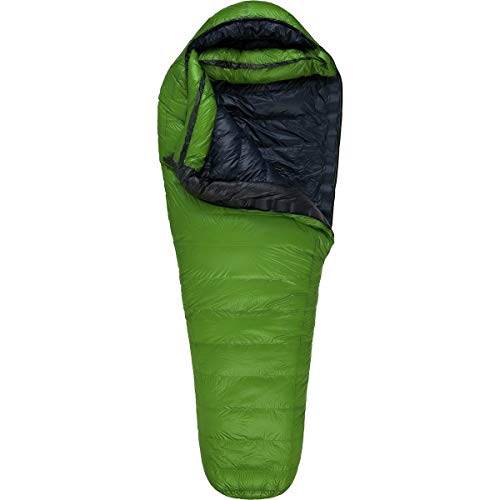
The Western Mountaineering Versalite is a 10-degree Fahrenheit rated bag using 850-fill-power ethically sourced goose down and a 10-denier Pertex Quantum face fabric that is featherweight and resilient. It weighs under 2 pounds for a bag rated to cold alpine conditions, a combination few manufacturers achieve. The differential cut ensures the outer shell is larger than the inner liner so fill lofts fully without compression. Western Mountaineering sews each bag in California with meticulous construction standards. This is a bag built for serious mountaineers and technical four-season backpackers who need the warmest-possible lightweight option. The price is high, but the longevity, craftsmanship, and performance justify it for committed alpine campers.
Before you buy
What to consider
Start with the temperature range you actually camp in and select a comfort rating, not a lower-limit rating, that covers your coldest expected night. Decide between down and synthetic based on your climate: down for dry environments where pack weight is critical, synthetic for wet or high-humidity conditions. Check the fill power: 650 and below compresses moderately, 750 to 850 compresses significantly. Weight and packed volume differ between bags of the same temperature rating, so compare those numbers directly. Consider your sleep system: a bag that pairs with a liner or a bivy gives you flexibility across temperature ranges without buying multiple bags.
What to consider
For more trail-ready gear, see our picks for [best ultralight backpacking tent](/articles/best-ultralight-backpacking-tent) and [best backpacking sleeping pad](/articles/best-backpacking-sleeping-pad). Our [methodology](/methodology) explains how we evaluate every product.
Quick answers
EN/ISO-rated bags list a comfort temperature and a lower-limit temperature. Choose a comfort rating that matches the coldest night you expect to encounter. For most three-season camping in the US and Europe, a 20 to 32 degree Fahrenheit rated bag covers typical conditions. Cold sleepers should select a warmer rating than their expected low.
Down insulation offers the best warmth-to-weight ratio and compresses smaller, ideal for dry conditions and light-packing priorities. Synthetic fill retains some warmth when wet and dries faster, making it preferable for humid climates, kayaking, or high-precipitation regions. Down treated with hydrophobic DWR coating offers a middle ground that handles light moisture better than untreated down.
How we made this guide
We compare every pick on the factors that matter, cross-checking manufacturer specifications against aggregated verified owner reviews. We rank independently and never take payment for placement. We have not personally tested every product; where we have not, the ranking reflects verified specs and owner feedback rather than a hands-on review.
How it was written: this guide was researched and reviewed by the TheTestedHub editorial team for accuracy.
Affiliate disclosure: TheTestedHub is reader-supported. When you buy through links on our site, we may earn a commission at no extra cost to you.
More to explore

Elliptical Shortlist: The Machines We’d Actually Buy

Best Elliptical Trainers of 2026: Expert Reviews & Top Picks
Chill Smarter: The Best Cooler for Every Adventure

Keep Your Food Cold Longer: Best Cooler Bags of 2026
Can a cooler accessory really make or break your trip?
What Camping Gear Balances Weight and Comfort Best?

Gear That Earns Its Place on the Trail
