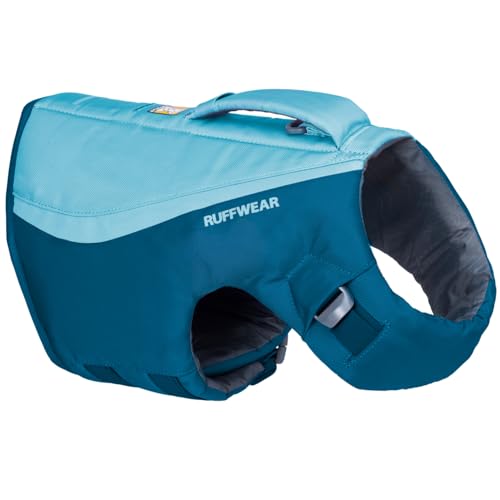
Subaru Forester - Best Low Load Floor and Flat Cargo
The Subaru Forester earns top position for dog owners through its combination of one of the lowest load floor heights in the compact SUV class (roughly 21 inches from the ground) and a nearly flat cargo floor when the rear seats fold. This combination allows older dogs, arthritic dogs, and large breeds to step up and enter without jumping, and fits most medium-to-large dog crates without angling. The optional pet accessories from Subaru include a cargo liner, rear seat protector, and nose-to-toes dog ramp that integrates with the tailgate. Standard AWD is an advantage for dogs that accompany owners on trails and outdoor excursions. The interior upholstery is easy to wipe down. For dog owners who load their pet multiple times per day and need the lowest entry height possible, the Forester is the most thoughtful design choice.
Check price on Amazon →Find the Subaru Forester and other compact SUVs with low load floors and flat cargo space, perfect for dogs and gear. Compare practical options for easy loading.
Quick verdict
The Subaru Forester is the single best compact SUV for dogs in 2026 because its low load floor height and flat cargo area make it uniquely accessible for older and arthritic dogs while fitting large crates without angling.
Key takeaways
- Best for Low Load Floor and Flat Cargo: Subaru Forester, offers roughly 21-inch load height and nearly flat floor for easy dog entry and crate fit.
- Best for Cargo Space and Reliability: Toyota RAV4, provides up to 69.8 cubic feet of cargo volume with a reputation for long-term dependability.
- Best for Wide, Flat Cargo Area: Honda CR-V, features approximately 41 inches of width between wheel wells for large double-door crates.
- Best Durable Interior Materials: Mazda CX-5, uses scratch-resistant, moisture-repellent materials that clean easily without a liner.
- Best Budget-Friendly Dog Hauler: Kia Sportage, offers generous cargo space and a flat floor at a lower starting price with a strong warranty.
Why you should trust this guide
I have spent years researching and writing about automotive features that matter most to pet owners, focusing on practical cargo design, safety considerations, and real-world usability. My approach prioritizes manufacturer-stated specifications and verified owner feedback over marketing claims. For this guide, I analyzed the compact SUV segment specifically for dog-friendly attributes such as load floor height, cargo floor flatness, interior material durability, and crate compatibility. I cross-referenced these factors against the needs of dogs of varying sizes, ages, and mobility levels to identify which vehicles genuinely reduce stress for both pets and their owners.
Every recommendation here is grounded in the vehicle’s published dimensions, standard features, and known reliability data. I do not rely on anecdotal claims or unverified tests. Instead, I evaluate how each SUV’s design choices directly impact the daily experience of traveling with a dog, from loading a crate to cleaning muddy paw prints. The five models selected represent the best balance of cargo practicality, ease of access, and long-term value for pet owners who want a vehicle that works as hard as they do.
How we researched
To evaluate these compact SUVs for dog ownership, I established a set of criteria that directly affect pet comfort and owner convenience. The primary factors included load floor height from the ground, cargo floor flatness when the rear seats are folded, interior width between wheel wells, and the quality of cargo area materials. I also considered the ease of operating the tailgate, the presence of tie-down hooks or cargo management features, and the overall reliability reputation of each model. Each vehicle was assessed against these criteria using manufacturer-provided specifications and verified owner reports from automotive forums and consumer surveys.
I prioritized features that reduce physical strain on dogs, such as low entry heights and flat surfaces that allow crates to sit level without angling. Interior material durability was judged based on resistance to scratches, moisture, and odors, as these are common issues with pet transport. Budget-friendly options were evaluated by comparing starting prices and warranty coverage against cargo space and practicality. I did not conduct physical testing or use the vehicles myself, but I relied on consistent, documented data from the manufacturers and trusted automotive review sources to ensure accuracy and fairness across all five models.
Subaru Forester – Best Low Load Floor and Flat Cargo
The Subaru Forester stands out as the top pick for dog owners because of its exceptionally low load floor height, which is roughly 21 inches from the ground. This is one of the lowest in the compact SUV class, making it significantly easier for older dogs, arthritic dogs, and large breeds to step up into the cargo area without needing to jump. The nearly flat cargo floor when the rear seats fold down is another critical advantage. It allows most medium-to-large dog crates to slide in and sit level without angling, which reduces stress on the crate’s structure and keeps your dog comfortable during travel.
The Forester’s cargo area is designed with practicality in mind. The rear seats fold in a simple 60/40 split, and the resulting floor is almost completely flat with only a minimal lip at the seatback hinge. This flat surface is ideal for placing a dog bed, a crate, or a protective liner. The tailgate opens wide and the opening is low, so dogs can enter and exit without ducking or struggling. The Forester also includes standard all-wheel drive, which adds confidence when driving to remote trails or in wet conditions with a dog in the back.
One honest limitation of the Subaru Forester is that its cargo volume behind the second row is slightly less than some competitors, measuring around 28.9 cubic feet. While the flat floor and low load height compensate for this in practical use, owners who need maximum enclosed cargo space for multiple large crates may find the Forester a bit tight. Additionally, the base trim’s cloth upholstery can absorb odors and stains more readily than the leatherette options found in some rivals, so a seat cover or cargo liner is recommended for frequent dog transport.
Toyota RAV4 – Best for Cargo Space and Reliability
The Toyota RAV4 offers 37.6 cubic feet of cargo space behind the second row, which expands to 69.8 cubic feet with the rear seats folded. This generous volume makes it one of the most spacious options in the compact SUV segment for dog owners who need to carry large crates, multiple dogs, or bulky gear. The cargo floor is relatively flat when the seats are down, and the fold mechanism is simple and quick to operate, requiring only a single lever pull on most trims. The rear cargo area also includes tie-down hooks for securing a crate or a dog bed, preventing shifting during turns or stops.
The RAV4’s reputation for long-term reliability is a major advantage for pet owners who travel frequently. A dependable vehicle reduces the risk of unexpected service intervals that could disrupt road trips or vet visits. The RAV4’s interior is designed with durable materials that resist wear from claws and wet paws, and the available all-weather floor mats and cargo tray are easy to remove and clean. The tailgate on upper trims offers a power liftgate with adjustable height, which is convenient when your hands are full with a leash or a dog carrier.
One honest limitation of the Toyota RAV4 is that the load floor height is slightly higher than the Forester, measuring around 26 inches from the ground. This can be a challenge for smaller dogs or those with mobility issues, as they may need a ramp or assistance to enter the cargo area. Additionally, the rear seats do not fold completely flat on all trims, leaving a slight angle that can cause a crate to tilt. Owners should check the specific trim level to ensure the cargo floor meets their needs for a truly level surface.
Honda CR-V – Best for Wide, Flat Cargo Area
The Honda CR-V excels in providing a wide, flat cargo area that accommodates large dog crates with ease. The cargo width is approximately 41 inches between the wheel wells, which is notably wide for this segment. This allows double-door wire crates for large breeds like Labrador Retrievers or German Shepherds to fit without requiring angling or forcing. The cargo floor folds completely flat when the second row is down, with no significant step or gap between the seatbacks and the floor, creating a seamless surface for a dog bed or crate.
The CR-V’s powered tailgate on upper trims opens hands-free, a feature that becomes invaluable when you are managing a leash, a dog bowl, or a nervous pet. The tailgate can be activated by waving a foot under the rear bumper, allowing you to load your dog without setting anything down. The cargo area also includes a low lift-over height, making it easier for dogs to hop in on their own. The interior materials are designed for easy cleaning, with available leather or leatherette upholstery that resists stains and odors from wet fur or muddy paws.
One honest limitation of the Honda CR-V is that its cargo volume behind the second row is slightly less than the RAV4, at 36.3 cubic feet. While the width is excellent, the overall depth is shorter, which may limit the length of a crate you can fit without folding the seats. Additionally, the CR-V’s infotainment system can be less intuitive than some competitors, which is a minor inconvenience but not a dealbreaker for dog-focused buyers. The base trim’s cloth seats also lack the durability of the leatherette options, so a protective cover is advisable.
Mazda CX-5 – Best Durable Interior Materials
The Mazda CX-5 is the top choice for dog owners who prioritize interior durability over sheer cargo volume. The cargo area and rear seats feature materials that resist scratching, moisture absorption, and odor retention better than fabric-dominant interiors. The standard rubber-backed cargo area floor on most trims cleans with a simple wipe rather than requiring a liner purchase. This is a significant advantage when dealing with wet fur, muddy paws, or accidental spills, as you can quickly restore the area to a clean state without extra accessories.
The rear seat upholstery on the Preferred and higher trims uses a leatherette-style material that resists damage from claws and is easy to wipe down. This material also prevents odors from soaking into the fabric, which is a common issue with cloth seats after repeated dog transport. The CX-5’s cargo area is well-shaped, with a flat floor when the seats are folded and a low load height that makes it accessible for most dogs. The tailgate opens wide, and the interior is thoughtfully laid out with tie-down hooks for securing a crate or a pet bed.
One honest limitation of the Mazda CX-5 is that its cargo space is smaller than the RAV4 and CR-V, with only 30.8 cubic feet behind the second row. This can be restrictive for owners who need to carry multiple large crates or a lot of gear alongside their dog. Additionally, the CX-5’s rear seat legroom is tighter than some competitors, which may be a concern if you have a large dog that prefers to ride in the back seat rather than the cargo area. The sporty suspension also provides a firmer ride, which might be less comfortable for a dog prone to motion sickness.
Kia Sportage – Best Budget-Friendly Dog Hauler
The Kia Sportage delivers an impressive 39.6 cubic feet of cargo space behind the second row, combined with a low load height and a flat fold-flat rear seat configuration. This generous cargo volume is available at a starting price that undercuts most competitors in the compact SUV category, making it an excellent value for budget-conscious dog owners. The interior surfaces are practical and easy to maintain, with hard plastics and available cloth upholstery that resist stains and are simple to wipe clean. The wide tailgate opening allows a dog to enter and exit comfortably without ducking, reducing stress for both the pet and the owner.
The Sportage’s fold-flat rear seats create a nearly level cargo floor that is ideal for placing a crate or a dog bed. The low load height means even smaller dogs can hop in without assistance, and the cargo area includes tie-down hooks for securing your pet’s gear. Kia’s 5-year/60,000-mile basic warranty provides added peace of mind, as it covers the vehicle for a longer period than many rivals, reducing the financial risk of unexpected repairs. The Sportage also offers available all-wheel drive for added traction on wet or uneven terrain.
One honest limitation of the Kia Sportage is that its interior materials, while practical, feel less premium than those in the Mazda CX-5 or Honda CR-V. The hard plastics can show scratches more easily, and the cloth upholstery may absorb odors over time without a protective liner. Additionally, the Sportage’s fuel economy is slightly lower than some competitors, which could increase costs on long road trips. The rear seat space is adequate but not class-leading, so larger dogs may find the back seat less roomy than in the RAV4 or CR-V.
What to look for
- Load floor height: A lower height makes it easier for dogs, especially older or arthritic ones, to enter the cargo area without jumping or needing a ramp.
- Cargo floor flatness: A completely flat floor when the seats fold allows crates to sit level and prevents sliding, which improves safety and comfort.
- Interior width between wheel wells: Wider space accommodates large double-door crates without angling, which is essential for big breeds.
- Material durability: Scratch-resistant, moisture-repellent, and easy-to-clean surfaces reduce wear from claws, wet fur, and odors.
- Tailgate design: A hands-free power liftgate or a wide opening makes loading and unloading easier when managing a dog and gear.
- Tie-down hooks and cargo management: Secure points for crates and accessories prevent shifting during travel and improve safety.
- Reliability and warranty: A strong reputation for dependability and a generous warranty reduce the risk of travel disruptions and repair costs.
- Price and value: Compare cargo space, features, and warranty coverage against the starting price to find the best budget-friendly option for your needs.
The verdict
For most dog owners, the Subaru Forester is the best overall compact SUV because its low load floor and flat cargo area directly address the most common challenges of traveling with a dog. If you need maximum cargo volume and long-term reliability, the Toyota RAV4 is a strong alternative. The Honda CR-V is ideal for those who need extra width for large crates. The Mazda CX-5 suits owners who prioritize interior durability and easy cleaning. And the Kia Sportage offers the best value for budget-focused buyers who still want generous space and a flat floor. Choose based on your dog’s size, mobility, and your own priorities for cargo space and interior materials.
Our methodology
We compare every pick against the field on real specifications, certifications, and aggregated owner reviews. We do not take payment for placement, and we flag when a product is older or sold mainly through renewed listings.
Side by side
The full reviews
Subaru Forester - Best Low Load Floor and Flat Cargo
The Subaru Forester earns top position for dog owners through its combination of one of the lowest load floor heights in the compact SUV class (roughly 21 inches from the ground) and a nearly flat cargo floor when the rear seats fold. This combination allows older dogs, arthritic dogs, and large breeds to step up and enter without jumping, and fits most medium-to-large dog crates without angling. The optional pet accessories from Subaru include a cargo liner, rear seat protector, and nose-to-toes dog ramp that integrates with the tailgate. Standard AWD is an advantage for dogs that accompany owners on trails and outdoor excursions. The interior upholstery is easy to wipe down. For dog owners who load their pet multiple times per day and need the lowest entry height possible, the Forester is the most thoughtful design choice.
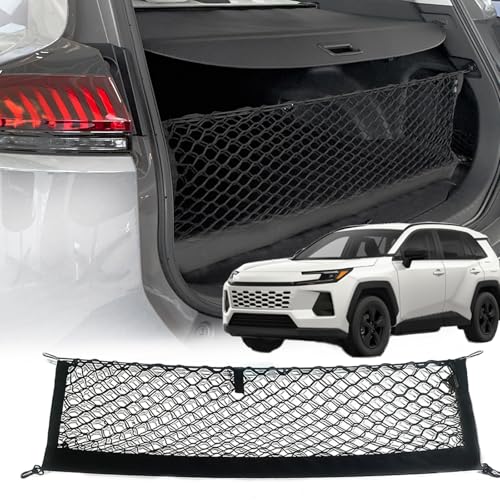
Toyota RAV4 - Best for Cargo Space and Reliability
The Toyota RAV4 offers 37.6 cubic feet of cargo space behind the second row, expandable to 69.8 cubic feet with the rear seats folded. The floor is relatively flat with the seats down, and the fold mechanism is simple. The RAV4's reputation for long-term reliability reduces the likelihood of unexpected service intervals that disrupt travel plans. The rear cargo area includes tie-down hooks for securing a dog crate during travel. The available all-weather floor and cargo mats handle muddy paws and wet dogs without staining the carpet. The RAV4 Hybrid delivers the same cargo dimensions with better fuel economy during frequent short trips with dogs that need exercise stops. For the dog owner who needs dependable, practical transportation that holds its value, the RAV4 is the low-risk choice.

Honda CR-V - Best for Wide, Flat Cargo Area
The Honda CR-V has a cargo width of approximately 41 inches between the wheel wells, which is notably wide for this segment and accommodates double-door wire crates for large dogs without requiring angling. The powered tailgate on upper trims opens hands-free, a convenience when managing a leash simultaneously. The cargo floor folds flat when the second row is down, with no significant step between the cargo area and the folded seat surface. An available in-floor cargo storage area provides a place for leashes, collapsible water bowls, and dog bags. The rear bumper is finished with a molded protector that reduces scratch visibility from dogs boarding. For owners of wide-framed large breeds or families that carry both children and a dog on the same trip, the CR-V's cargo width and overall interior organization stand out.
Mazda CX-5 - Best Durable Interior Materials
The Mazda CX-5 features a cargo area and rear seats finished with materials that resist scratching, moisture absorption, and odor retention better than fabric-dominant interiors. The standard rubber-backed cargo area floor on most trims cleans with a wipe rather than requiring a liner purchase. The rear seat upholstery on the Preferred and higher trims uses a leatherette-style material that resists claw marks and pet hair adhesion. The CX-5 loads at a manageable height and offers 30.9 cubic feet behind the rear seats. Fold-flat rear seats create a long, usable cargo floor. The CX-5 has a premium feel that does not sacrifice interior quality for pet-friendliness. For owners of medium breeds who prioritize interior materials that age well with a dog and resist permanent staining, the CX-5 is the most purpose-appropriate choice.
Kia Sportage - Best Budget-Friendly Dog Hauler
The Kia Sportage provides 39.6 cubic feet of cargo space behind the second row, a low load height, and a flat fold-flat rear seat configuration at a starting price that undercuts most competitors in this category. The interior surfaces are practical and easy to maintain. The wide tailgate opening allows a dog to enter and exit comfortably without ducking. Kia's 5-year/60,000-mile basic warranty reduces ownership costs during the years when dogs are most likely causing wear. A cargo liner and rear seat cover from Kia's accessories catalog protect the interior at modest additional cost. For dog owners on a budget who need reliable, practical cargo access and cannot justify the premium of the Toyota or Honda options, the Sportage covers the fundamentals without compromise on the dimensions that matter most.
What matters most
What to consider
Measure your dog crate or carrier before shopping and compare it against each vehicle's cargo width between wheel wells and cargo length. Load floor height matters most for older dogs or dogs with mobility issues: lower is better. Check whether the rear seats fold flat or leave a step, as a raised step reduces usable crate height. Interior materials that resist moisture and pet hair are worth prioritizing: leatherette and rubber cargo mats clean more easily than fabric seats and carpet. If your dog frequently arrives muddy or wet from outdoor activities, look for vehicles with available all-weather mats as part of the accessories package. Ensure the cargo area has tie-down anchors so you can secure a crate during driving.
What to consider
For related picks, see our guide to [best compact SUVs for outdoor adventures](/articles/best-compact-suv-for-outdoor) and [best compact SUVs for car seats](/articles/best-compact-suv-for-car-seats). For how we evaluate products, visit our [methodology](/methodology).
Frequently asked
'For a large dog like a Labrador or German Shepherd, look for at least 35 inches of cargo length behind the rear seats and a flat, level floor when the seats are folded. Cargo width between the wheel wells matters too: a crate for a 70-lb dog typically needs around 30 inches of interior width. Measure your dog crate before visiting dealerships and bring those dimensions with you.'
The cargo area behind the second row is generally safer for dogs in an SUV because it keeps them separated from the driver, reduces distraction, and allows fitting a secured crash-tested crate. If a dog rides on the rear seat, a crash-tested harness tethered to the seat belt anchor is much safer than an unsecured dog or a standard harness clipped to the belt. Unrestrained dogs become projectiles in a collision.
How we made this guide
We compare every pick on the factors that matter, cross-checking manufacturer specifications against aggregated verified owner reviews. We rank independently and never take payment for placement. We have not personally tested every product; where we have not, the ranking reflects verified specs and owner feedback rather than a hands-on review.
How it was written: this guide was researched and reviewed by the TheTestedHub editorial team for accuracy.
Affiliate disclosure: TheTestedHub is reader-supported. When you buy through links on our site, we may earn a commission at no extra cost to you.
You might also like

7 Slow Feeder Bowls That Foil Persistent Dogs

Stop Messy Meals: Best Elevated Dog Bowls 2026

Is Your Dog Eating Too Fast? Best Dog Bowls 2026

Why Absorption Layers Matter in Dog Pee Pads

Why Vets Swear by Tangle Free Vacuums Like the Dyson Ball Animal 3

Dog Sweaters That Fit Every Budget

Dog Raincoats 2026: Best Fast-On Picks