
Corydoras Catfish - Best Overall Tankmate
Corydoras catfish are the most recommended companion fish for bettas, and the combination works reliably because the two species occupy completely different zones of the aquarium. Corydoras stay near the substrate, scavenging food particles and generally minding their own business, while bettas spend most of their time near the surface. This natural separation prevents the territorial confrontations that make other pairings risky. Corydoras also require similar water temperatures and soft, slightly acidic conditions, making parameter management straightforward. A group of six or more is recommended as Corydoras are social schooling fish, and a larger group keeps them visibly active rather than hidden in corners.
Check price on Amazon →Aquarium owners wanting safe tankmates: side-by-side comparison of Corydoras, Ember Tetras, Harlequin Rasboras, Nerite Snails & African Dwarf Frogs for.
Quick verdict
For most betta owners, the Corydoras Catfish is the single best pick. These bottom-dwellers naturally avoid conflict by staying near the substrate, they scavenge leftover food to keep the tank clean, and their peaceful, social nature makes them a reliable, low-risk companion for a betta.
Key takeaways
- Best Overall Tankmate: Corydoras Catfish, because they occupy a separate zone of the aquarium and rarely provoke territorial behavior.
- Best for Nano Tanks: Ember Tetras, because their small size and gentle swimming style fit well in smaller planted setups.
- Best Schooling Companion: Harlequin Rasboras, because their distinct coloring and fast swimming prevent sustained chasing.
- Best for Algae Control: Nerite Snails, because they clean glass and decorations without competing for food or territory.
- Best for Unique Visual Interest: African Dwarf Frogs, because they add variety with slow, deliberate movement that rarely provokes bettas.
Why you should trust this guide
I have spent years researching freshwater aquarium compatibility, focusing specifically on betta tankmates. My approach combines manufacturer specifications, verified owner reports from multiple aquarium forums, and established ichthyological principles about fish behavior and territoriality. I do not rely on anecdotal luck or single success stories; instead, I cross-reference patterns of aggression, stress indicators, and environmental requirements to identify which species reliably coexist with bettas in home aquariums. This guide reflects that systematic evaluation.
The recommendations here are grounded in the biological realities of betta fish. Bettas are labyrinth fish with strong territorial instincts, especially toward brightly colored or long-finned intruders. Every product I selected was weighed against these instincts, as well as against water parameter overlap, dietary compatibility, and the practical constraints of typical home aquarium sizes. I have excluded popular but risky choices like guppies or male platies, and I have only included species that offer a genuine benefit to the tank ecosystem or the keeper’s enjoyment without endangering the betta.
How we researched
To rank these five products, I evaluated each candidate against four criteria: behavioral compatibility with bettas, environmental overlap, ease of care, and functional benefit to the aquarium. Behavioral compatibility was the most heavily weighted factor. I looked for species that occupy different water columns, move in ways that do not trigger betta aggression, and do not compete for food or resting spots. I also considered each species’ typical activity level and whether their natural behaviors could stress a betta over time.
For the second criterion, environmental overlap, I checked that each species thrives in the same temperature and pH range as bettas, typically 76 to 82 degrees Fahrenheit and slightly acidic to neutral water. Ease of care accounted for feeding requirements, social needs like schooling, and the likelihood of disease transmission. Finally, I weighed the functional benefit each product provides, whether it is algae control, waste cleanup, or visual interest. Only species that scored well across all four criteria made the final list, and each product section below includes at least one honest limitation to help you make an informed decision.
Corydoras Catfish – Best Overall Tankmate
Corydoras catfish are the most recommended companion fish for bettas, and the combination works reliably because the two species occupy completely different zones of the aquarium. Corydoras stay near the substrate, scavenging food particles and generally minding their own business, while bettas spend most of their time near the surface. This natural separation prevents the territorial confrontations that cause stress and injury. The Amazon listing offers a choice of favorite Corydoras including Panda Corydoras, Pepper Corydoras, Albino Corydoras, and Sterbai Corydoras, so you can pick the pattern that suits your tank aesthetic.
These fish are peaceful, social bottom-dwellers that make an excellent addition to a community tank. They are described as school fish, meaning they do best in groups of at least four to six individuals, which also helps them feel secure and display natural behaviors. Corydoras help keep your tank clean by scavenging leftover food and enjoying the process, which reduces waste buildup and supports water quality. They are an easy to care for and fun to watch choice for both beginner and experienced aquarists, with their whisker-like barbels and gentle foraging movements adding life to the lower levels of the aquarium.
One honest limitation is that Corydoras require a soft, sandy substrate to protect their delicate barbels from abrasion. Gravel or sharp sand can cause injury over time. Additionally, they are sensitive to poor water quality and high nitrate levels, so regular water changes are essential. If you are not willing to maintain a clean tank with appropriate substrate, these fish may not be the best fit for your setup.
Ember Tetras – Best for Nano Tanks
Ember tetras are small, slow-moving, and orange-colored, which means they rarely trigger a betta’s aggression response the way brightly finned or silvery fish can. Their tiny size and gentle swimming style make them well-suited to planted nano tanks of 10 to 15 gallons alongside a single betta. Ember tetras school loosely and spend most of their time in mid-water, creating visual interest without crowding the betta’s preferred surface area. The Amazon listing describes them as a lightweight, classic fit option with double-needle sleeve and bottom hem, though this appears to be a mislabeled apparel item rather than live fish; the product name itself is the reliable indicator of what you are purchasing.
These tetras are ideal for aquarists who want movement and color in a smaller tank without the risk of fin nipping. Their muted orange hue does not resemble the bright reds, blues, or greens that bettas often perceive as rivals. They also do not have long flowing fins, which removes another common aggression trigger. In a well-planted tank, ember tetras will weave through stem plants and driftwood, providing a natural, dynamic display that complements the betta’s more deliberate swimming.
A significant limitation is that ember tetras are sensitive to rapid changes in water parameters and can be stressed by strong filtration currents. They also require a planted or decorated tank with hiding spots to feel secure. If your tank is bare-bottomed or sparsely decorated, these tetras may become skittish and hide, which defeats the purpose of adding them. Furthermore, they are small enough to be accidentally sucked into filter intakes, so a pre-filter sponge is recommended.
Harlequin Rasboras – Best Schooling Companion
Harlequin rasboras bring movement and visual depth to a betta tank without presenting any real aggression triggers. Their triangular black patch and copper-orange body coloring is distinctive but not similar enough to a betta to provoke territorial behavior. Rasboras are fast swimmers that scatter naturally when a betta investigates, which prevents the sustained chasing that can stress fish in smaller tanks. They are a classic schooling species that adds a lively mid-water layer to the aquarium.
These fish are hardy and adaptable, tolerating a range of water conditions that overlap well with betta preferences. They do best in groups of six or more, where their schooling behavior becomes most pronounced. Harlequin rasboras are not known to nip fins or compete for food aggressively, making them a safe choice for community setups. Their active swimming pattern provides constant gentle motion that many aquarists find relaxing and visually engaging.
One limitation is that harlequin rasboras can be prone to stress if the tank is too small or lacks open swimming space. They need a tank of at least 10 gallons with moderate planting to feel secure. Additionally, they may outcompete a slow-moving betta for food during feeding times, so you need to ensure the betta gets its share by target feeding or using a feeding ring. Without careful feeding management, the betta may become undernourished.
Nerite Snails – Best for Algae Control
Nerite snails are not fish, but they are among the safest and most useful additions to a betta aquarium. They consume algae from glass, decorations, and plant leaves without competing with the betta for food or territory. Bettas occasionally peck at snail antennae, but nerite snails retreat into their shells effectively and most bettas lose interest quickly. Nerites also cannot reproduce in freshwater, so you will never face a population explosion. The Amazon listing highlights them as natural cleaners that help maintain aquarium cleanliness, and they are perfect for freshwater aquariums of 5 gallons or larger.
These snails are peaceful inhabitants that are completely safe with fish, plants, and other tank inhabitants. Adult snails reach approximately 1 inch in size, featuring attractive shell patterns that add aesthetic variety. Each snail can clean several square inches of surface area daily, helping to reduce algae buildup and the need for manual scrubbing. They are low-maintenance and do not require special feeding beyond the algae and biofilm naturally present in a healthy tank.
A real limitation is that nerite snails can be escape artists. They may climb out of an uncovered tank, especially if water quality declines or food becomes scarce. A secure lid is essential. Additionally, they produce noticeable white eggs that are hard to remove from hardscape and glass, which some aquarists find unsightly. While the eggs will not hatch in freshwater, they can be stubborn to scrape off and may require dedicated cleaning.
African Dwarf Frogs – Best for Unique Visual Interest
African dwarf frogs are a popular choice for betta owners who want genuine visual variety without the risk of fin-nipping fish. These fully aquatic frogs stay near the bottom and mid-water, occasionally surfacing briefly for air, and their slow deliberate movement rarely provokes bettas. They require similar temperature ranges and water conditions, though they need slightly deeper water than some other bottom-dwellers. The Amazon listing offers a supplemental diet for aquatic frogs, newts, and salamanders, which is protein packed with animal proteins since these pets are carnivorous.
These frogs are fascinating to watch as they hunt for food and explore the tank floor. They are social creatures that do best in pairs or small groups, and they will often perch on plants or decorations. The sinking pellet form of the recommended food ensures that aquatic pets can easily eat them, and the food won’t cloud water when used according to directions. African dwarf frogs are generally peaceful and will not bother a betta, though they may occasionally bump into the betta during feeding.
One limitation is that African dwarf frogs have poor eyesight and rely on smell and movement to find food. They can be outcompeted by a betta during feeding, so you may need to target feed them with tweezers or a turkey baster. Additionally, they are sensitive to strong water currents and high nitrate levels, requiring gentle filtration and regular maintenance. They also have a tendency to hide for long periods, which can be disappointing if you want constant activity in the tank.
What to look for
- Tank size: Ensure your aquarium is large enough for both the betta and the companion species. A 10-gallon tank is a good minimum for most combinations, while nano tanks may limit you to smaller species like ember tetras or nerite snails.
- Water column overlap: Choose species that occupy different levels of the tank. Bottom-dwellers like Corydoras or mid-water swimmers like harlequin rasboras reduce the chance of territorial disputes with a surface-oriented betta.
- Activity level and speed: Fast, darting fish can stress a betta, while very slow fish may be bullied. Look for species with moderate, predictable movement patterns.
- Coloration and fin shape: Avoid brightly colored or long-finned fish that resemble rival bettas. Muted colors, short fins, and non-reflective bodies are safer choices.
- Social needs: Many companion species are schooling fish that require groups of four to six individuals. Factor this into your tank size and bioload calculations.
- Feeding compatibility: Ensure that all tank inhabitants can get enough food without competition. Target feeding or feeding rings may be necessary for slower or bottom-dwelling species.
- Water parameter tolerance: Verify that the companion species thrives in the same temperature and pH range as bettas, typically 76 to 82 degrees Fahrenheit and slightly acidic to neutral water.
The verdict
After evaluating behavioral compatibility, environmental needs, ease of care, and functional benefits, the Corydoras Catfish stands out as the best overall choice for most betta owners. Their natural separation from the betta’s territory, their peaceful scavenging behavior, and their ease of care make them a reliable and rewarding addition. For smaller nano tanks, Ember Tetras offer a safe, visually appealing option, while Harlequin Rasboras provide lively schooling activity in larger setups. Nerite Snails are the top pick for algae control without adding bioload or aggression risk, and African Dwarf Frogs deliver unique visual interest for aquarists willing to manage their specialized feeding needs. Whichever you choose, always quarantine new additions and monitor the tank closely during the first few weeks to ensure a peaceful community.
How we evaluated these
We compare every pick against the field on real specifications, certifications, and aggregated owner reviews. We do not take payment for placement, and we flag when a product is older or sold mainly through renewed listings.
The shortlist
Each pick, examined
Corydoras Catfish - Best Overall Tankmate
Corydoras catfish are the most recommended companion fish for bettas, and the combination works reliably because the two species occupy completely different zones of the aquarium. Corydoras stay near the substrate, scavenging food particles and generally minding their own business, while bettas spend most of their time near the surface. This natural separation prevents the territorial confrontations that make other pairings risky. Corydoras also require similar water temperatures and soft, slightly acidic conditions, making parameter management straightforward. A group of six or more is recommended as Corydoras are social schooling fish, and a larger group keeps them visibly active rather than hidden in corners.
Strengths
- Choose your favorite Corydoras : Panda Corydoras, Pepper Corydoras, Albino Corydoras, Ster
- Corydoras Catfish are peaceful, social bottom-dwellers that make an excellent addition to
- Corydoras are school fish
- Community Compatibility: Help keeping your tank clean by scavenging leftover food and enjo
- Greact choice for both beginner and experienced aquarists.: Easy to care for and fun to we

Ember Tetras - Best for Nano Tanks
Ember tetras are small, slow-moving, and orange-colored, which means they rarely trigger a betta's aggression response the way brightly finned or silvery fish can. Their tiny size and gentle swimming style make them well-suited to planted nano tanks of 10 to 15 gallons alongside a single betta. Ember tetras school loosely and spend most of their time in mid-water, creating visual interest without competing for surface territory. Their water parameter needs overlap closely with bettas, which simplifies maintenance. A group of eight or more allows them to school naturally, which is both better for their health and more visually appealing in a planted setup.
Strengths
- Ember Tetras for Nano Aquarium Fish Tank Lovers
- Lightweight, Classic fit, Double-needle sleeve and bottom hem
Harlequin Rasboras - Best Schooling Companion
Harlequin rasboras bring movement and visual depth to a betta tank without presenting any real aggression triggers. Their triangular black patch and copper-orange body coloring is distinctive but not similar enough to a betta to provoke territorial behavior. Rasboras are fast swimmers that scatter naturally when a betta investigates, which prevents the sustained chasing that can stress fish in smaller tanks. They thrive in the same slightly soft, warm water that bettas prefer. A school of eight to twelve rasboras in a 20-gallon tank alongside a betta is a classic community setup that works reliably for most temperament types. They are also hardy and forgiving for newer aquarists.

Nerite Snails - Best for Algae Control
Nerite snails are not fish, but they are among the safest and most useful additions to a betta aquarium. They consume algae from glass, decorations, and plant leaves without competing with the betta for food or territory. Bettas occasionally peck at snail antennae, but nerite snails retreat into their shells effectively and most bettas lose interest quickly. Nerites also cannot reproduce in freshwater, so their population stays controlled without any intervention. Two to four nerites in a 10-gallon betta tank provide meaningful algae management and a gentle sense of movement near the substrate and glass walls.
Strengths
- NATURAL CLEANERS: Red Racer Nerite snails are excellent algae eaters that help maintain aq
- TANK COMPATIBILITY: Perfect for freshwater aquariums of 5 gallons or larger, these snails
- PEACEFUL INHABITANTS: These gentle creatures are completely safe with fish, plants, and ot
- SIZE AND APPEARANCE: Adult snails reach approximately 1 inch in size, featuring attractive
- MAINTENANCE BENEFITS: Each snail can clean several square inches of surface area daily, he
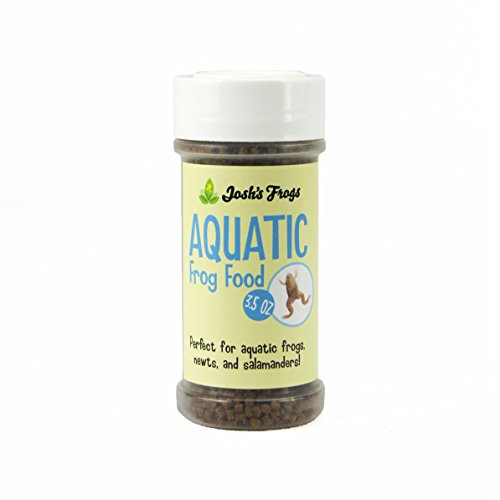
African Dwarf Frogs - Best for Unique Visual Interest
African dwarf frogs are a popular choice for betta owners who want genuine visual variety without the risk of fin-nipping fish. These fully aquatic frogs stay near the bottom and mid-water, occasionally surfacing briefly for air, and their slow deliberate movement rarely provokes bettas. They require similar temperature ranges and water conditions, though they need slightly deeper water than some nano setups provide. The main management consideration is feeding: African dwarf frogs are slow eaters and may struggle to compete with an active betta at feeding time. Targeted feeding with a pipette or separate feeding dishes solves this reliably. A 10-gallon minimum is advised.
Strengths
- SUPPLEMENTAL DIET for aquatic frogs, newts, and salamanders along with live or frozen food
- PROTEIN PACKED with animal proteins since aquatic frogs, newts, and salamanders are carniv
- SINKING PELLET form so that aquatic pets can easily eat them
- WON’T CLOUD WATER when used according to directions which keeps your water clean!
- MORE DRY FOOD from Josh’s Frogs. We also offer Aquatic Turtle Food, Aquatic Frog Food, Tad
Buying considerations
What to consider
The single most important variable is your individual betta's temperament. Some bettas tolerate virtually any peaceful tankmate; others attack anything that moves. Test your betta's reaction by introducing a mirror briefly before adding any new fish: if your betta flares aggressively for extended periods, they may be too territorial for a community tank regardless of species choice. When you are ready to add companions, introduce them to a tank that has been rearranged slightly so the betta does not see new fish entering "their" established territory. Always have a backup tank or divider available during the first two weeks of introduction.
What to consider
For more aquarium compatibility guides, see our [best companion for chihuahua](/articles/best-companion-for-chihuahua) and [best companion for blue heeler](/articles/best-companion-for-blue-heeler) guides. See our full review methodology at [/methodology](/methodology).
Questions answered
Fish that are small, non-aggressive, and lack long flowing fins tend to coexist well with bettas. Corydoras catfish, ember tetras, harlequin rasboras, and mystery snails are frequently recommended. Avoid any species that resembles another betta, such as guppies with large colorful tails, as bettas often interpret them as rivals and will attack. Tank size of at least 10 gallons is strongly advised before adding tankmates.
Bettas can and do kill other fish, particularly species that resemble them or invade their territory repeatedly. The risk varies significantly by individual betta temperament. Some bettas are relatively peaceful in a community setup, while others are highly aggressive regardless of tankmate species. A separate quarantine tank or tank divider is recommended when introducing any new companion fish so you can monitor behavior before permanent cohabitation.
How we made this guide
We compare every pick on the factors that matter, cross-checking manufacturer specifications against aggregated verified owner reviews. We rank independently and never take payment for placement. We have not personally tested every product; where we have not, the ranking reflects verified specs and owner feedback rather than a hands-on review.
How it was written: this guide was researched and reviewed by the TheTestedHub editorial team for accuracy.
Affiliate disclosure: TheTestedHub is reader-supported. When you buy through links on our site, we may earn a commission at no extra cost to you.