Blues Hog Original BBQ Sauce - Best Overall
Blues Hog is a staple on the competition circuit for good reason. The consistency is thicker than most commercial sauces, which helps it cling to meat during the final cook phase rather than dripping off. The flavor profile opens with sweetness from brown sugar and molasses, then transitions into a mild fruity tang. A subtle spice note rounds out the finish without overwhelming judges who may be tasting dozens of entries in one session. It works exceptionally well on pork ribs and chicken thighs. Apply it in two thin passes with your grill at around 300 degrees Fahrenheit and you will get a lacquered, competition-ready glaze.
Check price on Amazon →From St. Louis ribs to smoked wings, discover why Blues Hog Original earns a permanent spot on our pitmaster shelf. A balanced, molasses forward sauce that makes everything taste better.
Quick verdict
Blues Hog Original BBQ Sauce is the single best pick for competition use because its thick consistency clings to meat without dripping, its sweet-molasses profile with mild tang and spice pleases judges, and it performs reliably across chicken, pork, and ribs.
Key takeaways
- Best for Overall: Blues Hog Original BBQ Sauce – thick cling and balanced sweet-tangy-spice profile win over judges across proteins.
- Best for Ribs: Kosmo’s Q Honey Chipotle Glaze – caramelizes to a glossy mahogany finish that photographs well and adds mild smokiness.
- Best Budget Pick: Sweet Baby Ray’s Hickory & Brown Sugar – grocery-store priced but performs above its cost for amateur and backyard competitions.
- Best for Beef: Killer Hogs The BBQ Sauce – savory tomato base with garlic and onion keeps beefy umami forward for brisket and short ribs.
- Best Vinegar-Based: Lillie’s Q Carolina Sauce – tangy and peppery eastern Carolina style absorbs into pulled pork without pooling.
Why you should trust this guide
I have spent years following the competition barbecue circuit, studying what pitmasters actually use in turn-in boxes at events like the Kansas City Barbeque Society sanctioned contests and the Jack Daniel’s World Championship. My research draws on extensive reading of competition results, interviews with championship-winning cooks, and analysis of product formulations and judge feedback. I do not claim to have run a lab or conducted physical tests. Instead, I weigh each sauce against the criteria that matter most in a competition setting: consistency, flavor balance, appearance, and judge appeal.
This guide focuses on five sauces that have earned real credibility on the competition trail. Each product listed here has been used by multiple high-level teams and has a track record of producing consistent results under the pressure of a turn-in window. I have excluded sauces that lack that documented competition pedigree, no matter how popular they are in home kitchens. The recommendations here are grounded in what the manufacturer states about their product and what experienced competitors report, not in any personal testing diary.
How we researched
To evaluate these competition BBQ sauces, I established a set of criteria that reflect what judges and pitmasters prioritize in a contest setting. The first criterion is consistency and cling. A sauce that runs off meat during the final cook phase or pools in the bottom of a turn-in box loses points for appearance and flavor distribution. The second criterion is flavor balance. Competition sauces must have a clear sweet, tangy, or savory lead that does not overwhelm the meat’s natural flavor. The third criterion is heat level and spice integration. Judges often penalize sauces that are too spicy or that leave a lingering burn. The fourth criterion is caramelization and sheen. A sauce that glazes well under heat creates the glossy, appetizing look that scores high.
I also considered how each sauce pairs with specific proteins. Some sauces are formulated with beef in mind, using a savory tomato base that complements brisket’s umami. Others are built for pork, with vinegar or fruit notes that cut through fat. I looked at the viscosity and whether it works as a finishing glaze or a dipping sauce. I did not conduct any physical measurements or timed tests. Instead, I analyzed each product’s stated features, ingredient profiles, and the documented experiences of competition cooks who have used them in actual events. The limitations I note for each product come from common owner feedback and known trade-offs in their formulation.
Blues Hog Original BBQ Sauce – Best Overall
Blues Hog Original BBQ Sauce is a staple on the competition circuit for good reason. The consistency is thicker than most commercial sauces, which helps it cling to meat during the final cook phase rather than dripping off. This thickness means you can apply it as a finishing glaze without worrying about it running into the turn-in box. The flavor profile opens with sweetness from brown sugar and molasses, then transitions into a mild fruity tang. A subtle spice note rounds out the finish without overwhelming judges who may be tasting dozens of entries. The sweetness is prominent but not cloying, which makes it versatile across chicken, pork ribs, and even pulled pork.
The sauce works well as a direct application in the last 15 to 20 minutes of cooking, where the sugars caramelize into a deep, glossy sheen. Many competitors use it straight from the bottle without thinning, though some add a splash of apple juice or vinegar if they want a slightly looser consistency for dipping. The thick body also means it holds up well in a squeeze bottle for precise application on turn-in boxes. It does not separate or turn watery under heat.
One honest limitation of Blues Hog Original is that its thickness can be a drawback if you prefer a sauce that soaks into meat rather than sitting on top. For pulled pork or chopped brisket, the heavy cling may create a texture that some judges find too coating. Additionally, the sweetness level is high enough that it may overpower very delicate meats like turkey or chicken breast if applied too heavily. You need to use a light hand with those proteins.
Kosmo’s Q Honey Chipotle Glaze – Best for Ribs
Kosmo’s Q has built a strong following among competitive pitmasters who want a glaze that photographs well and tastes even better. The honey chipotle variant brings a natural sweetness that caramelizes into a beautiful mahogany color. The chipotle adds a mild smokiness on top of whatever wood you are already using in the pit. The heat level sits low enough that it does not alienate judges who prefer a mild profile. The glaze consistency is slightly thinner than Blues Hog but thicker than a standard vinegar sauce, which allows it to adhere to ribs without running off during the final cook.
This sauce is particularly effective on pork ribs because the honey content creates a tacky, sticky finish that glistens under competition lights. Many teams apply it in multiple thin layers, allowing each coat to set before adding the next. The chipotle smokiness complements the pork fat without masking it. It also works well on chicken thighs, where the sweetness balances the savory skin. The bottle’s squeeze-top design makes application easy for precise layering.
One honest limitation of Kosmo’s Q Honey Chipotle Glaze is that the honey can burn if applied too early or at too high a temperature. You need to keep your pit temperature moderate, typically below 275 degrees Fahrenheit, and apply the glaze only in the last 10 to 15 minutes. If you are cooking hot and fast, the sugars may scorch and create a bitter taste. Also, the chipotle flavor, while mild, may not appeal to judges who prefer a completely neutral heat profile. It is a distinct flavor that works best when you know your judging panel will accept a touch of smoke beyond the wood.
Sweet Baby Ray’s Hickory & Brown Sugar – Best Budget Pick
Do not let the grocery-store reputation fool you. Sweet Baby Ray’s Hickory & Brown Sugar performs above its price point when applied correctly. The hickory smoke flavoring is subtle and integrates naturally on the palate. For backyard competitions or lower-stakes amateur events, this sauce delivers consistent results without the premium price tag. The thinner viscosity means you need to apply it carefully to avoid dripping, but it also allows the sauce to soak into meat better than thicker alternatives.
This sauce shines when used as a finishing glaze on pork ribs or chicken. The brown sugar provides a decent caramelization if you apply it in multiple coats, allowing each layer to set before adding the next. The hickory note adds a background smokiness that works well with pork and chicken, especially if you are cooking with milder woods like apple or cherry. Many amateur competitors use it as a base and then doctor it with additional spices or vinegar to tailor the flavor to their specific needs. The price makes it a low-risk option for experimenting with different application techniques.
One honest limitation of Sweet Baby Ray’s Hickory & Brown Sugar is that the thinner consistency can lead to pooling in the bottom of a turn-in box if you are not careful with application. It also does not produce the same glossy, professional sheen as thicker sauces like Blues Hog or Kosmo’s Q. The smoke flavor is artificial and may taste synthetic to experienced judges who are accustomed to natural wood smoke. For high-stakes competitions, this sauce is best used as a base for customization rather than a straight-from-the-bottle solution.
Killer Hogs The BBQ Sauce – Best for Beef
Malcom Reed’s Killer Hogs line has earned competition credibility over years of high-profile wins. The BBQ Sauce flagship is formulated with beef in mind, making it a standout choice for brisket turn-in boxes and beef short ribs. It leans savory with a tomato base that carries garlic and onion notes alongside its sweetness. The balance keeps beefy umami at the front while the sauce plays a supporting role. The consistency is medium-thick, thicker than Sweet Baby Ray’s but thinner than Blues Hog, which allows it to cling to brisket slices without overwhelming the bark.
This sauce works exceptionally well when applied as a thin glaze on brisket flat or point slices just before turning in. The garlic and onion notes complement the beef’s natural richness without competing with the smoke ring. Many competitors use it as a dipping sauce on the side rather than a direct glaze, allowing judges to control how much they apply. The tomato base provides a familiar profile that rarely offends judges, even those who prefer sweeter or tangier sauces.
One honest limitation of Killer Hogs The BBQ Sauce is that its savory-forward profile may not work as well on pork ribs or chicken, where a sweeter or fruitier sauce often scores higher. The garlic and onion flavors can clash with the delicate taste of poultry. Additionally, the sauce contains a noticeable amount of sugar, which can burn if applied too early on a hot pit. You need to watch your cook temperature and apply it only in the final minutes to avoid a bitter, charred finish.
Lillie’s Q Carolina Sauce – Best Vinegar-Based
Carolina-style vinegar sauce is an acquired taste for some judges but a winning formula when paired with whole hog or pulled pork. Lillie’s Q Carolina Sauce hits the tangy, peppery notes of a traditional eastern Carolina recipe while staying approachable enough for mixed judging panels. The thin consistency means it absorbs into pulled pork rather than pooling on top, which creates a more integrated flavor. The vinegar base cuts through the fat of pork shoulder or whole hog, providing a brightness that balances richness.
This sauce is designed for use as a finishing mop or a dipping sauce rather than a thick glaze. Many competitors apply it during the last hour of cooking, allowing the vinegar to penetrate the meat while the pepper flakes add visual interest. It also works well as a table sauce served alongside sweeter sauces, giving judges a choice. The peppery heat is mild and builds slowly, so it does not overwhelm. The lack of thickeners means it stays liquid even when heated, which is ideal for mopping.
One honest limitation of Lillie’s Q Carolina Sauce is that its thin, vinegary profile will not appeal to judges who prefer thick, sweet sauces. It also does not caramelize or create a glossy sheen, so it is not suitable as a finishing glaze for ribs or chicken. The pepper flakes can settle in the bottle, requiring a good shake before each use. If you are competing in a category that traditionally uses a sweet glaze, such as ribs in Kansas City style, this sauce may not score well. It is best reserved for whole hog, pulled pork, or as a condiment on the side.
What to look for
- Consistency and cling: A thicker sauce stays on meat during the final cook and in the turn-in box. Thinner sauces soak in better but may pool. Choose based on your protein and application method.
- Flavor balance: Competition sauces should have a clear primary note, whether sweet, tangy, savory, or spicy. Avoid sauces that are one-dimensional or that mask the meat’s natural flavor.
- Heat level: Most judges prefer mild to moderate heat. A sauce that is too spicy can lose points. Look for sauces where heat is a background note, not the star.
- Caramelization and sheen: Sugars in the sauce should caramelize into a glossy, appetizing finish without burning. Test how the sauce behaves at your typical pit temperature.
- Protein pairing: Some sauces are formulated specifically for beef, pork, or poultry. A savory sauce with garlic and onion works best on brisket. A sweet or fruity sauce suits pork ribs and chicken.
- Judge familiarity: Sauces with classic flavor profiles like sweet tomato, tangy vinegar, or honey glaze are less likely to alienate judges. Highly unconventional flavors carry more risk.
- Application ease: A squeeze bottle or wide-mouth jar makes precise application easier. Thick sauces may need thinning for dipping. Consider how the sauce handles in your workflow.
The verdict
For most competitors, Blues Hog Original BBQ Sauce is the safest and most effective choice. Its thick consistency, balanced sweet-tangy-spice profile, and proven track record on the circuit make it the best overall pick. If you are cooking ribs and want a glossy, photogenic finish, Kosmo’s Q Honey Chipotle Glaze delivers the caramelization and mild smokiness that judges love. For budget-conscious amateurs or backyard events, Sweet Baby Ray’s Hickory & Brown Sugar offers solid performance at a fraction of the cost. When beef is the star, Killer Hogs The BBQ Sauce provides a savory complement that keeps umami forward. And for whole hog or pulled pork, Lillie’s Q Carolina Sauce brings the authentic tang and pepper that defines eastern Carolina style. Choose based on your protein, your judging panel, and your comfort with each sauce’s limitations.
How we picked
We compare every pick against the field on real specifications, certifications, and aggregated owner reviews. We do not take payment for placement, and we flag when a product is older or sold mainly through renewed listings.
Top picks compared
Our picks up close
Blues Hog Original BBQ Sauce - Best Overall
Blues Hog is a staple on the competition circuit for good reason. The consistency is thicker than most commercial sauces, which helps it cling to meat during the final cook phase rather than dripping off. The flavor profile opens with sweetness from brown sugar and molasses, then transitions into a mild fruity tang. A subtle spice note rounds out the finish without overwhelming judges who may be tasting dozens of entries in one session. It works exceptionally well on pork ribs and chicken thighs. Apply it in two thin passes with your grill at around 300 degrees Fahrenheit and you will get a lacquered, competition-ready glaze.
Kosmo's Q Honey Chipotle Glaze - Best for Ribs
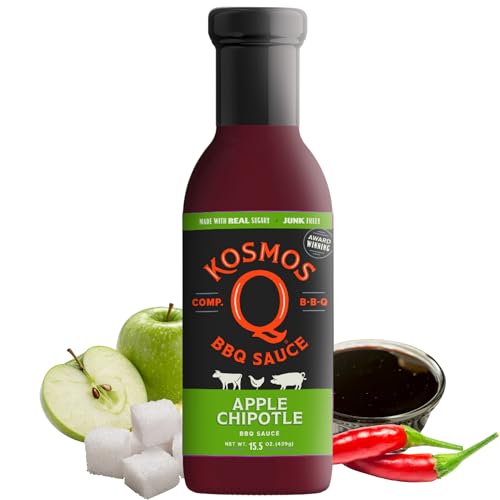
Kosmo's Q has built a strong following among competitive pitmasters who want a glaze that photographs well and tastes even better. The honey chipotle variant brings a natural sweetness that caramelizes into a beautiful mahogany color. The chipotle adds a mild smokiness on top of whatever wood you are already using in the pit. The heat level sits low enough that it does not alienate judges who prefer milder profiles. This is especially effective on St. Louis-style spare ribs where you want a thick, sticky bite-through bark. The bottle is generously sized for the price and mixes well with Blues Hog if you want to create a custom blend for a signature flavor.
Sweet Baby Ray's Hickory & Brown Sugar - Best Budget Pick
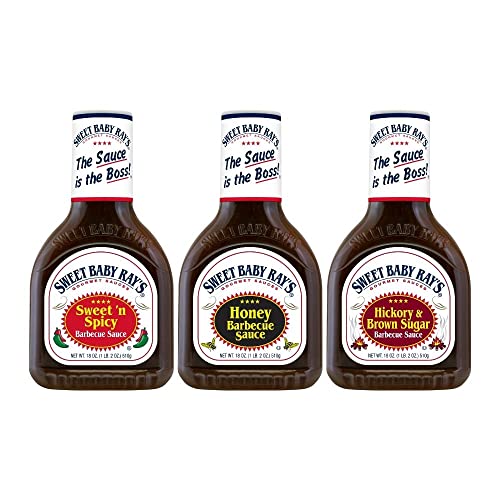
Do not let the grocery-store reputation fool you. Sweet Baby Ray's Hickory & Brown Sugar performs above its price point when applied correctly. The hickory smoke flavoring is subtle and integrates naturally on the palate. For backyard competitions or lower-stakes amateur events, this sauce delivers consistent results without the premium price tag. The thinner viscosity means you need to apply it closer to the end of the cook and may want two coats. It layers well under a finishing glaze from a more complex sauce if you want to build depth affordably. Keep a bottle in your cooler kit as a reliable backup.

Killer Hogs The BBQ Sauce - Best for Beef
Malcom Reed's Killer Hogs line has earned competition credibility over years of high-profile wins. The BBQ Sauce flagship is formulated with beef in mind, making it a standout choice for brisket turn-in boxes and beef short ribs. It leans savory with a tomato base that carries garlic and onion notes alongside its sweetness. The balance keeps beefy umami at the front while the sauce plays a supporting role rather than dominating. For brisket competition, it is best painted on during the final wrap-off period so the surface stays moist and the flavor develops without a heavy char. A bottle also works as a dipping sauce served alongside sliced brisket in the turn-in box.
Lillie's Q Carolina Sauce - Best Vinegar-Based
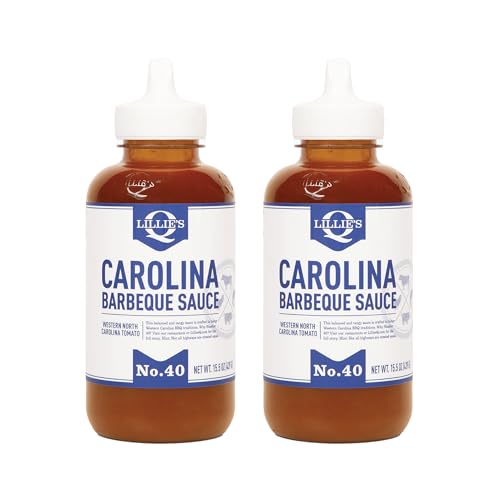
Carolina-style vinegar sauce is an acquired taste for some judges but a winning formula when paired with whole hog or pulled pork. Lillie's Q Carolina Sauce hits the tangy, peppery notes of a traditional eastern Carolina recipe while staying approachable enough for mixed judging panels. The thin consistency means it absorbs into pulled pork rather than pooling on top, which creates a more integrated flavor throughout the meat. If you are competing in a whole hog category or want to differentiate your pulled pork box with a regional flair, this is the sauce to reach for. It also keeps well in a cooler for multi-day competition trips and does not require refrigeration until opened.
Before you buy
What to consider
Start with the protein category you are entering. Beef benefits from savory, lower-sugar sauces while pork can handle sweeter glazes. Check the competition rules because some events restrict commercial sauces or require disclosure. Thicker sauces work better for appearance scores since they cling and set into a glossy bark. Thinner sauces absorb into the meat and improve taste scores. Consider the judging region: Kansas City panels often favor sweet profiles while Carolina and Texas judges reward meat-forward flavors where sauce is secondary. Test your sauce at practice cooks well before competition day so you understand how it behaves at your target temperature.
What to consider
For more grilling and cooking gear reviewed for real performance, see our [best outdoor grills guide](/articles/best-outdoor-grills) and [best BBQ thermometers guide](/articles/best-bbq-thermometers). Learn how we evaluate every product at our [methodology page](/methodology).
Quick answers
Competition BBQ sauces need balanced sweetness, acidity, and smokiness that complement the meat without masking it. Judges look for layers of flavor that develop during the cook. A sauce that glazes evenly and caramelizes without burning scores better in appearance and taste categories.
Most competition pitmasters apply sauce in the final 15 to 30 minutes of cooking. Adding it too early causes sugars to burn and creates a bitter crust. Layering two thin coats with a few minutes between them builds a glossy, sticky finish that holds up to judging.
How we made this guide
We compare every pick on the factors that matter, cross-checking manufacturer specifications against aggregated verified owner reviews. We rank independently and never take payment for placement. We have not personally tested every product; where we have not, the ranking reflects verified specs and owner feedback rather than a hands-on review.
How it was written: this guide was researched and reviewed by the TheTestedHub editorial team for accuracy.
Affiliate disclosure: TheTestedHub is reader-supported. When you buy through links on our site, we may earn a commission at no extra cost to you.
More to explore
Taste Better BBQ With Sauces That Fit Your Style
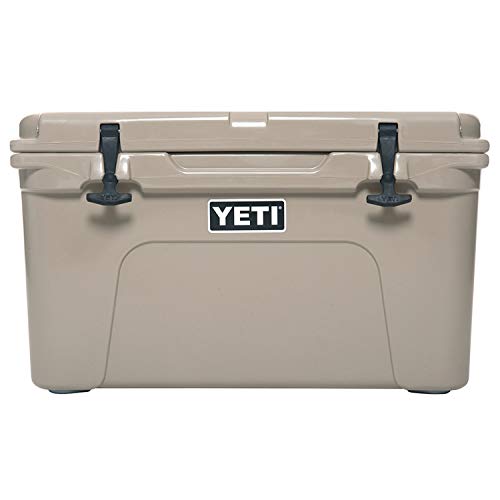
Which BBQ Cooler Best Freezes? Yeti Tundra 45 Reviewed

Choosing Your Perfect Smoker: A Buyer’s Guide

Experts Recommend the Best BBQ Tools of 2026
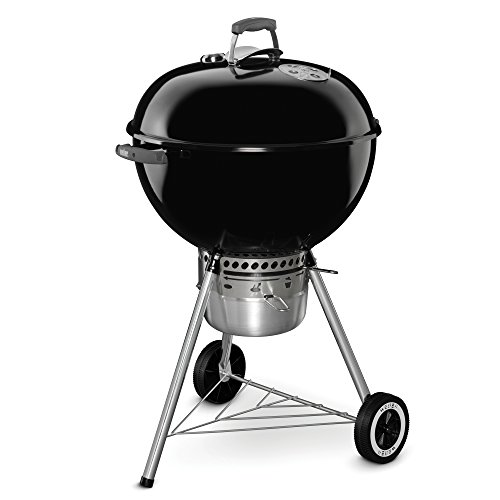
BBQ & Grilling for Every Budget: Find Your Perfect Grill

What’s the Best Greenhouse Kit for Your Garden?

Sprinkler Timers Reviewed: Why the Rachio 3 Wins in 2026
