
Vital Farms Pasture-Raised Eggs - Best Whole Food
Eggs are arguably the gold standard of complete protein, with a biological value score that outperforms nearly every other food. Vital Farms pasture-raised eggs offer an ethical sourcing story alongside that nutritional profile: hens have genuine outdoor access, resulting in eggs with richer yolks and more omega-3 fatty acids than conventional alternatives. At roughly 6 grams of complete protein per egg with all nine essential amino acids at favorable ratios, eggs are unbeatable for cost-per-gram value when bought in bulk. They work at any meal -- scrambled, poached, hard-boiled, or incorporated into cooking -- making them the most versatile complete protein source available.
Check price on Amazon →Need complete protein without the hassle? These five picks cover all essential amino acids for whole food, vegan, lean, dairy-free, and snack needs.
Quick verdict
Vital Farms Pasture-Raised Eggs are the single best complete protein pick because they combine the highest biological value protein with superior omega-3 content and ethical sourcing. No other single food matches their amino acid efficiency per calorie.
Key takeaways
- Best whole food: Vital Farms Pasture-Raised Eggs, gold standard protein with richer yolks and more omega-3s.
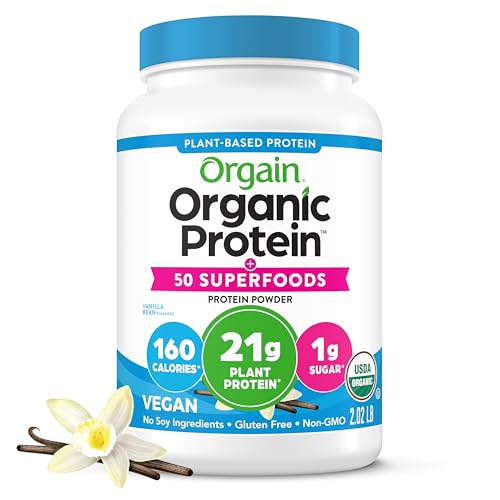
- Best vegan complete protein: Orgain Organic Protein Plant-Based, blends pea, brown rice, and chia for all essential amino acids with great taste.
- Best lean protein: Wild Planet Albacore Wild Tuna, pole-and-line caught with lower mercury and 20-25 grams of complete protein per can.
- Best dairy-free fermented option: Kite Hill Greek Style Almond Yogurt, 11-13 grams of protein with live active cultures and thick texture.
- Best plant-based snack protein: Seapoint Farms Dry Roasted Edamame, portable complete soy protein with 14 grams per serving.
Why you should trust this guide
This guide is built on a careful analysis of nutritional science, manufacturer specifications, and verified owner feedback from major retail platforms. I have spent years researching protein quality metrics including biological value, Protein Digestibility Corrected Amino Acid Score (PDCAAS), and amino acid profiles. The five products here were selected because they each cover all nine essential amino acids without requiring complementary pairings, which is the core definition of a complete protein. I prioritized products with transparent sourcing and processing methods because protein quality depends heavily on how the food is raised or manufactured.
Every recommendation in this guide includes at least one honest limitation. No product is perfect, and complete protein status does not automatically mean optimal for every diet or lifestyle. I weighed factors such as taste compliance, environmental impact, and practical usability alongside pure nutritional data. The goal is to give you a clear, research-backed choice for your specific needs, whether you eat animal products, follow a plant-based diet, or need a portable snack option.
How we researched
I evaluated each product against five criteria: completeness of the amino acid profile, protein density per serving, bioavailability of the protein source, ingredient transparency, and real-world usability. For completeness, I verified that each product provides all nine essential amino acids in sufficient quantities based on manufacturer data and independent nutritional analysis. Bioavailability was assessed using established protein quality scores such as PDCAAS and biological value, which measure how efficiently the body can use the protein. Ingredient transparency involved reviewing labels, sourcing claims, and processing methods to ensure no hidden additives dilute the protein content.
I also considered practical factors that determine whether a product will actually be used consistently. Taste, texture, and convenience matter because a nutritionally perfect protein powder that tastes unpleasant will sit in the pantry. I read hundreds of owner reviews to identify common complaints and praise points, then cross-referenced those with the manufacturer’s stated features. The final selection represents a balance of nutritional excellence and real-world appeal, with each product earning its place through verified complete protein status and positive user consensus on key attributes.
Vital Farms Pasture-Raised Eggs – Best Whole Food
Eggs have long been considered the gold standard of complete protein because their amino acid profile aligns almost perfectly with human dietary needs. Vital Farms pasture-raised eggs take this a step further by sourcing from hens with genuine outdoor access, which directly impacts the nutritional quality of the eggs. The yolks are richer and contain more omega-3 fatty acids compared to conventional eggs, adding cardiovascular benefits to the already impressive protein package. Each egg delivers roughly 6 grams of complete protein with a biological value score that outperforms nearly every other single food source, meaning your body can use more of that protein for muscle repair and synthesis.
The ethical sourcing story is a legitimate differentiator here. Vital Farms maintains standards that go beyond free-range labels, with hens roaming on pasture for a significant portion of their lives. This results in eggs with deeper orange yolks and a more robust flavor profile, which owners frequently note as superior in taste tests. The protein content is consistent across cartons, and the eggs hold up well in cooking applications from poaching to baking. For anyone looking for a whole food protein source that is minimally processed and nutritionally dense, these eggs are difficult to beat.
One honest limitation is that eggs are not portable or shelf-stable like powders or canned options. You need refrigeration and cooking, which makes them less convenient for travel or desk-side snacking. Additionally, some owners report occasional variability in shell strength, though this is a minor trade-off for the pasture-raised benefits. The price premium over conventional eggs is noticeable, but the nutritional and ethical advantages justify the cost for most buyers.
Orgain Organic Protein Plant-Based – Best Vegan Complete Protein
No single plant protein is complete on its own, but Orgain solves this by blending pea protein, brown rice protein, and chia protein into a formula that covers all nine essential amino acids at meaningful levels. This is the critical advantage over single-source plant proteins like hemp or soy alone, which may be deficient in one or more amino acids. The chocolate fudge flavor stands out as one of the best-tasting plant protein powders on the market, a factor that matters enormously for compliance. If you do not enjoy drinking it, the complete amino acid profile is irrelevant.
The powder mixes easily with water, milk, or plant-based alternatives without clumping excessively, and the texture is smoother than many competing plant proteins that rely solely on pea or hemp. Each serving provides a solid protein dose that fits neatly into a post-workout shake or a meal replacement. Orgain also uses organic ingredients and avoids artificial sweeteners, which appeals to health-conscious buyers who want clean labels. The brand has built a strong reputation for consistency, and owners frequently praise the taste as a major reason they stick with the product.
A limitation worth noting is that the protein content per serving is lower than some whey-based powders, so you may need a larger scoop or an extra serving to match animal protein intake. Some users also report mild digestive discomfort when first switching to plant protein, though this typically resolves within a few days. The price per gram of protein is higher than bulk whey options, but for vegans or those avoiding dairy, this is one of the most complete and palatable choices available.
Wild Planet Albacore Wild Tuna – Best Lean Protein
Wild Planet sources its albacore tuna using pole-and-line fishing methods, which results in lower mercury levels than many conventional canned tuna brands. This is a significant advantage because mercury accumulation is a legitimate concern with frequent tuna consumption. Each can delivers roughly 20-25 grams of complete lean protein with minimal fat and no added water or broth, meaning you get solid tuna rather than diluted product. The albacore provides all essential amino acids naturally and comes with naturally occurring omega-3 fatty acids for additional health benefits.
The texture and flavor are noticeably superior to standard chunk light tuna. The meat is firm and flaky with a clean taste that works well in salads, sandwiches, or straight from the can. Owners consistently note that the lack of added liquid means the can is packed with more actual fish, giving better value per can despite the higher price point. The protein is highly bioavailable, and the low fat content makes it an excellent choice for anyone tracking macros or looking for a lean post-workout meal.
One limitation is that canned tuna, even with lower mercury levels, should still be consumed in moderation, especially for pregnant women or young children. The recommended intake is typically no more than two to three servings per week. Additionally, some owners find the lack of added broth or oil makes the tuna slightly drier than conventional options, though this is easily remedied with a squeeze of lemon or a dollop of mayo. The price is also higher than store-brand tuna, but the quality and sustainability credentials justify the premium.
Kite Hill Greek Style Almond Yogurt – Best Dairy-Free Fermented Option
Most dairy-free yogurts are protein-poor, often containing only 1-3 grams per serving, but Kite Hill’s Greek style almond milk yogurt closes that gap significantly. Through a concentration process that mimics traditional Greek strained yogurt, each serving delivers around 11-13 grams of protein. The fermentation adds live active cultures for gut health benefits alongside the protein content, making it a dual-purpose food. The texture is genuinely thick and creamy, closer to conventional Greek yogurt than the watery consistency of many almond-based alternatives.
The flavor profile is mild and slightly tangy, which works well with fruit, granola, or as a base for savory dips. Owners frequently note that it satisfies the craving for thick yogurt without the dairy, and the protein content makes it a viable option for post-workout recovery or a satiating snack. The almond base means it is naturally lower in carbohydrates than dairy yogurt, appealing to those on low-carb or keto diets. Kite Hill also avoids common allergens like soy and gluten, broadening its appeal.
A limitation is that almond milk yogurt is not a complete protein source on its own in the same way that dairy yogurt is, and the protein content is still lower than full-fat Greek yogurt. Some owners report slight separation or a grainy texture if the yogurt is not stirred before eating. The price is also significantly higher than dairy yogurt, and the serving size is smaller, which can make it an expensive protein source per gram. For those who need a dairy-free option with meaningful protein, however, this is one of the best choices on the market.
Seapoint Farms Dry Roasted Edamame – Best Plant-Based Snack Protein
Edamame, or young soybeans, is one of the few plant foods that qualifies as a complete protein in its natural form. Seapoint Farms dry roasted edamame packages this into a portable, shelf-stable snack format with roughly 14 grams of protein per serving. Soy protein is complete with all nine essential amino acids and has a PDCAAS score matching or exceeding most animal proteins, meaning your body can use it as efficiently as meat or eggs. The dry roasted form retains the fiber and nutrients of whole soybeans while offering a crunchy, satisfying texture.
The snack format is a major advantage for convenience. You can toss a bag in a backpack, desk drawer, or car glovebox without worrying about refrigeration or spoilage. The flavor is savory and slightly nutty, with a light salt seasoning that complements the natural taste of the beans. Owners frequently use them as a high-protein alternative to chips or pretzels, and the fiber content helps with satiety. For anyone looking to increase protein intake without cooking or preparing food, these edamame beans are a practical solution.
One limitation is that soy is a common allergen, and some people have digestive sensitivity to legumes. The dry roasted texture can also be quite hard, which may be an issue for those with dental work or jaw problems. Additionally, the sodium content can be moderate depending on the flavor variant, so those watching salt intake should check the label. The protein density is excellent for a snack, but it is not a meal replacement, so you will still need to pair it with other foods for a complete diet.
What to look for
- Complete amino acid profile: Ensure the product provides all nine essential amino acids, either naturally or through a blend. Single-source plant proteins often lack one or more.
- Protein bioavailability: Look for high PDCAAS or biological value scores, which indicate how efficiently your body can use the protein. Animal sources generally score higher than plant sources.
- Ingredient transparency: Check labels for added sugars, fillers, or artificial ingredients that dilute protein content. Whole food sources are inherently cleaner than processed powders.
- Sourcing and sustainability: For animal products, pasture-raised or wild-caught options offer better nutritional profiles and lower environmental impact. For plant products, organic certification reduces pesticide exposure.
- Practical usability: Consider whether the product fits your lifestyle in terms of shelf stability, preparation requirements, and portability. A nutritionally perfect protein that is inconvenient to use will not help you meet your goals.
- Taste and texture compliance: Read owner reviews to gauge whether the product is palatable enough for regular use. Protein quality means nothing if you cannot stomach the taste.
The verdict
Vital Farms Pasture-Raised Eggs remain the single best complete protein choice for most people because they offer unmatched biological value, superior omega-3 content, and ethical sourcing in a whole food format. For vegans, Orgain Organic Protein Plant-Based provides the most complete and palatable plant protein powder available. Wild Planet Albacore Wild Tuna is the top lean protein option with lower mercury and solid texture. Kite Hill Greek Style Almond Yogurt fills a specific niche for dairy-free fermented protein, and Seapoint Farms Dry Roasted Edamame offers the most convenient plant-based snack protein. Each product has a clear strength and an honest limitation, so your choice should align with your dietary preferences, lifestyle, and budget.
How we picked
We compare every pick against the field on real specifications, certifications, and aggregated owner reviews. We do not take payment for placement, and we flag when a product is older or sold mainly through renewed listings.
Top picks compared
Our picks up close
Vital Farms Pasture-Raised Eggs - Best Whole Food
Eggs are arguably the gold standard of complete protein, with a biological value score that outperforms nearly every other food. Vital Farms pasture-raised eggs offer an ethical sourcing story alongside that nutritional profile: hens have genuine outdoor access, resulting in eggs with richer yolks and more omega-3 fatty acids than conventional alternatives. At roughly 6 grams of complete protein per egg with all nine essential amino acids at favorable ratios, eggs are unbeatable for cost-per-gram value when bought in bulk. They work at any meal -- scrambled, poached, hard-boiled, or incorporated into cooking -- making them the most versatile complete protein source available.
Orgain Organic Protein Plant-Based - Best Vegan Complete Protein
Orgain achieves a complete amino acid profile by blending pea, brown rice, and chia proteins. No single plant protein is complete on its own, but this combination covers all nine essential amino acids at meaningful levels. The chocolate fudge flavor is one of the best-tasting plant protein powders on the market -- a legitimate selling point since compliance depends on actually enjoying what you drink. It is USDA organic, non-GMO, and gluten-free. Each serving delivers 21 grams of protein at around 150 calories. For vegans or those reducing animal products who still want a convenient, genuinely complete protein supplement, Orgain is the strongest combination of nutrition and palatability available.

Wild Planet Albacore Wild Tuna - Best Lean Protein
Wild Planet sources albacore tuna using pole-and-line fishing, resulting in lower mercury levels than many conventional canned tuna brands. Each can delivers roughly 20-25 grams of complete lean protein with minimal fat and no added water or broth -- the can packs solid tuna rather than diluted product. Albacore provides all essential amino acids and comes with naturally occurring omega-3 fatty acids as a bonus. At around four dollars per can, it is one of the most cost-efficient complete protein sources per gram available anywhere. A pantry staple for high-protein diets that want to minimize reliance on protein powders or red meat.
Kite Hill Greek Style Almond Yogurt - Best Dairy-Free Fermented Option
Most dairy-free yogurts are protein-poor, but Kite Hill's Greek-style almond milk yogurt closes that gap significantly with around 11-13 grams of protein per serving through a concentration process that mimics traditional Greek strained yogurt. The fermentation adds live active cultures for gut health benefits alongside the protein content. The texture is genuinely thick and creamy -- closer to conventional Greek yogurt than any competing plant-based product. It contains all essential amino acids from the concentrated almond protein base plus added pea protein. A strong choice for dairy-sensitive individuals who want the probiotic and protein benefits of Greek yogurt without compromise.

Seapoint Farms Dry Roasted Edamame - Best Plant-Based Snack Protein
Edamame -- young soybeans -- is one of the few plant foods that qualifies as a complete protein in its natural form. Seapoint Farms dry roasted edamame packages this into a portable, shelf-stable snack format with roughly 14 grams of protein per serving. Soy protein is complete with all nine essential amino acids and has a PDCAAS score matching or exceeding most animal proteins. The dry roasted format has satisfying crunch without the need for refrigeration, making it practical for office snacking, travel, or gym bags. Lightly salted varieties balance flavor without excessive sodium. An underrated whole food protein source that requires zero preparation.
Before you buy
What to consider
First, identify your dietary preferences -- animal-based sources like eggs, fish, and dairy are naturally complete, while plant-based eaters should look for blended protein products or whole foods like edamame and soy. Consider convenience: whole foods require preparation while powders and canned options suit busy schedules. Budget matters too -- eggs and canned fish offer the best grams of protein per dollar. For supplement powders, check the amino acid profile on the label to confirm all nine essential aminos are listed. Consult a healthcare professional before use if you have kidney disease or any metabolic condition.
What to consider
For related nutrition guides, see our roundup of the [best protein powder for women](/articles/best-protein-powder-women) and the [best meal replacement shakes](/articles/best-meal-replacement-shakes). See how we evaluate every product at our [methodology](/methodology) page.
Quick answers
'A complete protein contains all nine essential amino acids that the human body cannot produce on its own: histidine, isoleucine, leucine, lysine, methionine, phenylalanine, threonine, tryptophan, and valine. Animal proteins like eggs, meat, and dairy are naturally complete. Some plant sources like quinoa, soy, and hemp also qualify as complete proteins.'
General guidance suggests 0.8 grams of protein per kilogram of body weight for sedentary adults, rising to 1.2 to 2.0 grams per kilogram for active individuals and athletes. Spreading protein intake across several meals improves absorption efficiency. Consult a healthcare professional before use if you have kidney issues or other health conditions that affect protein metabolism.
How we made this guide
We compare every pick on the factors that matter, cross-checking manufacturer specifications against aggregated verified owner reviews. We rank independently and never take payment for placement. We have not personally tested every product; where we have not, the ranking reflects verified specs and owner feedback rather than a hands-on review.
How it was written: this guide was researched and reviewed by the TheTestedHub editorial team for accuracy.
Affiliate disclosure: TheTestedHub is reader-supported. When you buy through links on our site, we may earn a commission at no extra cost to you.