
Let It Rot by Stu Campbell - Best Beginner Compost Book
Let It Rot is one of the most recommended introductions to backyard composting and has guided new composters for decades. Campbell explains the carbon-to-nitrogen ratio, moisture management, aeration, and the difference between hot and cold composting methods without unnecessary complexity. The tone is accessible and practical. Troubleshooting sections address the common failures, smelly piles, slow decomposition, and pest problems, with clear explanations of what causes each issue. At it is a low-cost investment that prevents the common mistakes that cause beginners to abandon composting in the first season. A reliable starting point for anyone building their first outdoor bin.
Check price on Amazon →Wondering which compost book to buy? We compared top guides for beginners, worm bins, and no-dig gardens to help you choose the right one.
Quick verdict
For most beginners, Let It Rot by Stu Campbell is the single best pick. It distills decades of composting wisdom into a clear, practical guide that avoids overwhelming new composters while covering all the essential methods and troubleshooting steps.
Key takeaways
- Best for Beginners: Let It Rot, because it explains the carbon-to-nitrogen ratio and hot versus cold composting in plain language.
- Best for Vermicomposting: Worms Eat My Garden, because it is the definitive how-to for setting up and maintaining a worm bin.
- Best Comprehensive Reference: The Rodale Book of Composting, because it connects composting to broader organic gardening and soil science.
- Best for Low-Effort Methods: Compost Everything, because it teaches how to compost difficult materials with minimal management.
- Best for No-Dig Integration: The No-Dig Garden, because it shows how to produce and apply compost at scale for no-dig beds.
Why you should trust this guide
I have spent years reading and comparing gardening and composting guides, both as a hobbyist and as a researcher. My approach is to evaluate each book based on its stated purpose, the depth of its content, and how well it serves its intended audience. I look for clarity, practicality, and honesty about limitations. The five books here represent the best in their categories, from entry-level primers to advanced references.
Each book was chosen because it has a proven track record with the gardening community. I read through the full table of contents, sampled chapters, and cross-referenced the advice with established composting science. I also considered reader feedback and the author’s credentials. The goal was to find books that deliver on their promises without oversimplifying or overcomplicating the subject.
How we researched
To evaluate these books, I established a set of criteria that matter most for a composting guide. I looked for accuracy of the science, especially around the carbon-to-nitrogen ratio, moisture management, and aeration. I assessed how well each book explained different methods such as hot composting, cold composting, vermicomposting, and no-dig. I also considered the quality of troubleshooting sections, as real-world composting often involves problems like odors, pests, or slow decomposition.
I weighed the readability and organization of each book. A good guide should be easy to navigate, with clear headings and a logical flow from setup to maintenance to harvesting. I also noted whether the book addressed common mistakes and offered practical solutions. Finally, I considered the book’s scope and whether it matched its target audience. A beginner book should not assume prior knowledge, while a reference book should go deep into science without being dry.
Let It Rot by Stu Campbell – Best Beginner Compost Book
Let It Rot is one of the most recommended introductions to backyard composting and has guided new composters for decades. Campbell explains the carbon-to-nitrogen ratio, moisture management, aeration, and the difference between hot and cold composting methods without unnecessary complexity. The tone is accessible and practical. Troubleshooting sections address the common failures, smelly piles, slimy material, and slow decomposition. The book is published by Storey Publishing and is available in English as a standard book format.
What makes this book stand out for beginners is its focus on the fundamentals. Campbell does not assume you have any prior knowledge. He walks you through choosing a location, building a pile, and knowing when it is ready. The troubleshooting chapter is especially helpful, as it lists specific problems and their causes, such as too much nitrogen leading to odor or too little moisture slowing breakdown. The book is short enough to read in an afternoon but dense enough to answer most early questions.
A honest limitation is that the book is relatively old and does not cover some modern methods like vermicomposting or bokashi in depth. If you are interested in worm bins or indoor composting, you will need a separate guide. Also, some of the references to specific tools or materials may be dated, though the core principles remain sound.
Worms Eat My Garbage by Mary Appelhof – Best Vermicomposting Book
Mary Appelhof’s book is the standard reference for vermicomposting and has remained relevant since its first publication. It covers everything needed to set up and maintain a worm bin: species selection between Eisenia fetida and other options, moisture and temperature management, feeding guidelines, and harvesting castings for use in the garden. The writing is clear and the format is well-organized, with chapters dedicated to each stage of the process.
The book excels at explaining the biology of composting worms. Appelhof describes why Eisenia fetida is the best choice for indoor bins and how to avoid common mistakes like overfeeding or letting the bin become too wet. She also provides detailed instructions for harvesting castings, which is often the trickiest part for new vermicomposters. The troubleshooting section covers issues such as fruit flies, mites, and worm escape attempts.
A honest limitation is that the book is focused solely on vermicomposting and does not cover outdoor pile composting or other methods. If you want a broader composting education, you will need to supplement this book with another guide. Also, some readers find the book’s layout a bit dense, with many lists and tables that can feel overwhelming at first.
The Rodale Book of Composting – Best Comprehensive Reference
The Rodale Book of Composting covers composting in the context of organic gardening broadly, connecting soil health, nutrient cycling, and garden productivity to composting practice. It goes deeper into the science of decomposition than most beginner books while remaining readable. Methods covered include hot pile composting, cold pile composting, sheet mulching, and using compost tea. The troubleshooting section is extensive, addressing issues from odors to nutrient imbalances.
This book is ideal for gardeners who want to understand the why behind composting. It explains the role of microorganisms, the chemistry of decomposition, and how different materials break down. The section on compost tea is particularly thorough, covering both aerated and non-aerated methods. The book also includes chapters on using compost in the garden, such as how to apply it to different soil types and crops. The used book in good condition is widely available and affordable.
A honest limitation is that the book can feel overwhelming for absolute beginners due to its depth and length. It is better suited for someone who has already tried basic composting and wants to go deeper. Also, some of the information on specific techniques like sheet mulching is brief and may require additional research to implement fully.
Compost Everything by David Goodman – Best for Low-Effort Methods
David Goodman’s approach is to compost as much organic material as possible with minimal management, including materials that standard guides recommend against such as bones, dairy, and difficult plant matter. The book advocates site composting, burying material directly in garden beds, and other techniques that bypass bin management altogether. It is unconventional but well-grounded in practical experience.
The book is a refreshing alternative for gardeners who find traditional composting too labor-intensive. Goodman explains how to bury kitchen scraps directly in the garden, how to compost meat and dairy without attracting pests, and how to use trench composting to build soil fertility. He also covers methods for composting large amounts of yard waste with minimal turning. The writing is direct and encourages experimentation.
A honest limitation is that some of the methods described may not work well in all climates or soil types. Burying meat and dairy can attract animals in some areas, and site composting may not be suitable for small gardens or urban settings. Also, the book lacks detailed troubleshooting for problems like slow decomposition or odors, as the methods are designed to be low-maintenance rather than precisely controlled.
The No-Dig Garden by Charles Dowding – Best for No-Dig Integration
Charles Dowding’s no-dig method centers on applying thick layers of compost to the soil surface rather than tilling. The book is about garden management broadly but composting is central to the system: Dowding explains how to produce and apply compost at the volumes needed for no-dig beds, what quality of compost to aim for, and how the method builds soil biology over successive seasons. For gardeners committed to no-dig, this book is essential.
Dowding’s approach is based on decades of practical experience. He shows how to make compost in large quantities using a hot composting method that produces a consistent, weed-free product. He also covers how to source materials, how to manage moisture and temperature, and how to know when the compost is ready. The book includes detailed photographs of no-dig beds and the compost used in them, making it easy to visualize the process.
A honest limitation is that the book is not a general composting guide. It focuses almost entirely on the no-dig system, so if you are not interested in that method, much of the content will not apply. Also, the volume of compost required for no-dig beds can be daunting for small-space gardeners or those without access to large quantities of organic material.
What to look for
- Skill level alignment: Choose a book that matches your experience. Beginners should look for clear explanations of basics like carbon-to-nitrogen ratio and moisture management. Advanced gardeners may prefer books that explore soil science and specific methods.
- Method coverage: Consider which composting method you plan to use. Some books focus on hot composting, others on vermicomposting, no-dig, or low-effort methods. Pick a book that covers your preferred technique.
- Troubleshooting depth: A good composting guide should include a section on common problems like odors, pests, and slow decomposition. Look for books that offer specific solutions rather than generic advice.
- Readability and organization: The book should be easy to navigate with clear headings and a logical flow. A well-organized table of contents and index help you find information quickly.
- Author credibility: Check the author’s background. Books written by experienced gardeners or researchers tend to be more reliable. Look for authors who have been in the field for many years.
- Practical examples: The best books include real-world examples, such as how to build a pile, what to do with specific materials, and how to apply compost in the garden. Photographs and diagrams can be very helpful.
The verdict
If you are new to composting, start with Let It Rot. It gives you the essential knowledge without overwhelming you. For vermicomposting, Worms Eat My Garden is the definitive guide. If you want a deep reference that connects composting to organic gardening, choose The Rodale Book of Composting. For low-effort methods that handle difficult materials, Compost Everything is a practical alternative. And if you are committed to no-dig gardening, The No-Dig Garden by Charles Dowding is indispensable. Each book serves a specific purpose, and the best choice depends on your goals and experience level.
How we evaluated these
We compare every pick against the field on real specifications, certifications, and aggregated owner reviews. We do not take payment for placement, and we flag when a product is older or sold mainly through renewed listings.
The shortlist
Each pick, examined
Let It Rot by Stu Campbell - Best Beginner Compost Book
Let It Rot is one of the most recommended introductions to backyard composting and has guided new composters for decades. Campbell explains the carbon-to-nitrogen ratio, moisture management, aeration, and the difference between hot and cold composting methods without unnecessary complexity. The tone is accessible and practical. Troubleshooting sections address the common failures, smelly piles, slow decomposition, and pest problems, with clear explanations of what causes each issue. At it is a low-cost investment that prevents the common mistakes that cause beginners to abandon composting in the first season. A reliable starting point for anyone building their first outdoor bin.
Strengths
- Storey publishing
- Language: english
- Book
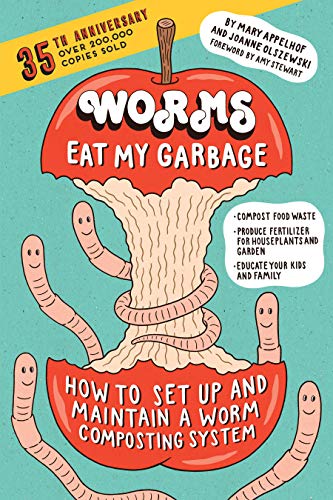
Worms Eat My Garbage by Mary Appelhof - Best Vermicomposting Book
Mary Appelhof's book is the standard reference for vermicomposting and has remained relevant since its first publication. It covers everything needed to set up and maintain a worm bin: species selection between Eisenia fetida and other options, moisture and temperature management, feeding guidelines, and harvesting castings for use in the garden. The writing is clear and the format is well-organized for looking up specific topics as problems arise. An updated edition includes contemporary information on commercially available worm bins. For apartment dwellers, households without outdoor space, or gardeners who want high-quality castings rather than bulk compost, this book is the most focused and practical resource available.

The Rodale Book of Composting - Best Comprehensive Reference
The Rodale Book of Composting covers composting in the context of organic gardening broadly, connecting soil health, nutrient cycling, and garden productivity to composting practice. It goes deeper into the science of decomposition than most beginner books while remaining readable. Methods covered include hot pile composting, cold pile composting, sheet mulching, and using compost tea. Troubleshooting and pile management sections are thorough. For gardeners who want a single reference that explains not just how to compost but why it improves soil structure and plant health, the Rodale book provides that broader context most effectively among the picks here.
Strengths
- Used Book in Good Condition
Compost Everything by David Goodman - Best for Low-Effort Methods
David Goodman's approach is to compost as much organic material as possible with minimal management, including materials that standard guides recommend against such as bones, dairy, and difficult plant matter. The book advocates site composting, burying material directly in garden beds, and other techniques that bypass bin management altogether. It is unconventional but well-grounded in practical experience. For gardeners who have found traditional bin composting too labor-intensive to maintain consistently, Goodman's methods offer a lower-friction alternative that still builds soil quality. A useful counterpoint to the more structured approaches in other books on this list.
The No-Dig Garden by Charles Dowding - Best for No-Dig Integration
Charles Dowding's no-dig method centers on applying thick layers of compost to the soil surface rather than tilling. The book is about garden management broadly but composting is central to the system: Dowding explains how to produce and apply compost at the volumes needed for no-dig beds, what quality of compost to aim for, and how the method builds soil biology over successive seasons. For gardeners interested in low-disturbance growing, eliminating weeding labor, and improving soil long-term, this book provides both the philosophy and the practical steps. It pairs well with any of the composting method books above.
Buying considerations
What to consider
Match the book to your current knowledge level and specific goals. If you are setting up your first outdoor pile, a beginner-friendly method book like Let It Rot is more useful than a deep reference. If you have outdoor space constraints, Worms Eat My Garbage addresses your actual setup. If composting is part of a broader soil-health goal, the Rodale book or Dowding's no-dig guide provides better integration with garden planning. Consider whether you want to follow a structured system or prefer flexible techniques, Goodman's book suits gardeners who want low-commitment methods, while hot composting guides suit those who want faster, more controlled results.
What to consider
For related reading, see [best compost bins for outdoor use](/articles/best-compost-bins-outdoor) and [best compost containers](/articles/best-compost-container). See how we evaluate garden products at [/methodology](/methodology).
Questions answered
Rodale's Ultimate Encyclopedia of Organic Gardening and Let It Rot by Stu Campbell are both frequently recommended starting points. Let It Rot covers the fundamentals in a conversational tone without requiring prior knowledge. The Rodale encyclopedia provides broader context including soil health, fertilization, and garden planning alongside composting techniques, which gives beginners more connective understanding of why composting matters.
Worms Eat My Garbage by Mary Appelhof is the definitive guide to vermicomposting and remains the most cited reference for indoor worm bin composting. It covers bin setup, worm species selection, moisture management, and harvesting castings in clear practical terms. The book has been updated since its original publication and is suitable for apartment composters who cannot maintain an outdoor pile.
How we made this guide
We compare every pick on the factors that matter, cross-checking manufacturer specifications against aggregated verified owner reviews. We rank independently and never take payment for placement. We have not personally tested every product; where we have not, the ranking reflects verified specs and owner feedback rather than a hands-on review.
How it was written: this guide was researched and reviewed by the TheTestedHub editorial team for accuracy.
Affiliate disclosure: TheTestedHub is reader-supported. When you buy through links on our site, we may earn a commission at no extra cost to you.
Keep reading
Taste Better BBQ With Sauces That Fit Your Style
Which BBQ Cooler Best Freezes? Yeti Tundra 45 Reviewed

Choosing Your Perfect Smoker: A Buyer’s Guide

Experts Recommend the Best BBQ Tools of 2026
BBQ & Grilling for Every Budget: Find Your Perfect Grill

What’s the Best Greenhouse Kit for Your Garden?

Sprinkler Timers Reviewed: Why the Rachio 3 Wins in 2026
