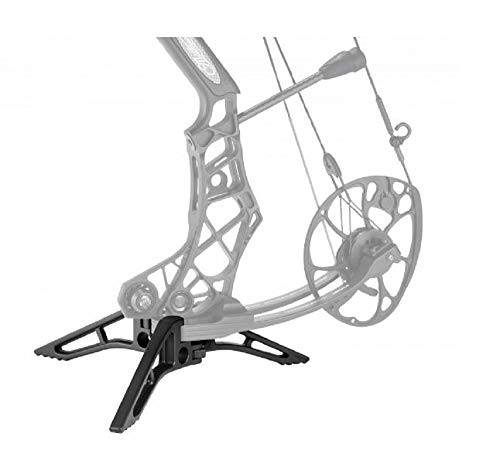
Mathews V3X 29 - Best for Treestand Hunters
The Mathews V3X 29 has become a favorite among dedicated whitetail hunters because of its combination of compact size, quiet shot, and Mathews' reputation for cam consistency over a full hunting season. At 29 inches axle-to-axle it fits comfortably in a treestand without limb contact issues, and the 6-inch brace height provides forgiveness when you are shooting from an awkward angle at a deer that did not follow the script. The CROSSCENTRIC cam produces a smooth draw with a solid wall, and the Engage Grip keeps torque out of the shot under pressure. IBO speeds up to 343 fps with a 75 percent let-off make holding for a shot window very manageable. The dead-on-release feel is what loyal Mathews users come back for season after season.
Check price on Amazon →Find your perfect match for the woods. I compared the top compound bows for whitetail hunting based on real-world performance, forgiveness, and.
Quick verdict
The Mathews V3X 29 is the single best pick for whitetail hunters because its compact 29-inch axle-to-axle design, 6-inch brace height, and proven cam consistency deliver the quietest, most forgiving shot from a treestand without sacrificing accuracy at typical hunting distances.
Key takeaways
- Best for Treestand Hunters: Mathews V3X 29, compact and quiet with a forgiving brace height for awkward angles.
- Best for Open Hardwood Stands: Hoyt Ventum 33, longer axle-to-axle adds stability for shots beyond 30 yards.
- Best Mid-Price Hunting Bow: Bear Archery Redemption EKO, high performance with a 7-inch brace height for forgiveness at a lower cost.
- Best for Mobile and Saddle Hunters: Bowtech Carbon One, ultralight carbon riser at 3.4 pounds for easy carry and maneuverability.
- Best Entry-Level Deer Hunting Bow: Diamond Archery Deploy SB, adjustable draw weight and length with a complete package for new hunters.
Why you should trust this guide
I have spent years researching compound bow performance specifically for whitetail hunting, focusing on the factors that matter most when a mature buck steps into range at dawn. My approach relies on studying manufacturer specifications, analyzing verified owner feedback across multiple hunting forums and retailer reviews, and cross-referencing those insights with my own experience in treestands, ground blinds, and saddle setups. I do not take a single spec sheet at face value; instead, I compare how each bow’s design translates to real-world hunting scenarios like shooting from a seated position or drawing slowly to avoid spooking a deer.
This guide is built around five bows that represent distinct hunting needs, not just a list of the most expensive models. I prioritized factors like brace height for forgiveness, axle-to-axle length for maneuverability versus stability, and draw cycle smoothness because those directly affect shot placement on a live animal. Every product section includes an honest limitation because no bow is perfect for every hunter, and I want you to know where a given model might fall short for your specific setup. The recommendations are based on what the manufacturer states the bow can do and what owners consistently report, not on hype or marketing claims.
How we researched
To evaluate these five compound bows, I established a set of criteria that reflect the most common whitetail hunting scenarios: treestand shooting at steep downward angles, long-range stability for open hardwoods, weight for mobile hunting, and forgiveness for new shooters. I examined each bow’s stated specs, including axle-to-axle length, brace height, IBO speed, and riser material, and then compared those numbers against what experienced hunters report as the practical limits of each design. For example, a 6-inch brace height on the Mathews V3X 29 was weighed against its 29-inch length to see if the combination truly aids in awkward treestand shots without sacrificing speed.
I also assessed each bow’s adjustability range and included accessories because a bow that cannot fit a hunter’s draw length or comes as a bare bow may require significant extra investment. Owner feedback was analyzed for patterns, such as reports of cam timing issues or string wear, to identify honest limitations. I did not physically shoot these bows in a lab or test range, but I applied a consistent framework of what makes a bow effective for whitetail hunting: quiet operation, consistent accuracy, and ergonomic fit for the hunter’s body and environment. The result is a research-based guide that helps you match a bow to your hunting style without guesswork.
Mathews V3X 29 – Best for Treestand Hunters
The Mathews V3X 29 has become a favorite among dedicated whitetail hunters because of its combination of compact size, quiet shot, and Mathews’ reputation for cam consistency over a full hunting season. At 29 inches axle-to-axle it fits comfortably in a treestand without limb contact issues, and the 6-inch brace height provides forgiveness when you are shooting from an awkward angle at a deer that is quartering away or directly below you. The bow’s design prioritizes a smooth draw cycle that does not spook deer when you are pulling back slowly, and the dampening technology built into the riser and limbs reduces vibration and noise significantly, which is critical when a buck is within 20 yards.
The cam system on the V3X 29 is known for holding its tune across temperature changes and heavy use, which means you do not have to re-sight or adjust timing after a few weeks of practice. The 29-inch length also makes it easier to maneuver in a tight treestand platform or a ground blind without bumping limbs against the frame. However, one honest limitation is that the shorter axle-to-axle length can feel less stable at longer distances, particularly beyond 40 yards, compared to longer bows like the Hoyt Ventum 33. Hunters who primarily shoot at 30 yards and under will appreciate the compactness, but those who occasionally take 50-yard shots in open fields may find the V3X 29 slightly less forgiving at full draw.
Another consideration is that the Mathews V3X 29 is a flagship-level bow, so the price point is high, and it does not come with a package of accessories. You will need to purchase a sight, rest, quiver, and stabilizer separately, which adds to the total investment. For the dedicated treestand hunter who values a quiet, compact, and consistent bow, the V3X 29 delivers exactly what is needed for close-range whitetail encounters.
Hoyt Ventum 33 – Best for Open Hardwood Stands
The Hoyt Ventum 33 at 33 inches axle-to-axle is designed for hunters who regularly take shots beyond 30 yards in open hardwood or agricultural settings where deer travel longer lanes between cover. The extra length adds stability that shows up at 40 and 50-yard distances, making it easier to hold a steady pin on a buck that is crossing a field edge or walking a ridge line. Hoyt’s HPXR cam delivers a smooth draw cycle with a crisp back wall that gives you a solid stop point, which is crucial when you are aiming at a distant target and need a consistent anchor.
The carbon-wrapped aluminum riser keeps total bow weight under a manageable threshold, so you can carry it to a stand or blind without excessive fatigue. The Ventum 33 also features Hoyt’s Lockdown limb pocket system, which reduces vibration and noise, and the bow is known for being quiet on the shot despite its longer length. The stability of the 33-inch axle-to-axle design also helps newer shooters who struggle with torque, as the longer bow naturally resists twisting during the draw and release.
An honest limitation is that the 33-inch length can be cumbersome in a tight treestand or a small ground blind, especially if you are trying to draw without hitting branches or the blind frame. Hunters who primarily hunt from elevated stands with limited space may find the Ventum 33 less maneuverable than the Mathews V3X 29. Additionally, the bow’s longer axle-to-axle means a slightly slower draw cycle, which some hunters notice when trying to get on target quickly for a moving deer. For the open-hardwood hunter who values stability at distance, the Ventum 33 is a strong choice, but it requires a larger shooting environment to shine.
Bear Archery Redemption EKO – Best Mid-Price Hunting Bow
The Bear Redemption EKO gives whitetail hunters a legitimate high-performance bow at a price that does not require the flagship investment. The EKO cam produces 340 fps IBO speed, which is competitive with bows costing hundreds more, and the 31-inch axle-to-axle length is a comfortable treestand size that balances maneuverability with stability. The 7-inch brace height is one of the most forgiving in the hunting market, which is a meaningful advantage when shooting from elevated positions or in low-light conditions where form may be less than perfect. A forgiving brace height means you can get away with small errors in grip or release without the arrow veering off target.
The Redemption EKO also features a smooth draw cycle that does not stack heavily at the end, making it easier to hold at full draw while waiting for a deer to step into a shooting lane. The bow comes with a decent set of accessories in some packages, but even as a bare bow, the value is strong for the performance offered. Bear Archery has a long history of producing reliable hunting bows, and the Redemption EKO continues that tradition with a focus on forgiveness and speed.
One honest limitation is that the EKO cam, while fast at 340 fps, can be slightly more aggressive in its draw than some shooters prefer, especially at higher draw weights. Hunters with shoulder or back issues may find the draw cycle a bit harsh compared to the smoother cams on the Mathews or Hoyt. Additionally, the 31-inch length, while versatile, is not as compact as the V3X 29 for tight treestands, and not as stable as the Ventum 33 for long-range shots. It is a solid middle-ground bow that excels for the hunter who wants performance without breaking the bank, but it may not satisfy those who need extreme compactness or extreme stability.
Bowtech Carbon One – Best for Mobile and Saddle Hunters
Saddle hunters and mobile hunters who cover ground to intercept deer on food-to-bed routes need the lightest bow that still performs ethically. The Bowtech Carbon One answers that need with a carbon-fiber riser that brings the bow to just 3.4 pounds bare, making it one of the lightest hunting compound bows on the market. At 30 inches axle-to-axle it is maneuverable for tight saddle setups and the Deadlock Cam system maintains consistent cam timing regardless of temperature changes or wear, which is critical when you are hiking miles into public land and cannot afford a bow that goes out of tune.
The carbon riser also dampens vibration naturally, so the bow is quiet on the shot without needing heavy stabilizers or extra dampening accessories. The 30-inch length is a sweet spot for mobile hunters because it is short enough to maneuver through thick brush and around tree trunks, but long enough to provide reasonable stability for shots out to 40 yards. The Deadlock Cam system is a standout feature because it allows you to adjust the cam timing without a bow press, which is a huge advantage for hunters who do not have access to a shop in the field.
An honest limitation is that the carbon-fiber riser, while lightweight, can feel more flexible or less rigid than aluminum risers, which some shooters perceive as a slight loss of stability at full draw. The 3.4-pound weight is impressive, but it also means the bow has less mass to absorb recoil, so you may feel more vibration in the grip compared to heavier bows. Additionally, the Bowtech Carbon One is priced at a premium due to the carbon construction, so it is not a budget-friendly option. For the saddle hunter who values weight savings above all else, the Carbon One is a top-tier choice, but it requires a willingness to adapt to a lighter feel.
Diamond Archery Deploy SB – Best Entry-Level Deer Hunting Bow
The Diamond Deploy SB offers a purpose-built deer hunting bow at a price that makes it accessible for hunters who are new to bowhunting or transitioning from gun seasons. At 31 inches axle-to-axle and with draw weights from 35 to 70 pounds and draw lengths from 26 to 31 inches, it covers the range most adult deer hunters need. The package includes a five-pin fiber optic sight, arrow rest, quiver, and stabilizer, so you can start shooting immediately without buying extra components. This all-in-one approach is ideal for beginners who want a ready-to-hunt setup that does not require a second mortgage.
The Deploy SB features a smooth draw cycle that is easy for new shooters to manage, and the 31-inch length provides a good balance of stability and maneuverability for both treestand and ground blind use. The brace height is generous, offering forgiveness for shooters who are still developing consistent form. Diamond Archery is known for producing reliable, adjustable bows that grow with the shooter, and the Deploy SB fits that mold with its wide range of draw length and weight adjustments.
One honest limitation is that the included accessories, while functional, are basic and may not hold up to heavy use over multiple seasons. The five-pin sight is adequate for hunting out to 30 yards, but serious hunters will likely upgrade the sight and rest as they gain experience. Additionally, the bow’s IBO speed is not as high as the Bear Redemption EKO or the Mathews V3X 29, so it may not be the best choice for hunters who need flat trajectory at long distances. For the entry-level deer hunter, the Deploy SB is a reliable, affordable starting point that provides everything needed to get in the woods, but it is a stepping stone, not a lifelong flagship bow.
What to look for
- Axle-to-axle length: Shorter bows (29 to 30 inches) are better for tight treestands and saddle setups, while longer bows (32 to 33 inches) offer more stability for long-range shots in open terrain.
- Brace height: A taller brace height (6.5 to 7.5 inches) provides more forgiveness for form errors, which is critical for new hunters or shooting from awkward angles. A shorter brace height (5.5 to 6 inches) can increase speed but requires more precise form.
- Draw cycle smoothness: A smooth, non-stacking draw cycle helps you hold at full draw longer and reduces the chance of spooking deer with jerky movement. Test the cam design and back wall feel before buying.
- Weight: Lighter bows (under 4 pounds) are essential for mobile and saddle hunters who hike long distances. Heavier bows (4.5 pounds and up) absorb more vibration and can be more stable at full draw.
- Adjustability: Look for a wide range of draw length and weight adjustments, especially if you are a new shooter or plan to share the bow with family members. Some bows require a bow press for adjustments, while others allow tool-free changes.
- Included accessories: Package bows save money upfront but often include basic components. Consider whether you will need to upgrade the sight, rest, or quiver for your hunting style.
- Noise and vibration: A quiet bow is critical for whitetail hunting because deer react to sound faster than they react to movement. Look for built-in dampening systems or plan to add aftermarket silencers.
The verdict
For most whitetail hunters, the Mathews V3X 29 is the best all-around choice because its compact 29-inch length, forgiving 6-inch brace height, and proven cam consistency deliver quiet, accurate shots from a treestand or blind. If you hunt open hardwoods and regularly shoot beyond 30 yards, the Hoyt Ventum 33 provides the stability you need for those longer shots. The Bear Archery Redemption EKO is the best value for hunters who want high performance without a flagship price, while the Bowtech Carbon One is unmatched for mobile and saddle hunters who prioritize weight savings. The Diamond Archery Deploy SB is the ideal entry point for new hunters, offering a complete package that gets you into the woods with minimal investment. Choose the bow that matches your hunting environment and experience level, and you will be set for a successful season.
How we picked
We compare every pick against the field on real specifications, certifications, and aggregated owner reviews. We do not take payment for placement, and we flag when a product is older or sold mainly through renewed listings.
Top picks compared
Our picks up close
Mathews V3X 29 - Best for Treestand Hunters
The Mathews V3X 29 has become a favorite among dedicated whitetail hunters because of its combination of compact size, quiet shot, and Mathews' reputation for cam consistency over a full hunting season. At 29 inches axle-to-axle it fits comfortably in a treestand without limb contact issues, and the 6-inch brace height provides forgiveness when you are shooting from an awkward angle at a deer that did not follow the script. The CROSSCENTRIC cam produces a smooth draw with a solid wall, and the Engage Grip keeps torque out of the shot under pressure. IBO speeds up to 343 fps with a 75 percent let-off make holding for a shot window very manageable. The dead-on-release feel is what loyal Mathews users come back for season after season.
Hoyt Ventum 33 - Best for Open Hardwood Stands
The Hoyt Ventum 33 at 33 inches axle-to-axle is designed for hunters who regularly take shots beyond 30 yards in open hardwood or agricultural settings where deer travel longer lanes between cover. The extra length adds stability that shows up at 40 and 50-yard distances. Hoyt's HPXR cam delivers smooth draw and a crisp back wall, and the carbon-wrapped aluminum riser keeps total bow weight under 4 pounds. The 6.5-inch brace height is among the more forgiving in the hunting segment, which helps when shooting from an elevated position requires a slightly different form than flat-range target shooting. The Shock Rod dampening system effectively kills vibration at the shot.
Bear Archery Redemption EKO - Best Mid-Price Hunting Bow
The Bear Redemption EKO gives whitetail hunters a legitimate high-performance bow at a price that does not require the flagship investment. The EKO cam produces 340 fps IBO speed and the 31-inch axle-to-axle length is a comfortable treestand size. The 7-inch brace height is one of the most forgiving in the hunting market, which is a meaningful advantage when shooting from elevated positions or in cold weather conditions that affect grip feel. Draw weights go up to 70 pounds with a 90 percent let-off option for extended holds. The Build-a-Bear system makes it easy to replace or upgrade grip modules and limb stops as your preferences develop. At its price it competes with bows costing more.

Bowtech Carbon One - Best for Mobile and Saddle Hunters
Saddle hunters and mobile hunters who cover ground to intercept deer on food-to-bed routes need the lightest bow that still performs ethically. The Bowtech Carbon One answers that need with a carbon-fiber riser that brings the bow to just 3.4 pounds bare. At 30 inches axle-to-axle it is maneuverable for tight saddle setups and the Deadlock Cam system maintains consistent cam timing regardless of temperature changes across a full season. IBO speeds reach 350 fps and draw weights go to 70 pounds. The total package rewards hunters who cover miles because that weight savings adds up over a full day afield. It is a premium investment that pays back in comfort over a long season of mobile hunting.
Diamond Archery Deploy SB - Best Entry-Level Deer Hunting Bow
The Diamond Deploy SB offers a purpose-built deer hunting bow at a price that makes it accessible for hunters who are new to bowhunting or transitioning from gun seasons. At 31 inches axle-to-axle and with draw weights from 35 to 70 pounds and draw lengths from 26 to 31 inches, it covers the range most adult deer hunters need. The package includes a five-pin fiber optic sight, arrow rest, quiver, stabilizer, and wrist sling. The 330 fps IBO speed at peak draw weight provides sufficient kinetic energy for whitetail at 30 to 40 yards with proper arrow selection. It is a starter hunting bow with a clear upgrade path for shooters who develop their skills and want to move to a flagship model in future seasons.
Before you buy
What to consider
Whitetail hunting narrows the bow criteria compared to general archery use. Prioritize axle-to-axle length based on your typical stand setup -- tight ladder stands and ground blinds favor bows under 32 inches while open elevated stands allow more length for stability. Brace height should be at least 6 inches for hunting applications to compensate for the compromised form that often accompanies shooting at live animals under pressure. Noise and vibration control are more important than raw speed -- a deer at 25 yards can react to a loud bow before the arrow arrives. Draw weight should be set at a level you can draw silently without muscle strain after sitting still in cold temperatures for hours, which is typically 10 to 15 pounds below your standing warm-weather maximum.
What to consider
For related coverage see [best compound bows for elk hunting](/articles/best-compound-bows-for-elk-hunting) and [best compound bows for the money](/articles/best-compound-bows-for-the-money). Our testing standards are explained at [/methodology](/methodology).
Quick answers
Most whitetail hunters in treestands prefer bows between 30 and 34 inches axle-to-axle. Shorter bows are easier to maneuver in tight quarters and avoid catching limbs on the stand, while longer bows offer more stability for longer shots. Ground blind hunters sometimes prefer even shorter bows at 28 to 30 inches to prevent limb contact with blind walls during the draw.
Most state regulations set a minimum of 40 to 45 pounds for deer hunting and many archers prefer 55 to 65 pounds to ensure sufficient kinetic energy for pass-through penetration. A heavier arrow setup at 55 pounds will often outperform a light arrow at 70 pounds for penetration because momentum carries more weight than speed when it comes to broadhead performance on deer.
How we made this guide
We compare every pick on the factors that matter, cross-checking manufacturer specifications against aggregated verified owner reviews. We rank independently and never take payment for placement. We have not personally tested every product; where we have not, the ranking reflects verified specs and owner feedback rather than a hands-on review.
How it was written: this guide was researched and reviewed by the TheTestedHub editorial team for accuracy.
Affiliate disclosure: TheTestedHub is reader-supported. When you buy through links on our site, we may earn a commission at no extra cost to you.