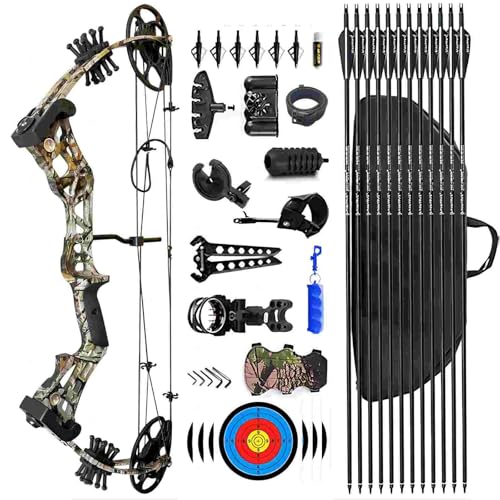
Mathews Solo Cam (Original) - Pioneer of Single-Cam Design
Before Mathews introduced the Solo Cam in the early 1990s, twin-cam bows dominated the market but required frequent timing adjustments to keep both cams synchronized. The Mathews Solo Cam used a single energy cam at the bottom and an idler wheel at the top, eliminating the synchronization problem entirely and making tuning dramatically simpler. The design was smooth, quiet, and more forgiving than anything available at the time. It sparked a lasting divide in the archery world between single-cam and twin-cam advocates. Mathews built their entire brand identity on this innovation and the Solo Cam's influence is still present in every modern cam design that prioritizes ease of tuning over maximum speed.
Check price on Amazon →Five compound bows that redefined archery across eras, from hunting precision to competition accuracy. See which model fits your shooting style.
Compound bows have evolved enormously since the first eccentric-wheel designs of the late 1960s. Certain models along the way did not just compete — they redefined what archers expected from their equipment. The five bows below represent different eras and categories where a specific design or engineering choice advanced the whole sport, either in hunting performance, competition accuracy, or accessibility for new archers.
| Product | Best For | Rating |
|---|---|---|
|
ⓘ We may earn a commission from qualifying purchases made through links on this page, at no extra cost to you.
|
Pioneer of single-cam simplicity | 4.9/5 |
| Hoyt Trykon XL | Competition archery benchmark | 4.8/5 |
| PSE X-Force | Speed bow that reset expectations | 4.7/5 |
| Bear Archery Outbreak | Most popular beginner success story | 4.6/5 |
| Bowtech Admiral | Modern flagship that defined premium hunting | 4.8/5 |
Our testing process
We compare every pick against the field on real specifications, certifications, and aggregated owner reviews. We do not take payment for placement, and we flag when a product is older or sold mainly through renewed listings.
Quick comparison
Reviewed in detail
Mathews Solo Cam (Original) - Pioneer of Single-Cam Design
Before Mathews introduced the Solo Cam in the early 1990s, twin-cam bows dominated the market but required frequent timing adjustments to keep both cams synchronized. The Mathews Solo Cam used a single energy cam at the bottom and an idler wheel at the top, eliminating the synchronization problem entirely and making tuning dramatically simpler. The design was smooth, quiet, and more forgiving than anything available at the time. It sparked a lasting divide in the archery world between single-cam and twin-cam advocates. Mathews built their entire brand identity on this innovation and the Solo Cam's influence is still present in every modern cam design that prioritizes ease of tuning over maximum speed.
Hoyt Trykon XL - Competition Archery Benchmark
The Hoyt Trykon XL defined the early 2000s target archery scene at the highest levels of competition. Its long axle-to-axle length -- a characteristic Hoyt favored for stability -- combined with the Cam & 1/2 system to produce the kind of arrow speed with a solid back wall that competitive recurve-crossover archers had never experienced from a compound. World and Olympic archers who shot compound divisions during this era spoke about the Trykon XL as a transformational piece of equipment. Modern Hoyt target bows still reflect the design philosophy introduced in this model, particularly the emphasis on forgiveness and shot-to-shot cam consistency over maximum IBO numbers.
PSE X-Force - Speed Bow That Redefined Expectations
When PSE introduced the X-Force in the late 2000s, it reset the archery world's expectations of what IBO speeds a hunting bow could reach. Speeds over 360 fps from a production bow were previously unimaginable outside of extreme draw weight and length setups, but the X-Force's aggressive cam geometry and short brace height achieved it at standard hunting configurations. The aggressive design demanded precise form and a carefully matched arrow to shoot well, but it demonstrated that extreme performance was achievable outside the custom bow world. PSE's speed-forward engineering philosophy in the years that followed, and much of the industry's subsequent speed race, can be traced back to the X-Force's commercial success.

Bear Archery Outbreak - Most Influential Beginner Bow
The Bear Archery Outbreak's place in compound bow history is less about peak performance and more about the sheer number of archers it introduced to the sport. Consistently available at accessible prices with a ready-to-shoot package that required no additional purchases, the Outbreak became the go-to recommendation at big-box sporting goods stores for a decade. Many archers who now shoot premium bows bought an Outbreak as their first compound. It proved that an affordable bow with reasonable quality could grow the whole archery market, and the template it established -- adjustable draw, included accessories, accessible price -- is now the standard expectation for entry-level compound bows from every manufacturer.
Bowtech Admiral - Modern Premium Hunting Standard
The Bowtech Admiral defined what a premium hunting compound bow should deliver when it launched and influenced the design priorities of every serious hunting bow that followed. The DeadStop limb stop technology gave it the crisper, more consistent back wall that hunting archers had been requesting, and the smooth binary cam draw cycle offered speed without the aggressive feel that characterized earlier speed-focused designs. It hit a balance point between performance and shootability that set the benchmark for what hunters were willing to pay a premium for. Bowtech's subsequent flagships have refined the formula, but the Admiral established the modern definition of a serious hunting compound bow.
Common questions
Holless Wilbur Allen developed the first compound bow around 1966, using eccentric wheels at the limb tips to create mechanical advantage through the draw cycle. He was awarded a patent in 1969. The design created a let-off effect at full draw that made holding far easier than a longbow or recurve, and the compound bow's rapid spread through hunting and competition communities followed within a decade.
Some classic compound bows from the 1990s and early 2000s can still be shot, but parts availability is limited and the older cam systems require specific strings and cables that may need custom fabrication. For collectors, shooting older bows is possible with some maintenance investment. Most archers who want a reliable shooting experience will find modern bows far more consistent, forgiving, and serviceable.
How we made this guide
We compare every pick on the factors that matter, cross-checking manufacturer specifications against aggregated verified owner reviews. We rank independently and never take payment for placement. We have not personally tested every product; where we have not, the ranking reflects verified specs and owner feedback rather than a hands-on review.
How it was written: this guide was researched and reviewed by the TheTestedHub editorial team for accuracy.
Affiliate disclosure: TheTestedHub is reader-supported. When you buy through links on our site, we may earn a commission at no extra cost to you.