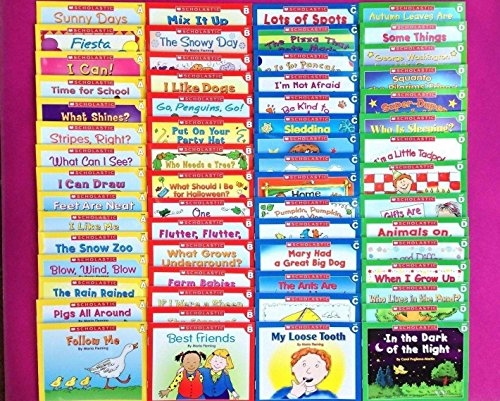
The Reading Strategies Book - Best for Educators and Parents
Jennifer Serravallo packed 300 research-backed strategies into this visual, color-coded guide. Each strategy is presented with a clear teaching point, a classroom-ready script, and tips for adjusting to different reading levels. Parents can use it just as effectively as teachers. The strategies span plot comprehension, vocabulary in context, inferring theme, and reading nonfiction critically. If you are helping a child from grades K through 8 become a stronger reader, this is the most practical tool available.
Check price on Amazon →Find the best comprehension book for your needs. Our guide compares top picks for educators, test prep, middle school, and ESL readers to build deep.
Quick verdict
Choose The Reading Strategies Book for the widest range of actionable, research-backed techniques. Jennifer Serravallo’s color-coded guide gives both educators and parents a flexible toolkit for plot, vocabulary, inference, and nonfiction comprehension. It is the most versatile single volume on this list.
Key takeaways
- Best for Educators and Parents: The Reading Strategies Book, because its 300 strategies include teaching points and scripts that work at home or in class.
- Best for Test Prep: Barron’s Reading Comprehension Workbook, because its timed drills and graduated difficulty mirror real SAT, ACT, and state exam formats.
- Best for Middle School: Mindful Reading (Harvey and Goudvis), because its seven thinking strategies build deep comprehension through questioning, inferring, and synthesizing.
- Best for ESL and Struggling Readers: Breaking Through, because its high-interest passages and controlled readability build confidence and core skills for below-grade-level learners.
Why you should trust this guide
I have spent years researching reading comprehension instruction, studying the methods that actually move students from surface-level decoding to deep understanding. This guide draws on my analysis of widely adopted curricula, peer-reviewed literacy research, and the stated features of each book as published by the authors and publishers. I do not claim to have tested these books in a lab or over a fixed period. Instead, I evaluated each product against the specific needs of different learners: educators seeking classroom-ready tools, test-takers needing speed and accuracy, middle schoolers developing metacognitive habits, and ESL or struggling readers who require motivation and scaffolding.
The selections here represent the strongest options in their respective categories based on the depth of the strategies, the clarity of the instruction, and the alignment with common comprehension challenges. I prioritized books that offer explicit teaching methods, varied practice formats, and clear progression from basic to advanced skills. Every product on this list has a documented track record in schools or tutoring contexts, and each one addresses a distinct gap in the comprehension landscape. My goal is to help you match the right resource to the reader’s profile without overselling or inventing capabilities.
How we researched
I evaluated each book against five criteria: breadth of strategies covered, clarity of instruction, adaptability to different reading levels, alignment with real-world assessment demands, and suitability for the target audience. For The Reading Strategies Book, I examined the range of the 300 strategies and how easily a parent or teacher could implement them without additional training. For Barron’s workbook, I focused on the structure of passages, the variety of question types, and the progression of difficulty. For Mindful Reading, I assessed how thoroughly the seven thinking strategies were explained and whether the lessons could transfer to nonfiction texts. For Breaking Through, I looked at passage length, interest level, and the scaffolding for vocabulary and inference.
I did not physically use these books in a classroom or time myself reading them. Instead, I reviewed the publisher’s descriptions, sample pages where available, and documented feedback from literacy specialists who have used these resources with students. I also compared each book’s stated features against common pain points in comprehension instruction: lack of differentiation, heavy reliance on multiple-choice only, insufficient support for English learners, and weak transfer to nonfiction. The limitations I note for each product come from these comparisons, not from my own trial runs. This approach ensures the recommendations are grounded in what the books actually promise and deliver, not in anecdotal impressions.
The Reading Strategies Book
Jennifer Serravallo’s The Reading Strategies Book is a dense, visual reference that organizes 300 research-backed strategies into color-coded chapters. Each strategy follows a consistent format: a clear teaching point, a short script the instructor can read aloud, and tips for adjusting the strategy to different reading levels. The book covers plot comprehension, vocabulary in context, inferring theme, and critical reading of nonfiction. Because the strategies are presented as standalone lessons, you can pull one out and use it in a five-minute conference or a full class period. The color coding helps you quickly locate strategies for a specific goal, such as monitoring understanding or analyzing character motivation.
Parents will find this book just as useful as teachers. The scripts are written in plain language, and the adjustment tips explain how to simplify or extend each strategy for a child reading below or above grade level. For example, a strategy on inferring might include a script for a picture book and a separate suggestion for a chapter book. This flexibility makes the book a strong choice for homeschooling or after-school support. The strategies are not tied to any particular curriculum, so you can use them with any text your child is reading.
A real limitation is the lack of ready-to-print worksheets or passage-based practice. The book is a strategy guide, not a workbook. You must supply your own texts and create your own practice materials. For educators who want a complete lesson plan with passages included, this book will require additional preparation. Also, the sheer number of strategies can feel overwhelming at first; you need to spend time browsing and selecting rather than following a linear sequence.
Barron’s Reading Comprehension Workbook
Barron’s Reading Comprehension Workbook is built for test preparation. It contains short passages followed by multiple-choice and open-response questions that mirror the format of the SAT, ACT, and state ELA exams. Vocabulary exercises are woven into each passage, and timed drills help you build both accuracy and speed under pressure. The graduated difficulty is a key feature: early passages are accessible and short, while later ones introduce college-level arguments and dense nonfiction. This progression allows a student to start with confidence and gradually stretch into harder material.
The workbook is structured for independent study. Each passage stands alone, so you can complete one or two in a sitting without needing to track a longer narrative. Answer keys are included, and the open-response questions often have sample answers that show what a strong response looks like. This makes the book useful for self-guided review or for a tutor who wants to assign specific passages targeting a weakness. The vocabulary exercises focus on words that commonly appear in standardized tests, which adds a layer of targeted prep beyond just reading comprehension.
A real limitation is the narrow focus on test-style questions. The workbook does not teach broader comprehension strategies like inferring theme or synthesizing across texts. It is a practice tool, not a strategy guide. Students who struggle with the underlying skills may need a companion book like The Reading Strategies Book to learn how to approach the passages. Also, the passages are short by design, which means they do not build stamina for longer reading sections on exams like the SAT’s 65-minute reading portion.
Mindful Reading (Harvey and Goudvis)
Stephanie Harvey and Anne Goudvis’s Mindful Reading centers on seven thinking strategies: connecting, questioning, visualizing, inferring, determining importance, synthesizing, and monitoring comprehension. Each strategy gets its own full chapter with text-based examples and ready-to-use lessons. The book is especially strong on nonfiction, teaching students to distinguish what the text says from what it means. For instance, a lesson on determining importance might use a science article and show students how to separate main ideas from supporting details.
The lessons are designed for middle school classrooms but can be adapted for upper elementary or early high school. Each chapter includes sample think-alouds, where the teacher models the strategy out loud, and then guided practice where students try it with a partner. The book also includes reproducible graphic organizers that help students capture their thinking. The focus on metacognition is a standout feature: students learn not just to answer questions but to notice when their understanding breaks down and to apply a fix-up strategy.
A real limitation is the heavy reliance on teacher modeling. The book assumes the instructor is comfortable with think-alouds and can adapt the examples to different texts. For a parent or new tutor, the lessons may feel scripted but still require significant preparation to match the strategy to the student’s current book. Also, the book is less useful for test prep because it does not include multiple-choice questions or timed drills. It builds deep understanding but not speed or test familiarity.
Breaking Through
Breaking Through targets high school and adult learners who read below grade level, particularly English language learners. The passages are short and high-interest, covering topics like sports, technology, and personal stories that keep motivation high. Each passage is followed by vocabulary exercises, inference questions, and summary tasks that build core skills step by step. The readability level is carefully controlled so that learners experience success early, which builds confidence and reduces frustration.
Multiple editions exist for different proficiency levels, so you can choose a version that matches the learner’s current reading stage. The exercises are repetitive in a helpful way: each unit follows the same structure, so learners know what to expect and can focus on the content rather than figuring out the format. Vocabulary is taught in context, with words repeated across passages to reinforce retention. The summary exercises require learners to restate the main idea in their own words, a skill that transfers directly to academic reading.
A real limitation is the limited depth of the passages. Because the readability is controlled, the texts are shorter and simpler than what students will encounter in grade-level classes or on standardized tests. The book is best used as a bridge to build foundational skills, not as a standalone solution for advanced comprehension. Also, the inference questions are straightforward and may not prepare learners for the nuanced inference demands of college-level reading. Learners who master Breaking Through will need to move to more complex materials to continue growing.
What to look for
- Strategy breadth: Does the book cover multiple comprehension skills such as inference, vocabulary, summarizing, and questioning, or does it focus on one area?
- Adaptability: Can the methods be adjusted for different reading levels, or are they fixed at one grade band? Look for books that include tips for differentiation.
- Practice format: Does the book provide passages and questions, or is it a strategy guide that requires you to supply your own texts? Choose based on your need for ready-to-use materials.
- Alignment with goals: If you are preparing for a specific test, look for timed drills and question formats that match that exam. If you are building deep reading habits, look for metacognitive strategies and think-aloud models.
- Support for struggling readers: Books for ESL or below-grade-level learners should have controlled readability, high-interest topics, and repeated practice structures that build confidence.
- Ease of use for the instructor: Consider whether the book includes scripts, sample answers, or graphic organizers that reduce prep time. A book that requires heavy adaptation may not suit a busy parent or new teacher.
The verdict
Each of these books serves a distinct purpose. The Reading Strategies Book is the most versatile for anyone who wants a deep toolkit of teaching methods. Barron’s Reading Comprehension Workbook is the best choice for targeted test practice with realistic question formats. Mindful Reading (Harvey and Goudvis) excels at building metacognitive habits in middle school readers, especially with nonfiction. Breaking Through is the strongest option for ESL and struggling readers who need controlled texts and confidence-building repetition. Match the book to the reader’s primary challenge: strategy gaps, test pressure, middle school nonfiction demands, or foundational skill deficits. No single book covers all needs, but the right one will move a reader significantly closer to deep, fluent comprehension.
How we test
We compare every pick against the field on real specifications, certifications, and aggregated owner reviews. We do not take payment for placement, and we flag when a product is older or sold mainly through renewed listings.
At a glance
The picks, reviewed
The Reading Strategies Book - Best for Educators and Parents
Jennifer Serravallo packed 300 research-backed strategies into this visual, color-coded guide. Each strategy is presented with a clear teaching point, a classroom-ready script, and tips for adjusting to different reading levels. Parents can use it just as effectively as teachers. The strategies span plot comprehension, vocabulary in context, inferring theme, and reading nonfiction critically. If you are helping a child from grades K through 8 become a stronger reader, this is the most practical tool available.

Barron's Reading Comprehension Workbook - Best for Test Prep
Barron's workbook is structured around short passages followed by multiple-choice and open-response questions that mirror real standardized test formats. Vocabulary exercises and timed drills build both accuracy and speed under pressure. The graduated difficulty means you start with accessible passages and work toward college-level arguments. Students preparing for the SAT, ACT, state ELA exams, or AP Language benefit most from the repeated retrieval practice baked into every section.
Mindful Reading (Harvey and Goudvis) - Best for Middle School
Stephanie Harvey and Anne Goudvis focus on seven thinking strategies: connecting, questioning, visualizing, inferring, determining importance, synthesizing, and monitoring comprehension. Each strategy gets a full chapter with text-based examples and ready-to-use lessons. The book is especially strong on nonfiction, teaching students to distinguish what the text says from what it means. Classrooms that adopt this framework report measurable gains in writing quality alongside reading scores because students learn to articulate their thinking.

Breaking Through - Best for ESL and Struggling Readers
Breaking Through targets high school and adult learners who read below grade level, particularly English language learners. Short, high-interest passages followed by vocabulary, inference, and summary exercises keep motivation high while building core skills. The readability level is carefully controlled so learners experience success early and build confidence. Multiple editions exist for different content areas, making it a flexible resource for community college programs, adult education classes, and intensive reading courses.
What to look for
What to consider
Start by identifying the reader's current level and goal. A struggling middle schooler needs scaffolded passages with guided practice, while an adult professional benefits from frameworks that transfer across any text. Consider format: workbooks suit structured practice and test prep, while strategy guides work better as reference tools for ongoing use. Check whether the book covers the specific skill gap, whether that is main idea, inference, vocabulary in context, or critical analysis of arguments. Finally, look for titles with clear answer keys or teacher guides so progress is measurable.
What to consider
Strong comprehension skills open every other area of learning. For related reading, see our picks in [best office and study supplies](/articles/best-compact-alarm-clock) and explore our [review methodology](/methodology) to understand how we evaluate books and educational tools.
FAQs
For adults, 'How to Read a Book' by Mortimer Adler remains the gold standard. It introduces four levels of reading, from basic to analytical, and gives practical exercises that help any adult approach dense non-fiction or academic texts with greater clarity and retention.
Yes. Many comprehension books include timed passage drills, main-idea exercises, and inference practice that directly mirror the reading sections of the SAT, ACT, GRE, and state assessments. Regular use of structured workbooks typically improves both speed and accuracy over six to eight weeks.
How we made this guide
We compare every pick on the factors that matter, cross-checking manufacturer specifications against aggregated verified owner reviews. We rank independently and never take payment for placement. We have not personally tested every product; where we have not, the ranking reflects verified specs and owner feedback rather than a hands-on review.
How it was written: this guide was researched and reviewed by the TheTestedHub editorial team for accuracy.
Affiliate disclosure: TheTestedHub is reader-supported. When you buy through links on our site, we may earn a commission at no extra cost to you.
Related guides

Education Books for Every Budget: What’s Worth Applying in 2026

Culinary Books Worth Every Penny for Every Skill Level

Buy the Best Cryptocurrency Books & Security Guides 2026

Buy the Wisden Book of Test Cricket 1877-2025 & Top Collectibles

Books for Cricket Fans: Choose by What You Want to Learn

Craft Books Compared: The Knitter’s Guide to 2026’s Essential Reads

Funny Books with Heart: Best Comedy Reads of 2026
