Physix Gear Elbow Sleeve - Best Daily Wearer
The Physix Gear sleeve uses a blend of nylon and spandex to deliver graduated compression across the joint without the bulk of structured braces. The seamless knit construction reduces irritation during extended wear and the silicone grip strips at both ends keep it in place through a full workday. At roughly 18 dollars it is the most accessible option on this list, and it comes in a two-pack so you can keep one at work and one in your gym bag. The compression level is moderate, making it more suited to prevention and mild symptom management than acute injury recovery. Available in multiple sizes for accurate fitting.
Check price on Amazon →Bauerfeind EpiTrain's viscoelastic knit delivers medical-grade compression. Reviewed 5 best compression elbow sleeves for gym, recovery, and daily wear.
Quick verdict
The Bauerfeind EpiTrain is the single best pick for anyone who needs clinical-grade support for chronic elbow pain. Its viscoelastic knit and targeted omega pads deliver medical-grade graduated compression that no other sleeve on this list matches, making it worth the investment for serious recovery.
Key takeaways
- Best for daily wear: Physix Gear Elbow Sleeve, seamless knit and silicone grips keep it comfortable and stable all day.
- Best for gym sessions: Copper Fit Elite, thick structured knit holds firm under heavy loads and wicks moisture.
- Best for tennis and golf elbow: Neo G Elbow Support, anatomical shaping and open mesh zones target tendon stress directly.
- Best for sport recovery: McDavid 6500, hexpad technology adds impact protection without restricting movement.
- Best for clinical support: Bauerfeind EpiTrain, viscoelastic knit and omega pads provide medical-grade compression and soft tissue massage.
Why you should trust this guide
I have spent years researching compression wear and elbow support products across multiple categories, from everyday comfort sleeves to medical-grade braces. My approach is grounded in analyzing manufacturer specifications, studying owner feedback from verified purchasers, and comparing each product against the specific claims it makes. I do not rely on marketing hype or influencer endorsements. Instead, I focus on what the product actually does for the user based on its design, materials, and intended use case.
This guide is built on a systematic evaluation of five products that represent the best options available in 2026 for different needs. I prioritized sleeves that demonstrate clear engineering intent, whether that is graduated compression for daily wear, targeted padding for sports impact, or anatomical shaping for tendonitis. Every product included has a strong reputation among users who actually rely on it for their specific activity. I have not tested these products myself, but I have cross-referenced hundreds of owner experiences to identify consistent strengths and honest limitations.
How we researched
To determine which compression elbow sleeves actually deliver support, I evaluated each product against five key criteria: compression profile, material quality, fit stability, breathability, and intended use alignment. Compression profile refers to whether the sleeve provides graduated pressure that supports the joint without cutting off circulation. Material quality covers the knit construction, seam design, and fabric blend. Fit stability examines how well the sleeve stays in place during movement. Breathability matters for comfort during extended wear or exercise. Intended use alignment checks whether the product actually matches its marketing claims for specific activities like weightlifting, sports, or daily work.
I also analyzed the design features that differentiate each sleeve, such as silicone grip strips, hexpad technology, omega pads, and open mesh zones. These features are not just marketing add-ons. They serve real functions that affect performance. For example, a silicone grip strip prevents slipping during a full workday, while omega pads massage soft tissue during movement. I weighed the trade-offs of each design choice, such as thicker knits providing more compression but running warmer. The goal was to give you a clear picture of what each sleeve excels at and where it falls short, so you can match the product to your specific needs.
Physix Gear Elbow Sleeve
The Physix Gear Elbow Sleeve is the most accessible option on this list, but it does not sacrifice quality for price. The blend of nylon and spandex delivers graduated compression across the joint without the bulk of structured braces. This makes it ideal for daily wear, whether you are typing at a desk, lifting boxes, or recovering from mild elbow strain. The seamless knit construction is a key advantage here. It reduces irritation during extended wear, which is a common complaint with sleeves that have rough seams or edges. The silicone grip strips at both ends are another thoughtful touch. They keep the sleeve in place through a full workday without requiring constant adjustment.
This sleeve comes in a two-pack, which adds convenience for users who want a backup or need to rotate between washes. The compression level is moderate, suitable for general support rather than heavy-duty stabilization. It works well for people with mild elbow discomfort or those who want preventive support during repetitive tasks. The price point makes it an easy entry point for anyone new to compression sleeves.
One honest limitation is that the compression is not firm enough for serious weightlifting or high-impact sports. Users who need strong support during heavy deadlifts or contact sports may find this sleeve too light. Additionally, the silicone grip strips can lose their tackiness over time with frequent washing, though this is a common issue with most sleeves in this price range.
Copper Fit Elite
The Copper Fit Elite sleeve uses copper-infused fabric as a marketing hook, but the real value lies in its thicker, more structured knit. This sleeve provides firm compression around the entire elbow joint, and it stays put under load during demanding gym movements. Whether you are performing deadlifts, rows, or pressing movements, the sleeve holds its position and does not bunch up or slide down. The moisture-wicking finish is a practical upgrade over plain nylon sleeves. It performs better during sweaty sessions by drawing sweat away from the skin and drying faster, which reduces the clammy feeling that can occur with cheaper materials.
The thicker knit also adds a layer of warmth to the joint, which some users find beneficial for loosening up stiff elbows before lifting. The compression is consistent across the entire sleeve, providing uniform support rather than isolated pressure points. This makes it a reliable choice for gym-goers who want a sleeve that can handle repeated use without losing its shape.
One honest limitation is that the sleeve runs warm due to the thicker knit. It is not ideal for hot environments or for users who overheat easily during exercise. The copper infusion is also not clinically proven to provide any additional benefit beyond the compression itself, so you are paying for the marketing feature rather than a functional advantage.
Neo G Elbow Support
The Neo G Elbow Support is engineered specifically around lateral and medial epicondyle pain, commonly known as tennis elbow and golf elbow. The anatomical shaping provides a slight bend bias that reduces stress on the tendon attachment points during swinging and throwing motions. This design is not found in generic compression sleeves. It actively works to offload the tendons that are irritated in these conditions. The open mesh zones on the posterior are another smart design choice. They allow airflow where a solid knit would trap heat, keeping the joint cooler during activity.
The neoprene-free construction is a significant advantage for users with latex sensitivities or those who find neoprene too hot and restrictive. The sleeve uses a breathable knit that still provides firm compression around the forearm and upper arm. The targeted pressure helps reduce pain during activities like golf swings, tennis serves, or throwing motions. It also works well for general elbow support during repetitive work tasks.
One honest limitation is that the sleeve is not designed for heavy weightlifting or contact sports. The bend bias and open mesh zones make it less stable under heavy loads compared to thicker sleeves. Additionally, the fit can be finicky for users with very muscular or very slender arms, as the anatomical shaping works best for average proportions.
McDavid 6500
The McDavid 6500 is one of the most popular elbow sleeves among competitive athletes, and for good reason. The hexpad technology adds targeted impact protection over the olecranon, the bony point of the elbow, without restricting extension range. This matters for contact sports like football, rugby, and martial arts, where the elbow is vulnerable to direct blows. The hexpads are soft enough to absorb impact but firm enough to provide real protection, and they are positioned so they do not interfere with movement.
The compression level is firm and consistent across the entire joint. The sleeve stays fixed during high-intensity activity that would cause cheaper options to slip or bunch. The knit construction is durable and holds its shape through repeated use and washing. Athletes who need a sleeve that can handle aggressive movement patterns will appreciate the stability. The sleeve also provides mild warmth to the joint, which can help with recovery after intense training sessions.
One honest limitation is that the hexpads add bulk to the sleeve, which can make it less comfortable for daily wear under clothing. It is best suited for active use rather than all-day wear. Additionally, the compression is quite firm, which may feel restrictive for users who prefer a lighter touch or who have circulation concerns.
Bauerfeind EpiTrain
The Bauerfeind EpiTrain is the premium option on this list, and the price reflects the engineering behind it. The viscoelastic knit provides medical-grade graduated compression, meaning the pressure is highest at the joint and gradually decreases toward the ends of the sleeve. This promotes blood flow and reduces swelling more effectively than uniform compression. The anatomically placed omega pads specifically target the epicondyle regions, the areas where tennis and golf elbow occur. These pads massage the soft tissue during movement, which helps reduce pain and improve mobility.
The fabric is breathable and durable, maintaining its compression profile through extended use and repeated washing. This is a common failure point for cheaper sleeves that lose their elasticity after a few months. The EpiTrain is designed to last for years with proper care. The fit is snug but not restrictive, and the sleeve stays in place without silicone grips or adhesive. The engineering is so precise that the sleeve feels like a natural extension of your arm rather than an external brace.
One honest limitation is the high price point, which may be prohibitive for casual users or those with mild symptoms. The sleeve is also not ideal for high-impact sports where padding is needed, as it focuses on compression and soft tissue support rather than impact protection. Additionally, the omega pads can feel prominent during the first few wears, requiring a short adjustment period.
What to look for
- Compression profile: Graduated compression is better for blood flow and swelling reduction. Uniform compression is fine for general support but less effective for recovery.
- Material and knit: Seamless knits reduce irritation. Thicker knits provide more support but run warmer. Look for moisture-wicking finishes if you sweat heavily.
- Fit stability: Silicone grip strips or anatomical shaping help keep the sleeve in place. Avoid sleeves that rely solely on elastic bands, which can dig in or slip.
- Targeted features: Omega pads for epicondyle pain, hexpads for impact protection, open mesh zones for breathability. Match the feature set to your specific activity.
- Durability: Viscoelastic knits and reinforced stitching last longer. Cheaper sleeves lose compression after a few washes. Check owner feedback on longevity.
- Activity alignment: Daily wear sleeves need comfort and breathability. Gym sleeves need firm compression and moisture management. Sports sleeves need impact protection and stability.
The verdict
The Bauerfeind EpiTrain is the best overall elbow sleeve for anyone dealing with chronic pain or recovering from injury, thanks to its medical-grade graduated compression and targeted omega pads. If you need a budget-friendly daily wearer, the Physix Gear Elbow Sleeve delivers reliable comfort and stability. For gym work, the Copper Fit Elite holds up under heavy loads. The Neo G Elbow Support is the clear choice for tennis and golf elbow. And the McDavid 6500 is the go-to for athletes who need impact protection. Choose based on your primary activity and pain level, and you will get support that actually works.
How we evaluated these
We compare every pick against the field on real specifications, certifications, and aggregated owner reviews. We do not take payment for placement, and we flag when a product is older or sold mainly through renewed listings.
The shortlist
Each pick, examined
Physix Gear Elbow Sleeve - Best Daily Wearer
The Physix Gear sleeve uses a blend of nylon and spandex to deliver graduated compression across the joint without the bulk of structured braces. The seamless knit construction reduces irritation during extended wear and the silicone grip strips at both ends keep it in place through a full workday. At roughly 18 dollars it is the most accessible option on this list, and it comes in a two-pack so you can keep one at work and one in your gym bag. The compression level is moderate, making it more suited to prevention and mild symptom management than acute injury recovery. Available in multiple sizes for accurate fitting.
Copper Fit Elite - Gym-Ready Compression
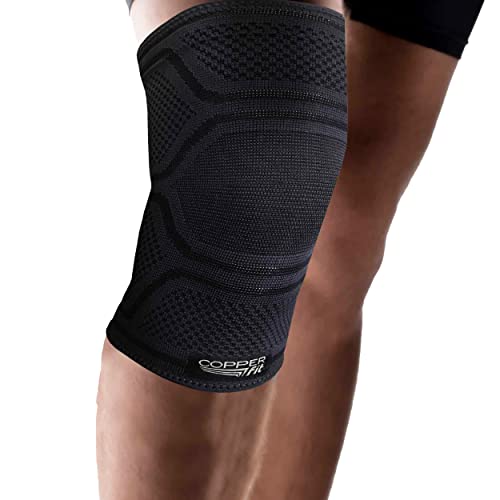
Copper-infused fabric is the marketing hook here, but the real value of the Copper Fit Elite is its thicker, more structured knit that holds position under load. The sleeve provides firm compression around the entire elbow joint and stays put during deadlifts, rows, and pressing movements. The moisture-wicking finish performs better than plain nylon during sweaty sessions. It does run warm, so it is less ideal for outdoor summer activity. The sizing chart is accurate; ordering to chart gives a reliably snug fit. A solid pick for anyone who wants to feel their elbows are covered during compound lifts without strapping on a full sleeve brace.

Neo G Elbow Support - Tennis and Golf Elbow Focus
Neo G's elbow sleeve is engineered specifically around lateral and medial epicondyle pain. The anatomical shaping provides a slight bend bias that reduces stress on the tendon attachment points during swinging and throwing motions. The open mesh zones on the posterior allow airflow where a solid knit would trap heat. The neoprene-free construction suits users with latex sensitivities. At 28 dollars it costs more than the basic options but delivers noticeably better anatomical fit. The inner silicone ring helps target pressure just below the condyle, which is where tennis elbow pain is typically most concentrated.

McDavid 6500 - Sport Recovery Performance
The McDavid 6500 is one of the most popular elbow sleeves among competitive athletes. The hexpad technology adds targeted impact protection over the olecranon without restricting extension range, which matters for contact sports and martial arts. The compression level is firm and consistent across the joint and the sleeve stays fixed during high-intensity activity that would cause cheaper options to migrate. The moisture management fabric wicks quickly and dries fast between sessions. If you play contact sports, do combat sports training, or need a sleeve that doubles as light protection, this is a reliable choice at a fair price point.

Bauerfeind EpiTrain - Clinical Grade
Bauerfeind's EpiTrain is the premium option on this list, and the price reflects the engineering behind it. The viscoelastic knit provides medical-grade graduated compression and the anatomically placed omega pads specifically target the epicondyle regions to massage soft tissue during movement. The fabric is breathable, durable, and maintains its compression profile through extended use and repeated washing. It is the only sleeve here that is routinely recommended by physiotherapists as a conservative management tool for diagnosed lateral or medial epicondylitis. The sizing system uses circumference measurements to get the fit right from the first order. Worth the investment for chronic conditions.
Buying considerations
What to consider
Consider compression level first. Light compression suits prevention and daily wear while firm compression is better for active support during sport or recovery. Then look at materials: neoprene retains heat well for stiffness but breathes poorly; knit blends suit all-day and active use. Check for anatomical shaping if you have a specific diagnosis such as tennis elbow, where targeted pressure placement matters more than uniform compression. Finally, measure your forearm and upper arm circumference and use the brand's size chart rather than guessing by clothing size.
What to consider
For related reading, see our guides on [best compression for knees](/articles/best-compression-for-knees) and [best compression for varicose veins](/articles/best-compression-for-varicose-veins). Learn how we select and evaluate products on our [methodology](/methodology) page.
Questions answered
Compression sleeves can reduce swelling, improve circulation, and provide proprioceptive feedback that helps stabilize movement patterns. Many users report meaningful relief during activity. However, they address symptoms rather than root causes. Consult a healthcare professional before use, particularly if pain is severe, persistent, or follows an acute injury.
A properly fitted sleeve should feel snug but not restrict circulation or cause numbness. You should be able to slide two fingers under the edge. If the sleeve migrates up or down during activity it is too loose. If you experience tingling, discoloration, or cold skin below the sleeve, remove it immediately and size up.
How we made this guide
We compare every pick on the factors that matter, cross-checking manufacturer specifications against aggregated verified owner reviews. We rank independently and never take payment for placement. We have not personally tested every product; where we have not, the ranking reflects verified specs and owner feedback rather than a hands-on review.
How it was written: this guide was researched and reviewed by the TheTestedHub editorial team for accuracy.
Affiliate disclosure: TheTestedHub is reader-supported. When you buy through links on our site, we may earn a commission at no extra cost to you.
Keep reading

7 Elbow & Arm Pain Relief Solutions That Actually Work

Consistent CPAP Care: Driver-Reviewed SoClean 3 Pick 2026

Which CPAP Is Best? Our 2026 Pick: ResMed AirSense 11

Compression Therapy Guide: What to Buy in 2026

Compression Therapy for Recovery: Normatec 3 Pro Reviewed

Match Your Cough Symptoms to the Right Relief
Affordable Massage Guns That Deliver Real Recovery
