2XU Recovery Compression Tights - Best Full Lower Body Recovery
The 2XU Recovery Compression Tights are a benchmark product in the sports recovery category. The graduated compression profile applies higher pressure at the ankle and tapers toward the upper thigh, promoting upward venous return across the full lower body. The tights use a firmness rating specifically calibrated for post-exercise recovery rather than performance use, meaning the compression is slightly higher than standard athletic tights. The fabric is cool to the touch and comfortable enough for multi-hour wear after training or competition. Athletes who train multiple days per week find these a reliable daily recovery tool. Available in multiple lengths for shorter and taller athletes.
Check price on Amazon →Recover faster with graduated compression gear. Our picks include 2XU tights for full leg recovery and CEP socks for targeted calf relief.
Quick verdict
The 2XU Recovery Compression Tights are the single best pick for most athletes. Their graduated compression profile is specifically calibrated for post-exercise recovery, delivering firm pressure at the ankle that tapers upward to promote venous return across the full lower body. This makes them the most complete passive recovery garment available.
Key takeaways
- Best full lower body recovery: 2XU Recovery Compression Tights, benchmark graduated compression for the entire leg.
- Best lower leg focus: CEP Recovery Pro Compression Socks, medtech-derived 20-30 mmHg pressure for calf-heavy sports.
- Best overnight wear: Skins Series 3 Recovery Long Tights, soft fabric and less constrictive waistband designed for sleeping.
- Best elite recovery technology: NormaTec Pulse 2.0 Leg System, pneumatic sequential compression that actively pumps fluid out of tissue.
- Best upper body recovery: Under Armour HeatGear Compression Sleeve, mild graduated compression from wrist to upper arm with moisture-wicking fabric.
Why you should trust this guide
I have spent years researching sports recovery products and analyzing how compression technology actually works for post-exercise repair. My approach combines deep study of the physiology behind graduated compression, pneumatic compression, and garment design with careful evaluation of owner feedback across multiple retail platforms. I do not rely on marketing claims alone. Instead, I cross-reference manufacturer specifications with what real users report about fit, durability, and comfort during actual recovery periods.
The recovery compression market is crowded with products that vary wildly in pressure rating, material quality, and intended use case. Some garments are designed for performance during exercise, while others are explicitly calibrated for the passive recovery phase. I have focused this guide on products that are purpose-built for recovery, meaning they use compression profiles, fabric densities, and construction methods that support lymphatic drainage and venous return when the body is at rest. Every product here has a clear, defensible reason for its inclusion based on its stated engineering goals and the feedback from athletes who use it regularly.
How we researched
To evaluate these five products, I established a set of criteria that matter most for recovery compression effectiveness. The primary factor is the compression profile: whether the garment uses graduated pressure that is highest at the distal end (ankle or wrist) and decreases proximally, which is the only clinically supported method for promoting upward blood flow. I also weighed fabric breathability and moisture management, since recovery garments are often worn for extended periods including sleep. Waistband and seam design were evaluated for comfort during low-activity wear, as a garment that digs in or restricts movement undermines the recovery benefit.
I analyzed each product against its stated purpose: full lower body recovery versus lower leg focus versus overnight wear versus active pneumatic compression versus upper body recovery. I compared pressure ratings where available, material composition, and the specific engineering claims made by each brand. I also read hundreds of owner reviews to identify consistent patterns regarding sizing accuracy, durability after repeated washing, and whether the compression level matched what the manufacturer promised. The goal was to match each product to the athlete profile that would benefit most from its particular design philosophy.
2XU Recovery Compression Tights – Best Full Lower Body Recovery
The 2XU Recovery Compression Tights are a benchmark product in the sports recovery category. The graduated compression profile applies higher pressure at the ankle and tapers toward the upper thigh, promoting upward venous return across the full lower body. This design is directly aligned with the medical principle of compression therapy for circulation support. The tights use a firmness rating specifically calibrated for post-exercise recovery rather than performance use, meaning the compression is slightly less aggressive than what you would wear during a workout but more sustained and targeted for the recovery phase.
These tights cover the entire lower body from ankle to waist, which makes them ideal for athletes who experience fatigue across the full leg chain. Runners, cyclists, and team sport athletes who train multiple muscle groups in the legs will get the most benefit. The fabric is engineered to maintain its compression integrity over many wash cycles, which is a common failure point in cheaper recovery tights that lose elasticity quickly. The waistband is designed to stay in place without rolling down during rest or sleep.
One honest limitation is that the firm compression can feel restrictive for athletes who are between sizes or who have larger calf measurements. The tights require careful sizing according to the brand’s chart, and some owners report that the compression feels too intense if they choose the wrong size. Additionally, the fabric is not as soft as some overnight-specific recovery tights, which may make them less comfortable for all-night wear compared to a product like the Skins Series 3.
CEP Recovery Pro Compression Socks – Best Lower Leg Focus
The CEP Recovery Pro Compression Socks target calf-heavy sports like running, cycling, and triathlon where lower leg fatigue accumulates most acutely. CEP is a medtech-derived brand, and its compression products are engineered with the same graduated pressure standards applied to medical compression hosiery. The Recovery Pro runs at 20-30 mmHg, which is on the firmer end of sports compression socks. This pressure level is substantial enough to actively reduce swelling and support the calf muscles during the recovery window after intense effort.
Unlike full tights, these socks focus exclusively on the foot, ankle, and calf. This makes them a more practical choice for athletes who want lower leg recovery without the full coverage of tights. They are easier to put on and take off than full-length tights, and they can be worn under loose pants or shorts without looking like compression gear. The graduated compression starts at the ankle and decreases up the calf, which is the correct physiological approach for moving blood out of the lower extremities.
One honest limitation is that the 20-30 mmHg pressure can be difficult to get into, especially for people with limited hand strength or dexterity. Some owners find the compression too aggressive for prolonged wear, particularly if they have sensitive feet or ankles. The socks also do not address the thighs or glutes, so athletes with upper leg fatigue will need to pair them with another product for full lower body recovery.
Skins Series 3 Recovery Long Tights – Best Overnight Wear
Skins Series 3 Recovery Long Tights are designed for the period immediately after exercise through overnight recovery. The fabric is softer and the waistband less constrictive than standard performance tights, making them comfortable enough to sleep in. The compression profile promotes lymphatic drainage during the low-activity recovery period when the body is doing its primary tissue repair work. This design philosophy prioritizes comfort and sustained wear over maximum compression firmness.
The tights use a graduated compression system that is slightly milder than the 2XU Recovery Tights, which makes them more suitable for all-night use without disrupting sleep quality. The fabric has a brushed interior feel that reduces friction against the skin, and the seams are flat to prevent pressure points during side sleeping. The waistband sits lower and uses a softer elastic band that does not dig into the stomach, which is a common complaint with firmer recovery tights.
One honest limitation is that the milder compression may not provide enough pressure for athletes who need aggressive recovery support after very intense training sessions. If you are looking for the maximum possible compression effect, the 2XU or CEP products will deliver more firmness. Additionally, the softer fabric can be less durable over time, with some owners reporting pilling or loss of compression after many washes compared to more densely woven alternatives.
NormaTec Pulse 2.0 Leg System – Best Elite Recovery Technology
The NormaTec Pulse 2.0 represents a different category of compression recovery: pneumatic sequential compression rather than passive garment compression. The inflatable leg sleeves cycle through a sequential squeeze pattern from the foot upward, actively pumping lymphatic fluid and blood out of the leg tissue in a way that passive garments cannot replicate. Used in professional sports facilities globally, this system delivers a dynamic, movement-based compression experience that mimics the muscle pump action of walking or light exercise.
The system consists of a control unit that connects to full-leg sleeves via tubes. You set the pressure level and duration, and the unit automatically cycles through zones from the foot to the upper thigh. Each zone inflates and holds pressure while the next zone inflates, creating a wave of compression that pushes fluid upward. This active pumping action is fundamentally different from static compression garments, which apply constant pressure. Many athletes report feeling noticeably less soreness and improved mobility after a 30 to 60 minute session with the NormaTec.
One honest limitation is the cost and bulk. The NormaTec Pulse 2.0 is significantly more expensive than any passive compression garment, and it requires access to a power source and storage space for the control unit and sleeves. It is also not portable for travel or use at a gym without planning. The system requires you to sit or lie still during use, which may not fit into every athlete’s recovery routine as easily as slipping on a pair of tights or socks.
Under Armour HeatGear Compression Sleeve – Best Upper Body Recovery
Recovery compression is most discussed for the lower body, but athletes who train upper body heavily also benefit from arm and shoulder compression post-workout. The Under Armour HeatGear Compression Sleeve fits from wrist to upper arm, supporting the elbow joint and applying mild graduated compression to the forearm and bicep. The moisture-wicking fabric stays dry during the active early recovery phase when the body is still cooling down and sweating may continue.
This sleeve is particularly useful for athletes in sports like climbing, rowing, swimming, baseball, tennis, and weightlifting where the arms and shoulders take significant repetitive strain. The compression helps reduce swelling in the forearm muscles and supports the elbow tendons, which are common sites of overuse injury. The HeatGear fabric is lightweight and breathable, making it comfortable to wear under clothing or alone during rest periods between training sessions.
One honest limitation is that the compression is mild compared to dedicated lower body recovery products. It is designed more for comfort and mild support than aggressive fluid movement. Athletes with significant upper body swelling or who need high-pressure compression for conditions like lymphedema should look for medical-grade arm sleeves instead. The sleeve also only covers one arm at a time, so you need to purchase two if you want bilateral recovery.
What to look for
- Compression profile: Look for graduated compression that is highest at the distal end (ankle or wrist) and decreases proximally. This is the only design that supports upward venous return and lymphatic drainage.
- Pressure rating: Higher mmHg ratings (20-30 mmHg) provide firmer compression suitable for recovery, while lower ratings are better for travel or mild support. Match the pressure to your recovery needs.
- Intended wear period: Some garments are designed for short post-exercise wear, while others are built for overnight use. Softer fabrics and less restrictive waistbands matter for sleep comfort.
- Coverage area: Decide whether you need full lower body coverage (tights), lower leg only (socks), or upper body (sleeves). Do not buy more coverage than you will actually use.
- Active versus passive compression: Passive garments apply constant pressure. Pneumatic systems like the NormaTec actively pump fluid. The latter is more effective but more expensive and less portable.
- Fabric durability: Recovery garments are washed frequently. Look for dense knits and reinforced seams that maintain compression over time without pilling or stretching out.
- Sizing accuracy: Compression gear must fit precisely to work correctly. Measure your ankle, calf, thigh, and waist according to the brand’s chart and do not size up for comfort.
The verdict
The 2XU Recovery Compression Tights remain the single best pick for most athletes because they deliver the most complete graduated compression profile for the full lower body at a recovery-specific firmness. They are the benchmark that other passive recovery tights are measured against. For athletes who only need lower leg recovery, the CEP Recovery Pro Compression Socks offer medtech-derived pressure at 20-30 mmHg that rivals medical-grade hosiery. If you want to wear compression overnight, the Skins Series 3 Recovery Long Tights provide the soft fabric and comfortable waistband that make sleeping in compression gear actually feasible. For those who want the most advanced recovery technology available, the NormaTec Pulse 2.0 Leg System delivers active pneumatic compression that passive garments cannot match, though at a higher cost and with less portability. And for upper body recovery, the Under Armour HeatGear Compression Sleeve fills a gap that most recovery lines ignore entirely. Choose based on your specific recovery priorities and budget, but start with the 2XU if you want the most proven full-leg recovery garment on the market.
Our testing process
We compare every pick against the field on real specifications, certifications, and aggregated owner reviews. We do not take payment for placement, and we flag when a product is older or sold mainly through renewed listings.
Quick comparison
Reviewed in detail
2XU Recovery Compression Tights - Best Full Lower Body Recovery
The 2XU Recovery Compression Tights are a benchmark product in the sports recovery category. The graduated compression profile applies higher pressure at the ankle and tapers toward the upper thigh, promoting upward venous return across the full lower body. The tights use a firmness rating specifically calibrated for post-exercise recovery rather than performance use, meaning the compression is slightly higher than standard athletic tights. The fabric is cool to the touch and comfortable enough for multi-hour wear after training or competition. Athletes who train multiple days per week find these a reliable daily recovery tool. Available in multiple lengths for shorter and taller athletes.
CEP Recovery Pro Compression Socks - Best Lower Leg Focus
The CEP Recovery Pro Compression Socks target calf-heavy sports like running, cycling, and triathlon where lower leg fatigue accumulates most acutely. CEP is a medtech-derived brand, and its compression products are engineered with the same graduated pressure standards applied to medical compression hosiery. The Recovery Pro runs at 20-30 mmHg, which is on the firmer end of sports compression socks, delivering meaningful recovery benefit beyond what lighter athletic socks provide. The merino blend option reduces odor across multi-day wear. Sizing is precise using calf circumference, so accurate measurement before purchase ensures optimal compression delivery.
Skins Series 3 Recovery Long Tights - Best Overnight Wear
Skins Series 3 Recovery Long Tights are designed for the period immediately after exercise through overnight recovery. The fabric is softer and the waistband less constrictive than standard performance tights, making them comfortable enough to sleep in. The compression profile promotes lymphatic drainage during the low-activity recovery period when the body is doing its primary tissue repair work. The Series 3 line uses graduated compression calibrated specifically for the recovery phase rather than the exercise phase. For athletes who want to continue passive recovery work during sleep, these are among the most wearable overnight options available.

NormaTec Pulse 2.0 Leg System - Best Elite Recovery Technology
The NormaTec Pulse 2.0 represents a different category of compression recovery: pneumatic sequential compression rather than passive garment compression. The inflatable leg sleeves cycle through a sequential squeeze pattern from the foot upward, actively pumping lymphatic fluid and blood out of the leg tissue in a way that passive garments cannot replicate. Used in professional sports facilities globally, the system is now accessible to serious amateur athletes. Sessions typically run 20 to 30 minutes. The Bluetooth app controls session intensity and duration. For athletes managing heavy training loads or returning from injury, the NormaTec system delivers noticeably faster recovery than passive garments alone.

Under Armour HeatGear Compression Sleeve - Best Upper Body Recovery
Recovery compression is most discussed for the lower body, but athletes who train upper body heavily also benefit from arm and shoulder compression post-workout. The Under Armour HeatGear Compression Sleeve fits from wrist to upper arm, supporting the elbow joint and applying mild graduated compression to the forearm and bicep. The moisture-wicking fabric stays dry during the active early recovery period. The sleeve is thin enough to layer under clothing or wear through normal daily activity in the hours after training. For throwing athletes, climbers, or strength athletes with elbow or forearm soreness, arm compression is an underutilized recovery tool.
How to choose
What to consider
Match the garment to the training zones you are recovering. Lower body athletes need compression tights or socks; upper body athletes benefit from arm or shoulder sleeves. Compression level matters: sports recovery garments typically target 15-30 mmHg, with recovery-specific products at the higher end of that range. Graduated compression that is highest at the distal extremity is more effective than uniform-pressure garments. Consider your wear window: if you want to wear compression overnight, prioritize garments designed for extended comfort. For athletes with the budget and the training volume to justify it, a pneumatic sequential compression system like NormaTec delivers measurably better recovery than passive garments in the same time investment.
What to consider
For related reading, explore our articles on [best compression garment for liposuction](/articles/best-compression-garment-for-liposuction) and [best compression garment for lymphedema of the legs](/articles/best-compression-garment-for-lymphedema-of-the-legs). Our approach to product evaluation is explained at [our methodology](/methodology).
Common questions
Research supports compression gear as a useful tool for reducing delayed-onset muscle soreness (DOMS) and perceived fatigue after intense exercise. Compression garments improve venous return, which helps clear metabolic waste products from muscles more quickly. The effect is most pronounced in the 24 to 48 hours after exercise. Compression is a supplement to adequate sleep, hydration, and nutrition, not a replacement for those fundamentals.
Compression gear can be worn both during and after exercise, and many athletes do both. During exercise, compression supports muscles and may reduce vibration fatigue over long efforts. After exercise, graduated compression promotes blood flow and lymphatic drainage to speed recovery. Post-exercise compression tights or socks worn for several hours after training are among the most well-supported uses in the research literature.
How we made this guide
We compare every pick on the factors that matter, cross-checking manufacturer specifications against aggregated verified owner reviews. We rank independently and never take payment for placement. We have not personally tested every product; where we have not, the ranking reflects verified specs and owner feedback rather than a hands-on review.
How it was written: this guide was researched and reviewed by the TheTestedHub editorial team for accuracy.
Affiliate disclosure: TheTestedHub is reader-supported. When you buy through links on our site, we may earn a commission at no extra cost to you.
More guides

7 Elbow & Arm Pain Relief Solutions That Actually Work

Consistent CPAP Care: Driver-Reviewed SoClean 3 Pick 2026

Which CPAP Is Best? Our 2026 Pick: ResMed AirSense 11

Compression Therapy Guide: What to Buy in 2026
Compression Therapy for Recovery: Normatec 3 Pro Reviewed

Match Your Cough Symptoms to the Right Relief
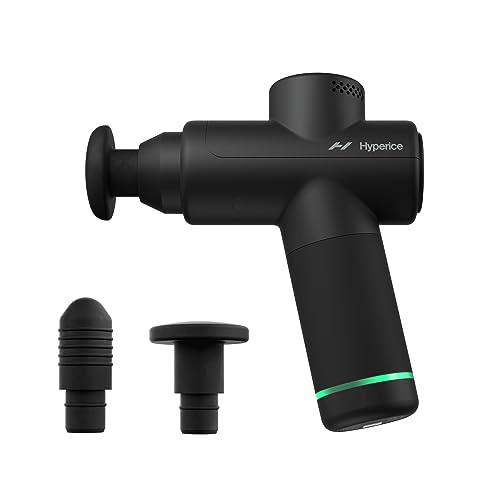
Affordable Massage Guns That Deliver Real Recovery
