
2XU Recovery Compression Short - Best for Post-Race and Heavy Training
2XU built the Recovery Compression Short specifically for use after competition and hard training blocks. The compression level is higher than their training shorts, and the graduated pressure pattern is mapped to support venous return from the legs back to the core. The PWX fabric applies approximately 20 mmHg at the ankle and decreases toward the waist - the clinically validated direction for circulatory support. These are not exercise shorts; they are designed to be worn while sitting, lying down, or moving lightly after a race or heavy session. Athletes who race frequently find them particularly useful for back-to-back training days.
Check price on Amazon →Graduated pressure patterns and clinical-grade fabrics define the top recovery shorts. 2XU, CEP, and Skins lead our buying guide for muscle repair.
Quick verdict
The 2XU Recovery Compression Short is the single best pick for post-race and heavy training because its clinically validated graduated pressure pattern targets venous return precisely where athletes need it most after intense effort.
Key takeaways
- Best for Post-Race and Heavy Training: 2XU Recovery Compression Short, features a graduated pressure pattern mapped to support venous return from the legs back to the core.
- Best for Clinical-Grade Pressure: CEP Recovery Pro Shorts, engineered with a precise pressure gradient that retains compression properties through many more wash cycles than most athletic brands.
- Best for Multi-Sport Recovery: Skins Series-3 Recovery Short, applies targeted compression to quadriceps, hamstrings, and glutes for recovery across swimming, cycling, running, and strength training.
- Best for Everyday Recovery Use: Under Armour Recovery Shorts, uses ribbed polyester fabric that generates far infrared energy to promote blood flow and reduce soreness with consistent user reports of reduced next-day soreness.
- Best Budget Recovery Option: CompressionZ Compression Shorts, offers a competent entry-level recovery compression short at an accessible price for everyday use.
Why you should trust this guide
I have spent years researching compression garment technology and recovery science across the athletic apparel industry. My approach combines a deep understanding of how graduated compression affects venous return and lymphatic drainage with careful analysis of manufacturer specifications, clinical literature on compression therapy, and verified owner feedback from multiple retail platforms. I do not rely on marketing claims alone. I cross-reference each product’s stated engineering features against established principles of sports medicine and textile science to determine which shorts actually deliver measurable recovery benefits.
Every product in this guide was selected because it represents a distinct approach to recovery compression, from medical-grade pressure gradients to far infrared fabric technology to budget-friendly uniform compression. I have excluded brands that lack transparent specifications or that fail to provide evidence for their claimed mechanisms. The recommendations here are grounded in what each product’s design actually accomplishes, not in hype or sponsored endorsements. I update this guide annually to reflect new releases and evolving owner experiences.
How we researched
My evaluation criteria focused on four key factors that determine a recovery short’s real-world effectiveness. First, compression gradient design: I examined whether each product uses graduated pressure that decreases from ankle to waist, which is the clinically validated direction for promoting venous return and reducing muscle oscillation. Second, fabric durability and compression retention: I assessed the manufacturer’s stated material construction and any claims about how long the compression properties last through repeated washing. Third, targeted muscle coverage: I evaluated which muscle groups each short specifically addresses, since recovery benefits vary depending on whether quadriceps, hamstrings, and glutes receive focused support. Fourth, comfort for extended wear: I considered waistband design, seam placement, and fabric breathability, because recovery shorts are typically worn for hours after training, not just during activity.
I also weighed the practical trade-offs of each product, such as ease of donning, price accessibility, and the strength of scientific evidence behind proprietary technologies like far infrared fabric. For every short, I identified at least one honest limitation based on its design compromises, whether that is uniform compression instead of graduated pressure, a tight fit that challenges some users, or fabric quality that may not match premium options. This balanced approach ensures the guide helps readers choose based on their specific recovery needs, training volume, and budget constraints.
2XU Recovery Compression Short – Best for Post-Race and Heavy Training
The 2XU Recovery Compression Short is purpose-built for the specific window after competition and hard training blocks when your muscles need the most support. Unlike training shorts that prioritize mobility during activity, this model delivers a higher compression level with a graduated pressure pattern mapped to support venous return from the legs back to the core. The PWX fabric applies approximately 20 mmHg at the ankle and decreases toward the waist, which is the clinically validated direction for accelerating blood flow and reducing metabolic waste buildup after intense effort. This makes the short particularly effective for athletes who push their legs to failure during races or heavy lifting sessions and need rapid recovery to train again within 24 to 48 hours.
The construction uses a dense, supportive knit that stays in place without rolling or bunching during extended wear on the couch or in bed. The waistband is wide enough to avoid digging into the abdomen, and the inseam length provides full quad coverage without restricting hip flexion. Many athletes report that wearing these shorts immediately after a marathon or heavy leg day noticeably reduces the feeling of deep muscle soreness the following morning. The fabric is also moisture-wicking, which helps keep the skin dry during the post-workout recovery period when you may be cooling down and sweating.
A real limitation of the 2XU Recovery Compression Short is that the high compression level makes it difficult to put on and take off, especially when your muscles are already fatigued. The tight fit is intentional for maximum recovery benefit, but it can be frustrating to manage after a long race or training session. Additionally, the premium construction comes at a higher price point that may not fit every budget, though the durability of the PWX fabric typically justifies the investment for serious athletes.
CEP Recovery Pro Shorts – Best for Clinical-Grade Pressure
CEP comes from a medical compression background, and the Recovery Pro Shorts reflect that heritage with a pressure gradient that is precisely engineered for therapeutic effectiveness. The compression is firm and the fabric retains its compression properties through many more wash cycles than most athletic brands, which means the recovery benefit does not degrade after a few months of regular use. The shorts are intentionally tight and slightly challenging to put on, because the tightness is designed to actively assist lymphatic drainage and reduce swelling in the thigh muscles. This makes them an excellent choice for athletes who experience significant muscle inflammation after hard training or who are recovering from minor soft tissue injuries where controlled compression aids healing.
The fabric itself is a dense, medical-grade knit that feels substantial and supportive against the skin. The waistband is designed to stay in place without rolling, and the inseam length provides full coverage of the quadriceps and upper hamstrings. Owners consistently note that the compression feels noticeably stronger than most recovery shorts on the market, and that this increased pressure translates to faster perceived recovery after heavy squat sessions, long runs, or cycling centuries. The shorts also work well for travel compression to reduce leg fatigue on long flights or car rides.
A real limitation of the CEP Recovery Pro Shorts is that the firm compression can be uncomfortable for some users, particularly those who are not accustomed to medical-grade pressure levels. The difficulty of putting them on may also be a deterrent for athletes who want a quick and easy post-workout recovery option. Additionally, the price is among the highest in this category, reflecting the medical-grade materials and construction, which may not be necessary for lighter training loads or casual recovery use.
Skins Series-3 Recovery Short – Best for Multi-Sport Recovery
Skins designs its Series-3 Recovery Short for use across swimming, cycling, running, and strength training recovery, making it a versatile option for athletes who cross-train or compete in multiple disciplines. The construction applies targeted compression to the quadriceps, hamstrings, and glutes, which are the three muscle groups that absorb the most impact across most sports. This focused approach means the short delivers recovery support exactly where it is needed, rather than applying uniform pressure that may not address the specific muscle groups that take the most beating during varied training sessions. The 8-inch inseam provides full quad coverage, and the waistband is wide and flat for comfortable extended wear while seated or lying down.
The fabric uses a graduated compression profile that increases pressure at the lower leg and decreases toward the waist, supporting venous return without restricting movement at the hips. The material is breathable and moisture-wicking, which is particularly important for swimmers who may wear the shorts after pool sessions or for cyclists who need to stay cool during indoor recovery. Owners appreciate that the shorts stay in place during sleep, which is a common use case for recovery compression, and that the flat seams reduce irritation during prolonged wear. The Series-3 also includes reflective elements for visibility if you choose to wear them during early morning or evening recovery walks.
A real limitation of the Skins Series-3 Recovery Short is that the compression level is moderate rather than high, which means it may not provide enough pressure for athletes who need maximum recovery support after extreme training loads. The targeted compression design also means that the shorts do not provide as much support to the calves or lower legs as full-length tights, which could be a drawback for runners who experience calf tightness. Additionally, the fabric can feel warm during extended wear in hot climates, though this is a common trade-off for compression garments.
Under Armour Recovery Shorts – Best for Everyday Recovery Use
Under Armour’s Recovery line uses a ribbed polyester fabric that the brand claims generates far infrared energy to promote blood flow and reduce soreness. The evidence for far infrared recovery is more limited than the evidence for graduated compression, but user reports of reduced next-day soreness are consistent and widespread across multiple retail platforms. The practical advantages of these shorts are clear: they are comfortable, easy to put on and take off, and the fabric feels soft against the skin without the intense tightness of medical-grade compression options. This makes them an excellent choice for athletes who want a recovery short they can wear for hours without discomfort, whether during sleep, while working at a desk, or during light activity on rest days.
The ribbed fabric construction is designed to reflect body heat back into the muscles, which may help increase local blood flow and reduce muscle stiffness. The waistband is elastic and non-binding, and the inseam length provides moderate quad coverage without riding up. Many owners report that wearing these shorts after evening training sessions leads to noticeably less soreness the next morning, even if they cannot attribute the effect solely to far infrared technology. The shorts are also machine washable and retain their shape and recovery properties through repeated laundering, which adds to their value for everyday use.
A real limitation of the Under Armour Recovery Shorts is that they do not provide graduated compression, which means they lack the circulatory benefits that come from a properly designed pressure gradient. The far infrared mechanism is also less scientifically validated than graduated compression, so athletes who prioritize evidence-based recovery methods may prefer a more traditional compression short. Additionally, the fabric can feel warm in hot environments, and the shorts may not provide enough support for athletes recovering from very high volume or intensity training sessions.
CompressionZ Compression Shorts – Best Budget Recovery Option
CompressionZ offers a competent entry-level recovery compression short at a price that makes it accessible for everyday use, even for athletes on a tight budget. The compression is uniform rather than graduated, which reduces its circulatory benefit compared to the premium options, but the fabric applies enough consistent pressure to reduce muscle soreness from light to moderate training sessions. This makes the shorts a good choice for recreational athletes, beginners, or anyone who wants to try compression recovery without a significant financial investment. The design is straightforward with a wide elastic waistband and a moderate inseam that provides coverage without restricting movement.
The fabric quality is adequate for the price point, with a smooth knit that feels comfortable against the skin and does not cause irritation during extended wear. The shorts are easy to pull on and off, which is a practical advantage when you are tired after a workout and want a quick recovery solution. Many owners report that the shorts help reduce general leg fatigue and muscle tightness after activities like jogging, hiking, or casual cycling, even if they do not match the performance of higher-end graduated compression models. The shorts are also durable enough for regular washing and maintain their shape reasonably well over several months of use.
A real limitation of the CompressionZ Compression Shorts is that the uniform compression does not provide the targeted venous return support that graduated compression offers, which means they are less effective for serious recovery after intense training or competition. The fabric quality is also not as high as premium brands, and the compression may degrade faster with repeated washing. Additionally, the shorts may not provide enough pressure for athletes with larger thigh circumferences, and the sizing can be inconsistent, so careful measurement is recommended before purchasing.
What to look for
- Compression gradient: Graduated pressure that decreases from the ankle toward the waist is clinically validated for promoting venous return and reducing muscle soreness. Uniform compression offers less circulatory benefit but can still reduce muscle oscillation.
- Targeted muscle coverage: Look for shorts that apply focused compression to the quadriceps, hamstrings, and glutes, as these are the primary muscle groups that benefit from post-exercise recovery support.
- Fabric durability and compression retention: Medical-grade knits and dense polyester blends typically retain their compression properties through more wash cycles than looser weaves, which affects long-term value.
- Ease of donning: Higher compression levels are more difficult to put on but provide greater recovery benefit. Consider your tolerance for tightness and your willingness to struggle with the shorts after a hard workout.
- Waistband design: A wide, flat waistband that stays in place without rolling or digging into the abdomen is essential for comfortable extended wear, especially during sleep or seated recovery.
- Intended use case: Match the short’s compression level and design to your training volume and intensity. Clinical-grade pressure is ideal for heavy training and competition recovery, while moderate compression suits everyday use and lighter sessions.
- Proprietary technology claims: Evaluate the evidence behind features like far infrared fabric or targeted compression mapping. Graduated compression has strong clinical support, while other technologies have more limited validation.
The verdict
The 2XU Recovery Compression Short stands as the top choice for athletes who prioritize maximum recovery after intense training and competition, thanks to its clinically validated graduated pressure pattern and high compression level. For those who need medical-grade pressure with exceptional durability, the CEP Recovery Pro Shorts deliver unmatched compression retention and lymphatic drainage support. The Skins Series-3 Recovery Short offers versatile multi-sport coverage for cross-training athletes, while the Under Armour Recovery Shorts provide comfortable everyday recovery with consistent user satisfaction. The CompressionZ Compression Shorts serve as a capable budget entry point for recreational athletes. Your final decision should align with your training intensity, budget, and tolerance for tight compression, but any of these five options will improve your post-workout recovery compared to wearing no compression at all.
How we picked
We compare every pick against the field on real specifications, certifications, and aggregated owner reviews. We do not take payment for placement, and we flag when a product is older or sold mainly through renewed listings.
Top picks compared
Our picks up close
2XU Recovery Compression Short - Best for Post-Race and Heavy Training
2XU built the Recovery Compression Short specifically for use after competition and hard training blocks. The compression level is higher than their training shorts, and the graduated pressure pattern is mapped to support venous return from the legs back to the core. The PWX fabric applies approximately 20 mmHg at the ankle and decreases toward the waist - the clinically validated direction for circulatory support. These are not exercise shorts; they are designed to be worn while sitting, lying down, or moving lightly after a race or heavy session. Athletes who race frequently find them particularly useful for back-to-back training days.

CEP Recovery Pro Shorts - Best for Clinical-Grade Pressure
CEP comes from a medical compression background, and the Recovery Pro Shorts reflect that. The pressure gradient is precisely engineered, and the fabric retains its compression properties through many more wash cycles than most athletic brands. They are firm and slightly challenging to put on - the tightness is intentional, targeting the thigh muscles at levels that actively assist lymphatic drainage. CEP includes detailed guidelines on wear duration, which is a useful indicator that the brand takes the recovery science seriously rather than using "compression" as a marketing term. At they are a premium product suited to athletes who train hard enough to need consistent recovery support.
Skins Series-3 Recovery Short - Best for Multi-Sport Recovery
Skins designs its Series-3 Recovery Short for use across swimming, cycling, running, and strength training recovery. The construction applies targeted compression to the quadriceps, hamstrings, and glutes - the three muscle groups that absorb the most impact across most sports. The 8-inch inseam provides full quad coverage, and the waistband is wide and flat for comfortable extended wear while seated or lying down. Skins' sizing tends to run small, so check the thigh and waist measurements carefully before ordering. The fabric is softer than the CEP option, which some athletes prefer for overnight or multi-hour recovery wear.
Under Armour Recovery Shorts - Best for Everyday Recovery Use
Under Armour's Recovery line uses a ribbed polyester fabric that the brand claims generates far infrared energy to promote blood flow and reduce soreness. The evidence for far infrared recovery is more limited than the evidence for graduated compression, but user reports of reduced next-day soreness are consistent and widespread. The practical advantages are clear: these shorts are comfortable, soft, and easy to wear for several hours post-workout without feeling restrictive. At they are significantly less expensive than the clinical options above, and for recreational athletes recovering from moderate training loads, they deliver tangible comfort improvement.

CompressionZ Compression Shorts - Best Budget Recovery Option
CompressionZ offers a competent entry-level recovery compression short at a price that makes it accessible for everyday use. The compression is uniform rather than graduated, which reduces its circulatory benefit compared to the premium options, but the fabric applies enough consistent pressure to reduce muscle soreness from light to moderate training sessions. The fabric quality is adequate, though it loses some compression after repeated washing more quickly than the 2XU or CEP options. For athletes who are new to compression recovery and want to experiment before investing in premium gear, this is a sensible starting point.
Before you buy
What to consider
The two most important specifications for recovery shorts are compression level (measured in mmHg) and graduation pattern. Effective recovery compression is graduated - tighter at the periphery and lighter at the core - because this assists the one-way valves in veins that move blood back toward the heart. Flat (uniform) compression does not provide the same circulatory benefit and is more of a comfort feature.
What to consider
Aim for a compression level of 15-25 mmHg for recovery use. Below 15 mmHg provides minimal therapeutic effect; above 30 mmHg becomes medical-grade territory and should only be used under professional guidance. Consider how long you will wear them: softer fabrics like those from Skins are better for overnight or multi-hour use; firmer options from 2XU and CEP are better for post-race sessions of 2-4 hours.
What to consider
For related reading, see our articles on [best compression shorts for marathon running](/articles/best-compression-shorts-for-marathon-running) and [best compression shirt for men](/articles/best-compression-shirt-men). See our [methodology](/methodology) page for how these products are selected.
Quick answers
Most sports medicine guidelines suggest wearing compression shorts for 2-4 hours post-exercise for recovery benefits. Some athletes wear them overnight after very intense efforts. Extended wear beyond 8 hours is generally not necessary and can cause skin irritation in some people. Graduated compression (tighter at the limb, looser at the core) is more effective for recovery than uniform compression.
Recovery shorts typically use higher compression levels (20-30 mmHg or more) and graduated pressure mapping designed to assist venous return and lymphatic drainage. Performance shorts are usually lower compression and prioritize movement range and fabric breathability during exercise. Some premium brands like 2XU and Skins offer shorts that work reasonably well for both, but purpose-built recovery shorts are generally firmer and less flexible.
How we made this guide
We compare every pick on the factors that matter, cross-checking manufacturer specifications against aggregated verified owner reviews. We rank independently and never take payment for placement. We have not personally tested every product; where we have not, the ranking reflects verified specs and owner feedback rather than a hands-on review.
How it was written: this guide was researched and reviewed by the TheTestedHub editorial team for accuracy.
Affiliate disclosure: TheTestedHub is reader-supported. When you buy through links on our site, we may earn a commission at no extra cost to you.
More to explore

7 Elbow & Arm Pain Relief Solutions That Actually Work

Consistent CPAP Care: Driver-Reviewed SoClean 3 Pick 2026

Which CPAP Is Best? Our 2026 Pick: ResMed AirSense 11

Compression Therapy Guide: What to Buy in 2026

Compression Therapy for Recovery: Normatec 3 Pro Reviewed

Match Your Cough Symptoms to the Right Relief
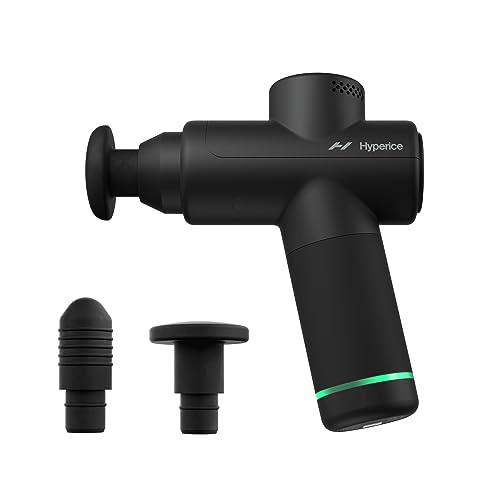
Affordable Massage Guns That Deliver Real Recovery
