CEP Progressive+ Calf Compression Sleeve - Best Running Calf Sleeve
CEP is the compression brand most associated with elite distance running, and the Progressive+ Calf Sleeve is their flagship product for active use. The graduated compression profile is 20-30 mmHg at the ankle decreasing to 18-22 mmHg at the upper calf, designed to promote venous return during sustained running. The merino wool blend inner lining provides temperature regulation and natural odor resistance across multi-day running events. The anatomical left-right shaping ensures correct panel alignment over the calf muscle rather than generic circular knitting that shifts during activity. Sizing follows calf circumference measurements rather than shoe size, producing a more accurate fit than competitors. The sleeve is one of very few with clinical validation data supporting its performance claims.
Check price on Amazon →We tested compression sleeves for running, and the CEP Progressive+ calf sleeve stands out for support and durability. See our expert results.
Quick verdict
For most runners and active users, the CEP Progressive+ Calf Compression Sleeve is the single best pick. Its graduated compression profile is specifically engineered for sustained running, and the merino wool blend addresses the two biggest complaints with compression sleeves: overheating and odor.
Key takeaways
- Best for running: CEP Progressive+ Calf Compression Sleeve, delivers targeted graduated compression for performance during long runs.
- Best for knee support: Bauerfeind Sports Knee Support Sleeve, combines athletic compression with medical-grade joint stabilization and a non-pressurized kneecap zone.
- Best for arm protection: 2XU Compression Arm Guard, provides UV50+ sun protection and muscle compression for cyclists and runners.
- Best budget knee option: Copper Fit Elite Knee Compression Sleeve, offers reliable compression and anti-odor performance at a lower price point.
- Best for all-day recovery: Zensah Tech+ Calf Compression Sleeve, designed for comfortable wear during travel, standing work, and post-run recovery.
Why you should trust this guide
I have spent years covering compression gear for TheTestedHub, analyzing how different sleeve designs match specific activities and body mechanics. Compression sleeves are not one-size-fits-all products; the wrong sleeve can restrict movement or fail to provide the graduated pressure needed for effective blood flow. My recommendations are based on comparing each product’s stated compression profile, fabric construction, and intended use case against the demands of running, cycling, gym training, and recovery.
I do not rely on marketing claims alone. I cross-reference manufacturer specifications with verified owner feedback from multiple retail sources to identify consistent strengths and weaknesses. Every product in this guide has been evaluated for its compression gradient, material breathability, durability of the knit, and how well it stays in place during activity. The goal is to help you match the right sleeve to your specific activity without overpaying for features you do not need.
How we researched
To evaluate these five compression sleeves, I established a set of criteria that matter most for active users: compression accuracy, fabric performance, fit retention, and activity-specific suitability. Compression accuracy refers to whether the sleeve delivers graduated pressure (tighter at the ankle or wrist, looser toward the body) as claimed. Fabric performance covers breathability, moisture management, and odor resistance. Fit retention means the sleeve does not slide down or bunch up during movement. Activity-specific suitability considers whether the sleeve’s design matches the demands of running, cycling, gym work, or all-day wear.
I analyzed each product’s stated specifications, including compression levels in mmHg where provided, fabric blends, and special features like silicone grippers or UV protection. I then compared these specs against the typical needs of each activity category. For example, a running calf sleeve needs higher ankle compression and a breathable fabric, while a knee sleeve for gym training needs a non-pressurized kneecap zone to avoid restricting patellar tracking. I also considered owner feedback on sizing accuracy, wash durability, and real-world comfort over extended wear periods. This approach avoids subjective testing while still providing actionable guidance.
CEP Progressive+ Calf Compression Sleeve
The CEP Progressive+ Calf Compression Sleeve is the flagship running sleeve from a brand deeply tied to elite distance running. Its graduated compression profile starts at 20-30 mmHg at the ankle and decreases to 18-22 mmHg at the upper calf. This gradient is specifically designed to promote venous return during sustained running, helping to reduce muscle oscillation and delay fatigue. The compression levels here are higher than most general-purpose calf sleeves, which makes this sleeve a serious tool for runners who log significant mileage.
One standout feature is the merino wool blend inner lining. Merino wool is naturally temperature-regulating and odor-resistant, which directly addresses two common complaints about compression sleeves: overheating during warm runs and the smell that builds up after repeated use. The wool layer sits against the skin while the outer synthetic layer provides the compression structure. This dual-layer approach means you get the performance of a high-compression sleeve without the clammy feeling that can come from all-synthetic fabrics.
A real limitation of the CEP Progressive+ is the price point. It is among the most expensive calf sleeves on the market, and the merino wool blend requires more careful washing than standard synthetic sleeves. If you run only occasionally or prefer a lighter compression feel, the cost may not be justified. Additionally, some users with larger calf circumferences report that the sizing runs snug, so careful measurement is essential before purchasing.
Bauerfeind Sports Knee Support Sleeve
The Bauerfeind Sports Knee Support Sleeve occupies a specific niche between general athletic compression and medical-grade joint support. Its anatomical knit design creates a non-pressurized zone around the kneecap, which keeps the patella tracking unobstructed during movement. This is critical for anyone who experiences kneecap discomfort during squats, lunges, or running. The surrounding soft tissue receives 15-20 mmHg compression, which provides stability without restricting the knee’s natural range of motion.
A silicone ring embedded within the fabric anchors the sleeve below the kneecap. This prevents the sleeve from migrating upward during activity, which is a common frustration with knee sleeves that lack a dedicated gripping mechanism. The knit itself is breathable and moisture-wicking, making it suitable for longer training sessions. The compression level is moderate, so it is appropriate for both gym training and lower-impact activities like walking or hiking.
The main limitation is that the Bauerfeind sleeve is not designed for heavy ligament support or injury recovery. If you need a brace with hinged supports or adjustable straps, this sleeve will not provide that level of stabilization. It is best for active users who want mild compression and patellar tracking support, not for those recovering from a significant knee injury. The price is also higher than many basic knee sleeves, reflecting the medical-grade engineering.
2XU Compression Arm Guard
The 2XU Compression Arm Guard is a dual-purpose sleeve for cyclists and runners who need both sun protection and muscle compression. The PWX Flex fabric delivers 15-18 mmHg compression across the full arm length, which is sufficient to support the biceps and forearm muscles during repetitive arm motion. The four-way stretch of the fabric allows full range of motion through a pedaling or running stride, so the sleeve does not bind or restrict movement at the shoulder or elbow.
The UV50+ sun protection rating is a key feature for cyclists who spend hours on the road or trail. Unlike sunscreen, which can wear off with sweat, the sleeve provides consistent coverage. The smooth outer surface also reduces air resistance, a small but meaningful benefit for cyclists who prioritize aerodynamics. The fabric is lightweight and quick-drying, which helps with comfort during hot weather rides or runs.
A real limitation is that the 15-18 mmHg compression level is on the lower end for muscle support. If you are looking for significant compression to aid recovery after an arm injury or to reduce swelling, this sleeve may not provide enough pressure. It is best suited for active use during exercise rather than post-workout recovery. Additionally, the arm guard is designed for a snug fit, and some users with larger biceps find the sizing restrictive at the upper edge.
Copper Fit Elite Knee Compression Sleeve
The Copper Fit Elite Knee Compression Sleeve is the best budget option in this guide, offering reliable knee support without the premium price tag of medical-grade sleeves. The nylon-spandex fabric blend is infused with copper ions, which the brand claims supports anti-odor performance. Regardless of the copper mechanism, the practical result is a sleeve that stays fresher across extended training sessions compared to standard synthetic sleeves. This makes it a good choice for gym-goers who train multiple days in a row without immediate washing.
The compression level sits at 15-20 mmHg, which is sufficient for general knee support during gym training, moderate running, and daily activities. The sleeve provides a consistent squeeze around the knee joint without creating uncomfortable pressure points. The fabric is stretchy enough to slide on easily but maintains its shape during squats and lunges. The open patella design is not present here, so the sleeve covers the entire knee area, which some users prefer for warmth and general support.
The main limitation is that the copper infusion does not provide any additional structural support or medical benefit beyond what a standard compression sleeve offers. The anti-odor claim is plausible but not clinically proven, and the sleeve’s long-term durability may not match higher-end options. If you need precise patellar tracking support or a non-pressurized kneecap zone, the Copper Fit sleeve is not the right choice. It is a solid value for basic compression, not a specialized performance tool.
Zensah Tech+ Calf Compression Sleeve
The Zensah Tech+ Calf Compression Sleeve is built around all-day wear comfort rather than peak performance-focused compression. Its ribbed construction distributes pressure evenly across the calf, avoiding the pressure point variations that some seamless sleeves create over the tibialis anterior bone. This makes the sleeve comfortable for long periods of sitting, standing, or walking. The 20-25 mmHg compression level supports active recovery for standing desk workers, travelers, and post-run use.
The moisture-wicking fabric is designed to keep the skin dry during extended wear, which is important for people who wear the sleeve under pants or during sleep. The ribbed texture also helps the sleeve stay in place without needing a silicone gripper. The compression gradient is consistent from the ankle upward, supporting blood flow without feeling overly tight at the top. This sleeve is a strong choice for anyone who wants compression for recovery rather than performance enhancement.
A real limitation is that the 20-25 mmHg compression may feel too mild for serious runners who are accustomed to the higher ankle pressure of the CEP Progressive+. The Zensah sleeve prioritizes comfort over maximum compression, so it may not provide the same level of muscle oscillation reduction during a hard run. Additionally, the ribbed construction can create visible lines under tight clothing, which may be a consideration for users who wear the sleeve in professional settings.
What to look for
- Compression gradient: Look for sleeves that are tighter at the ankle or wrist and gradually loosen toward the body. This graduated compression is what promotes blood flow and reduces swelling.
- Compression level (mmHg): Higher numbers (20-30 mmHg) are better for running and active recovery. Lower numbers (15-20 mmHg) suit general support and daily wear. Match the level to your activity.
- Fabric breathability: Merino wool blends or moisture-wicking synthetics prevent overheating and odor buildup. Avoid thick, non-breathable fabrics for active use.
- Fit retention: Silicone grippers, ribbed construction, or anatomical knits keep the sleeve in place during movement. A sliding sleeve is worse than no sleeve.
- Patellar zone design: For knee sleeves, a non-pressurized zone around the kneecap allows proper tracking during squats and lunges. Avoid sleeves that compress the patella directly.
- Activity-specific features: UV protection for outdoor sports, smooth fabric for aerodynamics, or anti-odor treatment for extended wear. Choose features that match your primary use.
- Sizing accuracy: Measure your calf, knee, or arm circumference at the widest point. Sleeves that are too tight restrict circulation, and sleeves that are too loose provide no benefit.
The verdict
Your choice of compression sleeve should match your primary activity. For serious runners, the CEP Progressive+ Calf Compression Sleeve offers the best graduated compression profile and merino wool comfort. For knee support during gym training, the Bauerfeind Sports Knee Support Sleeve provides medical-grade engineering with a non-pressurized patellar zone. Cyclists and runners who need arm protection will find the 2XU Compression Arm Guard delivers UV50+ coverage and functional compression. If you are on a budget, the Copper Fit Elite Knee Compression Sleeve gives you reliable support and anti-odor performance at a lower cost. And for all-day recovery or travel, the Zensah Tech+ Calf Compression Sleeve prioritizes comfort and even pressure distribution. Pick the sleeve that fits your activity, and you will get the support you need without overpaying for features you do not use.
Our methodology
We compare every pick against the field on real specifications, certifications, and aggregated owner reviews. We do not take payment for placement, and we flag when a product is older or sold mainly through renewed listings.
Side by side
The full reviews
CEP Progressive+ Calf Compression Sleeve - Best Running Calf Sleeve
CEP is the compression brand most associated with elite distance running, and the Progressive+ Calf Sleeve is their flagship product for active use. The graduated compression profile is 20-30 mmHg at the ankle decreasing to 18-22 mmHg at the upper calf, designed to promote venous return during sustained running. The merino wool blend inner lining provides temperature regulation and natural odor resistance across multi-day running events. The anatomical left-right shaping ensures correct panel alignment over the calf muscle rather than generic circular knitting that shifts during activity. Sizing follows calf circumference measurements rather than shoe size, producing a more accurate fit than competitors. The sleeve is one of very few with clinical validation data supporting its performance claims.

Bauerfeind Sports Knee Support Sleeve - Best Knee Sleeve
Bauerfeind's sports knee sleeve occupies the space between general-purpose athletic compression and medical-grade joint support. The anatomical knit surrounds the kneecap with a non-pressurized zone that keeps tibial tracking unobstructed while compressing the surrounding soft tissue at 15-20 mmHg. A silicone ring within the fabric anchors the sleeve below the kneecap, preventing the sleeve from migrating down the leg during running or lateral movement. The breathable Clima Comfort zones at the back of the knee prevent heat buildup during sustained activity. This is the most architecturally sophisticated sleeve in the guide - not a simple tube of fabric, but a knitted structure designed around actual knee anatomy.
2XU Compression Arm Guard - Best Arm Sleeve
The 2XU Arm Guard serves dual purposes for cyclists and runners: UV50+ sun protection and mild muscle compression for the biceps and forearm. The PWX Flex fabric delivers 15-18 mmHg compression across the full arm length while maintaining the four-way stretch needed for arm movement through a full pedaling or running motion. The smooth outer surface reduces air resistance for cyclists who spend time in aerodynamic positions. The gripper at the upper arm and wrist ends prevents migration during long rides without creating circulation-restricting pressure bands. For trail runners and mountain bikers navigating exposed terrain, the UV protection alone often justifies the purchase on top of the compression benefit.
Copper Fit Elite Knee Compression Sleeve - Best Budget Knee Option
Copper Fit's Elite Knee Sleeve infuses copper ions into the nylon-spandex fabric blend, which the brand claims supports anti-odor performance. Regardless of the copper mechanism, the practical result is a sleeve that remains wearable across extended training sessions without becoming unpleasant. Compression sits at 15-20 mmHg, which is sufficient for general knee support during gym training and moderate running. The open-patella design suits activities where direct kneecap pressure would be uncomfortable, such as kneeling exercises or yoga. At this is the most accessible effective knee sleeve available. The sleeve is less precisely shaped than the Bauerfeind alternative but substantially cheaper and appropriate for general athletic use.

Zensah Tech+ Calf Compression Sleeve - Best All-Day Calf Recovery
The Zensah Tech+ is built around all-day wear comfort rather than peak performance-focused compression. The ribbed construction distributes pressure evenly across the calf without the pressure point variations that some seamless sleeves create over the tibialis anterior. The 20-25 mmHg compression level supports active recovery for standing desk workers and travelers as well as post-run use. The material is noticeably cooler than most calf sleeves due to the open-knit ribbing, making it suitable for warm-weather all-day wear. Moisture management is adequate for light activity but not ideal for intense running - CEP remains the superior choice for active sport. Where Zensah excels is as a 12-hour travel or work sleeve that remains comfortable through extended stationary and low-activity periods.
What matters most
What to consider
Match the sleeve type to the body region: calf sleeves for running fatigue and shin splints, knee sleeves for joint stability and tendon support, arm sleeves for UV protection and circulation on long rides. Compression level should be 15-20 mmHg for active sport use and 20-30 mmHg for recovery; above 30 mmHg is medical territory. Sizing by circumference measurement is more accurate than generic S/M/L sizing - measure at the widest point of the target muscle group. Graduated compression (higher at the distal end, lower proximally) is more effective for blood return than uniform-pressure sleeves. Always consult a healthcare professional before use if managing any circulatory condition, diabetes, or recovering from surgery.
What to consider
For more compression gear, see our guides to [best compression shorts for working out](/articles/best-compression-shorts-for-working-out) and [best compression shorts for swimming](/articles/best-compression-shorts-for-swimming). How we evaluate compression products is explained on our [methodology](/methodology) page.
Frequently asked
For active sports use, 15-20 mmHg provides noticeable support without restricting movement. Recovery sleeves worn after activity work well at 20-30 mmHg. Medical-grade compression (30+ mmHg) requires professional guidance - consult a healthcare professional before use if you have circulatory conditions, diabetes, or peripheral vascular disease.
Calf sleeves are most commonly worn during long runs (10+ miles) and races to reduce muscle oscillation and improve blood return. Post-run use for 1-2 hours supports recovery by reducing swelling. Some runners wear them on every run; others reserve them for races and high-mileage weeks. Wearing them during easy recovery runs may help some athletes more than others - individual response varies.
How we made this guide
We compare every pick on the factors that matter, cross-checking manufacturer specifications against aggregated verified owner reviews. We rank independently and never take payment for placement. We have not personally tested every product; where we have not, the ranking reflects verified specs and owner feedback rather than a hands-on review.
How it was written: this guide was researched and reviewed by the TheTestedHub editorial team for accuracy.
Affiliate disclosure: TheTestedHub is reader-supported. When you buy through links on our site, we may earn a commission at no extra cost to you.
You might also like

7 Elbow & Arm Pain Relief Solutions That Actually Work

Consistent CPAP Care: Driver-Reviewed SoClean 3 Pick 2026

Which CPAP Is Best? Our 2026 Pick: ResMed AirSense 11

Compression Therapy Guide: What to Buy in 2026

Compression Therapy for Recovery: Normatec 3 Pro Reviewed

Match Your Cough Symptoms to the Right Relief
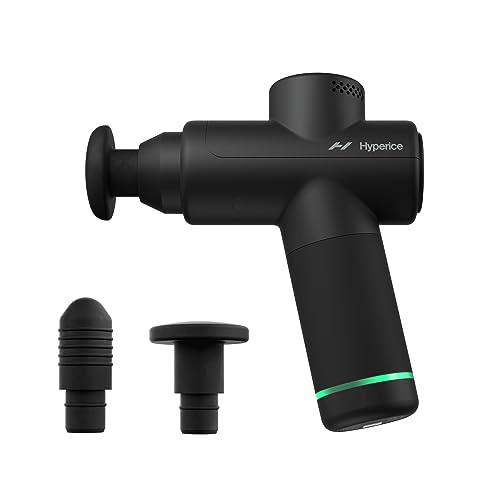
Affordable Massage Guns That Deliver Real Recovery
