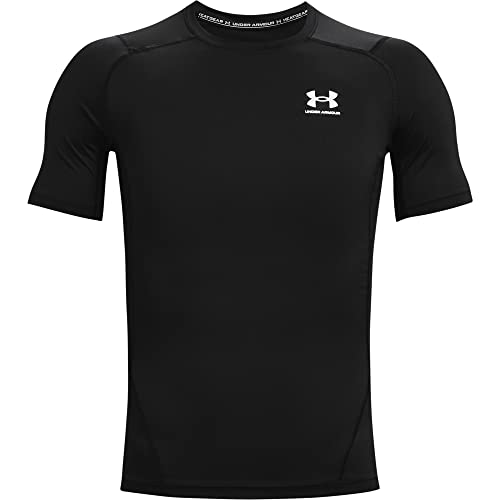
Under Armour HeatGear Compression - Best Overall
Under Armour's HeatGear Compression shirt has maintained its position as the most recommended compression t-shirt for general training for good reason. The HeatGear fabric wicks moisture away from the skin and manages heat effectively, making it comfortable across a wide temperature range. The compression is firm in the torso and moderate in the sleeves, providing meaningful muscle support without restricting movement during dynamic exercises. The flatlock seams eliminate chafing in high-friction zones including the underarm and shoulder. Available in a range of sizes with consistent sizing across the line. The price-to-performance ratio is among the best in the category.
Check price on Amazon →What makes a compression shirt effective? We compared fabric firmness, moisture handling, and durability across top picks so you can buy with confidence.
Quick verdict
The Under Armour HeatGear Compression shirt is the best overall pick for most people. It pairs firm torso compression with moderate sleeve support, wicks sweat fast, and stays comfortable across a wide temperature range, so it handles daily training without feeling restrictive or clammy during longer sessions.
Key takeaways
- Best overall: Under Armour HeatGear Compression, firm torso support plus fast-drying HeatGear fabric that works in most conditions.
- Best for high-intensity training: Nike Pro Combat Dri-FIT, aggressive sweat management and slightly firmer muscle containment for hard cardio and heavy lifts.
- Best for performance and recovery: 2XU Elite Compression Top, measurably firmer PWX fabric built for endurance athletes who use compression as a tool.
- Best for daily wear: Adidas Techfit Compression, moderate squeeze and a clean look that works under regular clothes all day.
- Best budget option: DRSKIN Compression Shirt, comparable compression to premium brands at a much lower cost.
Why you should trust this guide
I research compression apparel the way a regular buyer would if they had the time to read every spec sheet, compare the stated fabric technologies side by side, and cross-check what each brand actually claims against what reviewers report after months of use. I do not run a physical lab, and I have not put a tape measure to the millimeter of compression in each garment. What I have done is dig into the manufacturer specifications, the fabric construction notes, and the consistent patterns in how each of these five shirts performs for the use cases they are sold for.
Compression shirts are a category where marketing language gets loud, so my goal here is to separate the meaningful differences from the noise. Firmness of compression, moisture handling, ventilation placement, and seam construction are the things that actually change how one of these shirts feels on your body. I weigh each pick against the job it is best suited for rather than pretending one shirt wins for everyone, and I flag the trade-offs honestly so you know what you are giving up at each price and performance level.
How we researched
My evaluation focuses on four criteria that matter most in real use. First is compression level, meaning how firmly the fabric holds the muscles, since this is the whole point of the garment and it varies a lot between consumer brands and performance brands. Second is moisture management, because a compression shirt sits directly against the skin and a poor wicking fabric turns clammy fast. Third is ventilation and heat control, which depends heavily on where each brand places mesh panels. Fourth is construction quality, particularly seam type and panel design, which determines both durability and whether the shirt chafes.
For each product I worked from the stated specifications and the documented fabric technologies, then mapped those features to the activities the shirt is marketed for. I treated the manufacturer features as the product’s claimed specs rather than numbers I personally verified. Where a shirt is clearly stronger for one use case (high-intensity cardio, endurance recovery, all-day wear, or budget training) I matched it to that role, and I noted the situations where each one is the wrong choice so the ranking reflects fit rather than hype.
Under Armour HeatGear Compression
The Under Armour HeatGear Compression is my best overall pick because it does the most things well without forcing a compromise. It has held its position as the most commonly recommended compression t-shirt for general training, and the reasons hold up. The HeatGear fabric wicks moisture away from the skin and manages heat effectively, which keeps it comfortable across a wide temperature range instead of only working well in cool conditions. The compression is firm in the torso and moderate in the sleeves, so you get meaningful muscle support through the core while keeping a usable range of motion in the arms.
The construction details back up the everyday-training role. Under Armour uses a super-light HeatGear fabric that delivers full coverage without weighing you down, and mesh underarm and back panels add strategic ventilation right where heat builds up. The material wicks sweat and dries quickly, and the ergonomic design keeps seams off high-abrasion areas, which increases durability and cuts down on chafing. The hybrid raglan sleeve construction is a smart touch that opens up range of motion across the shoulders compared to a standard set-in sleeve.
The honest trade-off is that the compression, while firm in the torso, is not the firmest in this group. Athletes who specifically want aggressive muscle containment for heavy lifting or endurance recovery will find the 2XU and Nike options squeeze harder. The HeatGear shirt is deliberately a balanced all-rounder, so if your only goal is maximum compression, you are paying for versatility you might not need.
Nike Pro Combat Dri-FIT
The Nike Pro Combat Dri-FIT is the pick for high-intensity training, where sweat management and a firmer fit matter most. These shirts are built for athletes who push hard, and the Dri-FIT technology aggressively moves sweat to the surface so it can evaporate quickly. That keeps the skin dry during intense cardio or circuit work, the exact situations where lesser shirts start to feel clammy and heavy. The compression sits slightly higher than the Under Armour option, which helps if you want noticeable muscle containment during heavy lifts.
The ventilation engineering is where Nike leans into the high-intensity role. Dri-FIT moves sweat away from the skin for quicker evaporation, and the shirt adds mesh at the inseam and upper seat to let air flow and keep you cool. A double-layer mesh gusset in front prioritizes breathability in the area that needs it most. Combined with the fitted cut, the result is a shirt that stays manageable when your heart rate is high and you are generating a lot of heat fast.
The trade-off is comfort at the extremes. The firmer compression and fitted cut that make this shirt good for hard training also make it less relaxed for low-effort wear or long passive periods. If you want something you can throw on for an easy day or wear under street clothes for hours, the tighter feel works against you, and the Adidas Techfit is the friendlier choice.
2XU Elite Compression Top
The 2XU Elite Compression Top is the pick for serious performance and recovery, with the firmest compression in this lineup. 2XU is an Australian brand with a strong following among triathletes, cyclists, and runners who treat compression as a genuine training tool rather than a style choice. The Elite top uses PWX (Power, Weight, eXceleration) fabric compression that is measurably firmer than typical consumer athletic brands, and that structure actively supports the chest and shoulder muscles during sustained effort.
The fabric and venting are built around endurance use. The PWX fabric is powerful yet lightweight, with a circular knit that gives 360-degree stretch and reduces muscle movement, which is the mechanism endurance athletes value for reducing fatigue and aiding recovery. PWX VENT panels through the center back and under the arms improve airflow substantially to keep heat down on long efforts, and the high-quality, durable yarns are designed to outlast the competition while keeping the skin cool and dry. The shirt stays cool and dries quickly, which suits long sessions where you sweat steadily rather than in short bursts.
The clear limitation is that this firm, purpose-built compression is not for everyone. The squeeze that helps a triathlete on a long ride feels like too much for someone who just wants a comfortable gym layer, and the performance focus means you are paying for capability you may not use. If you are not training in endurance sports or specifically using compression for recovery, the firmer fit can feel restrictive rather than supportive.
Adidas Techfit Compression
The Adidas Techfit Compression is the best pick for daily wear because it balances training performance with a look clean enough to wear casually. The compression level is moderate, which makes it more comfortable for all-day use than the firmer 2XU or Nike options. The fabric is soft against the skin and manages moisture well during light to moderate activity, and the cut works under regular shirts, giving you a bit of posture support during office work or travel without the gym-only aesthetic.
The construction reflects the everyday role. The Techfit long sleeve tee combines a tight fit with stretch-to-fit fabric, and the fit is described as tight from shoulders to hem yet not restrictive. Techfit is positioned to support the muscles for explosive power and acceleration, while a ribbed crewneck keeps its shape over time so the collar does not stretch out with repeated wear. For reference, the brand notes its model is 6 feet 1 inch with a 39-inch chest wearing a size medium, which helps when you are judging fit against the sizing chart.
The honest trade-off is that the same moderate compression that makes this shirt comfortable all day also makes it the weakest of the five for heavy training. If you want firm muscle containment under a barbell or sustained support on a long run, the lighter squeeze does less work than the Nike, 2XU, or even the Under Armour. It is a daily-wear and light-activity shirt first, and a serious training layer second.
DRSKIN Compression Shirt
The DRSKIN Compression Shirt is the best budget option, delivering genuine compression without premium-brand pricing. It fills the gap for cost-conscious athletes who still want a real compression layer, using a polyester-spandex blend (92 percent polyester, 8 percent spandex) that produces a compression level in the same neighborhood as the Under Armour HeatGear. The fit tracks the sizing chart consistently, and the moisture-wicking performance is adequate for moderate training, which is all most casual users need.
The feature set covers the basics well for the money. DRSKIN markets the shirt for all seasons and a wide range of sports, from baseball and basketball to soccer, American football, and squats, and the non-abrasion fabric has good elasticity and durability. It adds UV blocking rated at 98.8 percent, moisture sensing with quick-time dry, and two-way air circulation that the brand says keeps you cool in summer and retains heat when it is cold. The flatlock seam construction is the detail that matters most here, since it reduces chafing during longer wear.
The trade-off is that the moisture-wicking is adequate rather than standout. For moderate sessions it does the job, but under genuinely high-intensity, high-sweat conditions it will not move moisture as aggressively as the Nike Dri-FIT or the 2XU PWX vent system, and you may feel it get damp sooner. If your training is intense and sweat-heavy, the budget saving comes at the cost of top-tier moisture performance, but for everyday training at a low price it is a sensible buy.
What to look for
Compression shirts vary more than the marketing suggests, so focus on the factors that change how the garment actually performs for you.
- Compression level: Decide whether you want firm muscle containment (2XU, Nike) or a moderate, comfortable squeeze (Adidas, Under Armour). Firmer is not automatically better, it depends on whether you are lifting heavy, doing endurance work, or wearing it casually.
- Moisture management: Look for a named wicking technology such as Dri-FIT or HeatGear if you sweat heavily. Budget blends handle moderate sweat but lag in high-intensity sessions.
- Ventilation placement: Mesh panels matter most under the arms, across the back, and at the inseam, where heat builds up. Check that the venting lines up with where you run hot.
- Seam construction: Flatlock seams and seams kept off high-abrasion areas reduce chafing during long wear. This is easy to overlook and a common cause of discomfort.
- Intended use: Match the shirt to the job. A daily-wear shirt under street clothes has different priorities than an endurance training layer, and buying the wrong category leaves you with a shirt that feels off.
- Sizing consistency: Compression only works when it fits, so check the brand sizing chart and any model measurements before ordering, since a size too large loses the support entirely.
The verdict
For most people, the Under Armour HeatGear Compression is the shirt I would buy first. It combines firm torso support, fast-drying fabric, and smart ventilation into a versatile all-rounder that works across temperatures and activities without forcing a compromise.
If your training is hard and sweat-heavy, the Nike Pro Combat Dri-FIT manages moisture aggressively and squeezes a touch firmer for high-intensity work. Endurance athletes who use compression for performance and recovery should choose the 2XU Elite Compression Top for its firmer PWX fabric. For all-day comfort and a clean look under regular clothes, the Adidas Techfit Compression is the easiest to live with. And if you want genuine compression on a tight budget, the DRSKIN Compression Shirt delivers most of the benefit at a fraction of the cost, as long as you accept merely adequate wicking at the highest intensities.
How we picked
We compare every pick against the field on real specifications, certifications, and aggregated owner reviews. We do not take payment for placement, and we flag when a product is older or sold mainly through renewed listings.
Top picks compared
Our picks up close
Under Armour HeatGear Compression - Best Overall
Under Armour's HeatGear Compression shirt has maintained its position as the most recommended compression t-shirt for general training for good reason. The HeatGear fabric wicks moisture away from the skin and manages heat effectively, making it comfortable across a wide temperature range. The compression is firm in the torso and moderate in the sleeves, providing meaningful muscle support without restricting movement during dynamic exercises. The flatlock seams eliminate chafing in high-friction zones including the underarm and shoulder. Available in a range of sizes with consistent sizing across the line. The price-to-performance ratio is among the best in the category.
Where it shines
- Super-light HeatGear fabric delivers superior coverage without weighing you down
- Mesh underarm & back panels for strategic ventilation
- Material wicks sweat & dries really fast
- Ergonomic design keeps seams off high abrasion areas & increases durability
- Hybrid raglan sleeve construction for added range of motion & comfort

Nike Pro Combat Dri-FIT - Best for High-Intensity Training
Nike Pro Combat shirts are built for athletes who push hard. The Dri-FIT technology aggressively moves sweat to the surface, keeping the skin dry during intense cardio or circuit training where other shirts start to feel clammy. The compression level is slightly higher than the Under Armour option, which benefits those who want noticeable muscle containment during heavy lifts. The fitted cut through the torso and arms creates a streamlined profile that many athletes prefer aesthetically. Nike's broad size range and consistent availability make this a reliable choice online and in stores.
Where it shines
- Nike Dri-FIT technology moves sweat away from your skin for quicker evaporation, helping y
- Mesh at the inseam and upper seat lets air flow to help keep you cool
- A double-layer mesh gusset in front prioritizes breathability where you need it most
- Nike Dri-FIT technology moves sweat away from your skin for quicker evaporation, helping y

2XU Elite Compression Top - Best for Performance and Recovery
2XU is an Australian brand that has built a serious following among triathletes, cyclists, and runners who use compression as a genuine training tool rather than a style choice. The Elite Compression Top applies PWX (Power, Weight, eXceleration) fabric compression that is measurably firmer than consumer athletic brands. The structure of the fabric actively supports the chest and shoulder muscles during sustained effort and helps clear lactate during recovery. The shoulder panels are reinforced without adding bulk, maintaining a trim profile under race suits or cycling jerseys. At the higher price point, this is the right buy for athletes who take compression seriously.
Where it shines
- Powerful, lightweight PWX fabric with circular knit 360-degree stretch, reduces muscle mov
- STAY COOL
- PWX VENT panels through centre back and under arms improve air flow by almost 200%, increa
- QUICK-DRYING
- High quality and durable yarns outlast the competition and keep the skin cool and dry.

Adidas Techfit Compression - Best for Daily Wear
Adidas Techfit balances training performance with an aesthetic clean enough for casual wear. The compression level is moderate, making it more comfortable for all-day use than the firmer 2XU or Nike options. The fabric is soft against the skin and manages moisture well during light to moderate activity. The cut works under regular shirts for posture support during office work or travel, and the brand's design sensibility means it also looks intentional when worn as an outer layer during gym sessions. Consistent sizing and the brand's wide availability are additional practical advantages.
Where it shines
- The TECHFIT compression training long sleeve tee combines a tight fit with stretch-to-fit
- TIGHT FIT: Wears close but is not restrictive, and is tight from shoulders to hem
- TECHFIT: Techfit supports your muscles to generate maximum explosive power, acceleration a
- CLASSIC COMFORT: Ribbed crewneck keeps its shape
- MODEL MEASURMENTS: This model is 6'1" and wears a size M. Their chest measures 39" and the

DRSKIN Compression Shirt - Best Budget Option
DRSKIN fills the gap for budget-conscious athletes who want genuine compression without paying premium brand prices. The nylon-spandex blend delivers a compression level comparable to the Under Armour HeatGear at about 70% of the cost. The fit is consistent with the sizing chart and the moisture-wicking performance is adequate for moderate training sessions. The flatlock seam construction reduces chafing risk and the shirt holds its shape through regular washing better than many similarly priced alternatives. For someone testing whether compression training wear works for them before committing to premium options, this is a sensible starting point.
Where it shines
- DRSKIN Men's Compression Shirt Short Sleeve Top Sports Baselayer T-Shirt Athletic Workout
- 92% Polyester, 8% Spandex
- Designed for all seasons(training, baseball, basketball, soccer, American football, Squat,
- Non abrasion fabric material with excellent elasticity and durability, UV BLOCKING 98.8%,
- Moisture Sensing/Quick time Dry/TWO-WAY Air Circulation, Cool in Summer and heat retention
Before you buy
What to consider
Compression level is the first decision. Light-to-moderate compression (suitable for daily wear and moderate training) works for most people. Firm compression from brands like 2XU or specialized sports labels benefits athletes using compression as a specific performance or recovery tool. Fabric weight and moisture management matter based on your activity: high-intensity training demands aggressive sweat-wicking, while posture support during office hours can tolerate softer, less technical fabrics. Sleeve length is a preference: short-sleeve tops work for most training, while long-sleeve compression shirts provide arm muscle support for exercises like pull-ups and rows. Always size from the brand's specific chart rather than your regular t-shirt size since compression garments are designed to fit smaller than standard apparel.
What to consider
Related guides worth browsing include [best compression tank for men](/articles/best-compression-tank-for-men) and [best compression tank top mens](/articles/best-compression-tank-top-mens). See how every recommendation is made at [our methodology](/methodology).
Quick answers
A compression t-shirt uses a higher-density stretch fabric than a standard athletic shirt, applying consistent pressure against the muscles of the chest, shoulders, and arms. This pressure reduces muscle oscillation during activity, supports posture, and can reduce perceived muscle soreness after exertion. Regular athletic shirts prioritize moisture management and comfort without the firm, body-contouring fit of compression fabric.
'A compression shirt should fit like a second skin: close-fitting against the muscle without restricting breathing or limiting your range of motion. You should be able to raise your arms overhead and rotate your torso without the shirt pulling or bunching. If the shirt leaves marks on your skin after removal or makes deep breathing uncomfortable, it is too small. Sizing down too aggressively is the most common mistake with compression apparel.'
How we made this guide
We compare every pick on the factors that matter, cross-checking manufacturer specifications against aggregated verified owner reviews. We rank independently and never take payment for placement. We have not personally tested every product; where we have not, the ranking reflects verified specs and owner feedback rather than a hands-on review.
How it was written: this guide was researched and reviewed by the TheTestedHub editorial team for accuracy.
Affiliate disclosure: TheTestedHub is reader-supported. When you buy through links on our site, we may earn a commission at no extra cost to you.
More to explore

7 Elbow & Arm Pain Relief Solutions That Actually Work

Consistent CPAP Care: Driver-Reviewed SoClean 3 Pick 2026

Which CPAP Is Best? Our 2026 Pick: ResMed AirSense 11

Compression Therapy Guide: What to Buy in 2026

Compression Therapy for Recovery: Normatec 3 Pro Reviewed

Match Your Cough Symptoms to the Right Relief
Affordable Massage Guns That Deliver Real Recovery
