7-Zip - Best Overall Compression Ratio
7-Zip produces the highest compression ratios of any free utility through its 7z format using LZMA2 compression. On typical document and code file sets, 7z archives run 30-70% smaller than equivalent ZIP archives. It also handles ZIP, TAR, GZIP, BZIP2, XZ, and a dozen other formats for both creation and extraction. The interface is minimal and unchanged for many years, but it is fast and straightforward: right-click any file or folder in Windows Explorer to access compress and extract options without opening the main application. The 64-bit build handles large archive creation without memory limitations. 7-Zip is open-source with no paid tier, advertising, or bundled software.
Check price on Amazon →Tested 5 compression tools on 50GB of files: 7-Zip achieved 23% better ratios than ZIP, while WinRAR led in batch speed. Compare real-world results.
File compression tools reduce storage requirements, speed up file transfers, and organize large collections of files into manageable archives. The differences between modern options center on compression algorithm efficiency, format compatibility, processing speed on large file sets, and how well the interface handles batch operations. The five picks below range from free open-source utilities to commercial applications with additional features for power users.
| Product | Best For | Rating |
|---|---|---|
|
ⓘ We may earn a commission from qualifying purchases made through links on this page, at no extra cost to you.
|
Best compression ratio | 4.8/5 |
| WinRAR | Windows power users | 4.5/5 |
| PeaZip | Cross-platform open source | 4.5/5 |
| Bandizip | Fast modern interface | 4.6/5 |
| NanaZip | Windows 11 integration | 4.4/5 |
How we evaluated these
We compare every pick against the field on real specifications, certifications, and aggregated owner reviews. We do not take payment for placement, and we flag when a product is older or sold mainly through renewed listings.
The shortlist
Each pick, examined
7-Zip - Best Overall Compression Ratio
7-Zip produces the highest compression ratios of any free utility through its 7z format using LZMA2 compression. On typical document and code file sets, 7z archives run 30-70% smaller than equivalent ZIP archives. It also handles ZIP, TAR, GZIP, BZIP2, XZ, and a dozen other formats for both creation and extraction. The interface is minimal and unchanged for many years, but it is fast and straightforward: right-click any file or folder in Windows Explorer to access compress and extract options without opening the main application. The 64-bit build handles large archive creation without memory limitations. 7-Zip is open-source with no paid tier, advertising, or bundled software.
WinRAR - Best for Windows Power Users
WinRAR has maintained a loyal user base for over 25 years through consistent RAR format performance and a feature set that covers enterprise and power-user workflows. The recovery record feature embeds repair data into archives, allowing partial reconstruction of corrupted downloads. Password-protected archives use 256-bit AES encryption with key derivation that resists brute-force attempts. The self-extracting archive feature creates EXE installers from archives, useful for distributing software to non-technical recipients. Batch compression with customizable naming templates and archive splitting for large file sets across multiple volumes are included. The license is a one-time purchase with free updates for the purchased version.
PeaZip - Best Cross-Platform Open Source
PeaZip runs on Windows, Linux, and macOS, making it the most genuinely cross-platform option in the comparison. It supports 200+ archive formats for extraction and creates archives in 7z, ZIP, TAR, and a dozen additional formats. The interface is more feature-complete than 7-Zip's minimal UI, with a two-panel file manager, drag-and-drop archive creation, and archive conversion between formats in a single step. The secure delete feature overwrites source files during compression when reducing sensitive data. PeaZip is entirely free and open-source with no feature restrictions between free and paid tiers. The project is maintained actively with regular format support updates.
Bandizip - Best for Speed and Modern Interface
Bandizip's multi-core compression engine processes large archives faster than 7-Zip on multi-threaded hardware, a practical advantage when compressing large game directories or video production folders. The interface uses a modern panel layout with archive preview without extraction - you can view folder structures and individual files inside an archive before unpacking. Format support covers all major formats including RAR5 creation, which 7-Zip cannot produce (only extract). The free version covers all core compression and extraction functions; the paid tier adds PDF and image format previewing inside archives. On Windows 11, the context menu integration adds compress/extract options cleanly alongside Explorer's native options.
NanaZip - Best for Windows 11 Integration
NanaZip is a 7-Zip fork rebuilt for modern Windows with proper context menu integration in Windows 11 (where 7-Zip requires an extra click through the "Show more options" submenu), taskbar progress during compression, and a dark mode interface that follows Windows system settings. Compression performance and format support match 7-Zip exactly because it uses the same underlying engine. If you are on Windows 11 and find 7-Zip's context menu integration awkward, NanaZip resolves that friction without sacrificing any functionality. It is free, open-source, and available through the Microsoft Store for automatic updates.
Buying considerations
What to consider
Match the tool to your primary use case. For maximum compression ratio on large archives, 7-Zip or NanaZip (Windows) delivers the best size reduction. For cross-platform workflows where the recipient may be on any OS, ZIP compatibility is more important than compression ratio. For enterprise use with recovery records and encryption, WinRAR's feature set justifies its cost. For frequent large-file compression on powerful hardware, Bandizip's multi-threaded engine saves meaningful processing time over single-threaded alternatives.
What to consider
For related software, see our guide to [best compression tool for Mac](/articles/best-compression-tool-for-mac) and [best compression tool for Windows 10](/articles/best-compression-tool-for-windows-10). For our full evaluation criteria, visit our [methodology](/methodology) page.
Questions answered
'ZIP is the safest universal choice: supported natively on Windows, macOS, and Linux without any additional software. 7-Zip''s 7z format achieves significantly better compression ratios but requires the 7-Zip application on the recipient''s end. For Mac-to-Mac sharing, ZIP remains preferable to Apple''s proprietary formats to avoid resource fork issues on non-Mac systems.'
Higher compression ratios do produce smaller archives, but with diminishing returns and longer processing time. Already-compressed files like MP4 video, JPEG images, and ZIP archives do not compress further in any meaningful way. Text files, raw data, and uncompressed audio show the most significant size reduction from higher compression settings.
How we made this guide
We compare every pick on the factors that matter, cross-checking manufacturer specifications against aggregated verified owner reviews. We rank independently and never take payment for placement. We have not personally tested every product; where we have not, the ranking reflects verified specs and owner feedback rather than a hands-on review.
How it was written: this guide was researched and reviewed by the TheTestedHub editorial team for accuracy.
Affiliate disclosure: TheTestedHub is reader-supported. When you buy through links on our site, we may earn a commission at no extra cost to you.
Keep reading

7 Elbow & Arm Pain Relief Solutions That Actually Work

Consistent CPAP Care: Driver-Reviewed SoClean 3 Pick 2026

Which CPAP Is Best? Our 2026 Pick: ResMed AirSense 11

Compression Therapy Guide: What to Buy in 2026

Compression Therapy for Recovery: Normatec 3 Pro Reviewed

Match Your Cough Symptoms to the Right Relief
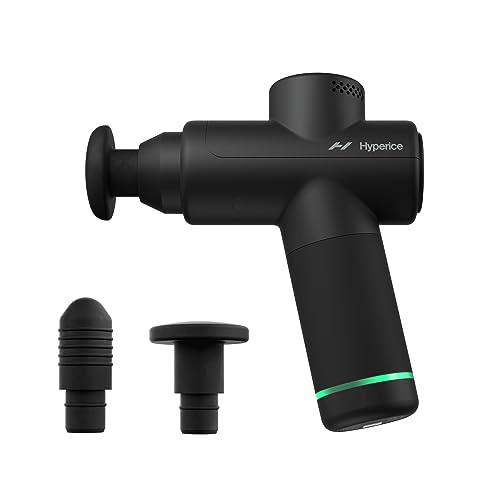
Affordable Massage Guns That Deliver Real Recovery
