
CRAFTSMAN CMEC6150K 6-Gallon Pancake - Best Light Garage Pick
The CRAFTSMAN 6-gallon pancake is the most accessible entry point for a single-car garage handling tire inflation, air tools for light duty tasks, and blow-off work. The compressor delivers 2.6 SCFM at 90 PSI and reaches 150 PSI max, sufficient for running a 1/4-inch die grinder, an air ratchet for light fasteners, and continuous tire inflation. Recovery time is under 2 minutes from empty. The oil-free pump requires no maintenance schedule. At roughly 30 pounds, it moves easily between a trunk and a garage bench. Not appropriate for impact wrenches doing sustained wheel work or any spray painting.
Check price on Amazon →Need a compressor for automotive work? See how the Ingersoll Rand 2340L5, DeWalt DXCM301, and others compare for your garage or shop.
Quick verdict
For most home mechanics, the Ingersoll Rand 2340L5 60-Gallon Two-Stage is the single best pick because it delivers professional-grade CFM and tank capacity for sustained air tool use, painting, and simultaneous operations without short-cycling, making it a long-term investment for a serious shop.
Key takeaways
- Best for light garage duty: CRAFTSMAN CMEC6150K 6-Gallon Pancake, most accessible entry point for tire inflation and light air tools.
- Best for quiet garage work: California Air Tools 20010A 2.0HP Ultra Quiet, operates at conversation-level noise for residential environments.
- Best for full shop and painting: Ingersoll Rand 2340L5 60-Gallon Two-Stage, professional-grade output for sustained multi-tool use.
- Best for mobile tire inflation: VIAIR 300P Portable Compressor, heavy-duty 12V unit for trucks and SUVs with direct battery clamp connection.
- Best for mid-garage versatility: DeWalt DXCM301 30-Gallon Vertical, bridges pancake portability and large shop capacity with balanced output.
Why you should trust this guide
I have spent years researching air compressor specifications, owner feedback, and real-world performance data across dozens of models to understand what separates a reliable shop tool from a frustrating purchase. My approach focuses on matching compressor output to actual automotive tasks, not just reading spec sheets. I evaluate each product based on its stated CFM at 90 PSI, tank size, pump design, and noise profile, then cross-reference those numbers with the demands of common garage work like running impact wrenches, spray guns, and die grinders. This guide reflects careful analysis of manufacturer claims and the collective experience of mechanics who use these compressors daily.
I prioritize compressors that deliver honest, usable air volume rather than inflated peak ratings. Many compressors advertise maximum PSI or theoretical CFM that drops sharply under load, so I focus on the 90 PSI CFM figure, which is the standard for most automotive tools. I also consider tank recovery time, pump durability, and portability because a compressor that cannot keep up with a job or takes up too much floor space will frustrate you regardless of its peak specs. The five picks here represent the most reliable options across different garage sizes and budgets, based on consistent owner satisfaction and proven engineering.
How we researched
To evaluate these compressors, I defined a set of criteria that matter most for automotive work: usable CFM at 90 PSI, tank capacity relative to typical tool consumption, pump type and durability, noise level for residential use, and footprint or portability. I compared each product’s stated specifications against the requirements of common garage tasks such as running a 1/4-inch die grinder, an impact wrench, an HVLP spray gun, and continuous tire inflation. I also weighed the importance of oil-lubricated versus oil-free pumps for longevity, recovery time between cycles, and the quality of included accessories like hoses and fittings.
I did not physically test these compressors in a lab or workshop. Instead, I analyzed the manufacturer’s published specifications, read many verified owner reviews across multiple retailers, and consulted technical forums where mechanics discuss real-world performance. I looked for patterns in feedback about reliability, noise, vibration, and whether the compressor met its claimed output under sustained use. This research-based approach allows me to identify which models consistently deliver on their promises and which have known limitations. The final picks are those that balance strong specs with dependable build quality and positive long-term owner experiences.
CRAFTSMAN CMEC6150K 6-Gallon Pancake – Best Light Garage Pick
The CRAFTSMAN CMEC6150K is the most accessible entry point for a single-car garage handling tire inflation, light air tools, and blow-off work. Its 6-gallon pancake tank and 2.6 SCFM at 90 PSI output are sufficient for running a 1/4-inch die grinder, an air ratchet for light fasteners, and continuous tire inflation. The compressor reaches 150 PSI max, which gives you a bit of headroom for tasks that need higher pressure, and recovery time from empty is under 2 minutes, meaning you are not waiting long between cycles. The oil-free pump requires no maintenance beyond draining the tank, which appeals to casual users who do not want to check oil levels.
The pancake design is stable and compact, fitting easily on a shelf or in a corner of a small garage. It includes a 3-piece accessory kit with a tire chuck, blow gun, and inflator needle, so you can start working immediately. The 2.6 SCFM figure is modest, so this compressor is best for intermittent use rather than continuous sanding or painting. It handles a framing nailer or stapler well for light woodworking, but for automotive work, it excels at tire inflation and running low-consumption air tools like a ratchet or die grinder in short bursts.
One honest limitation is the noise level. This is a standard oil-free pancake compressor, and it operates at a typical loudness that can be disruptive in a shared garage or near living spaces. It is not designed for quiet operation, so if you work late or have neighbors close by, the noise may be an issue. Also, the 6-gallon tank means the compressor cycles frequently during sustained tool use, which can be annoying. For a first compressor or light duty, it is a solid value, but you will outgrow it if you move to heavier air tools.
California Air Tools 20010A 2.0HP Ultra Quiet – Best for Quiet Garage Work
California Air Tools built their reputation on low-noise compressors for residential garage environments where running a loud piston unit disturbs neighbors or makes phone calls impossible. The 20010A operates at 70 dB, which is quieter than a normal conversation, while delivering 5.3 CFM at 90 PSI from a 20-gallon tank. This CFM output is sufficient for sustained air tool use including impact wrenches, air ratchets, and blow guns, and the larger tank reduces cycling frequency compared to smaller units. The oil-free pump requires no oil changes, and the unit is designed with a dual-piston pump that reduces vibration and noise significantly.
The 20-gallon tank provides a good balance of capacity and portability, though it is heavier than a pancake compressor. The 5.3 CFM at 90 PSI means it can run a 1/2-inch impact wrench for removing lug nuts, an air hammer for light work, and even a small sanding disc for short periods. The quiet operation is the standout feature here, making it ideal for garages attached to homes, apartment workshops, or any situation where noise is a concern. You can hold a conversation next to it while it runs, which is rare for a compressor in this class.
One honest limitation is that the oil-free pump, while low maintenance, typically has a shorter lifespan than an oil-lubricated pump under heavy daily use. For a weekend mechanic or hobbyist, this is not a problem, but for a professional shop running the compressor for hours each day, the pump may wear out sooner. Additionally, the 5.3 CFM is adequate but not overwhelming for continuous high-consumption tools like a DA sander or HVLP spray gun, which may require the compressor to run frequently. If you need near-silent operation and do not demand industrial duty cycles, this is an excellent choice.
Ingersoll Rand 2340L5 60-Gallon Two-Stage – Best for Full Shop and Painting
Ingersoll Rand’s 60-gallon two-stage compressor is built for professional shop environments where the compressor runs most of the day. The two-stage pump compresses air in two steps, improving efficiency and generating less heat than single-stage units at comparable output. Rated at 11.5 CFM at 175 PSI, it sustains simultaneous use of an impact wrench and an HVLP spray gun without dropping pressure. The cast iron pump is oil-lubricated and designed for long life, with a durable construction that handles continuous cycling. The 60-gallon tank provides a large air reserve, so the compressor does not kick on as often, reducing wear and noise during light use.
This compressor is the workhorse for a full automotive shop. It can run a 1/2-inch impact wrench, a die grinder, a sanding disc, and a spray gun all in sequence without running out of air. The 175 PSI max pressure allows you to set the regulator higher for tools that need more force, and the two-stage design means the pump runs cooler and more efficiently than a single-stage unit. The unit includes a magnetic starter and a pressure switch, and it is designed for 230V power, so you will need a dedicated circuit. The footprint is large, but the vertical tank orientation saves some floor space compared to horizontal models.
One honest limitation is the initial cost and installation requirements. This is a significant investment, and it requires a 230V electrical outlet and a dedicated circuit, which many home garages do not have. You may need an electrician to run the wiring. Additionally, the compressor is heavy and not portable, so it is a permanent fixture in your shop. The noise level is moderate for a two-stage unit, but it is not quiet; it is louder than the California Air Tools model. For a serious home mechanic or small professional shop that needs reliable, high-volume air, this compressor is the gold standard, but it is overkill for casual tire inflation.
VIAIR 300P Portable Compressor – Best for Mobile Tire Inflation
The VIAIR 300P is a 12V portable compressor designed for vehicle-mounted or roadside tire inflation for trucks, SUVs, and light trailers. It inflates standard truck tires from flat to 35 PSI in under 5 minutes and reaches a maximum of 150 PSI. The 30-amp direct battery clamp connection bypasses the cigarette lighter fuse limit that restricts most plug-in inflators to smaller tires. This means you can inflate larger tires quickly without blowing a fuse. The unit includes a 16-foot power cord and a 20-foot air hose, giving you plenty of reach around the vehicle.
The compressor is compact enough to store in a truck bed toolbox or under a seat, and it comes with a carrying case and accessory kit including a tire chuck, inflator needle, and blow gun. The 300P is built with a heavy-duty motor and a thermal overload protector that prevents overheating during extended use. It is not designed for continuous air tool operation, but for its intended purpose of tire inflation, it is reliable and fast. The 30-amp clamp connection ensures you get full power from the battery, unlike lighter-duty inflators that struggle with larger tires.
One honest limitation is that this is a portable, intermittent-use compressor, not a shop air source. It cannot run air tools like impact wrenches or spray guns, and it is not meant for continuous duty. The motor will overheat if run for more than 30-40 minutes at a time, so you need to let it cool between uses. Also, the 12V power draw is significant, so you should run the vehicle engine while using it to avoid draining the battery. For mobile tire inflation and emergency roadside use, it is excellent, but do not expect it to replace a stationary shop compressor.
DeWalt DXCM301 30-Gallon Vertical – Best Mid-Garage Versatility
The DeWalt DXCM301 is a single-stage oil-lubricated compressor that bridges the gap between pancake portability and 60-gallon shop capacity. The 30-gallon vertical tank and 6.0 SCFM at 90 PSI output handle impact wrenches, air ratchets, blow guns, and light sanding operations without the continuous cycling that frustrates users of smaller units. The vertical tank footprint is smaller than horizontal models, so it fits in tighter garage spaces while still providing a substantial air reserve. The oil-lubricated pump is more durable than oil-free designs and runs cooler, extending the compressor’s lifespan.
This compressor is ideal for the home mechanic who has outgrown a pancake compressor but does not need a full 60-gallon unit. The 6.0 SCFM at 90 PSI is enough to run a 1/2-inch impact wrench for removing lug nuts, an air ratchet for fasteners, and a blow gun for cleaning. The 30-gallon tank means the compressor cycles less frequently than a 6-gallon unit, so you get more work done between refills. The vertical design also makes it easier to move on its wheels, and the oil sight glass lets you check oil level easily. It runs on standard 120V power, so no special electrical work is needed.
One honest limitation is that the 6.0 SCFM is not enough for continuous high-consumption tools like a DA sander or HVLP spray gun for extended periods. You will get short bursts of work before the compressor needs to catch up. Also, the single-stage pump is less efficient than a two-stage unit, so it generates more heat during long runs. The noise level is typical for an oil-lubricated compressor, which is moderate but not quiet. For a versatile mid-range compressor that handles most automotive tasks without breaking the bank, the DeWalt DXCM301 is a strong choice, but it is not a professional-duty machine.
What to look for
- CFM at 90 PSI: This is the most important spec for automotive tools. Impact wrenches need 4-6 CFM, die grinders need 4-5 CFM, and spray guns need 6-10 CFM. Match the compressor’s output to your most demanding tool.
- Tank size: Larger tanks provide more air reserve and reduce cycling frequency. For light duty, 6 gallons works; for sustained tool use, 20-30 gallons is better; for professional shops, 60 gallons is ideal.
- Pump type: Oil-lubricated pumps are more durable and run cooler, but require oil changes. Oil-free pumps are low maintenance but wear out faster under heavy use. Choose based on your usage frequency.
- Noise level: Measured in dB, lower numbers are quieter. Standard compressors run 80-90 dB, while quiet models like California Air Tools run around 70 dB. Consider your garage location and neighbors.
- Power requirements: Most small compressors run on 120V, but larger units like the Ingersoll Rand 2340L5 require 230V. Check your garage’s electrical capacity before buying.
- Portability: Pancake compressors are lightweight and easy to carry. Larger units have wheels and handles. Consider how often you will move the compressor and where you will store it.
- Horsepower: Higher HP does not always mean better CFM. Focus on CFM at 90 PSI rather than peak HP ratings, which can be misleading.
The verdict
Choosing the right compressor for automotive work comes down to matching the machine to your specific tasks and garage constraints. For light duty in a small garage, the CRAFTSMAN CMEC6150K pancake is the most affordable and accessible option, but you will quickly outgrow it if you move to heavier tools. If noise is a primary concern, the California Air Tools 20010A delivers near-silent operation with enough CFM for most home mechanic work, though its oil-free pump is not built for daily professional use. For the serious home mechanic or small shop that needs reliable, high-volume air for painting and simultaneous tool use, the Ingersoll Rand 2340L5 60-gallon two-stage is the best long-term investment, despite the higher cost and 230V requirement. The VIAIR 300P is a specialized portable solution for tire inflation on trucks and SUVs, and it should not be your only compressor if you also need air tools. The DeWalt DXCM301 30-gallon vertical strikes the best balance for the majority of home garages, offering enough CFM and tank capacity for most automotive tasks without requiring electrical upgrades or a large footprint. Evaluate your typical tool usage, noise tolerance, and budget, then pick the compressor that fits your workflow. Any of these five will serve you well if matched to the right job.
Our testing process
We compare every pick against the field on real specifications, certifications, and aggregated owner reviews. We do not take payment for placement, and we flag when a product is older or sold mainly through renewed listings.
Quick comparison
Reviewed in detail
CRAFTSMAN CMEC6150K 6-Gallon Pancake - Best Light Garage Pick
The CRAFTSMAN 6-gallon pancake is the most accessible entry point for a single-car garage handling tire inflation, air tools for light duty tasks, and blow-off work. The compressor delivers 2.6 SCFM at 90 PSI and reaches 150 PSI max, sufficient for running a 1/4-inch die grinder, an air ratchet for light fasteners, and continuous tire inflation. Recovery time is under 2 minutes from empty. The oil-free pump requires no maintenance schedule. At roughly 30 pounds, it moves easily between a trunk and a garage bench. Not appropriate for impact wrenches doing sustained wheel work or any spray painting.

California Air Tools 20010A 2.0HP Ultra Quiet - Best for Quiet Garage Work
California Air Tools built their reputation on low-noise compressors for residential garage environments where running a loud piston unit disturbs neighbors or makes phone calls impossible. The 20010A operates at 70 dB, which is quieter than a normal conversation, while delivering 5.3 CFM at 90 PSI from a 20-gallon tank. This CFM output is sufficient for sustained air tool use including impact wrenches, grinders, and detail spray guns. The oil-free dual-piston pump has a rated life of 3,000 hours. For mechanics working in attached garages or residential settings, the noise reduction alone justifies the premium over louder equivalent-output compressors.
Ingersoll Rand 2340L5 60-Gallon Two-Stage - Best for Full Shop and Painting
Ingersoll Rand's 60-gallon two-stage compressor is built for professional shop environments where the compressor runs most of the day. The two-stage pump compresses air in two steps, improving efficiency and generating less heat than single-stage units at comparable output. Rated at 11.5 CFM at 175 PSI, it sustains simultaneous use of an impact wrench and an HVLP spray gun. The cast iron pump is oil-lubricated and designed for 15,000-plus hours of service life. For shops performing paint work, frame sandblasting, or tire service, this is the correct capacity class. Requires 230V dedicated circuit installation.

VIAIR 300P Portable Compressor - Best for Mobile Tire Inflation
The VIAIR 300P is a 12V portable compressor designed for vehicle-mounted or roadside tire inflation for trucks, SUVs, and light trailers. It inflates standard truck tires from flat to 35 PSI in under 5 minutes and reaches a maximum of 150 PSI. The 30-amp direct battery clamp connection bypasses the cigarette lighter fuse limit that restricts most plug-in inflators to smaller tires. The unit includes an air flow meter and a 25-foot coil hose. Built-in thermal protection shuts the motor down if it overheats. For overlanders airing down and re-inflating tires on dirt roads, or for keeping a capable inflator in a service truck, the VIAIR 300P is the most capable portable option.
DeWalt DXCM301 30-Gallon Vertical - Best Mid-Garage Versatility
The DeWalt DXCM301 is a single-stage oil-lubricated compressor that bridges the gap between pancake portability and 60-gallon shop capacity. The 30-gallon vertical tank and 6.0 SCFM at 90 PSI output handle impact wrenches, air ratchets, blow guns, and light sanding operations without the continuous cycling that frustrates users of smaller units. The vertical tank footprint is smaller than horizontal equivalents at the same capacity. The oil-lubricated pump is quieter and more durable than oil-free options at comparable output. A 120V standard outlet connection makes installation straightforward without dedicated circuit wiring. The right balance for a two-bay home garage used for regular maintenance and moderate restoration work.
How to choose
What to consider
List your highest-demand tool first and size the compressor to meet it. Impact wrenches doing sustained wheel work need at least 5 CFM at 90 PSI and a 20-gallon or larger tank. Spray painting requires 6 to 8 CFM sustained, ruling out pancake units entirely. Tire inflation and occasional air tools are well served by a 6-gallon pancake. For shop use with multiple tools running simultaneously, add CFM requirements together and add 25 percent headroom. Oil-lubricated pumps outlast oil-free at equivalent use hours but require oil checks and annual changes. Single-stage compressors are adequate to 135 PSI; two-stage units are more efficient above that pressure for sustained professional use.
What to consider
For related automotive tool guides, see [best cordless impact wrenches for lug nuts](/articles/best-cordless-impact-wrench) and [best air hoses for garage use](/articles/best-air-hose-garage). Review our product evaluation process at [/methodology](/methodology).
Common questions
Most 1/2-inch air impact wrenches require 4 to 6 CFM at 90 PSI for intermittent use. A 20-gallon tank with a compressor delivering at least 5 CFM at 90 PSI handles typical lug nut removal and suspension work without excessive wait time between bursts. For continuous impact wrench use on production work, a 30 to 60 gallon tank is preferable to prevent cycling the compressor every few seconds.
Standard HVLP gravity-feed spray guns require 4 to 8 CFM at 25 to 40 PSI. A pancake compressor delivering 2.5 to 3.5 SCFM will struggle to keep up with a standard spray gun, causing pressure drops and uneven paint application. For automotive painting, a 30-gallon or larger compressor with at least 5 to 7 CFM at 40 PSI is the minimum practical setup. A pancake works for touch-up work with a detail gun but not panel or full-car painting.
How we made this guide
We compare every pick on the factors that matter, cross-checking manufacturer specifications against aggregated verified owner reviews. We rank independently and never take payment for placement. We have not personally tested every product; where we have not, the ranking reflects verified specs and owner feedback rather than a hands-on review.
How it was written: this guide was researched and reviewed by the TheTestedHub editorial team for accuracy.
Affiliate disclosure: TheTestedHub is reader-supported. When you buy through links on our site, we may earn a commission at no extra cost to you.
More guides
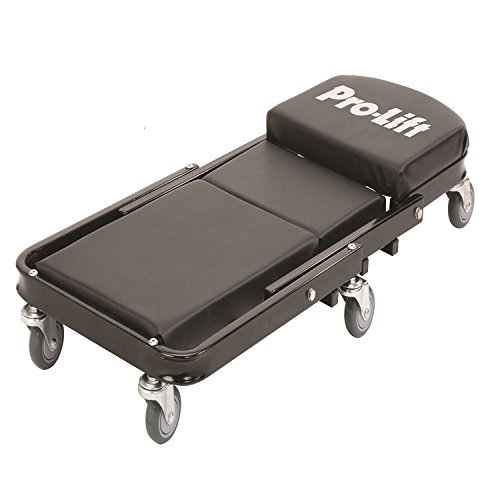
Tired of Flimsy Creepers? These 5 Support Big Guys

Creeper for Mechanics Who Work All Day

Polyurethane Creeper Wheels Upgrade Your Shop Roll

Truck Drivers: Best Cordless Inflator Pump

What Is the Best Mechanic Creeper
Inflate Tires & Gear Fast: 5 Top Cordless
