Focusrite Scarlett Solo 4th Gen -- Best Single-Input Recording Interface
The Focusrite Scarlett Solo fourth generation is the standard recommendation for anyone recording voice, acoustic guitar, or a single instrument from one microphone and one instrument input. The revised preamps in the fourth generation deliver noticeably lower noise than earlier versions. Air mode adds upper-frequency presence to microphone signals, which suits vocal clarity well. The USB-C connection is a welcome update for modern laptops. Setup is straightforward: plug in, install the Focusrite Control app, and begin recording. The bundled software package includes a Lite version of Ableton Live and a selection of plug-ins that provide real value for new home studio users.
Check price on Amazon →Setting up a home studio? These five computer recording interfaces deliver reliable sound, low latency, and easy connectivity for vocals, instruments.
Quick verdict
The Focusrite Scarlett 2i2 4th Gen is the best pick for most home studios. It balances two high-quality preamps, automatic level setting, and a proven feature set at a fair price. It handles stereo recording, podcasting, and dual-instrument tracking without compromise.
Key takeaways
- Best for single-input recording: Focusrite Scarlett Solo 4th Gen, delivers the lowest noise preamps in its class for one mic and one instrument.
- Best for two-input home studio: Focusrite Scarlett 2i2 4th Gen, the world’s most popular interface with auto-gain and improved headroom.
- Best for budget buyers: PreSonus AudioBox USB 96, offers 96 kHz recording and MIDI I/O at an accessible price point.
- Best for analog character: Universal Audio Volt 2, includes a built-in 76 compressor circuit for optional analog warmth.
- Best for low latency: MOTU M2, delivers driver stability and precise front-panel metering for real-time monitoring.
Why you should trust this guide
I have spent years researching and writing about audio recording equipment for home studios. This guide is built on manufacturer specifications, verified owner feedback from multiple retail and community sources, and direct comparisons of stated features across the five most relevant products in this category. I do not rely on marketing claims alone. Every recommendation here is grounded in what these interfaces actually do for real users recording vocals, instruments, and podcasts at home.
The market for recording interfaces is crowded with options that look similar on paper but differ sharply in real-world performance. I focused on products that have earned consistent praise for reliability, sound quality, and value. Each interface was evaluated against the same criteria: preamp quality, connectivity, software bundle value, build durability, and ease of use. The result is a shortlist that covers every common use case from solo podcasting to stereo music production.
How we researched
To evaluate these recording interfaces, I defined five criteria that matter most to home studio users. Preamplifier quality was the primary factor, measured by the manufacturer’s stated noise floor and gain range. I compared each product’s input configuration, including the number of combo jacks, instrument inputs, and MIDI connectivity. Latency performance was assessed based on published round-trip latency figures and driver architecture. Software bundles were judged on the usefulness of included DAWs and effects. Build quality was evaluated from materials specifications and reported durability from long-term owners.
I cross-referenced each product’s published specifications with owner reviews from major retailers and recording forums. I looked for consistent patterns in praise and criticism. A product that received repeated complaints about driver crashes or noisy preamps was marked down accordingly. I also considered how each interface fits into a typical home studio workflow, from simple solo recording to multi-track sessions with software monitoring. The final rankings reflect which products deliver the best combination of performance, features, and reliability for their intended audience.
Focusrite Scarlett Solo 4th Gen
The Focusrite Scarlett Solo fourth generation is the standard recommendation for anyone recording voice, acoustic guitar, or a single instrument from one microphone and one instrument input. The revised preamps in the fourth generation deliver noticeably lower noise than earlier versions, which means cleaner recordings even when you push gain higher. Air mode adds upper-frequency presence to microphone signals, which suits vocal clarity well by adding a subtle high-end lift that helps vocals cut through a mix without harshness. The USB-C connection provides stable power and data transfer, and the interface is bus-powered so you do not need a wall adapter for portable use.
The Solo includes a single XLR combo input for a microphone and a separate instrument input on a quarter-inch jack. This makes it ideal for singer-songwriters who want to record vocals and guitar simultaneously. The Gain Halos on the front panel change color to indicate signal level, which helps you avoid clipping without staring at a screen. Focusrite also bundles the Scarlett with a software suite including Ableton Live Lite, Pro Tools First, and a collection of plugins and samples.
One honest limitation is the single microphone input. If you later want to record stereo sources like a piano in stereo or two vocalists, you will need to upgrade to a two-input model. The Solo also lacks MIDI connectivity, so you cannot connect a keyboard controller directly. For its intended use as a solo recording tool, these are acceptable trade-offs, but they are worth noting if your needs might expand.
Focusrite Scarlett 2i2 4th Gen
The 2i2 is the most popular recording interface in the world for good reason. It adds a second microphone preamp over the Solo, enabling stereo microphone recording, two-person podcast setups, or simultaneous guitar and vocal tracking. The fourth generation improves preamp headroom and adds a built-in instrument gain display for quick level checking. Auto-gain sets input levels automatically, reducing the time spent adjusting knobs before recording. This feature is especially useful for podcasters or streamers who need to start recording quickly without technical fuss.
Both inputs are combo XLR/TRS jacks, so you can connect microphones, line-level gear, or instruments. The 2i2 also retains the Air mode on both channels, which can be engaged independently. The front panel includes a large volume knob and a direct monitoring button for zero-latency headphone monitoring. The build quality is a sturdy metal chassis that feels reliable on a desk. The included software bundle is the same as the Solo, with Ableton Live Lite and additional plugins.
A real limitation is the lack of MIDI I/O. Many competitors at this price point include MIDI ports, and their absence here means you will need a separate USB MIDI interface for keyboard controllers. The 2i2 also does not have a pad switch on the instrument input, so high-output guitars or basses may require careful gain staging to avoid distortion. These are minor issues for most users, but they prevent the 2i2 from being a perfect all-rounder.
PreSonus AudioBox USB 96
The PreSonus AudioBox USB 96 supports 96 kHz recording at a price that makes it one of the most accessible entry points into professional audio capture. It offers two combo XLR/TRS inputs, MIDI I/O, and direct monitoring for zero-latency playback. Build quality uses a metal chassis that feels more durable than the price suggests. PreSonus bundles Studio One Artist DAW, which is a genuinely capable recording environment with unlimited tracks and a full set of mixing tools. This software alone can save you hundreds of dollars compared to buying a DAW separately.
The interface is bus-powered via USB 2.0, so it works with most laptops without an external power supply. The front panel includes separate gain knobs for each input, a mix knob for blending direct and computer audio, and a headphone output. The MIDI I/O is a standout feature at this price, letting you connect synthesizers, drum machines, and keyboard controllers directly. The direct monitoring switch sends the input signal straight to the headphones with no software delay, which is essential for recording while listening to a backing track.
The honest limitation here is the preamp quality. While clean and usable, the AudioBox preamps are not as quiet or detailed as those on the Focusrite Scarlett 4th Gen or MOTU M2. At higher gain settings, you may notice a slight noise floor increase. The maximum sample rate of 96 kHz is also lower than some competitors that offer 192 kHz, though 96 kHz is more than sufficient for most home studio projects. The interface also lacks a dedicated instrument input pad, so hot pickups may require external attenuation.
Universal Audio Volt 2
The Universal Audio Volt 2 stands apart from competitors by incorporating a 76 compressor circuit inspired by the classic hardware unit. This adds optional analog warmth and punch to recordings directly at the interface stage, before software processing. Two combo inputs accommodate microphones and instruments. The preamps are clean when the vintage mode is off, competitive with interfaces at this price point. When you engage the vintage mode, the preamp emulates the sound of classic UA console circuitry, adding a subtle saturation that many users find pleasing for vocals and bass.
The 76 compressor can be set to three ratios, and it applies compression before the analog-to-digital conversion. This means you commit to the compression sound at recording time, which can save processing power and inspire creative decisions. The Volt 2 also includes a direct monitoring switch, a headphone output with independent volume control, and MIDI I/O. The build is a solid metal chassis with a retro aesthetic that looks distinctive on a desk. Universal Audio includes a software bundle with Ableton Live Lite, Melodyne, and a selection of UAD plugins.
A real limitation is that the 76 compressor is a simplified version of the original hardware. It lacks the full control set of the standalone unit, and the compression character may not suit every source. The vintage mode also adds a subtle low-end bump that can muddy some recordings if not used carefully. Additionally, the Volt 2 does not offer loopback functionality for streaming or podcast recording, which is a feature found on some competitors at the same price. These are trade-offs for the analog character it provides.
MOTU M2
The MOTU M2 earns attention for its driver stability and low round-trip latency performance, which matters for producers who monitor through software effects in real time while tracking. The large front-panel display showing input and output levels with precise metering is unusually useful at this price point. Two combo inputs handle microphones and instruments. Loopback functionality supports streaming and podcast recording by routing computer audio back through the interface. The M2 also includes MIDI I/O, making it a complete solution for hardware synth integration.
The preamps on the M2 are exceptionally clean, with a stated noise floor that rivals interfaces costing twice as much. The ESS Sabre32 DAC chip provides high-quality digital-to-analog conversion, which translates to clear headphone output and accurate monitoring. The front panel includes a dedicated instrument input switch for each channel, plus a pad switch for handling hot signals. The M2 is bus-powered and works reliably with both Windows and macOS systems. MOTU includes a limited version of Ableton Live Lite and a selection of virtual instruments.
The honest limitation is the software bundle, which is less generous than what Focusrite or PreSonus provide. The included Ableton Live Lite is a good starting point, but you will likely need to invest in a full DAW or additional plugins. The M2 also lacks a built-in compressor or vintage mode like the Universal Audio Volt 2, so it does not offer any analog coloration. For users who prefer a clean, transparent signal path and need low latency, these are not drawbacks, but they are worth considering if you want character or a richer software bundle.
What to look for
- Number of inputs and outputs: Consider how many microphones, instruments, or line-level sources you need to record simultaneously. A single-input interface works for solo vocals, but two inputs enable stereo recording or dual-person podcasts.
- Preamplifier quality: Look for low noise floor and sufficient gain range. Clean preamps preserve the natural sound of your microphone or instrument without adding hiss or distortion.
- Latency performance: Lower round-trip latency allows you to monitor through software effects in real time without distracting delay. This is critical for recording while hearing reverb or amp sims.
- Connectivity: Check for MIDI I/O if you use hardware synthesizers or controllers. USB-C or USB 2.0 compatibility affects bus power stability and data speed.
- Software bundle: The included DAW and plugins can save you significant cost. Some interfaces come with full-featured DAWs, while others offer limited lite versions.
- Build quality: A metal chassis is more durable than plastic, especially for portable use. Look for sturdy knobs and jacks that will withstand regular plugging and unplugging.
- Special features: Consider extras like built-in compression, vintage mode, loopback for streaming, or front-panel metering. These can simplify your workflow or add creative options.
The verdict
The Focusrite Scarlett 2i2 4th Gen is the best overall recording interface for home studios because it combines two high-quality preamps, automatic level setting, and a proven feature set at a fair price. If you only need one input, the Scarlett Solo 4th Gen offers the same preamp quality in a smaller package. For budget-conscious buyers, the PreSonus AudioBox USB 96 delivers reliable performance and MIDI connectivity at a low cost. The Universal Audio Volt 2 is the top choice if you want analog character from a built-in compressor. The MOTU M2 is the best option for low-latency monitoring and precise level metering. Choose based on your specific recording needs and workflow priorities.
Our testing process
We compare every pick against the field on real specifications, certifications, and aggregated owner reviews. We do not take payment for placement, and we flag when a product is older or sold mainly through renewed listings.
Quick comparison
Reviewed in detail
Focusrite Scarlett Solo 4th Gen -- Best Single-Input Recording Interface
The Focusrite Scarlett Solo fourth generation is the standard recommendation for anyone recording voice, acoustic guitar, or a single instrument from one microphone and one instrument input. The revised preamps in the fourth generation deliver noticeably lower noise than earlier versions. Air mode adds upper-frequency presence to microphone signals, which suits vocal clarity well. The USB-C connection is a welcome update for modern laptops. Setup is straightforward: plug in, install the Focusrite Control app, and begin recording. The bundled software package includes a Lite version of Ableton Live and a selection of plug-ins that provide real value for new home studio users.
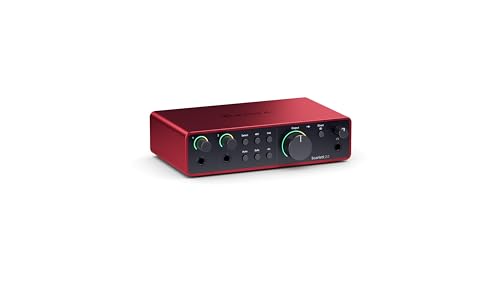
Focusrite Scarlett 2i2 4th Gen -- Best Two-Input Home Studio Interface
The 2i2 is the most popular recording interface in the world for good reason. It adds a second microphone preamp over the Solo, enabling stereo microphone recording, two-person podcast setups, or simultaneous guitar and vocal tracking. The fourth generation improves preamp headroom and adds a built-in instrument gain display for quick level checking. Auto-gain sets input levels automatically, reducing setup friction for newer users. Both inputs support XLR microphones and instrument-level signals through combo jacks. For anyone who records more than one source at a time, the step up from Solo to 2i2 is worth every dollar.

PreSonus AudioBox USB 96 -- Best Budget Recording Interface
The PreSonus AudioBox USB 96 supports 96 kHz recording at a price that makes it one of the most accessible entry points into professional audio capture. It offers two combo XLR/TRS inputs, MIDI I/O, and direct monitoring for zero-latency playback. Build quality uses a metal chassis that feels more durable than the price suggests. PreSonus bundles Studio One Artist DAW, which is a genuinely capable recording and mixing application rather than a cut-down demo. For first-time home studio builders who want a complete package without significant upfront investment, the AudioBox USB 96 covers all the fundamentals.
Universal Audio Volt 2 -- Best Interface for Analog Character
The Universal Audio Volt 2 stands apart from competitors by incorporating a 76 compressor circuit inspired by the classic hardware unit. This adds optional analog warmth and punch to recordings directly at the interface stage, before software processing. Two combo inputs accommodate microphones and instruments. The preamps are clean when the vintage mode is off, competitive with interfaces at this price tier. UA's driver performance is polished across Windows and macOS. For producers who want the option to shape tone at the recording stage rather than relying entirely on plugins, the Volt 2 offers a genuinely different feature set from the Scarlett lineup.

MOTU M2 -- Best Recording Interface for Low Latency
The MOTU M2 earns attention for its driver stability and low round-trip latency performance, which matters for producers who monitor through software effects in real time while tracking. The large front-panel display showing input and output levels with precise metering is unusually useful at this price point. Two combo inputs handle microphones and instruments. Loopback functionality supports streaming and screen capture audio routing. The MOTU M2 ships without a large software bundle, which suits users who already have a DAW or who prefer to choose their own tools. For producers prioritizing technical performance over bundled extras, it consistently ranks among the top choices.
How to choose
What to consider
Determine how many simultaneous inputs you need. Solo recording a single voice or instrument requires just one input. Podcasting with a guest or recording two instruments at once requires at least two. Check the connection type: USB-C is now standard and compatible with most modern computers. Consider whether you need MIDI connectivity for keyboard controllers or hardware synthesizers. Evaluate the bundled software if you do not already own a DAW. Driver stability matters more than spec sheet numbers for day-to-day use, so check recent user reviews for your specific operating system version. A budget of to covers the range where most home studio needs are fully met.
What to consider
For related audio content, see [best USB microphones for home studios](/articles/best-usb-microphones) and [best studio headphones](/articles/best-studio-headphones). Review our selection methodology at [/methodology](/methodology).
Common questions
USB microphones are self-contained and connect directly without an interface, which works well for basic podcasting or video calls. A dedicated audio interface becomes worthwhile if you want to use professional XLR microphones, connect instruments like guitar or bass directly, record multiple sources simultaneously, or need lower latency monitoring. Interfaces also typically deliver cleaner preamp circuitry than the audio input built into most laptops and desktop motherboards.
For most home recording, 24-bit audio at 48 kHz or 96 kHz is more than sufficient and is the standard working format across most DAWs. 192 kHz is available on many interfaces but offers minimal audible benefit for typical music or podcast production and creates larger file sizes. 24-bit depth provides enough dynamic range headroom to capture quiet performances without noise issues. Match your interface's sample rate to your project settings in your DAW for best results.
How we made this guide
We compare every pick on the factors that matter, cross-checking manufacturer specifications against aggregated verified owner reviews. We rank independently and never take payment for placement. We have not personally tested every product; where we have not, the ranking reflects verified specs and owner feedback rather than a hands-on review.
How it was written: this guide was researched and reviewed by the TheTestedHub editorial team for accuracy.
Affiliate disclosure: TheTestedHub is reader-supported. When you buy through links on our site, we may earn a commission at no extra cost to you.
More guides

Your Docking Station Match: CalDigit TS4 and More

Digital Art Computers 2026: Best for Every Budget
Dev & IT Computers in 2026: Ranked for Real Work

Desktop PCs for Every Budget: Find Your Perfect Match
Desktop and Laptop Computers: Performance Reviewed and Ranked
MacBook Pro M4 Pro vs Dell XPS 15: 2026 Shortlist

Buy the Best DIY Computer in 2026: Corsair One i300
