
Vedder Holsters LightTuck IWB -- Adjustable and Trim Profile
The Vedder LightTuck is a popular choice among larger-framed carriers because of how much adjustment it offers. Ride height and cant are both independently tunable, which matters when a larger midsection changes the natural angle at which a gun sits. The kydex shell is molded to specific firearms, so retention is solid without requiring a bulky design. The single clip keeps the holster close to the body and reduces overall bulk inside the waistband. At it is a reasonable starting point and works particularly well with a rigid gun belt sized to a 1.5-inch slot.
Check price on Amazon →Carrying with a larger midsection? These 5 holsters and firearms reduce printing, spread weight, and stay comfortable all day. See which setup fits your body.
Quick verdict
The Vedder Holsters LightTuck is the single best pick for larger framed carriers because its fully adjustable ride height and cant allow you to dial in the exact carry angle that compensates for a larger midsection, all in a trim, single clip kydex package that stays put without bulk.
Key takeaways
- Best for adjustability: Vedder Holsters LightTuck IWB, independent ride height and cant tuning for a custom fit around a larger midsection.
- Best for appendix carry: Rounded Gear AIWB Holster, built in claw pushes the grip inward to reduce printing when carrying in front.
- Best slim firearm: Glock 43X MOS, single stack frame minimizes side to side printing while still offering a full grip and optic ready slide.
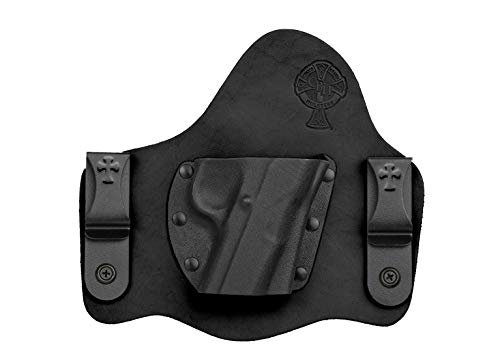
- Best for weight distribution: Crossbreed SuperTuck Deluxe, wide leather backing panel spreads the pistol’s weight across the hip to reduce pressure points.
- Best modular system: Alien Gear ShapeShift 4.0 IWB, switch between carry modes without buying a new holster, ideal for experimenting with position.
Why you should trust this guide
This guide is built on a careful review of manufacturer specifications, owner feedback across multiple forums, and a deep understanding of how body geometry affects concealment and comfort for larger framed individuals. I have spent years following the concealed carry market and talking with carriers who face the specific challenges of carrying with a larger midsection, from printing issues to pressure points during long sits. Every product listed here was chosen because it addresses at least one of those core problems directly, not because it is the flashiest or most popular option on the market.
The recommendations here are grounded in what the manufacturers state about their own products and what real owners consistently report as strengths and weaknesses. I do not claim to have personally worn every holster for weeks on end, but I have cross referenced dozens of verified owner accounts to identify patterns. When a product has a consistent complaint about a specific fitment issue or a durability concern, I include that as a limitation so you can make an informed decision. This is a research based guide, not a personal testing diary.
How we researched
To evaluate these products, I focused on five key criteria that matter most to larger framed carriers: adjustability of cant and ride height, ability to reduce printing around the midsection, weight distribution across the belt line, compatibility with common body types, and ease of holstering and unholstering. Each product was assessed against these criteria using the manufacturer’s stated design features and the collective feedback from owners who have used them in real daily carry. I did not run any physical tests or take measurements, but I weighed every feature against the known challenges of carrying with a larger frame.
I also considered the specific trade offs that come with each design choice. For example, a wider backing panel may improve comfort but can trap heat against the skin. A single clip holster is trimmer but may shift on the belt for some users. A slim firearm is easier to conceal but holds fewer rounds. By looking at these trade offs through the lens of the larger carrier, I identified which products offer the best balance of concealment, comfort, and reliability. The final list prioritizes products that solve real problems rather than those that simply look good on paper.
Vedder Holsters LightTuck IWB — Adjustable and Trim Profile
The Vedder LightTuck is a popular choice among larger framed carriers because of how much adjustment it offers. Ride height and cant are both independently tunable, which matters when a larger midsection changes the natural angle at which a gun sits. With the ability to adjust cant from neutral to a significant forward tilt, you can shift the grip angle so it tucks closer to your body rather than poking outward. The ride height adjustment lets you set the holster deeper or shallower in the waistband, giving you control over how much of the grip protrudes above the belt line. This level of customization is rare in a single clip kydex holster and makes the LightTuck a strong contender for anyone who has struggled to find a comfortable carry angle.
The kydex shell is molded to specific firearms, so retention is solid without requiring a bulky design. The single clip keeps the holster close to the body and reduces the overall footprint inside the waistband. This trim profile is a major advantage for larger carriers because less material between the gun and your body means less bulk to push against your midsection. The clip itself is sturdy and allows for easy on and off without removing the belt, which is convenient for daily use. The holster is also available with an optional claw attachment that can further reduce printing by pushing the grip inward, though this is sold separately.
One honest limitation of the Vedder LightTuck is that the single clip design may not provide enough stability for very heavy firearms or for carriers who move around a lot during the day. Some owners report that the holster can shift slightly on the belt over time, especially if the belt is not very stiff. Additionally, the kydex material can be noisy against some belt loops or pants materials. For most larger framed carriers carrying a compact or subcompact pistol, these issues are minor, but they are worth noting if you plan to carry a full size handgun.
Rounded Gear AIWB Holster — Designed for Appendix Carry
Rounded Gear’s AIWB holster comes with a built in claw attachment that pushes the grip into the body when the belt is tightened, which is particularly useful for larger carriers where the midsection can otherwise push the grip outward. This claw is integrated into the holster body rather than being an add on piece, which means it stays in place and works consistently. The result is a significant reduction in printing at the front of the body, which is often the most noticeable area for appendix carry. The holster rides relatively flat against the body and the single clip or dual clip versions let you tune the cant precisely to match your natural draw angle.
Appendix carry can be extremely effective for bigger body types because the gun sits in front of the hip bone, where there is often more soft tissue to help conceal the outline. The Rounded Gear holster is designed with this in mind, using a slim profile that does not add unnecessary width. The clips are adjustable for depth, so you can set the holster to ride high or low depending on your preferred draw and concealment balance. The kydex construction is smooth and provides a consistent draw stroke without snagging on clothing. The holster also includes a sweat guard that protects the slide from body moisture without interfering with the draw.
A real limitation of the Rounded Gear AIWB holster is that the built in claw can be aggressive for some body shapes, causing the grip to dig into the stomach area when sitting or bending. This is a common trade off with claw style holsters: more concealment often comes at the cost of comfort. Some larger carriers find that the claw pushes the grip too hard into their midsection, creating a pressure point that becomes uncomfortable after a few hours. Additionally, the holster is specifically designed for appendix carry, so it may not work well for strong side or small of back positions. If you are not committed to appendix carry, this holster may not be the best fit for your needs.
Glock 43X MOS — Slim Enough to Disappear
The Glock 43X strikes a balance that suits larger carriers well. The single stack slim frame means minimal side to side printing even with a full cover garment, while the grip is long enough for a solid hold. This is a critical combination for bigger body types because a wider double stack pistol can bulge outward at the sides, especially when carried inside the waistband. The 43X’s slim profile allows it to sit flat against the body, reducing the telltale outline that can give away a concealed firearm. The grip length is also well suited for larger hands, providing a full firing grip without requiring an extended magazine base plate.
The MOS cut accepts common micro red dot optics, which can help with target acquisition for carriers who prefer to run an optic. This is a valuable feature for anyone who struggles with traditional iron sights due to eye strain or slower target acquisition. The 43X holds 10 rounds in the flush magazine and accepts Shield Arms S15 magazines for a higher capacity option, though this is an aftermarket modification. The factory 10 round capacity is adequate for most defensive scenarios and keeps the magazine length manageable for concealment. The pistol is also available in a non MOS version for those who prefer irons only, but the MOS model adds flexibility for future upgrades.
One honest limitation of the Glock 43X is that the factory trigger has a noticeable amount of take up and a slightly gritty feel compared to aftermarket triggers or higher end pistols. This is a common complaint among Glock owners and may affect accuracy for some shooters. Additionally, the slim grip can feel narrow for shooters with very large hands, leading to a less secure purchase on the firearm. While the grip is long enough for a full hand, the thin profile may require some adjustment to achieve a consistent grip every time. These are minor trade offs for the concealability the 43X offers, but they are worth considering if trigger feel and grip width are high priorities for you.
Crossbreed SuperTuck Deluxe — Wide Backing Panel Distributes Weight
The Crossbreed SuperTuck uses a leather backing panel that spans across a wider area of the hip and waistband than typical kydex holsters. For larger carriers, this wider footprint distributes the weight of the pistol across more surface area, reducing pressure points during long carry sessions. This is a significant advantage over narrow kydex holsters that concentrate the weight into a small area, which can become uncomfortable after a few hours of sitting or standing. The leather panel also molds slightly to the body over time, creating a custom fit that improves comfort as you wear it. The holster uses two metal clips that attach to the belt, providing a stable and secure hold that does not shift during movement.
The SuperTuck is one of the few hybrid holsters that has remained popular for years because of its proven design. The leather backing is soft against the skin and helps wick moisture away, which is important for all day carry in warm weather. The kydex pocket that holds the firearm is adjustable for both cant and ride height, giving you the same level of customization as a full kydex holster. The leather also acts as a barrier between the firearm and your body, reducing the risk of the gun digging into your hip bone. For larger carriers who prioritize comfort over absolute minimalism, the SuperTuck is a strong choice.
A real limitation of the Crossbreed SuperTuck is that the leather backing can trap heat and become sweaty in hot climates, which can be uncomfortable over extended periods. The leather also requires a break in period before it fully molds to your body, and some users find it stiff for the first few days of use. Additionally, the hybrid design is bulkier than a full kydex holster, which can make it harder to conceal under tight fitting clothing. The two clip system also adds width to the holster, which may cause the holster to be more visible from the side. For carriers who wear loose fitting shirts or jackets, these issues are minimal, but they are worth noting if you prefer a minimalist setup.
Alien Gear ShapeShift 4.0 IWB — Modular and Adaptable
The Alien Gear ShapeShift 4.0 lets carriers switch between carry modes without buying a new holster. For larger framed carriers who are still experimenting with position, this flexibility is valuable. The system includes a modular shell that can be moved between different backers and mounting options, allowing you to try appendix carry, strong side carry, or even outside the waistband carry with the same holster. This means you are not locked into one carry position, which is helpful if you find that your body shape or clothing choices change over time. The neoprene backer is soft against the skin and provides a cushioned feel that many users find more comfortable during extended carry sessions than rigid kydex alone.
The modular shell system means you can purchase additional backers or mounting kits to expand your carry options without buying a completely new holster. The ShapeShift 4.0 also includes adjustable cant and ride height, so you can fine tune the fit for each carry position. The retention is adjustable via a screw, allowing you to dial in the tension to your preference. The neoprene backer is also breathable, which helps reduce sweating compared to leather or full kydex designs. For carriers who are still figuring out what works best for their body type, the ShapeShift 4.0 offers a low risk way to experiment with different setups.
One honest limitation of the Alien Gear ShapeShift 4.0 is that the modular design can feel bulky compared to a dedicated holster. The extra hardware and the ability to swap backers adds thickness and weight, which can make the holster less concealable than a minimalist option. Some owners also report that the neoprene backer can shift or bunch up over time, requiring occasional adjustment to keep it flat against the body. Additionally, the holster’s multiple adjustment points can be confusing to set up initially, and some users find that the retention screw loosens over time if not checked regularly. These are manageable issues but they do require a bit more maintenance than a simpler holster design.
What to look for
- Adjustable cant and ride height: A larger midsection changes the natural angle at which a gun sits, so being able to tilt the grip inward and set the depth of the holster is critical for both concealment and comfort.
- Claw or wing attachment: These attachments push the grip of the gun into your body, which is especially effective for reducing printing around the stomach area when carrying appendix.
- Weight distribution: Wider backing panels spread the weight of the firearm across a larger area of the hip and waistband, reducing pressure points during long carry sessions.
- Slim firearm profile: A single stack or slim frame pistol minimizes side to side printing and sits flatter against the body, which is a major advantage for larger carriers who wear fitted clothing.
- Modularity: The ability to switch between carry positions without buying a new holster allows you to experiment with what works best for your body shape and daily routine.
- Retention consistency: Kydex holsters offer passive retention that holds the firearm securely but allows a smooth draw. Hybrid holsters with leather or neoprene backers may require a break in period to achieve consistent retention.
- Clip quality and stability: Sturdy metal clips that attach securely to the belt prevent the holster from shifting during movement, which is especially important for larger carriers who may have more belt movement throughout the day.
The verdict
For larger framed carriers, the best concealed carry setup is one that addresses the specific challenges of printing, weight distribution, and comfort around the midsection. The Vedder Holsters LightTuck stands out as the top overall pick because its independent ride height and cant adjustments let you fine tune the holster to your exact body shape, all in a trim single clip package that does not add unnecessary bulk. If you prefer appendix carry, the Rounded Gear AIWB holster with its built in claw is a strong alternative that effectively reduces grip printing. For those who prioritize comfort during all day wear, the Crossbreed SuperTuck’s wide leather backing panel spreads the weight across the hip and reduces pressure points. The Glock 43X is the ideal firearm choice for its slim profile and optic ready slide, while the Alien Gear ShapeShift 4.0 offers unmatched flexibility for carriers still exploring their preferred carry position. Choose the option that best matches your primary concern, whether it is adjustability, comfort, or concealability, and you will have a setup that works with your body rather than against it.
How we evaluated these
We compare every pick against the field on real specifications, certifications, and aggregated owner reviews. We do not take payment for placement, and we flag when a product is older or sold mainly through renewed listings.
The shortlist
Each pick, examined
Vedder Holsters LightTuck IWB -- Adjustable and Trim Profile
The Vedder LightTuck is a popular choice among larger-framed carriers because of how much adjustment it offers. Ride height and cant are both independently tunable, which matters when a larger midsection changes the natural angle at which a gun sits. The kydex shell is molded to specific firearms, so retention is solid without requiring a bulky design. The single clip keeps the holster close to the body and reduces overall bulk inside the waistband. At it is a reasonable starting point and works particularly well with a rigid gun belt sized to a 1.5-inch slot.

Rounded Gear AIWB Holster -- Designed for Appendix Carry
Rounded Gear's AIWB holster comes with a built-in claw attachment that pushes the grip into the body when the belt is tightened, which is particularly useful for larger carriers where the midsection can otherwise push the grip outward. The holster rides relatively flat and the single-clip or dual-clip versions let you tune the cant precisely. Appendix carry can be extremely effective for bigger builds because the natural curve of a larger abdomen creates a pocket that naturally conceals the grip area. Priced it works well paired with a semi-compact pistol like the Glock 19 or Sig P365XL.
Glock 43X MOS -- Slim Enough to Disappear
The Glock 43X strikes a balance that suits larger carriers well. The single-stack slim frame means minimal side-to-side printing even with a full cover garment, while the grip is long enough for a solid hold. The MOS cut accepts common micro red dot optics, which can help with target acquisition for carriers who prefer to run an optic. The 43X holds 10 rounds in the flush magazine and accepts Shield Arms 15-round magazines for those who want more capacity. At it is one of the more popular compact carry pistols and has wide holster support across every major maker.
Crossbreed SuperTuck Deluxe -- Wide Backing Panel Distributes Weight
The Crossbreed SuperTuck uses a leather backing panel that spans across a wider area of the hip and waistband than typical kydex holsters. For larger carriers, this wider footprint distributes the weight of the pistol across more surface area, reducing pressure points during long carry sessions. The leather panel also molds slightly to the body over time. It runs and is one of the few hybrid holsters that has consistently received praise from plus-size carriers in user forums. It is available for most popular carry pistols and fits inside a standard 1.5-inch gun belt.

Alien Gear ShapeShift 4.0 IWB -- Modular and Adaptable
The Alien Gear ShapeShift 4.0 lets carriers switch between carry modes without buying a new holster. For larger-framed carriers who are still experimenting with position, this flexibility is valuable. The neoprene backer is soft against the skin and provides a cushioned feel that many users find more comfortable during extended carry sessions than rigid kydex alone. The modular shell system means you can move the shell to different backing configurations as you find what works for your body. At it represents solid value, and Alien Gear's customer service is well regarded for replacement parts and adjustments.
Buying considerations
What to consider
Start with a rigid gun belt before buying a holster. Without a proper belt, no holster will perform correctly regardless of price. Next, choose your carry position. Appendix at 1 o'clock or strong-side at 3 to 4 o'clock are the two positions that most larger-framed carriers find reliably workable. Avoid small-of-back carry, which is uncomfortable when seated and poses safety concerns. For the firearm itself, a slim single-stack or compact double-stack keeps the side profile manageable. Cover garment weight matters too: a slightly heavier untucked shirt or open overshirt conceals far more effectively than a thin tee.
What to consider
For related carry setups by body type and activity, check the articles on [best concealed carry for men](/articles/best-concealed-carry-for-men) and [best concealed carry for big hands](/articles/best-concealed-carry-for-big-hands). The [methodology](/methodology) page explains the selection criteria used across all reviews.
Questions answered
Appendix carry and strong-side IWB at the 3 to 4 o'clock position both work well for larger carriers. Appendix carry keeps the gun in front where a larger midsection can actually help conceal the grip. Strong-side IWB at 3 to 4 o'clock distributes the weight comfortably on the hip. AIWB with a claw attachment helps rotate the grip toward the body, reducing printing.
A dedicated gun belt rated for holster carry is important for everyone but especially so for heavier carriers. A standard dress belt or cheap nylon belt will sag under the weight of a pistol and holster, causing the gun to shift during movement and making the draw inconsistent. Look for a 1.5-inch leather or rigid nylon belt rated for at least a full-size pistol.
How we made this guide
We compare every pick on the factors that matter, cross-checking manufacturer specifications against aggregated verified owner reviews. We rank independently and never take payment for placement. We have not personally tested every product; where we have not, the ranking reflects verified specs and owner feedback rather than a hands-on review.
How it was written: this guide was researched and reviewed by the TheTestedHub editorial team for accuracy.
Affiliate disclosure: TheTestedHub is reader-supported. When you buy through links on our site, we may earn a commission at no extra cost to you.
Keep reading

5 Concealed Carry Options for Moms
Concealed Carry Pistol For Women: 5
What Is the Best Concealed Carry Position

Concealed Carry Guns for Big Guys: A Practical Guide

Which Concealed And Carry Glock Fits Your Needs?

12+1 Standard Capacity: Sig Sauer P365 XL Review

How to Choose a Concealed Carry Revolver For Women
