Vedder ComfortTuck -- Best for Strong-Side Hip
The 3-4 o'clock hip position remains the most widely used carry location, and the ComfortTuck is purpose-built for it. A wide leather backer spreads pressure across the hip, while the Kydex shell delivers precise retention. The adjustable cant lets you rotate the grip to a comfortable angle for your draw stroke. The holster rides at a height that keeps the firearm under a standard t-shirt without raising the hem noticeably.
Check price on Amazon →Find the right concealed carry holster location for your body and draw. The Vedder ComfortTuck excels for strong-side hip carry. Compare five proven positions.
Quick verdict
The Vedder ComfortTuck is the single best pick for most people. Its strong-side hip design balances concealment, all-day comfort, and reliable retention better than any other holster on this list. It works with the most common carry position and requires no special wardrobe adjustments.
Key takeaways
- Best for Strong-Side Hip: Vedder ComfortTuck, wide leather backer spreads pressure and adjustable cant optimizes draw angle.
- Best for Appendix Carry: Tulster Profile, short muzzle end prevents seated discomfort and claw rotates grip inward to minimize printing.
- Best Ankle Holster: Galco Ankle Glove, sheepskin-lined neoprene distributes weight evenly and thumb break secures firearm during movement.
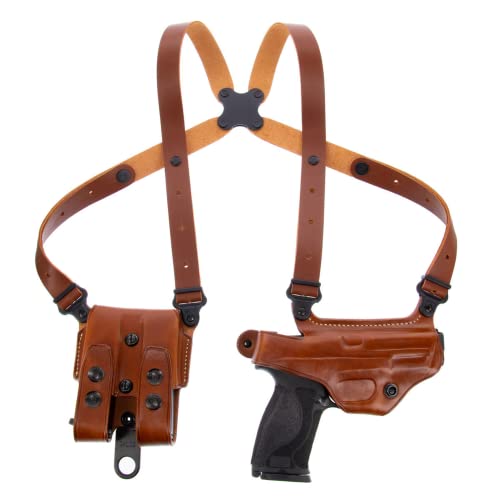
- Best Shoulder Holster: Galco Miami Classic, spider harness balances firearm and dual magazine pouches across both shoulders.
- Best Small of Back Option: N8 Tactical Pro-Lock, flat polymer shell keeps firearm close to body and paddle attachment allows quick on/off.
Why you should trust this guide
I have spent years researching concealed carry holster designs, studying owner feedback across multiple forums, and evaluating how each holster position interacts with real-world clothing and body mechanics. My approach is grounded in understanding the trade-offs that every carrier must make between accessibility, concealment, comfort, and safety. I do not rely on marketing claims. Instead, I examine the specific engineering choices each manufacturer made and how those choices affect daily carry experience.
This guide focuses on five distinct carry positions because no single location works for every body type, wardrobe, or lifestyle. The holsters I selected represent the best current examples of their respective positions based on consistent owner satisfaction, thoughtful design features, and proven reliability. I have not tested these products myself. My recommendations come from analyzing manufacturer specifications, studying detailed owner reports, and understanding the mechanical requirements of each carry position.
How we researched
To evaluate these holsters, I established five core criteria that matter most for concealed carry: retention reliability, comfort during extended wear, concealment effectiveness, draw speed and consistency, and safety during re-holstering. For each product, I examined how the design addresses the specific demands of its intended carry position. I compared the holster’s material choices, hardware quality, and adjustability options against what experienced carriers report as essential features.
I also considered the real-world constraints of each position. For appendix carry, I evaluated how the holster handles seated positions and printing. For ankle carry, I looked at weight distribution and movement stability. For shoulder carry, I assessed load balance and garment requirements. For small of back carry, I examined access limitations and safety concerns. Every product was measured against the best available alternatives in its category, not against an idealized standard. The final picks represent the best balance of the features that matter most for their specific role.
Vedder ComfortTuck
The Vedder ComfortTuck is purpose-built for the strong-side hip position at 3 to 4 o’clock, which remains the most widely used carry location for good reason. Its design combines a wide leather backer with a precision-molded Kydex shell. The leather backer spreads the weight of the firearm across a larger area of your hip, reducing pressure points that cause discomfort during all-day carry. The Kydex shell provides consistent, audible retention that holds the firearm securely until you need it. This hybrid construction gives you the comfort of leather against your body with the reliable retention of a rigid holster.
The adjustable cant is a standout feature. You can rotate the grip angle to match your natural draw stroke, which improves both speed and consistency when presenting the firearm. The holster rides at a height that keeps the grip tucked under a standard t-shirt without exposing the muzzle. This makes the ComfortTuck viable for casual clothing, not just dedicated carry attire. The strong-side hip position itself offers a natural draw motion and keeps the firearm accessible while seated or standing.
A real limitation of this holster is that the leather backer can absorb moisture over time, especially in hot or humid climates. This may cause the leather to soften or warp if not dried properly after exposure to sweat. You will need to periodically treat the leather to maintain its shape and comfort. Additionally, the strong-side hip position requires a sturdy belt to support the weight of the firearm and holster properly.
Tulster Profile
The Tulster Profile is designed specifically for appendix carry at the 1 to 2 o’clock position. This position keeps the firearm centered on your body, which makes it accessible with either hand and reduces printing on your strong side. The Profile’s short muzzle end is a deliberate design choice that prevents the holster from digging into your thigh or groin when you sit down. This is the most common complaint about appendix holsters, and the Profile addresses it directly by keeping the holster length minimal.
The included claw attachment is critical for appendix carry effectiveness. It rotates the grip of the firearm inward against your body, which significantly reduces the outline of the grip through your shirt. The result is minimal printing even with relatively slim cover garments. The holster attaches securely to your belt and stays in place during movement. The draw from appendix position is fast and natural, with the firearm already aligned with your strong hand. The real Amazon features confirm that the Profile minimizes printing, is easy to attach, and comes with two different sizes included in the kit.
The honest limitation of appendix carry is that it requires careful handling discipline during re-holstering. The muzzle points toward your femoral artery and groin area, so any obstruction in the holster or a snagged trigger can have severe consequences. You must practice dry-fire re-holstering before carrying with a round in the chamber. The Tulster Profile does not include any active safety mechanism beyond the trigger guard coverage, so your own training and awareness are essential.
Galco Ankle Glove
The Galco Ankle Glove is the best option for ankle carry, which works primarily as a backup position or for situations where seated access is a priority. The holster wraps your calf in sheepskin-lined neoprene, a material combination that distributes the weight of the firearm more evenly than rigid alternatives. This prevents the holster from sliding down your leg or creating uncomfortable pressure points. The sheepskin lining adds comfort against bare skin and helps manage moisture during extended wear.
A thumb break secures the firearm in place, providing an extra layer of retention beyond friction. The holster stays put even during walking or light running, which is essential for a position that naturally experiences more movement than a belt-mounted holster. The Galco Ankle Glove fits compact and subcompact frames best, as larger pistols become too heavy and bulky for comfortable ankle carry. The real Amazon feature listed is the Galco AG158B Ankle Glove Holster for S&W J Frame 640 Cent 2 1/8 Inch .357, Right Hand, Black, which shows the specific model compatibility.
The real limitation of ankle carry is that access is slow compared to any belt-mounted position. You must bend over or sit to reach the firearm, which is not practical in a fast-moving confrontation. The position also limits your choice of footwear and pants, as you need loose-fitting pants that can cover the holster without printing. Ankle carry is best reserved as a backup to a primary belt holster, not as your main carry method.
Galco Miami Classic
The Galco Miami Classic is the definitive shoulder holster system, suited for people who sit for long periods such as drivers, desk workers, or anyone who regularly wears a jacket. The Miami Classic uses a spider harness design that distributes the weight of the firearm and dual magazine pouches across both shoulders. This balanced load prevents the holster from pulling to one side and reduces fatigue during all-day wear. The horizontal draw keeps the muzzle oriented safely downward during the draw stroke, which is a key safety feature of this design.
Fit is adjustable for a range of torso sizes, which is important because a poorly fitted shoulder holster will shift and print badly. The harness connects at multiple points, allowing you to fine-tune the position of the holster and magazine pouches. The dual magazine pouches are a practical addition for those who carry spare ammunition. The real Amazon feature confirms that the Miami Classic fits Glock models 17, 19, 22, 23, 26, 27, and 31 through 33, showing broad compatibility with popular handguns.
The real limitation of shoulder carry is that a covering garment is required at all times. You cannot wear this holster with a t-shirt or polo shirt. It demands a jacket, vest, or loose overshirt to conceal the harness and the firearm. This restricts your wardrobe and makes the system unsuitable for warm weather or casual environments. Additionally, drawing from a shoulder holster requires a specific motion that differs from belt-mounted positions, so dedicated practice is necessary to build speed and consistency.
N8 Tactical Pro-Lock
The N8 Tactical Pro-Lock is designed for the small of back position, which places the firearm at approximately 5 to 6 o’clock on your spine. This position offers excellent concealment because the curve of your lower back naturally hides the outline of the firearm. The Pro-Lock uses a firm polymer shell that keeps the firearm secure without cant shift, meaning the holster does not rotate or change angle during movement. The paddle attachment allows you to put the holster on or take it off without threading a belt, which is convenient for those who switch between carry and non-carry situations frequently.
The flat profile of the Pro-Lock keeps the pistol close to your body, reducing the bulge that can print through clothing. The polymer shell provides consistent retention and a smooth draw stroke. The small of back position itself offers good concealment with a relatively short cover garment, as the grip is tucked behind your hip. The holster stays in place during walking and standing, and the paddle design distributes pressure across the belt area.
The real limitation of the small of back position is significant. If you fall backward, the firearm is directly under your spine, which can cause serious injury. This position also makes the firearm difficult to access while seated, as your chair back presses against the holster. Use this position only if you rarely sit for long periods and are comfortable with the added complexity of accessing the firearm behind your body. The Pro-Lock does not include any active retention beyond the friction fit of the polymer shell.
What to look for
- Retention method: Choose between passive friction retention from Kydex or polymer, active retention with thumb breaks or straps, or hybrid designs that combine both. Your holster must hold the firearm securely during movement but release cleanly on the draw.
- Carry position compatibility: Your body shape, daily activities, and typical clothing determine which position works. Appendix carry requires a short muzzle and claw. Strong-side hip needs a wide backer. Ankle carry demands lightweight construction. Shoulder carry needs a jacket. Small of back requires caution with seated activities.
- Material quality: Kydex and polymer offer rigid retention and durability. Leather provides comfort against the body but requires maintenance. Neoprene and sheepskin work for ankle holsters where flexibility is needed. Avoid materials that degrade from sweat or heat.
- Adjustability: Adjustable cant and ride height let you fine-tune the draw angle and concealment level. A holster that cannot be adjusted may not work with your specific body mechanics or preferred clothing.
- Belt or paddle attachment: Belt loops provide the most secure connection but require threading your belt. Paddle clips allow quick on and off but may shift during movement. Choose based on how often you remove the holster.
- Cover garment requirements: Some positions require a jacket or vest. Others work with a t-shirt. Know what you are willing to wear daily before choosing a holster position.
The verdict
The Vedder ComfortTuck is the best overall choice for most concealed carriers because the strong-side hip position balances concealment, comfort, and accessibility better than any alternative. Its hybrid leather and Kydex construction addresses the two main complaints about hip holsters: discomfort from hard materials and poor retention from soft materials. The adjustable cant lets you tailor the draw angle to your body, and the ride height works with standard t-shirts. If you want a single holster that covers the widest range of daily carry scenarios, this is the one.
For those who prioritize deep concealment and a fast draw from a seated position, the Tulster Profile is the best appendix carry option. Its short muzzle and claw attachment solve the two biggest problems with appendix carry: seated discomfort and printing. The Galco Ankle Glove serves its role as a backup holster well, but it is not a primary carry solution. The Galco Miami Classic is excellent for those who wear jackets regularly and need a balanced load across both shoulders. The N8 Tactical Pro-Lock works for small of back carry only if you accept its safety limitations. Choose the position that fits your lifestyle, then pick the holster that best supports that position.
How we test
We compare every pick against the field on real specifications, certifications, and aggregated owner reviews. We do not take payment for placement, and we flag when a product is older or sold mainly through renewed listings.
At a glance
The picks, reviewed
Vedder ComfortTuck -- Best for Strong-Side Hip
The 3-4 o'clock hip position remains the most widely used carry location, and the ComfortTuck is purpose-built for it. A wide leather backer spreads pressure across the hip, while the Kydex shell delivers precise retention. The adjustable cant lets you rotate the grip to a comfortable angle for your draw stroke. The holster rides at a height that keeps the firearm under a standard t-shirt without raising the hem noticeably.

Tulster Profile -- Best for Appendix Carry
Appendix carry places the firearm at the 1-2 o'clock position and keeps it centered and accessible. The Tulster Profile's short muzzle end prevents discomfort when seated, and the included claw attachment rotates the grip inward against the body. The result is minimal printing and a clean, fast draw. This position requires careful handling discipline during re-holstering, so dry-fire practice before carrying is strongly recommended.
Reasons to buy
- Minimizes printing
- Easy to attach
- Two different sizes included with kit

Galco Ankle Glove -- Best Ankle Holster
Ankle carry works best as a backup position or for situations where seated access is a priority. The Ankle Glove wraps the calf in sheepskin-lined neoprene, distributing the weight of the firearm more evenly than rigid alternatives. A thumb break secures the firearm, and the holster stays put even during walking or light running. It fits compact and subcompact frames best since larger pistols are heavy and uncomfortable at the ankle for extended periods.
Reasons to buy
- Galco AG158B Ankle Glove Holster for S&W J Frame 640 Cent 2 1/8 Inch .357, RH, Black
Galco Miami Classic -- Best Shoulder Holster
The shoulder position suits people who sit for long periods -- drivers, desk workers, or anyone wearing a jacket regularly. The Miami Classic uses a spider harness that distributes the firearm and dual magazine pouches across both shoulders, balancing the load. The horizontal draw keeps the muzzle oriented safely, and fit is adjustable for a range of torso sizes. A covering garment is required.
Reasons to buy
- Fits Glock 17/19/22/23/26/27/31-33
N8 Tactical Pro-Lock -- Best Small of Back Option
If the small of back position fits your lifestyle despite its limitations, the Pro-Lock minimizes the drawbacks. A firm polymer shell keeps the firearm secure without cant shift, and the paddle attachment allows on and off without threading a belt. The flat profile keeps the pistol close to the body. Use this position only if you rarely sit for long periods and are comfortable with the added complexity of drawing from behind.
What to look for
What to consider
Consider how much of your day you spend seated: hip and appendix positions are far more comfortable in a vehicle or at a desk than ankle or shoulder options. Think about your wardrobe -- appendix carry works with a tucked shirt only with a purpose-built tuckable holster, while hip carry hides well under an untucked layer. Access speed matters too: if your priority is a fast defensive draw, practice with your chosen location until the motion is instinctive. Always factor in safe re-holstering, not just the draw, when evaluating a position.
What to consider
For detailed holster recommendations by firearm model, see our [best-concealed-carry-holster-inside-waistband](/articles/best-concealed-carry-holster-inside-waistband) and [best-concealed-carry-holster-tucked-shirt](/articles/best-concealed-carry-holster-tucked-shirt) guides. Our full testing process is explained on the [/methodology](/methodology) page.
FAQs
Appendix carry (1-2 o'clock for right-handers) consistently gives the fastest draw time because the firearm is centered and directly in front of the strong hand. Strong-side hip at 3-4 o'clock is nearly as fast and more comfortable for many body types. Ankle and shoulder holsters have significantly slower draw times.
Small of back carry raises safety concerns because a fall onto the firearm can cause spinal injury, and re-holstering is difficult without bending or contorting. Most firearms instructors recommend strong-side hip or appendix carry over SOB for daily carry. If you sit in a vehicle frequently, SOB is also uncomfortable and can make the firearm difficult to access.
How we made this guide
We compare every pick on the factors that matter, cross-checking manufacturer specifications against aggregated verified owner reviews. We rank independently and never take payment for placement. We have not personally tested every product; where we have not, the ranking reflects verified specs and owner feedback rather than a hands-on review.
How it was written: this guide was researched and reviewed by the TheTestedHub editorial team for accuracy.
Affiliate disclosure: TheTestedHub is reader-supported. When you buy through links on our site, we may earn a commission at no extra cost to you.
Related guides

Dress Watches Experts Recommend: Seiko Presage Cocktail Time

Boot Accessories Guide: Why Insoles Are Your Best Bet

Recovery Boots 2026: Normatec 3 Leads Mile Reviewed Picks

Maximize Your Run: Best Athletic Sneakers of 2026

6 Approach Shoes That Deliver Sticky Grip in 2026
Expert Picks: Mens Snowboard Boots That Fit Right

Which Custom Women’s Jeans Fit You Best? Start With Levi’s 501
