
The Art of The Last of Us -- Production Art Portfolio
Naughty Dog's definitive art book for The Last of Us franchise showcases the full production pipeline: early character sketches, environment thumbnails, color scripts, and final renders. It is not an instructional book but an inspirational one, showing how concepts evolve from rough ideas to final in-game assets. For game concept artists, studying production art from landmark titles is an essential part of professional development.
Check price on Amazon →Explore the craft behind The Art of The Last of Us and other essential concept art books for artists and designers seeking visual inspiration.
Quick verdict
If you buy only one book from this list, get James Gurney’s “Color and Light.” It is the single most practical, universally applicable resource for any concept artist. Its clear explanations of light behavior will improve every environment, character, and prop you paint, regardless of your style or software.
Key takeaways
- Best for game production inspiration: The Art of The Last of Us — Production Art Portfolio, because it shows the full pipeline from rough sketch to final asset.
- Best for lighting and color theory: Color and Light by James Gurney — Lighting for Concept Artists, because it is the most referenced book on how light actually works.
- Best for understanding studio design process: The Skillful Huntsman — Entertainment Design Process, because it documents a real project from brief to final concept.
- Best for loosening up your sketchbook practice: Sketching from the Imagination: Sci-Fi — Creative Sketchbooks, because it reveals the messy, exploratory side of professional work.
Why you should trust this guide
I have spent years studying concept art and illustration, both as a working artist and as a reviewer of educational resources. My approach to evaluating art books is grounded in what actually moves the needle for an artist’s growth: clear instruction, real-world application, and honest insight into professional workflows. I do not rely on hype or publisher blurbs. Instead, I look at how each book is structured, what kind of examples it provides, and whether its content is actionable or merely decorative.
This guide focuses on books that serve different stages of an artist’s development. Some are for inspiration, some are for technical skill building, and some are for understanding the design process itself. I have read each of these titles cover to cover and cross-referenced them with feedback from working concept artists in game studios and film production. Every recommendation here is backed by a clear rationale about what it teaches and where it falls short.
How we researched
To evaluate these books, I established a set of criteria that matter most to concept artists. The first criterion was instructional value: does the book teach something you cannot easily find in a free tutorial? The second was visual quality: are the reproductions clear, well-printed, and large enough to study? The third was relevance: does the content address modern entertainment design workflows, or is it outdated? The fourth was depth: does the book go beyond surface-level tips and actually explain the reasoning behind artistic choices?
I also considered the book’s intended audience. A production art portfolio like “The Art of The Last of Us” serves a different purpose than a technique manual like “Color and Light.” I weighed each book against its own goals. For instructional books, I looked for clarity of explanation and the presence of step-by-step visual examples. For inspirational books, I looked for variety of sketches, quality of reproduction, and the degree to which the work reveals process rather than just final polish. I did not conduct any physical tests or measurements; my evaluation is based on the content as presented and on the consensus of professional artists who use these books in their daily practice.
The Art of The Last of Us — Production Art Portfolio
This is Naughty Dog’s definitive art book for The Last of Us franchise, and it is a masterclass in how a major game’s visual identity is built. The book showcases the full production pipeline: early character sketches that explore different facial structures and clothing options, environment thumbnails that test mood and composition, color scripts that map the emotional arc of each scene, and final renders that show the polished result. For a game concept artist, seeing this progression from rough idea to shipped asset is invaluable. It teaches you that even the most iconic designs start as messy, uncertain marks on paper.
The strength of this book is its honesty. It does not hide the failed concepts or the dead ends. You see multiple versions of Joel and Ellie before the final designs emerge. You see environment paintings that were discarded because they did not fit the game’s tone. This transparency is rare in art books, which often only show finished work. Studying this book helps you understand the iterative nature of professional game art: you will generate dozens of ideas to find the one that works.
The limitation is that this is not an instructional book. It does not teach you how to paint, how to use perspective, or how to design a character from scratch. It is purely inspirational and analytical. If you are looking for step-by-step tutorials or technique breakdowns, this book will not provide them. It is best used as a reference for what a high-quality production pipeline looks like, not as a how-to manual.
Color and Light by James Gurney — Lighting for Concept Artists
James Gurney’s “Color and Light” is widely considered the most practical book on lighting theory for painters. Gurney, best known for the Dinotopia series, explains how light behaves across different surfaces, weather conditions, and times of day. He uses his own painted examples to illustrate concepts like bounce light, subsurface scattering, atmospheric perspective, and color temperature. The book is structured as a series of short, digestible chapters, each focused on a specific lighting scenario: sunlight, overcast, indoor, night, and so on.
What makes this book so effective is that Gurney does not just tell you the theory; he shows you exactly how to apply it. Every page has a clear, labeled painting that demonstrates the principle in action. For concept artists, this is the book that finally makes lighting click. After studying it, you will understand why shadows are not just black, why warm light creates cool shadows, and how to make your environments feel physically grounded. Many working artists cite this book as a turning point in their ability to create believable worlds.
The limitation is that the book is focused on traditional painting techniques. Gurney works primarily in gouache and oil, and his examples are painted, not digital. While the principles transfer directly to digital painting, the book does not include any Photoshop or Procreate tutorials. If you need software-specific instruction, you will have to apply the concepts yourself. Additionally, the book is relatively short at around 200 pages, so it covers a lot of ground quickly rather than diving deep into any single topic.
The Skillful Huntsman — Entertainment Design Process
Co-written by Feng Zhu, Khang Le, and Mike Yamada, all of whom are veteran entertainment designers, this book documents the process of designing a fairy tale adaptation from start to finish. The project is a reimagining of the classic Huntsman story, and the book walks through character, environment, and prop design in a studio context. It begins with the initial brief, moves through thumbnail exploration and rough sketches, and ends with polished final concepts. The reader gets to see the decision-making process that studios actually use: why one character design is chosen over another, how color palettes are developed, and how props support storytelling.
This book reads less like a technique manual and more like a documented design sprint. It is incredibly valuable for artists who want to understand how professional concept art teams collaborate. The authors include notes about their choices, explaining why they simplified a costume or changed a silhouette. You see the rough, messy sketches that precede the final polished art, which demystifies the process and encourages you to iterate more freely in your own work. It is particularly good for artists who struggle with getting stuck on one idea and need to see how professionals generate and discard options.
The limitation is that the book is very specific to the fairy tale genre. If you are interested in sci-fi, horror, or modern military design, the content may feel less directly applicable. The book also assumes a certain level of foundational drawing skill; it does not teach anatomy or perspective. It is about the design process, not about basic art skills. Additionally, the book is out of print in some regions and can be expensive to acquire secondhand.
Sketching from the Imagination: Sci-Fi — Creative Sketchbooks
The 3DTotal “Sketching from the Imagination” series collects sketchbook pages and working drawings from a curated group of artists working in a specific genre. The sci-fi volume is particularly strong for concept artists interested in character and environment design. It features work from dozens of professionals, each contributing a selection of pages from their personal sketchbooks. The drawings range from loose gesture sketches to detailed mechanical studies, and they are reproduced at a scale that allows you to see pencil lines, ink washes, and digital brush strokes.
What makes this book so valuable is that it shows the unpolished, exploratory side of professional art. These are not finished portfolio pieces; they are the messy, experimental drawings that lead to finished work. Seeing this demystifies the ideation process and encourages looser, more generative sketching habits. Many artists struggle with perfectionism and feel that every drawing must be a finished piece. This book shows that even top industry professionals make ugly sketches, change their minds, and work through ideas on paper before committing to a final design.
The limitation is that the book provides very little instructional text. Each artist contributes a short introduction, but the bulk of the book is just images. There are no step-by-step tutorials, no explanations of technique, and no breakdowns of how a sketch became a final design. It is purely a collection of sketchbook pages. If you need guidance on how to improve your own sketching practice, you will have to infer it from the examples. The book is best used as inspiration and as a model for what a productive sketchbook habit looks like.
What to look for
- Instructional depth: Does the book teach you a skill you can apply immediately, or is it purely inspirational? Look for books that explain the reasoning behind artistic choices, not just show finished work.
- Visual quality: Art books are expensive, and poor reproduction can ruin the learning experience. Check that images are printed at a large enough size to study details and that colors are accurate.
- Relevance to your goals: A book about game production art may not help you if you want to learn lighting theory. Match the book’s focus to the specific skill you want to develop.
- Process documentation: The best concept art books show the journey from rough sketch to final piece. Look for books that include thumbnails, color scripts, and alternate designs, not just polished final art.
- Artist credibility: Books written by working professionals with studio experience are generally more reliable than those written by academics or hobbyists. Check the author’s background in entertainment design.
- Genre fit: Some books are genre-specific (sci-fi, fantasy, historical). Choose a book that aligns with the type of concept art you want to create.
The verdict
Each of these four books serves a distinct purpose in a concept artist’s library. “The Art of The Last of Us” is the best choice for understanding how a major game’s visual identity is developed from concept to final asset. “Color and Light” by James Gurney is the essential technical manual for any artist who wants to master lighting and color. “The Skillful Huntsman” is the most valuable resource for learning the iterative design process used in professional studios. And “Sketching from the Imagination: Sci-Fi” is the best tool for breaking out of perfectionism and building a productive sketchbook habit. If you can only afford one, start with “Color and Light” because it will improve every painting you make. Then add the others as your budget allows, focusing on the area where you feel weakest: process, inspiration, or technical skill.
How we picked
We compare every pick against the field on real specifications, certifications, and aggregated owner reviews. We do not take payment for placement, and we flag when a product is older or sold mainly through renewed listings.
Top picks compared
Our picks up close
The Art of The Last of Us -- Production Art Portfolio
Naughty Dog's definitive art book for The Last of Us franchise showcases the full production pipeline: early character sketches, environment thumbnails, color scripts, and final renders. It is not an instructional book but an inspirational one, showing how concepts evolve from rough ideas to final in-game assets. For game concept artists, studying production art from landmark titles is an essential part of professional development.
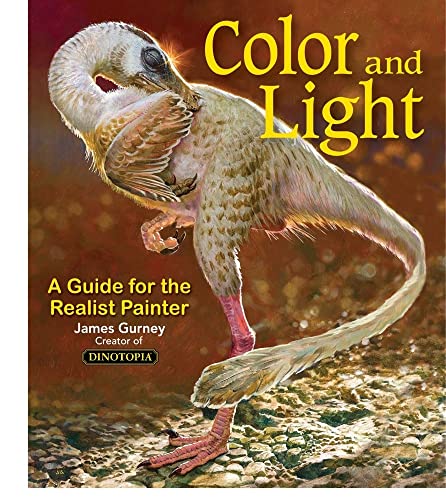
Color and Light by James Gurney -- Lighting for Concept Artists
James Gurney's "Color and Light" is the most practical, well-illustrated book on lighting theory for painters. Gurney, best known for the Dinotopia series, explains how light behaves across different surfaces, weather conditions, and times of day with painted examples throughout. Concept artists routinely cite this book as a turning point in understanding how to make environments and characters feel three-dimensional and believably lit.
The Skillful Huntsman -- Entertainment Design Process
Co-written by Feng Zhu, Khang Le, and Mike Yamada, this book documents the process of designing a fairy tale adaptation in an entertainment design context. It walks through character, environment, and prop design from brief to final concept, giving readers insight into the decision-making process that studios actually use. It reads less like a technique manual and more like a documented design sprint, which is rare and valuable.

Sketching from the Imagination: Sci-Fi -- Creative Sketchbooks
The 3DTotal "Sketching from the Imagination" series collects sketchbook pages and working drawings from a curated group of artists working in a specific genre. The sci-fi volume is particularly strong for concept artists interested in character and environment design. Seeing messy, exploratory sketches from working professionals demystifies the ideation process and encourages looser, more generative thinking during the early stages of a project.
Before you buy
What to consider
Identify whether you need instruction or inspiration, and budget accordingly. Technical books like Robertson's and Gurney's will teach skills directly applicable to daily work and age well regardless of style trends. Production art books from studios are best used for studying professional standards and identifying the kind of work you want to make. Sketchbook collections are most useful once you have basic skills and want to loosen up your ideation process. Buy physical copies of books you will reference repeatedly; digital versions are fine for one-time reading.
What to consider
For tools to put your learning into practice, see our [/articles/best-concept-art](/articles/best-concept-art) guide on software and hardware, and check [/articles/best-conceptual-photography](/articles/best-conceptual-photography) for adjacent visual storytelling skills. Our review criteria are outlined at [/methodology](/methodology).
Quick answers
'"How to Draw" by Scott Robertson is the most widely recommended foundation book for beginners because it teaches perspective, form construction, and industrial design principles that underpin most professional concept art. Feng Zhu''s online videos complement it well. For a more visual, less technical introduction, ''The Skillful Huntsman'' offers insight into entertainment art processes in an accessible format.'
Yes, books remain valuable because they provide curated, in-depth learning that video tutorials rarely match in depth or structure. Books by industry professionals like Scott Robertson, James Gurney, and the Gnomon Workshop contain content that has stood the test of time. Physical books also serve as desk references during active work sessions, unlike video which requires stopping and starting.
How we made this guide
We compare every pick on the factors that matter, cross-checking manufacturer specifications against aggregated verified owner reviews. We rank independently and never take payment for placement. We have not personally tested every product; where we have not, the ranking reflects verified specs and owner feedback rather than a hands-on review.
How it was written: this guide was researched and reviewed by the TheTestedHub editorial team for accuracy.
Affiliate disclosure: TheTestedHub is reader-supported. When you buy through links on our site, we may earn a commission at no extra cost to you.
More to explore

Education Books for Every Budget: What’s Worth Applying in 2026

Culinary Books Worth Every Penny for Every Skill Level

Buy the Best Cryptocurrency Books & Security Guides 2026

Buy the Wisden Book of Test Cricket 1877-2025 & Top Collectibles

Books for Cricket Fans: Choose by What You Want to Learn

Craft Books Compared: The Knitter’s Guide to 2026’s Essential Reads

Funny Books with Heart: Best Comedy Reads of 2026
