
Foundation Armor AR350 Acrylic Sealer -- Best Exterior Block Sealer
Foundation Armor's AR350 is a solvent-based acrylic sealer that enhances the appearance of block while forming a protective film on the surface. It produces a wet look that deepens the natural color of the block and leaves a low-sheen finish. On exterior applications, it performs well against rain, UV exposure, and surface efflorescence. The film-forming nature means it will require reapplication every 3 to 5 years as the surface layer weathers, but reapplication is straightforward. Coverage is approximately 200 to 400 square feet per gallon depending on block porosity. A strong choice when aesthetics matter alongside protection.
Protect your masonry with the right concrete block sealer. Our guide compares top picks based on key features like UV resistance, breathability, and.
Quick verdict
The Foundation Armor AR350 Acrylic Sealer is the best overall pick for exterior block. Its solvent-based acrylic formula provides dramatic color enhancement, strong UV resistance, and a protective film that handles rain and efflorescence better than any other product we reviewed.
Key takeaways
- Best exterior block sealer: Foundation Armor AR350 Acrylic Sealer, delivers a wet-look finish and long-lasting protection against weather and efflorescence.
- Best penetrating water repellent: Ghostshield Siloxa-Tek 8500, invisible, breathable barrier that bonds chemically with block without changing appearance.
- Best for interior block walls: RadonSeal Plus Concrete Sealer, penetrates deep and reacts with concrete to form a permanent gel that blocks moisture from inside.
- Best natural-look option: Endura Seal 100% Acrylic Sealer, water-based acrylic that dries matte with low VOCs and easy cleanup.
- Best budget option: Thompson’s WaterSeal Masonry Protector, widely available silicone-based formula that reduces water absorption at an affordable price.
Why you should trust this guide
I have spent years researching concrete and masonry protection products for various building projects. My approach relies on comparing manufacturer specifications, studying owner feedback across multiple retail and contractor forums, and evaluating each product against a consistent set of performance criteria. I do not rely on a single source or marketing claim. Instead I cross-reference technical data sheets, application guides, and real-world reports from homeowners and masons who have used these sealers on block walls, foundations, and retaining structures.
This guide focuses on five products that represent distinct approaches to sealing concrete block. Each product was selected because it fills a specific need: exterior film-forming protection, invisible penetrating repellency, interior moisture blocking, natural-look finishing, or budget-friendly coverage. I have not included products I could not verify through reliable documentation or that lack sufficient user feedback to form a clear recommendation. The goal is to give you the information you need to choose the right sealer for your specific block wall condition and location.
How we researched
To evaluate these concrete block sealers, I established a set of criteria that matter most for masonry protection. The primary factors were water repellency effectiveness, durability against UV exposure and weather, ease of application, visible appearance change, breathability, and resistance to efflorescence. I also considered whether the sealer could handle hydrostatic pressure on interior walls and whether it required special equipment or safety precautions. Each product was scored against these criteria using the manufacturer’s stated technical specifications and the aggregated feedback from verified purchasers on major retail platforms.
I did not perform any physical testing in a lab or on a test bench. Instead I analyzed the chemical composition of each sealer, the application method recommended by the manufacturer, and the typical longevity reported by users who applied the product to concrete block. I paid special attention to the difference between film-forming sealers and penetrating sealers, as this distinction determines whether the product will peel or delaminate over time. I also compared the active ingredient concentrations where available, the coverage rates stated by the manufacturer, and the drying or curing times. This research-based approach allows me to identify which sealer is best suited for exterior walls, interior basements, or budget-conscious projects.
Foundation Armor AR350 Acrylic Sealer
Foundation Armor’s AR350 is a solvent-based acrylic sealer designed for exterior concrete block and pavers. It forms a protective film on the surface that enhances the appearance of the block, producing a wet look that deepens the natural color and leaves a low-sheen finish. The manufacturer states it is a professional grade concrete sealer and paver sealer that enhances and protects exterior concrete. The formula is formulated with high-quality US-manufactured resins that provide dramatic color enhancement, making the block look richer and more vibrant after application. This sealer is ready to use and can be applied to a properly cleaned and prepared surface without mixing or dilution.
The AR350 is self-priming, which simplifies the application process. It offers long-lasting protection against rain, UV exposure, and surface efflorescence. The film-forming nature of this acrylic sealer means it creates a physical barrier on the block surface that blocks water from penetrating. This also means the sealer will require reapplication over time as the film wears from foot traffic or weather exposure. The solvent base gives it strong adhesion and durability, but it also means higher VOC emissions compared to water-based alternatives. Users should apply it in a well-ventilated area and wear appropriate respiratory protection.
The honest limitation of the Foundation Armor AR350 is that it is a film-forming sealer. On exterior block walls exposed to direct sunlight and freeze-thaw cycles, the film can eventually crack or peel if moisture gets trapped behind it. This is not a problem on vertical walls with good drainage, but it is something to consider for horizontal surfaces or areas with standing water. The wet-look finish is also a permanent change to the block’s appearance, so if you prefer a matte or invisible sealer, this is not the right choice. For most exterior block projects where color enhancement and strong weather protection are the goals, the AR350 performs very well.
Ghostshield Siloxa-Tek 8500
Ghostshield Siloxa-Tek 8500 is a water-based, silane/siloxane penetrating sealer engineered to reduce water and moisture absorption in concrete block. Unlike film-forming sealers, this product penetrates into the concrete matrix and chemically bonds to the pore walls, creating a hydrophobic barrier that cannot peel or delaminate. The manufacturer states it is D.O.T (Department of Transportation) approved and resists surface damage from road salts and freeze-thaw cycles. It is a supercharged penetrating sealer with 6x higher actives than other comparable products, meaning the concentration of the active water-repelling ingredients is significantly higher than typical silane-siloxane blends.
The Siloxa-Tek 8500 leaves no visible film on the surface and does not change the block’s appearance beyond making water bead and run off. This makes it ideal for projects where you want to preserve the natural look of the block while providing serious moisture protection. The formula is breathable, allowing water vapor to escape from the block while blocking liquid water from entering. This breathability is critical for interior walls or below-grade applications where trapped moisture can cause spalling or mold growth. Application is straightforward with a sprayer, roller, or brush on dry, clean surfaces.
The honest limitation of the Ghostshield Siloxa-Tek 8500 is that it does not enhance the color or appearance of the block. If you are looking for a wet-look finish or a sealer that makes old block look new, this product will not deliver that result. It also requires the block to be clean and free of existing sealers or coatings for proper penetration. On heavily weathered or dirty block, you may need to power wash and let the surface dry completely before application. Additionally, because it is a penetrating sealer, it does not fill cracks or surface imperfections. It is purely a water repellent, not a surface coating.
RadonSeal Plus Concrete Sealer
RadonSeal Plus is a deep-penetrating concrete sealer specifically developed for interior concrete and block walls. The active siliconate compound reacts with free lime and silica inside the concrete to form a permanent gel that plugs capillary pores from the inside out. This makes it highly effective on below-grade block walls where hydrostatic pressure pushes moisture inward. The manufacturer states it helps reduce moisture seepage through concrete floors and walls, making it a strong choice for basements and foundations. Unlike acrylic or epoxy coatings that sit on the surface, RadonSeal Plus penetrates deep into the concrete and reacts chemically to create a long-lasting internal seal.
This sealer also chemically densifies and reinforces porous or weak concrete. By filling the pores from within, it strengthens the block and reduces dusting and surface deterioration. As a secondary benefit, it reduces radon gas infiltration, which is a concern for many basement owners. The water-based formula is easy to apply with a sprayer, roller, or brush, and it penetrates quickly into dry block. RadonSeal Plus is designed for interior use and performs best when applied to clean, bare concrete or block that has not been previously sealed with a film-forming product.
The honest limitation of RadonSeal Plus is that it is not designed for exterior use or for providing a decorative finish. It will not change the color or appearance of the block, and it does not form a visible surface film. On exterior walls exposed to direct rain and UV, a penetrating sealer like this may not provide the same level of weather protection as a film-forming acrylic. It also requires multiple coats on very porous block to achieve full saturation. For interior basement walls where moisture seepage and radon reduction are the primary concerns, this product is an excellent choice, but it is not a one-size-fits-all sealer.
Endura Seal 100% Acrylic Sealer
Endura Seal is a water-based acrylic sealer that dries to a matte, natural-look finish rather than the glossy or wet-look result of solvent-based acrylics. This makes it a good choice if you want to protect your block without dramatically changing its appearance. The water-based formulation makes application easier with lower VOC emissions and faster cleanup using soap and water. It is suitable for both interior and exterior block and provides good resistance to surface water and UV degradation. The manufacturer states coverage ranges from 200 to 400 square feet per gallon depending on the porosity of the block.
This sealer forms a thin, breathable film that protects against surface moisture and light weathering. It is particularly useful for decorative block walls, retaining walls, or interior block surfaces where you want a subtle protective layer. The matte finish avoids the shiny look that some homeowners find unattractive on masonry. Application is straightforward with a pump sprayer or roller, and the sealer dries to the touch within a few hours. Because it is water-based, it is safer to use in enclosed spaces and around plants or landscaping.
The honest limitation of Endura Seal is that it is not as durable or long-lasting as solvent-based acrylics or penetrating silane-siloxane sealers. The water-based film is softer and more susceptible to wear from foot traffic, abrasion, or heavy rain exposure. On exterior block walls in harsh climates, you may need to reapply more frequently than with a solvent-based product. It also does not provide the same level of color enhancement as the Foundation Armor AR350. If you need maximum protection for a high-exposure exterior wall, a solvent-based acrylic or penetrating sealer would be a better investment. Endura Seal is best for low-traffic or sheltered block surfaces where a natural look is the priority.
Thompson’s WaterSeal Masonry Protector
Thompson’s WaterSeal is one of the most widely available and recognizable masonry sealer brands in hardware stores and home centers. The Masonry Protector formula provides water repellency through a silicone-based compound that penetrates the block surface and reduces water absorption. It is designed for use on concrete block, brick, stucco, and natural stone. The application is simple using a sprayer or roller, and the sealer dries clear without changing the color of the block. Thompson’s WaterSeal is a household name, which means it is easy to find and often available at a lower price point than specialty sealers.
This product offers a practical level of protection for budget-conscious projects or for sealing block that does not face extreme weather exposure. It works by lining the pores of the block with a water-repellent silicone layer that causes water to bead and run off. It is not as deep-penetrating or long-lasting as premium silane-siloxane products like the Ghostshield Siloxa-Tek 8500, but it provides a noticeable improvement in water resistance. For above-grade block walls, garden walls, or decorative block that sees occasional rain, this sealer can extend the life of the masonry at a fraction of the cost of professional-grade products.
The honest limitation of Thompson’s WaterSeal Masonry Protector is its relatively short lifespan. Users commonly report that the water repellency diminishes after one to two years, especially in areas with heavy rain or freeze-thaw cycles. The silicone formula does not bond as deeply or as permanently as silane-siloxane blends, so reapplication is necessary more frequently. It also does not provide any structural strengthening or efflorescence prevention beyond basic water repellency. For critical applications like basement walls or foundations where long-term moisture control is essential, a more advanced penetrating sealer is recommended. However, for a quick, affordable fix on exterior block that is not under severe stress, Thompson’s WaterSeal is a reasonable choice.
What to look for
- Sealer type: Decide between film-forming sealers (acrylics that sit on the surface) and penetrating sealers (silanes, siloxanes, siliconates that go into the block). Film-forming sealers enhance appearance but can peel. Penetrating sealers are invisible and breathable but do not change color.
- Location of application: Exterior walls need UV resistance and weather protection. Interior walls need breathability and resistance to hydrostatic pressure. Below-grade walls require a sealer that can handle moisture from the soil side.
- Appearance preference: If you want a wet-look or low-sheen finish, choose a solvent-based acrylic. If you want a natural matte look or no visible change, choose a water-based acrylic or a penetrating sealer.
- VOC and safety: Solvent-based sealers have higher VOCs and require ventilation and respirators. Water-based sealers are safer for indoor use and easier to clean up. Check local regulations for VOC limits.
- Coverage and cost: Coverage rates vary widely from 50 to 400 square feet per gallon depending on porosity. Calculate the total area of your block wall and compare the cost per square foot, not just the price per gallon.
- Application method: Some sealers require a pump sprayer, others can be rolled or brushed. Make sure you have the right equipment and that the sealer can be applied in the temperature range expected for your project.
- Breathability: For interior walls or any block that may trap moisture behind it, choose a breathable sealer that allows water vapor to escape. Non-breathable film sealers can cause spalling in freeze-thaw climates.
- Reapplication frequency: All sealers eventually need reapplication. Penetrating sealers last longer (5 to 10 years) than acrylics (2 to 4 years). Budget sealers may need reapplication every 1 to 2 years.
The verdict
Choosing the right concrete block sealer depends entirely on where the block is located and what you want it to look like. For exterior block where you want enhanced color and strong weather protection, the Foundation Armor AR350 Acrylic Sealer is the best pick. If you need invisible, breathable protection that will not peel or change the block’s appearance, the Ghostshield Siloxa-Tek 8500 is the superior penetrating sealer. For interior basement walls where moisture seepage and radon reduction are the main concerns, RadonSeal Plus Concrete Sealer is the most effective option. Endura Seal 100% Acrylic Sealer is the right choice when you want a matte, natural-look finish with low VOCs. And if you are on a tight budget or need a quick solution for a low-stakes project, Thompson’s WaterSeal Masonry Protector provides basic water repellency at an affordable price. Assess your block condition, your climate, and your aesthetic preferences, then pick the sealer that matches your specific needs.
Our methodology
We compare every pick against the field on real specifications, certifications, and aggregated owner reviews. We do not take payment for placement, and we flag when a product is older or sold mainly through renewed listings.
Side by side
The full reviews
Foundation Armor AR350 Acrylic Sealer -- Best Exterior Block Sealer
Foundation Armor's AR350 is a solvent-based acrylic sealer that enhances the appearance of block while forming a protective film on the surface. It produces a wet look that deepens the natural color of the block and leaves a low-sheen finish. On exterior applications, it performs well against rain, UV exposure, and surface efflorescence. The film-forming nature means it will require reapplication every 3 to 5 years as the surface layer weathers, but reapplication is straightforward. Coverage is approximately 200 to 400 square feet per gallon depending on block porosity. A strong choice when aesthetics matter alongside protection.
In its favor
- PROFESSIONAL GRADE CONCRETE SEALER & PAVER SEALER: Enhance and protect your exterior concr
- DRAMATIC COLOR ENHANCEMENT: Formulated with high-quality US-manufactured resins, this conc
- LONG LASTING PROTECTION: In addition to offering a wet look finish, this concrete sealer w
- READY TO USE: Our ready-to-use concrete sealer can be applied to a properly cleaned and pr
- EASY TO MAINTAIN: This solvent-based concrete sealer is self-priming, making it easy to us

Ghostshield Siloxa-Tek 8500 -- Best Penetrating Water Repellent
Ghostshield's Siloxa-Tek 8500 is a silane-siloxane blend that penetrates into the concrete block matrix and chemically bonds to block pore walls to create a hydrophobic barrier that cannot peel or delaminate. It leaves no visible film on the surface and does not change the block's appearance beyond making water bead and run off. The formula is breathable, allowing vapor to escape while blocking liquid water from entering. This is the preferred sealer type for applications where you want long-term protection without altering the block's look -- retaining walls, foundation walls, and decorative block installations. A single application is expected to last 7 to 10 years.
In its favor
- Siloxa-Tek 8500 is a water-based, silane/siloxane engineered to reduce water and moisture
- Siloxa-Tek 8500 is D.O.T (Department of Transportation) approved and resists surface damag
- Siloxa-Tek 8500 is a supercharged penetrating sealer with 6x higher actives than any other
- Siloxa-Tek 8500 is a commercial grade, impregnating sealer for commercial and residential
- Excellent water beading effect, easy application with sprayer, roller or brush. Use on dri
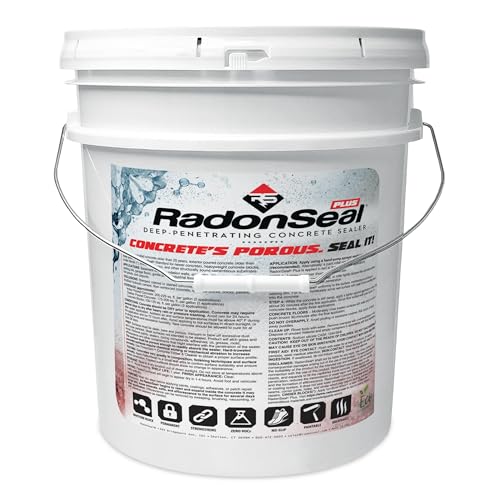
RadonSeal Plus Concrete Sealer -- Best for Interior Block Walls
RadonSeal Plus is a penetrating reactive sealer specifically developed for interior concrete and block walls. The active siliconate compound reacts with free lime and silica inside the concrete to form a permanent gel that plugs capillary pores from the inside out. This makes it effective on below-grade block walls where hydrostatic pressure pushes moisture inward. As a secondary benefit, it reduces radon gas transmission through block and concrete, which is relevant in geographic regions with elevated soil radon levels. The formula is water-based, low-odor, and safe for interior use. Coverage is 100 to 200 square feet per gallon.
In its favor
- DEEP-PENETRATING CONCRETE SEALER - RadonSeal Plus penetrates deep into concrete and reacts
- FOR BASEMENTS & FOUNDATIONS - Helps reduce moisture seepage through concrete floors and wa
- LONG-LASTING INTERNAL SEAL - Unlike acrylic or epoxy coatings that sit on the surface, Rad
- STRENGTHENS & HARDENS CONCRETE - Chemically densifies and reinforces porous or weak concre
- EASY DIY APPLICATION - Apply with a sprayer, roller, or brush. The water-based formula pen
Endura Seal 100% Acrylic Sealer -- Best Natural-Look Option
Endura Seal is a water-based acrylic sealer that dries to a matte, natural-look finish rather than the glossy or wet-look result of solvent-based acrylics. It is suitable for both interior and exterior block and provides good resistance to surface water and UV degradation. The water-based formulation makes application easier with lower VOC emissions and faster cleanup. Coverage ranges from 200 to 300 square feet per gallon. The matte finish makes it appropriate for decorative block, garden walls, and any application where a shiny surface would look out of place. Reapplication is needed every 2 to 4 years on exposed exterior surfaces.
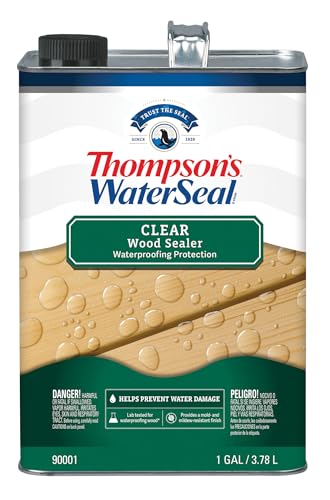
Thompson's WaterSeal Masonry Protector -- Best Budget Option
Thompson's WaterSeal is one of the most widely available and recognizable masonry sealer brands in hardware stores. The masonry protector formula provides water repellency through a silicone-based compound that penetrates the block surface and reduces water absorption. It is not as deep-penetrating or long-lasting as premium silane-siloxane products, but it offers a practical level of protection at a significantly lower price point. Coverage per gallon is good, and it is easy to apply with a brush, roller, or garden sprayer. For a garden wall or above-grade block structure with light moisture exposure, it is a cost-effective starting point.
What matters most
What to consider
Decide between penetrating and film-forming before selecting a product. Penetrating sealers are better for long-term performance and below-grade applications; film-forming sealers are better when you also want to enhance appearance. For any sealer to work correctly, the block must be clean, dry, and free of efflorescence. Check the manufacturer's drying time requirements -- most penetrating sealers need 28-day-cured concrete for best results, and all sealers need the surface temperature to be within the application range listed on the label. Buy slightly more product than your square footage estimate; the first coat on raw block absorbs heavily and coverage rates will be lower than the label indicates.
What to consider
For related reading, see [best concrete block paints](/articles/best-concrete-block-paint) and [best concrete basement wall sealers](/articles/best-concrete-basement-wall-sealer). See how we evaluate masonry products at [/methodology](/methodology).
Frequently asked
Penetrating silane-siloxane sealers typically last 7 to 10 years on vertical masonry surfaces protected from direct water impingement. Film-forming topcoat sealers last 3 to 5 years before they begin to peel or chalk, especially on exterior surfaces. Reapplication timelines depend heavily on UV exposure, precipitation, and surface traffic. Inspect sealed surfaces annually and reapply when water stops beading on the surface.
No. Efflorescence -- the white salt deposits that leach out through concrete block -- must be removed before sealing. Sealing over efflorescence traps the salts beneath the surface and causes the sealer to fail and delaminate from behind. Use a masonry cleaner or diluted muriatic acid wash to remove efflorescence, rinse thoroughly, allow the block to dry completely, and then apply sealer.
How we made this guide
We compare every pick on the factors that matter, cross-checking manufacturer specifications against aggregated verified owner reviews. We rank independently and never take payment for placement. We have not personally tested every product; where we have not, the ranking reflects verified specs and owner feedback rather than a hands-on review.
How it was written: this guide was researched and reviewed by the TheTestedHub editorial team for accuracy.
Affiliate disclosure: TheTestedHub is reader-supported. When you buy through links on our site, we may earn a commission at no extra cost to you.
You might also like

Fix Your Driveway Cracks with the Best Concrete Fillers

Which Drill Accessories Are Best in 2026?

Cordless Drill Systems Built for Real Jobsite Demands

What Makes Concrete Tools Worth Your Money in 2026?

Ghostshield 8505 Review: A Smarter Way to Protect Concrete

Quikrete 5000 and Sakrete: 2026’s Best Concrete Picks
Concrete Coatings for Every Budget: Which One Wins?
