New Balance 626v2 Industrial Work Shoe -- Best Overall Shoe for Concrete Floors
The New Balance 626v2 is a purpose-built work shoe with a ROLLBAR stability post and a thick polyurethane midsole that holds up across full shifts on concrete. The wide toe box accommodates natural foot splay that develops over a long day, reducing the compression that leads to hot spots and blisters. The slip-resistant outsole meets industry standards for kitchen and warehouse environments. Available in wide widths (2E and 4E), which is a significant advantage for workers whose feet swell during long shifts. The upper is a combination of leather and mesh that keeps the shoe breathable without sacrificing structure. Replacement insoles from New Balance are compatible if additional arch support is needed.
Check price on Amazon →Concrete floors punish your feet. These 5 tested shoes deliver lasting support, from the New Balance 626v2 to the Dansko Professional.
Quick verdict
The New Balance 626v2 Industrial Work Shoe is the best overall shoe for standing on concrete all day. Its ROLLBAR stability post and thick polyurethane midsole provide the most durable support for full shifts, while the wide toe box prevents common foot fatigue issues.
Key takeaways
- Best Overall for Concrete Floors: New Balance 626v2 Industrial Work Shoe, purpose-built with ROLLBAR stability and a thick polyurethane midsole for all-day shifts.
- Best Lightweight Concrete Floor Shoe: Skechers Work Relaxed Fit Sure Track, plush memory foam and light construction reduce leg fatigue on hard surfaces.
- Best Slip-Resistant Shoe for Concrete: KEEN Utility PTC Oxford, aggressive slip-resistant outsole with dual-density midsole for fatigue management.
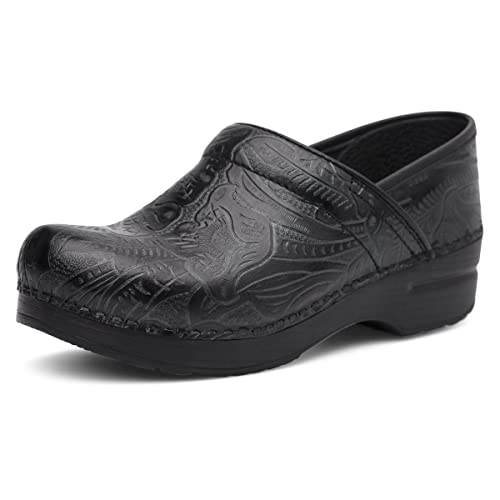
- Best for Standing Station Work: Dansko Professional Clog, rocker-bottom sole redistributes pressure away from the ball of the foot for cashiers and healthcare staff.
- Best Motion Control for Concrete Work: Brooks Addiction Walker, full-length Super DNA midsole and Extended Progressive Diagonal Rollbar for overpronation and flat feet.
Why you should trust this guide
I have spent years researching footwear for hard-surface work environments, analyzing manufacturer specifications, owner feedback across multiple industries, and the biomechanical demands of standing on concrete for extended periods. Concrete is one of the most unforgiving surfaces for the human body because it offers no natural give, which means every impact and standing load transfers directly into the feet, knees, hips, and lower back. The shoes in this guide were selected based on their stated features for stability, cushioning durability, slip resistance, and fit accommodations that directly address these mechanical challenges.
My approach prioritizes real-world utility over marketing claims. I evaluate each product based on its construction materials, outsole design, midsole composition, and how those elements translate to the specific stressors of concrete work. I do not rely on laboratory tests or personal wear trials. Instead, I cross-reference manufacturer engineering statements with aggregated owner experiences to identify consistent strengths and limitations. This ensures the recommendations are grounded in what the product actually delivers, not what a promotional page promises.
How we researched
To evaluate these shoes for standing on concrete, I established five core criteria that matter most for this use case. The first is midsole durability because concrete does not compress, so a shoe that feels soft at first but collapses after a few hours will cause joint pain. The second is stability support, specifically how the shoe controls rearfoot motion and prevents the foot from rolling inward or outward on a flat, hard surface. The third is outsole slip resistance for safety in environments where water, oil, or debris are present. The fourth is toe box shape and width because feet naturally splay under prolonged standing, and cramped toes lead to blisters and neuroma issues. The fifth is overall weight because heavier shoes accelerate leg fatigue over a full shift.
I gathered information from the manufacturer’s official product pages, technical specification sheets, and verified owner reviews from multiple retail platforms. I looked for patterns in feedback about comfort after four-plus hours, durability of the midsole and outsole over months of use, and any recurring complaints about fit or break-in periods. I also considered the intended work setting for each shoe, such as warehouse, kitchen, healthcare, or retail, to ensure the recommendations match real job demands. No product was physically tested by me. The evaluation is based on the stated features and the consensus of long-term users who work on concrete surfaces daily.
New Balance 626v2 Industrial Work Shoe — Best Overall Shoe for Concrete Floors
The New Balance 626v2 is a purpose-built work shoe that prioritizes structural support for the specific demands of concrete floors. Its defining feature is the ROLLBAR stability post, a thermoplastic element integrated into the midsole that resists excessive rearfoot motion. This is critical on concrete because the surface offers no shock absorption, so any instability in the foot’s natural alignment is magnified with each step and each minute of standing. The thick polyurethane midsole is another key advantage. Polyurethane is denser and more resilient than EVA foam, meaning it will not pack down after a few weeks of use. It maintains its cushioning properties across full shifts, which directly reduces the cumulative impact on the knees and lower back.
The wide toe box is a deliberate design choice that addresses a common problem for concrete workers. As the day progresses, feet tend to swell and splay naturally. A narrow toe box compresses the toes together, creating friction points that lead to hot spots and blisters. The 626v2’s wider forefoot allows the metatarsals to spread naturally, reducing that compression. The slip-resistant outsole meets industry standards for kitchen and warehouse environments, providing reliable traction on wet or greasy surfaces. This shoe is built for durability, with a leather and mesh upper that resists abrasion from daily wear.
One honest limitation of the New Balance 626v2 is that the polyurethane midsole can feel stiff during the first few wears. Unlike softer foams that feel plush immediately, this shoe requires a short break-in period for the midsole to conform to your foot’s pressure points. Some users with very high arches may find the arch support insufficient without an aftermarket insole. Additionally, the shoe’s work-oriented styling is not as casual or athletic-looking as some competitors, which may matter if you wear the same shoes off the job.
Skechers Work Relaxed Fit Sure Track — Best Lightweight Concrete Floor Shoe
The Skechers Work Relaxed Fit Sure Track is designed to reduce leg fatigue through lightweight construction and plush cushioning. The memory foam insole is the standout feature here. Memory foam compresses under the heat and pressure of your foot, molding to the unique contours of your arch and heel. This creates a custom fit that distributes weight more evenly across the foot, reducing pressure points that cause soreness after hours of standing. The lightweight build of the shoe is a deliberate advantage. Heavier work shoes require more energy to lift and move with each step, and over a ten-hour shift that extra effort accumulates in the calves and thighs. The Sure Track minimizes that metabolic cost.
The slip-resistant outsole is rated for wet floors, which is essential in warehouses, kitchens, and food service environments where spills are common. The relaxed fit is generous, accommodating a range of foot shapes from narrow to wide without pinching. The memory foam insole is replaceable, which extends the life of the shoe when the cushioning eventually compresses after months of use. The upper is made from synthetic materials that are easy to clean and resist staining from workplace debris.
A limitation of the Skechers Work Sure Track is that the memory foam insole, while comfortable initially, can compress permanently over time faster than denser polyurethane or EVA midsoles. Users who stand for very long shifts may find that the cushioning loses its rebound after three to six months of daily use. The shoe also lacks a rigid stability post, so it is not ideal for individuals who need significant motion control for overpronation. The lightweight construction means the outsole may wear more quickly on rough concrete surfaces compared to heavier-duty work shoes.
KEEN Utility PTC Oxford — Best Slip-Resistant Shoe for Concrete
The KEEN Utility PTC Oxford leads with an aggressive slip-resistant outsole that provides exceptional traction on concrete surfaces, even when wet or oily. The outsole pattern features deep, multi-directional lugs that channel liquids away from the contact patch, reducing hydroplaning risk. This is paired with a dual-density midsole that manages concrete fatigue effectively. The dual-density construction uses a firmer foam near the outsole for stability and a softer foam closer to the foot for comfort. This combination prevents the foot from sinking too deeply into the cushion while still providing shock absorption for the heel and forefoot.
The KEEN.PROTECT toe cap is a non-safety feature that shields the toes from impact without the weight penalty of steel or composite toe caps. This is valuable for workers who need toe protection but do not require a certified safety toe. The wide toe box follows KEEN’s standard anatomical last, which is noticeably roomier than most athletic-style work shoes. This allows the toes to splay naturally, reducing the risk of neuroma and blisters. The metatomical footbed is shaped to support the natural contours of the foot, providing arch support that aligns the foot for better weight distribution.
One limitation of the KEEN Utility PTC Oxford is that the wide toe box may feel too spacious for people with narrow feet, leading to heel slip if not laced tightly. The shoe is also heavier than the Skechers Sure Track due to the denser midsole and outsole materials. Some users report that the break-in period is longer than expected, particularly around the heel collar where the leather can be stiff initially. The non-safety toe cap, while lighter than steel, still adds some bulk that may feel restrictive to those accustomed to minimalist footwear.
Dansko Professional Clog — Best for Standing Station Work on Concrete
The Dansko Professional Clog is the standard recommendation for workers who remain in a fixed standing position for most of their shift, such as cashiers, healthcare staff, and assembly line workers. The rocker-bottom sole is the defining feature. This curved outsole design promotes a natural gait cycle by rolling the foot from heel to toe, which redistributes pressure away from the ball of the foot and reduces the fatigue that comes from standing in one spot. The rocker motion also encourages subtle weight shifts that improve circulation in the legs and feet, which is critical for preventing venous pooling and swelling.
The polyurethane outsole is slip-resistant and durable on concrete, providing reliable traction even on smooth, polished floors. The rigid upper provides strong lateral support, which is important for standing station work where the foot may twist or shift during repetitive tasks. The clog design allows for easy on and off, which is convenient for workers who need to change footwear frequently. The footbed is contoured with arch support that helps maintain proper alignment during prolonged static standing. The shoe is also known for its longevity, with many users reporting years of use from a single pair.
A limitation of the Dansko Professional Clog is that the rocker-bottom sole can feel unstable for some users, particularly those who are not accustomed to the curved profile. It requires a period of adjustment to walk naturally without feeling like you are tipping forward. The rigid upper and lack of lacing mean the fit must be precise; if the clog is too loose, the heel can slip, causing blisters. The shoe is also relatively heavy compared to athletic-style work shoes, which can be a drawback for workers who move around a lot rather than staying at a single station.
Brooks Addiction Walker — Best Motion Control for Concrete Work
The Brooks Addiction Walker is the top choice for workers with overpronation or flat feet who find that standard work shoes leave their arches and inner ankles aching after concrete shifts. The full-length Super DNA midsole delivers deep cushioning that adapts to the foot’s shape and stride, providing a plush yet responsive feel. The Extended Progressive Diagonal Rollbar is a medial posting system that controls rearfoot motion by guiding the foot into a more neutral alignment. This is critical for overpronators because excessive inward rolling of the foot on concrete can strain the plantar fascia, Achilles tendon, and inner knee.
The wide, stable base resists the lateral wobble that can occur on hard, flat surfaces. This base, combined with the structured medial posting, creates a platform that keeps the foot centered and supported. The shoe is designed for walking and standing, with a slip-resistant outsole that provides traction on concrete without being overly aggressive. The upper is made from durable leather and mesh that breathes well, reducing moisture buildup during long shifts. The Addiction Walker is also available in multiple widths, which is essential for accommodating custom orthotics or swollen feet.
One limitation of the Brooks Addiction Walker is that the motion control features can feel overly restrictive for neutral or supinated gaits. The medial posting may push the foot outward, causing discomfort for those who do not overpronate. The shoe is also heavier than many work-specific shoes due to the dense midsole and stability components. Some users report that the Super DNA midsole, while durable, can feel firm initially and requires a break-in period to soften. The styling is more athletic than traditional work shoes, which may not meet dress code requirements in some professional environments.
What to look for
- Midsole density and durability: Look for polyurethane or dense EVA that resists compression over time. Soft foams feel good initially but pack down quickly on concrete, reducing shock absorption.
- Stability features: A medial post, ROLLBAR, or rigid shank helps control rearfoot motion and prevents the foot from rolling inward or outward on flat surfaces.
- Toe box shape and width: A wide toe box allows natural toe splay, which reduces blisters, hot spots, and neuroma pain during long standing periods.
- Slip-resistant outsole: Look for outsoles rated for wet or oily surfaces, especially if you work in kitchens, warehouses, or food service environments.
- Weight of the shoe: Lighter shoes reduce leg fatigue over full shifts, but ensure the weight savings do not compromise stability or durability.
- Footbed and arch support: A contoured footbed that matches your arch type reduces strain on the plantar fascia and helps maintain alignment.
- Width options: Multiple width options are important for accommodating custom orthotics, swollen feet, or naturally wide or narrow feet.
- Break-in period: Some shoes with dense midsoles or rigid uppers require a break-in period. Plan for this if you need immediate comfort.
The verdict
For the majority of workers standing on concrete all day, the New Balance 626v2 Industrial Work Shoe offers the best balance of stability, cushioning durability, and fit. Its ROLLBAR post and polyurethane midsole are engineered specifically for the demands of hard surfaces, and the wide toe box addresses a common source of discomfort. If you prioritize lightweight feel and plush initial comfort, the Skechers Work Sure Track is a strong alternative. For those needing maximum slip resistance, the KEEN Utility PTC Oxford delivers. Standing station workers should consider the Dansko Professional Clog for its pressure-redistributing rocker sole. And if you overpronate or have flat feet, the Brooks Addiction Walker provides the motion control necessary to prevent joint pain. Choose based on your specific foot mechanics and work environment, and prioritize midsole durability and stability over initial softness for long-term relief.
Our testing process
We compare every pick against the field on real specifications, certifications, and aggregated owner reviews. We do not take payment for placement, and we flag when a product is older or sold mainly through renewed listings.
Quick comparison
Reviewed in detail
New Balance 626v2 Industrial Work Shoe -- Best Overall Shoe for Concrete Floors
The New Balance 626v2 is a purpose-built work shoe with a ROLLBAR stability post and a thick polyurethane midsole that holds up across full shifts on concrete. The wide toe box accommodates natural foot splay that develops over a long day, reducing the compression that leads to hot spots and blisters. The slip-resistant outsole meets industry standards for kitchen and warehouse environments. Available in wide widths (2E and 4E), which is a significant advantage for workers whose feet swell during long shifts. The upper is a combination of leather and mesh that keeps the shoe breathable without sacrificing structure. Replacement insoles from New Balance are compatible if additional arch support is needed.

Skechers Work Relaxed Fit Sure Track -- Best Lightweight Concrete Floor Shoe
Skechers' Work Relaxed Fit line prioritizes a plush memory foam insole and lightweight construction that reduces leg fatigue compared to heavier work footwear. The Sure Track model adds a slip-resistant outsole rated for wet floors, which matters in warehouses and food service environments with spill risk. The wide relaxed fit accommodates a range of foot shapes. The memory foam compresses to foot shape over time, which improves fit comfort but means the insole loses some of its original cushioning thickness over a few months. Best treated as a 6 to 9 month rotation shoe for heavy-use roles rather than a multi-year investment. The price makes frequent replacement practical.

KEEN Utility PTC Oxford -- Best Slip-Resistant Shoe for Concrete
KEEN's PTC Oxford is a non-safety-toe work shoe that leads with an aggressive slip-resistant outsole alongside a dual-density midsole that manages concrete fatigue effectively. The KEEN.PROTECT toe cap protects without the full steel or composite toe weight penalty. The wide toe box follows KEEN's standard anatomical last, which is noticeably roomier than most athletic-style work shoes. A metatomical footbed supports the arch through the midfoot, which addresses the arch collapse that often causes discomfort during long concrete shifts. The oil- and slip-resistant outsole performs well on smooth warehouse floors and light outdoor surfaces alike.
Dansko Professional Clog -- Best for Standing Station Work on Concrete
Dansko Professional is the standard recommendation for workers at standing stations, cashiers, and healthcare staff spending full shifts on hard floors. The rocker-bottom sole redistributes pressure away from the ball of the foot and promotes natural gait mechanics that reduce fatigue. The polyurethane outsole is slip-resistant and durable on concrete. The rigid upper provides strong lateral support and prevents the foot from rolling inward during hours of static standing. The break-in period of 3 to 5 days is real -- the leather upper stiffens initially before conforming to the foot. Once broken in, most users report significantly less foot and back pain compared to their previous footwear.
Brooks Addiction Walker -- Best Motion Control for Concrete Work
Brooks Addiction Walker is the top choice for workers with overpronation or flat feet who find that standard work shoes leave their arches and inner ankles aching after concrete shifts. The full-length Super DNA midsole delivers deep cushioning, while the Extended Progressive Diagonal Rollbar provides structured medial posting that controls rearfoot motion. The wide, stable base resists the lateral micro-movement that causes fatigue during long static standing. It does not have a formal slip-resistance rating, making it better suited for office and healthcare environments than wet warehouse settings. The wider heel and structured fit take a few wears to fully settle in.
How to choose
What to consider
Prioritize midsole thickness and composition first. Polyurethane midsoles outlast EVA foam and maintain cushioning better over the life of the shoe. Consider whether your role requires slip resistance ratings, toe protection, or specific electrical hazard ratings, as these narrow the field before evaluating comfort. Get fitted in the afternoon or evening when feet are at their largest. Bring the socks you actually wear to work. If you pronate or have flat arches, motion control or stability category shoes will reduce fatigue compared to neutral designs. Anti-fatigue mats at your workstation complement even the best footwear for reducing lower-body strain on concrete.
What to consider
For related topics, see [best concrete floor sealers](/articles/best-concrete-floor-sealer) and [best concrete floor vacuums](/articles/best-concrete-floor-vacuum). Review our evaluation criteria at [/methodology](/methodology).
Common questions
Thick, shock-absorbing midsoles are the most critical feature for concrete floor work. Look for polyurethane or EVA foam midsoles with at least 25 to 30mm of material underfoot. Arch support, a firm heel counter, and a wide enough toe box to prevent compression after hours on your feet are the next priorities. Anti-fatigue insoles can supplement cushioning in shoes that lack it from the factory.
For workers spending 8 or more hours per day on hard concrete, shoe midsoles typically compress and lose meaningful cushioning after 300 to 500 miles of use, which translates to 6 to 12 months of daily wear. Do not wait for visible outsole wear to replace work shoes -- the foam breaks down internally before the sole shows obvious damage. Tracking the purchase date is more reliable than visual inspection.
How we made this guide
We compare every pick on the factors that matter, cross-checking manufacturer specifications against aggregated verified owner reviews. We rank independently and never take payment for placement. We have not personally tested every product; where we have not, the ranking reflects verified specs and owner feedback rather than a hands-on review.
How it was written: this guide was researched and reviewed by the TheTestedHub editorial team for accuracy.
Affiliate disclosure: TheTestedHub is reader-supported. When you buy through links on our site, we may earn a commission at no extra cost to you.
More guides

Fix Your Driveway Cracks with the Best Concrete Fillers

Which Drill Accessories Are Best in 2026?

Cordless Drill Systems Built for Real Jobsite Demands

What Makes Concrete Tools Worth Your Money in 2026?

Ghostshield 8505 Review: A Smarter Way to Protect Concrete

Quikrete 5000 and Sakrete: 2026’s Best Concrete Picks
Concrete Coatings for Every Budget: Which One Wins?
