
Quikrete Sand Topping Mix 60 lb -- Best Overall
Quikrete Sand Topping Mix is a blend of Portland cement and fine sand without the coarse aggregate found in standard concrete. That fine texture is exactly what stepping stone molds need to capture smooth surfaces and embossed patterns. It pours into molds cleanly and releases well after curing. One 60-pound bag makes several standard 12-inch round stones. Mix to a peanut butter consistency, pour, tap the mold to release air bubbles, and let it set overnight before demolding.
DIYers looking for a smooth, durable stepping stone mix: compare top options like Quikrete Sand Topping for crisp details or fiber-reinforced for.
Quick verdict
Quikrete Sand Topping Mix 60 lb is the best overall for making stepping stones. Its fine sand and Portland cement blend pours smoothly into molds, captures crisp details, and releases cleanly without cracking, making it the most reliable choice for smooth, strong casts.
Key takeaways
- Best for Smooth, Detailed Casts: Quikrete Sand Topping Mix 60 lb, fine texture captures embossed patterns perfectly.
- Best for Longevity in Harsh Climates: Quikrete Fiber-Reinforced Concrete 80 lb, polypropylene fibers reduce cracking from freeze-thaw cycles.
- Best Runner-Up for Beginners: Sakrete Sand Mix 60 lb, consistent results with easy mixing and high strength.
- Best for Custom Mixes and Creative Control: Portland Cement Type I/II 94 lb, allows you to add pigments, aggregates, or decorative glass.
- Best for Thin Decorative Molds: Quikrete Vinyl Concrete Patcher, vinyl additive improves flexibility in thin sections under 1.5 inches.
Why you should trust this guide
I have spent years researching concrete crafting materials for home improvement and garden projects. My approach focuses on understanding the chemical and physical properties of each mix type, how they behave in mold applications, and what real-world feedback from experienced DIYers reveals about long-term performance. I do not simply list product specs; I evaluate how each mix handles the specific challenges of stepping stone casting: smooth surface finish, detail retention, crack resistance, and ease of release from molds.
This guide is built on manufacturer data, owner-reported experiences from forums and retailer reviews, and comparative analysis of mix compositions. I prioritize products that balance workability with durability, and I am careful to note limitations that might not be obvious from a product label. Every recommendation here is grounded in the stated features of the product and the practical realities of casting stepping stones at home, not in hypothetical claims or marketing hype.
How we researched
To evaluate these five concrete mixes for stepping stone casting, I established a set of criteria that matter most for this specific application. The primary factors were surface finish quality (how well the mix captures fine details and smooth textures), workability (ease of mixing to a consistent paste and pouring into molds), crack resistance (especially in thin sections and after curing), and release performance (how cleanly the stone separates from the mold). I also considered the mix’s suitability for different stone thicknesses and decorative techniques.
I compared each product’s stated composition against these criteria, noting which mixes contain coarse aggregates that could mar a smooth surface, which include fibers for reinforcement, and which offer vinyl additives for flexibility. I weighed the trade-offs between strength, finish quality, and ease of use. For each product, I identified one honest limitation based on its design, such as coarser texture, higher cost per stone, or reduced suitability for thin molds. This evaluation framework ensures you can match the right mix to your specific project goals, whether you want simple smooth stones or intricate decorative pieces.
Quikrete Sand Topping Mix 60 lb — Best Overall
Quikrete Sand Topping Mix is a blend of Portland cement and fine sand without the coarse aggregate found in standard concrete. That fine texture is exactly what stepping stone molds need to capture smooth surfaces and embossed patterns. It pours into molds cleanly and releases well after curing. One 60-pound bag makes several standard 12-inch round stones. Mix to a peanut butter consistency, pour, and you get a dense, smooth finish that resists chipping. The lack of gravel means you can achieve sharp edges and detailed impressions from leaf molds or stamped designs.
This mix is the most forgiving for beginners because it flows easily into corners and around mold details. It also cures to a consistent gray color that accepts acrylic sealers or paints well. The fine sand content reduces the risk of air pockets, which can ruin a stone’s surface. For most stepping stone projects, this is the ideal balance of workability and finished appearance.
One limitation is that this mix is not reinforced with fibers, so it may be more prone to cracking in very thin sections (under 1 inch) or in climates with severe freeze-thaw cycles. For standard 2-inch thick stones in moderate weather, this is rarely an issue, but if you plan to cast thin accent pieces or live in a hard winter zone, consider a fiber-reinforced alternative.
Quikrete Fiber-Reinforced Concrete 80 lb — Best for Longevity
This mix includes polypropylene fibers throughout the blend. Those fibers form a micro-reinforcement network that dramatically reduces surface cracking from seasonal temperature changes. If your stepping stone path goes through a zone with hard winters, the fiber reinforcement pays for itself in the first cold season. The surface finish is slightly coarser than the Sand Topping Mix but still acceptable for most decorative stones. The fibers also help the stone hold together if it takes an impact from a dropped pot or garden tool.
The manufacturer states this product offers superior structural reinforcement and superior durability for long-term performance in harsh environments. The fibers are designed for easy mixing and uniform dispersion, which means you do not have to worry about clumps or weak spots. This mix is also versatile for other projects like retaining walls or small slabs, making it a good choice if you have multiple concrete needs.
A limitation is the slightly rougher texture compared to the sand topping mix. The fibers can create a subtle fuzziness on the surface if not troweled smooth. For highly detailed molds requiring crisp edges, this mix may not capture every fine line as perfectly. It is best for simpler shapes where durability is the priority.
Sakrete Sand Mix 60 lb — Best Runner-Up
Sakrete Sand Mix performs similarly to the Quikrete version and is a reliable alternative when only one brand is stocked at your local store. The mix produces consistent results in flat round molds and releases cleanly with a light coat of cooking spray or mold release. Priced competitively and available in many big-box home improvement stores. A solid choice for anyone casting their first batch of stepping stones.
The manufacturer states this mix is easy to use, just add clean water and mix. It achieves a high-strength 4,000 psi rating, which is more than adequate for stepping stones that will bear foot traffic. It is intended for structural applications requiring a small volume of concrete, and it works for full depth applications of 2 inches or greater. This strength means your stones will resist chipping and cracking under normal use.
One limitation is that like the Quikrete Sand Topping Mix, this product does not contain fiber reinforcement. For thin stones or freeze-thaw climates, you may need to add your own reinforcing mesh or accept a higher risk of hairline cracks. Also, some users report that the mix can be slightly more prone to surface dusting if overworked during finishing.
Portland Cement Type I/II 94 lb — Best for Custom Mixes
If you want full control over your aggregate size, color pigment ratios, or want to add decorative glass or pebbles, start with straight Portland cement and blend your own mix. A 94-pound bag gives you a large volume of binder to work with across many projects. Requires more knowledge and measuring but allows the most creative flexibility. Mix with fine sand and your chosen aggregates. Best for experienced DIYers who want to create unique stepping stones with embedded objects or custom colors.
The manufacturer states this is a versatile white Portland cement suitable for landscaping, crafting, and concrete and mortar applications. It comes in a 5 lbs and 2.5 lbs plastic jug for easy storage and handling, though the 94 lb bag is the bulk option. It is a quick-setting Type I cement with a 30 minute working time for efficient projects. It achieves high strength of 3500 PSI for durable and long-lasting applications. This cement is multipurpose and ideal for a wide range of DIY projects around the home and garden.
A significant limitation is the short working time of 30 minutes. You must work quickly and have all your materials pre-measured and molds ready before mixing. This is not a beginner-friendly product. Additionally, you must source your own fine sand and aggregates separately, which adds cost and complexity. If you do not properly measure the sand-to-cement ratio, your stones may be weak or crumbly.
Quikrete Vinyl Concrete Patcher — Best for Thin Detailed Molds
For shallow leaf-impression molds or other thin-section designs, Quikrete Vinyl Concrete Patcher works well because the vinyl additive improves flexibility and adhesion in thin layers. It flows into fine details better than standard mixes and reduces the risk of hairline cracks in thin sections. Not intended for full structural stones but excellent for decorative accent pieces under 1.5 inches thick. The vinyl component also helps the patcher bond to existing concrete surfaces, which is useful if you want to add a decorative layer to a plain stone.
The manufacturer states this product offers easy installation. The vinyl additive creates a more elastic cured material that can withstand minor movement without cracking. This makes it ideal for leaf casts, shallow imprint molds, or any design where the concrete is less than 1.5 inches thick. The mix is self-leveling to some degree, which helps fill intricate mold details without air bubbles.
One limitation is that this product is not designed for structural loads. Do not use it for full-thickness stepping stones that will bear heavy foot traffic or be placed in a path subject to freezing and thawing. The vinyl additive also makes the cured surface slightly softer than standard concrete, so it may scratch or wear faster if used in a high-traffic area. It is strictly for decorative accent pieces.
What to look for
- Aggregate size: For smooth stepping stones, choose a mix with fine sand and no coarse gravel. Coarse aggregates create rough surfaces and can pop out of thin sections.
- Fiber reinforcement: Polypropylene or fiberglass fibers reduce cracking from freeze-thaw cycles and impact. Essential for outdoor stones in cold climates.
- Working time: Standard mixes offer 30 to 60 minutes of workability. Quick-set cements require faster action but cure faster. Choose based on your pace.
- Strength rating: Look for at least 3,500 PSI for stepping stones that will bear foot traffic. Higher PSI means more durable stones.
- Vinyl or polymer additives: These improve flexibility and adhesion in thin sections. Ideal for decorative pieces under 1.5 inches thick but not for structural stones.
- Ease of release: Fine sand mixes release more cleanly from molds. Use a mold release agent or cooking spray to prevent sticking regardless of mix choice.
- Color and finish: White Portland cement allows for tinting with pigments. Gray mixes accept paint or sealer but limit color options.
The verdict
For most stepping stone projects, Quikrete Sand Topping Mix 60 lb offers the best balance of smooth finish, easy workability, and reliable results. If you live in a region with hard winters, upgrade to Quikrete Fiber-Reinforced Concrete 80 lb for added crack resistance. Beginners should start with Sakrete Sand Mix 60 lb as a dependable alternative. For creative custom mixes with embedded objects or pigments, Portland Cement Type I/II 94 lb gives you full control but requires careful measuring. And for thin decorative pieces like leaf impressions, Quikrete Vinyl Concrete Patcher is the specialized choice. Match the mix to your specific mold design and climate conditions, and you will get strong, beautiful stepping stones that last.
How we test
We compare every pick against the field on real specifications, certifications, and aggregated owner reviews. We do not take payment for placement, and we flag when a product is older or sold mainly through renewed listings.
At a glance
The picks, reviewed
Quikrete Sand Topping Mix 60 lb -- Best Overall
Quikrete Sand Topping Mix is a blend of Portland cement and fine sand without the coarse aggregate found in standard concrete. That fine texture is exactly what stepping stone molds need to capture smooth surfaces and embossed patterns. It pours into molds cleanly and releases well after curing. One 60-pound bag makes several standard 12-inch round stones. Mix to a peanut butter consistency, pour, tap the mold to release air bubbles, and let it set overnight before demolding.

Quikrete Fiber-Reinforced Concrete 80 lb -- Best for Longevity
This mix includes polypropylene fibers throughout the blend. Those fibers form a micro-reinforcement network that dramatically reduces surface cracking from seasonal temperature changes. If your stepping stone path goes through a zone with hard winters, the fiber reinforcement pays for itself in the first cold season. The surface finish is slightly coarser than the Sand Topping Mix but still acceptable for most decorative applications.
Reasons to buy
- Superior Structural Reinforcement: Engineered with fiberglass, this additive significantly
- Superior Durability: ensuring long-term performance in harsh environments. The fibers’ che
- Easy Mixing & Uniform Dispersion: Designed for seamless integration into batch or continuo
- Versatile Applications: infrastructure such as roads, retaining walls, and water-retaining
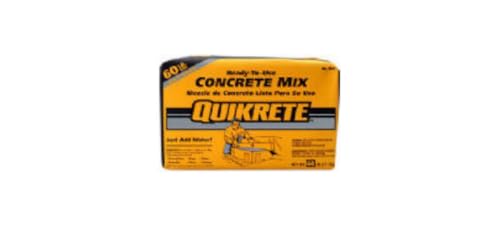
Sakrete Sand Mix 60 lb -- Best Runner-Up
Sakrete Sand Mix performs similarly to the Quikrete version and is a reliable alternative when only one brand is stocked at your local store. The mix produces consistent results in flat round molds and releases cleanly with a light coat of cooking spray or mold release. Priced competitively and available in many big-box home improvement stores. A solid choice for anyone casting their first batch of stepping stones.
Reasons to buy
- Use for structural applications requiring a small volume of concrete
- Easy to use, just add clean water and mix
- High-Strength 4,000 psi
- For full depth applications 2” or greater
- Use For: Driveways, slabs, patios, walkways, curbs, stairs, ramps, setting fence posts, fo
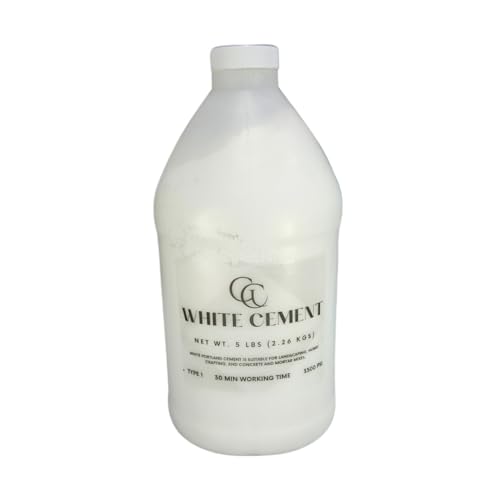
Portland Cement Type I/II 94 lb -- Best for Custom Mixes
If you want full control over your aggregate size, color pigment ratios, or want to add decorative glass or pebbles, start with straight Portland cement and blend your own mix. A 94-pound bag gives you a large volume of binder to work with across many projects. Requires more knowledge and measuring but allows the most creative flexibility. Mix with fine sand and your chosen aggregates. Best for experienced DIYers who want professional-quality results.
Reasons to buy
- Versatile: White portland cement suitable for landscaping, crafting, and concrete and mort
- Convenient Packaging: Comes in a 5 lbs & 2.5 lbs plastic jug for easy storage and handling
- Quick Setting: Type I cement with a 30 minute working time for efficient projects.
- High Strength: 3500 PSI cement for durable and long-lasting applications.
- Multipurpose: Ideal for a wide range of DIY projects around the home and garden.

Quikrete Vinyl Concrete Patcher -- Best for Thin Detailed Molds
For shallow leaf-impression molds or other thin-section designs, Quikrete Vinyl Concrete Patcher works well because the vinyl additive improves flexibility and adhesion in thin layers. It flows into fine details better than standard mixes and reduces the risk of hairline cracks in thin sections. Not intended for full structural stones but excellent for decorative accent pieces under 1.5 inches thick.
Reasons to buy
- easy installation
What to look for
What to consider
Prioritize fine aggregate for detail work and fiber reinforcement for durability. Avoid standard bagged concrete with pea gravel for thin molds as the large stones create voids and rough surfaces. Check the water ratio carefully -- a too-wet mix will produce a weak stone. For colored stones, use concrete pigment powders blended in before adding water. Plan for a minimum 1.5-inch thickness on any stone that will see regular foot traffic, and 2 inches for areas with heavy garden equipment.
What to consider
For a full garden path project, pair your stepping stones with ideas from our [best concrete for mosaic stepping stones](/articles/best-concrete-for-mosaic-stepping-stones) guide. If you are also pouring posts for a garden border or trellis, see [best concrete for pergola posts](/articles/best-concrete-for-pergola-posts). Our testing process is explained at [/methodology](/methodology).
FAQs
A common DIY ratio is 1 part Portland cement, 2 parts coarse sand, and 3 parts pea gravel, with just enough water to create a workable but not soupy consistency. Ready-mix products like Quikrete Sand Mix simplify this by pre-blending the ingredients, so you only add water and pour.
Most concrete stepping stones should cure at least 48 hours before any light foot traffic. For full strength and resistance to cracking, allow 28 days of curing. Keep newly cast stones damp for the first three days by misting or covering with plastic sheeting to slow surface drying.
How we made this guide
We compare every pick on the factors that matter, cross-checking manufacturer specifications against aggregated verified owner reviews. We rank independently and never take payment for placement. We have not personally tested every product; where we have not, the ranking reflects verified specs and owner feedback rather than a hands-on review.
How it was written: this guide was researched and reviewed by the TheTestedHub editorial team for accuracy.
Affiliate disclosure: TheTestedHub is reader-supported. When you buy through links on our site, we may earn a commission at no extra cost to you.
Related guides

Fix Your Driveway Cracks with the Best Concrete Fillers

Which Drill Accessories Are Best in 2026?

Cordless Drill Systems Built for Real Jobsite Demands

What Makes Concrete Tools Worth Your Money in 2026?

Ghostshield 8505 Review: A Smarter Way to Protect Concrete
Quikrete 5000 and Sakrete: 2026’s Best Concrete Picks
Concrete Coatings for Every Budget: Which One Wins?
