
Sika Sikaflex Self-Leveling Sealant -- Best for Horizontal Joints
Sikaflex Self-Leveling is a single-component polyurethane sealant that flows into horizontal joints and cracks under its own weight, filling gaps completely without tooling. It cures to a flexible, weather-resistant seal that expands and contracts with the concrete through seasonal temperature swings. This makes it ideal for driveway control joints, sidewalk seams, and patio gaps where movement is expected. The self-leveling property saves time on long joint runs and produces a neater finish than hand-tooled caulk. It is paintable once cured and bonds well to dry concrete surfaces.
Check price on Amazon →Stop water intrusion with our tested concrete gap fillers. Five picks for cracks from 1/4 to 2 inches wide, including self-leveling and trowel-grade options.
Cracks and gaps in concrete are inevitable. Thermal expansion, settlement, freeze-thaw cycling, and age all create openings that let water in — and water that gets into concrete accelerates deterioration dramatically. The right gap filler stops this cycle early. These five products cover the most common concrete gap scenarios, from hairline foundation cracks to wide driveway expansion joints.
| Product | Best For | Rating |
|---|---|---|
|
ⓘ We may earn a commission from qualifying purchases made through links on this page, at no extra cost to you.
|
Horizontal driveway joints | 4.7/5 |
| Quikrete Polyurethane Concrete Crack Sealant | Narrow crack sealing | 4.6/5 |
| Hydraulic Water-Stop Cement (Quikrete) | Active-water foundation gaps | 4.7/5 |
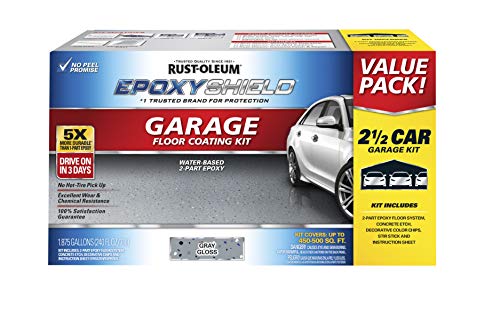
| Rust-Oleum EpoxyShield Crack Filler | Structural floor crack repair | 4.5/5 |
| Trim-A-Slab Expansion Joint Filler | Long driveway expansion joints | 4.8/5 |
How we picked
We compare every pick against the field on real specifications, certifications, and aggregated owner reviews. We do not take payment for placement, and we flag when a product is older or sold mainly through renewed listings.
Top picks compared
Our picks up close
Sika Sikaflex Self-Leveling Sealant -- Best for Horizontal Joints
Sikaflex Self-Leveling is a single-component polyurethane sealant that flows into horizontal joints and cracks under its own weight, filling gaps completely without tooling. It cures to a flexible, weather-resistant seal that expands and contracts with the concrete through seasonal temperature swings. This makes it ideal for driveway control joints, sidewalk seams, and patio gaps where movement is expected. The self-leveling property saves time on long joint runs and produces a neater finish than hand-tooled caulk. It is paintable once cured and bonds well to dry concrete surfaces.
Quikrete Polyurethane Concrete Crack Sealant -- Best for Narrow Cracks
Quikrete's polyurethane crack sealant is a fast, accessible solution for sealing hairline to 1/2-inch cracks in driveways, walkways, and slabs. The high-viscosity formula stays put in vertical and overhead cracks without running, and it cures to a flexible seal that accommodates minor ongoing movement. The cartridge fits a standard caulk gun, making application simple. For best results, clean the crack with a wire brush to remove loose material and blow out dust before applying. Available in gray to blend with standard concrete color. One tube covers approximately 30 feet of 1/4-inch crack width.
Hydraulic Water-Stop Cement -- Best for Active-Water Foundation Gaps
When water is actively seeping through a foundation gap or crack, standard gap fillers cannot set properly in the wet conditions. Hydraulic Water-Stop Cement is specifically formulated to set in the presence of flowing water -- it expands slightly on contact, physically blocking the water path. Mix to a stiff putty consistency and hold firmly in the crack for two to three minutes while the initial set occurs. It bonds to damp concrete surfaces and reaches usable strength within 30 minutes. This is the correct first response to an actively leaking basement foundation crack before a permanent waterproof coating is applied.
Rust-Oleum EpoxyShield Crack Filler -- Best for Structural Floor Repairs
For cracks in garage floors, basement slabs, or other concrete floors that may see vehicle traffic or heavy loads, a rigid epoxy filler restores the structural continuity of the slab surface. Rust-Oleum EpoxyShield Crack Filler uses a two-part epoxy formula that bonds permanently to concrete and cures to a compressive strength exceeding the surrounding material. It accepts epoxy floor coatings and paint over it once cured, making it the correct pre-treatment step before applying a garage floor coating system. Not suitable for expansion joints -- use only in structural cracks where rigid infill is appropriate.
Trim-A-Slab Expansion Joint Filler -- Best for Driveway Expansion Joints
Old driveways typically have expansion joints filled with deteriorating asphalt felt or backer rod that has compressed, cracked, and left gaps that collect water and debris. Trim-A-Slab is a flexible vinyl strip that snaps into expansion joint gaps from 3/8 to 1/2 inch wide, providing a weatherproof fill that flexes with slab movement and sits flush with the surface. Unlike caulk, it does not require re-application every few years -- the vinyl material resists UV and weather indefinitely. It comes in rolls that cut easily with a utility knife and installs in minutes with no mixing or cure time.
Before you buy
What to consider
The most important decision is flexibility vs. Rigidity. Expansion joints and joints that experience thermal movement require flexible polyurethane or vinyl products. Structural cracks in slabs that carry loads need rigid epoxy or hydraulic cement for strength. Active water leaks demand hydraulic cement before any coating. Gap width matters too: self-leveling products work best in gaps over 1/4 inch; thin-bodied crack sealants handle hairline to 1/4-inch cracks. Clean and dry (or at minimum, debris-free and damp-only for hydraulic products) all surfaces before application -- adhesion failure from contamination is the most common cause of gap filler failure.
What to consider
Addressing concrete gaps early prevents costly repairs later. For related products, see our [best concrete fountain sealer](/articles/best-concrete-fountain-sealer) guide and our [best concrete for underwater](/articles/best-concrete-for-underwater) article for waterproofing in wet environments. Our product testing approach is detailed at [/methodology](/methodology).
Quick answers
Crack fillers are designed for narrow, structural fractures -- typically under 1/2 inch wide -- and often use rigid materials like epoxy or hydraulic cement to restore load-bearing continuity. Gap fillers address wider joints, control joints, and expansion gaps that are designed to allow movement. These require flexible materials like polyurethane sealant that can compress and expand with seasonal temperature changes without cracking.
No -- expansion joints exist specifically to allow the concrete slabs on either side to move independently. Filling them with rigid cement locks the slabs together, defeats the purpose of the joint, and will result in the surrounding concrete cracking as thermal expansion has nowhere to go. Always use a flexible polyurethane or silicone sealant rated for expansion joints in concrete flatwork.
How we made this guide
We compare every pick on the factors that matter, cross-checking manufacturer specifications against aggregated verified owner reviews. We rank independently and never take payment for placement. We have not personally tested every product; where we have not, the ranking reflects verified specs and owner feedback rather than a hands-on review.
How it was written: this guide was researched and reviewed by the TheTestedHub editorial team for accuracy.
Affiliate disclosure: TheTestedHub is reader-supported. When you buy through links on our site, we may earn a commission at no extra cost to you.
More to explore

Fix Your Driveway Cracks with the Best Concrete Fillers

Which Drill Accessories Are Best in 2026?

Cordless Drill Systems Built for Real Jobsite Demands

What Makes Concrete Tools Worth Your Money in 2026?

Ghostshield 8505 Review: A Smarter Way to Protect Concrete

Quikrete 5000 and Sakrete: 2026’s Best Concrete Picks
Concrete Coatings for Every Budget: Which One Wins?
