Quikrete Concrete Crack Seal -- Best Self-Leveling Patio Repair
For narrow cracks under half an inch wide on a horizontal patio slab, Quikrete Concrete Crack Seal is the fastest and cleanest solution. Shake the bottle, cut the tip to the crack width, and pour it directly into the crack. It self-levels, eliminating trowel work, and flows into irregular crack geometry better than any trowelable product. It cures to a gray color and slight flexibility, which helps it survive the thermal movement outdoor concrete experiences. Best used on flat or near-flat crack sections; on cracks with significant slope the material may run before it sets.
Check price on Amazon →Homeowners needing a durable outdoor slab repair will find targeted solutions for thin cracks, deep holes, and flexible fixes. Compare top-rated patching.
Quick verdict
Quikrete Vinyl Concrete Patcher is the single best pick for most patio crack repairs because it handles everything from thin surface fractures to deep holes, offers superior freeze-thaw resistance, and bonds reliably to old concrete without special mixing.
Key takeaways
- Best for Self-Leveling Narrow Cracks: Quikrete Concrete Crack Seal, pours and levels itself with no trowel work needed.
- Best for Flexible Outdoor Crack Repair: Sika SikaFlex 1a, stays permanently flexible to handle moving concrete without cracking at the edges.
- Best for Deep Outdoor Fills: Damtite Concrete Super Patch, fills voids up to 2 inches deep in a single pass without sagging.
- Best for Surface Cracks and Chips: Rust-Oleum Concrete Patch and Repair, pre-mixed and sandable for smooth, paint-ready finishes.
- Best General Outdoor Patch: Quikrete Vinyl Concrete Patcher, broad application range with strong adhesion and freeze-thaw durability.
Why you should trust this guide
I have spent years researching concrete repair products, reading owner feedback across dozens of forums and retailer reviews, and comparing manufacturer specifications for outdoor patching materials. Concrete patio cracks are a unique problem because they combine structural movement, water exposure, freeze-thaw cycles, and the need for a finish that looks acceptable in a living space. Many products that work indoors fail outdoors within a single season. This guide is built on understanding what properties matter for outdoor slabs, not on a single test bench.
Every product listed here was selected because it addresses a specific failure mode that patio owners encounter. I looked for products with proven track records in real-world conditions, not just marketing claims. I prioritized products that bond to damp concrete, resist UV degradation, and tolerate the expansion and contraction that outdoor slabs experience. The recommendations reflect what experienced homeowners and contractors consistently report works, and what does not, for horizontal outdoor concrete repair.
How we researched
I evaluated these products against five criteria that determine success or failure on outdoor patio slabs. The first criterion is adhesion to aged concrete, because new patching material must bond to old, weathered, often dirty concrete without delaminating. The second is flexibility or crack-bridging ability, since outdoor concrete moves with temperature changes and ground settling. The third is application ease for a homeowner working outdoors, including mixing requirements, working time, and cleanup. The fourth is durability against weather, specifically freeze-thaw cycling and UV exposure. The fifth is appearance after cure, including color match and the ability to accept paint or stain.
For each product, I analyzed manufacturer technical data sheets, independent owner reviews from multiple sources, and documented failure patterns reported by experienced masons. I weighed how each product handles the specific crack geometry it claims to address, from hairline surface cracks to deep structural voids. Products that require special tools or skills were noted, as were products that demand perfect surface preparation to work. The final selection represents the best match between a product’s stated capabilities and the most common patio crack scenarios homeowners actually face.
Quikrete Concrete Crack Seal — Best Self-Leveling Patio Repair
For narrow cracks under half an inch wide on a horizontal patio slab, Quikrete Concrete Crack Seal is the fastest and cleanest solution. You shake the bottle, cut the tip to match the crack width, and pour it directly into the crack. It self-levels, which eliminates the need for any trowel work, and it flows into irregular crack geometry better than any trowelable product. This makes it ideal for those winding, branching cracks that are common on older patios where a putty knife cannot reach every crevice.
The product cures to a gray color that blends reasonably well with most concrete surfaces, and it retains slight flexibility after curing. That flexibility is important because even narrow cracks in outdoor slabs experience minor movement from temperature changes. The self-leveling property is the real advantage here, because it means you do not have to worry about tool marks, air pockets, or uneven surfaces. You simply pour and walk away. One honest limitation is that this product is not suitable for cracks wider than half an inch, and it will not fill deep voids beneath the surface. If your crack has a hollow sound when tapped, you need a thicker product underneath.
Another limitation is that the bottle tip can clog if you cut it too small or if the product begins to skin over during application. You need to work quickly once the tip is cut, and you should have a wire or nail handy to clear the nozzle if needed. The cured finish is slightly recessed compared to the surrounding concrete, which is normal for a self-leveling sealant, but it may not look perfectly flush if you want an invisible repair. For narrow, clean cracks on a flat patio, however, this is the most efficient option available.
Sika SikaFlex 1a — Best Flexible Outdoor Crack Repair
Outdoor patio cracks are almost always moving cracks. Rigid fills applied to moving concrete fail at the edges within a season or two, creating a new crack right next to the repair. SikaFlex 1a is a one-component polyurethane that cures to a paintable, permanently flexible seal. It bonds aggressively to concrete, masonry, and most adjacent materials, and it resists UV degradation and freeze-thaw cycling. After curing, it accepts concrete paint or stain, so you can match the surrounding slab color.
This product is particularly well-suited for expansion joints and control joints that have opened up over time, because those joints are designed to move. A rigid filler in an expansion joint will crack immediately. SikaFlex 1a stays flexible and moves with the joint, preventing water from getting underneath the slab and causing frost heave. It also works well for cracks that run along the edge of the patio where it meets the house foundation, because that interface experiences significant differential movement. The polyurethane chemistry gives it excellent adhesion even to slightly damp concrete, which is common in outdoor repairs.
The main limitation of SikaFlex 1a is that it is not a structural repair. It will not restore load-bearing capacity to a cracked slab, and it should not be used to fill deep voids or holes. It is a sealant, not a patching compound. Another limitation is that it requires a clean, dry surface for maximum adhesion, and it can be messy to apply because the polyurethane is sticky and difficult to remove from skin or tools. You need disposable gloves and a solvent for cleanup. The cure time is also longer than some other products, typically 24 to 48 hours before it can be painted or exposed to foot traffic.
Damtite Concrete Super Patch — Best for Deep Outdoor Fills
Some patio cracks are not just wide but deep, with voids beneath the slab surface that swallow thin products. Damtite Super Patch is a polymer-fortified cement repair mortar with enough body to fill in one pass up to 2 inches deep. It bonds strongly to existing concrete, resists water infiltration, and tolerates the outdoor exposure that would cause lighter-duty interior products to degrade. The polymer additive gives it flexibility and adhesion that standard mortar lacks, which is critical for outdoor slabs that freeze and thaw.
This product works well for spalled areas where the concrete surface has delaminated, leaving a shallow depression, and for cracks that have eroded underneath due to water runoff. You mix it with water to a stiff consistency, then trowel it into the void. It does not sag or slump in deep fills, which is a common problem with thinner patching compounds. The cured finish is hard and durable, and it can be walked on within a few hours in warm weather. It also takes concrete stain or paint well after a full cure.
The honest limitation of Damtite Super Patch is that it requires mixing and troweling, which means more skill and more cleanup than a squeeze-tube product. The working time is limited, typically 20 to 30 minutes, so you need to mix only what you can apply in that window. It also has a coarse texture compared to finer patching compounds, so if you want a glass-smooth finish, you will need to sand or grind it after curing. For deep voids and structural fills, however, this product is far more reliable than using a thin sealant or a lightweight patcher.
Rust-Oleum Concrete Patch and Repair — Best for Surface Cracks and Chips
When patio cracks are more surface than depth, such as spalling edges, chipped steps, and fine-network cracks, Rust-Oleum Concrete Patch and Repair delivers a smooth, paint-ready surface in a tub-style pre-mixed format. No mixing is required beyond stirring, and it applies directly with a putty knife. It feathers to thin edges, which means you can blend it into the surrounding concrete without a visible transition. Once cured, it sands easily, so you can achieve a flush finish that matches the slab level.
This product is ideal for cosmetic repairs where the structural integrity of the slab is not compromised. It works well on hairline cracks that are too small for a caulk-style product but too large to ignore, and on chipped corners where a small piece of concrete has broken away. The pre-mixed consistency saves time and eliminates the guesswork of water-to-powder ratios. It also has a smooth, creamy texture that spreads easily and does not drag under the knife. The cured surface is paintable with concrete paint or stain, making it a good choice for patios where appearance matters.
The limitation of Rust-Oleum Concrete Patch and Repair is that it is not designed for deep or wide structural cracks. If you try to fill a crack deeper than about a quarter inch, it will shrink and crack as it dries. It also has limited freeze-thaw resistance compared to polymer-fortified mortars, so it is best suited for covered patios or mild climates. For deep spalls or cracks that see heavy foot traffic, this product may not hold up over multiple winters. It is a surface repair, not a structural one, and should be used accordingly.
Quikrete Vinyl Concrete Patcher — Best General Outdoor Patch
The vinyl concrete patcher’s broad application range and strong track record earn it a place on any outdoor repair list. On patios it works for cracks from thin surface fractures to holes and spalled sections requiring body fill. The vinyl polymer additive gives it better adhesion and freeze-thaw resistance than standard mortar, which matters enormously for outdoor applications in cold climates. Mix it with water to a paste or a stiff mortar consistency depending on the repair depth, and trowel it into place.
This product is the most versatile option in this guide because it can be used for both thin skim coats and thick fills. For a shallow surface crack, you mix it thin and brush it in. For a deep hole, you mix it stiff and pack it in layers. The vinyl polymer creates a flexible bond that absorbs minor movement without cracking, and it adheres well to old concrete even if the surface is slightly damp. The cured finish is a natural concrete gray that blends acceptably with most existing slabs, and it can be painted or stained after 24 hours.
The honest limitation of Quikrete Vinyl Concrete Patcher is that it requires mixing, which introduces the risk of incorrect water ratios. Too much water weakens the bond and causes shrinkage cracking. Too little water makes it unworkable. You also need to work within a 30-minute window before it stiffens. Another limitation is that it is not self-leveling, so you need to trowel and shape the repair, which takes practice to get a smooth finish. For a homeowner who wants a single product that can handle most patio crack situations, however, this is the most reliable choice.
What to look for
- Crack width and depth: Measure your crack before buying. Self-leveling liquids work for narrow cracks under half an inch. Thick mortars are needed for deeper voids. Surface patchers work only for shallow chips and hairline cracks.
- Flexibility: Outdoor concrete moves with temperature changes. A rigid filler will crack at the edges. Look for products labeled as flexible, elastomeric, or polymer-modified for moving cracks and expansion joints.
- Freeze-thaw resistance: If your patio is in a climate that freezes, choose a product specifically rated for outdoor use. Vinyl polymer and polyurethane formulas typically handle freeze-thaw better than basic cement mixes.
- Adhesion to old concrete: New material must bond to weathered, often dirty concrete. Products with polymer additives or polyurethane chemistry generally offer better adhesion than plain cement patchers.
- Application method: Consider your skill level. Squeeze-tube products require no mixing and minimal cleanup. Powder products that require mixing offer more versatility but demand more precision and faster work.
- Cure time and paintable surface: Some products cure in hours, others take days. If you plan to paint or stain the repair, check the manufacturer’s recommendation for recoat time.
The verdict
For the typical homeowner who needs one product to handle most patio crack situations, Quikrete Vinyl Concrete Patcher offers the best balance of versatility, durability, and ease of use. It handles thin cracks, deep holes, and spalled areas with a single mix, and its freeze-thaw resistance makes it reliable in cold climates. If your crack is narrow and you want the easiest possible application, choose Quikrete Concrete Crack Seal for its self-leveling pour. If you are repairing an expansion joint or a crack that runs along the house foundation, Sika SikaFlex 1a provides the permanent flexibility that rigid fillers lack. For deep voids that swallow thin products, Damtite Concrete Super Patch fills in one pass without sagging. And for purely cosmetic surface chips and hairline cracks, Rust-Oleum Concrete Patch and Repair delivers a smooth, sandable finish that paints beautifully. Match the product to your crack type, and your repair will last through many seasons.
Our methodology
We compare every pick against the field on real specifications, certifications, and aggregated owner reviews. We do not take payment for placement, and we flag when a product is older or sold mainly through renewed listings.
Side by side
The full reviews
Quikrete Concrete Crack Seal -- Best Self-Leveling Patio Repair
For narrow cracks under half an inch wide on a horizontal patio slab, Quikrete Concrete Crack Seal is the fastest and cleanest solution. Shake the bottle, cut the tip to the crack width, and pour it directly into the crack. It self-levels, eliminating trowel work, and flows into irregular crack geometry better than any trowelable product. It cures to a gray color and slight flexibility, which helps it survive the thermal movement outdoor concrete experiences. Best used on flat or near-flat crack sections; on cracks with significant slope the material may run before it sets.

Sika SikaFlex 1a -- Best Flexible Outdoor Crack Repair
Outdoor patio cracks are almost always moving cracks. Rigid fills applied to moving concrete fail at the edges within a season or two. SikaFlex 1a is a one-component polyurethane that cures to a paintable, permanently flexible seal. It bonds to concrete, masonry, and most adjacent materials, resists UV and freeze-thaw cycling, and accepts concrete paint or stain after cure. For expansion joints masquerading as cracks, cracks near patio edges, or any crack in a slab that shows even slight vertical displacement, this flexible approach dramatically extends repair life compared to rigid compounds. Apply with a standard caulk gun.

Damtite Concrete Super Patch -- Best for Deep Outdoor Fills
Some patio cracks are not just wide but deep, with voids beneath the slab surface that swallow thin products. Damtite Super Patch is a polymer-fortified cement repair mortar with enough body to fill in one pass up to 2 inches deep. It bonds strongly to existing concrete, resists water infiltration, and tolerates the outdoor exposure that would cause lighter-duty interior products to degrade. The gray finish blends reasonably well with most aged patio slabs. It requires mixing with water and a few minutes of prep, but for deep outdoor repairs it delivers more durability per dollar than comparable products.
Rust-Oleum Concrete Patch and Repair -- Best for Surface Cracks and Chips
When patio cracks are more surface than depth -- spalling edges, chipped steps, and fine-network cracks -- Rust-Oleum Concrete Patch and Repair delivers a smooth, paint-ready surface in a tub-style pre-mixed format. No mixing required beyond stirring, it applies directly with a putty knife, feathers to thin edges, and sands once cured. It is not the best choice for deep or wide structural cracks, but for surface restoration on a patio that is otherwise sound it makes a good base for painting or re-coating the slab. The pre-mixed consistency is forgiving for first-time users.
Quikrete Vinyl Concrete Patcher -- Best General Outdoor Patch
The vinyl concrete patcher's broad application range and strong track record earn it a place on any outdoor repair list. On patios it works for cracks from thin surface fractures to holes and spalled sections requiring body fill. The vinyl polymer additive gives it better adhesion and freeze-thaw resistance than standard mortar, which matters enormously for outdoor applications in cold climates. Match the water ratio to the job: stiffer mixes for vertical edges and deep fills, slightly wetter for horizontal smoothing. A bag goes a long way on a patio with multiple repair areas.
What matters most
What to consider
For patio repairs, start by classifying the crack: narrow and static, wide and moving, or deep and undermined. Narrow static cracks under a quarter inch work with self-leveling sealant. Wide or moving cracks need flexible polyurethane. Deep voids require a body-fill mortar. After any crack repair, sealing the entire patio surface slows future cracking by blocking water infiltration. Weather window matters: most products need dry conditions above 50 degrees Fahrenheit for several hours. Always clean cracks of loose material, weeds, and oil before patching because no product bonds to contaminated surfaces.
What to consider
After repairing your patio, consider protecting it with the [best concrete patio sealer](/articles/best-concrete-patio-sealer) to prevent future damage. If cracks have grown into large gaps, [best concrete patching compound for large crack](/articles/best-concrete-patching-compound-for-large-crack) covers heavy-duty options. Our evaluation process is at [/methodology](/methodology).
Frequently asked
Concrete patios crack primarily from thermal expansion and contraction, tree root pressure, improper curing when originally poured, subbase erosion, and freeze-thaw cycling in cold climates. Control joints are supposed to direct cracking to planned locations, but patios without adequate joints or with soil settlement beneath them crack unpredictably. Most cracks are cosmetic and can be repaired without replacing the slab.
Late spring through early fall is ideal. Most patching compounds and sealants require temperatures above 50 degrees Fahrenheit during application and cure. Avoid repairing in direct sunlight on hot days as rapid drying reduces strength and adhesion. Do not repair concrete patios when rain is forecast within 24 hours or when frost is possible overnight.
How we made this guide
We compare every pick on the factors that matter, cross-checking manufacturer specifications against aggregated verified owner reviews. We rank independently and never take payment for placement. We have not personally tested every product; where we have not, the ranking reflects verified specs and owner feedback rather than a hands-on review.
How it was written: this guide was researched and reviewed by the TheTestedHub editorial team for accuracy.
Affiliate disclosure: TheTestedHub is reader-supported. When you buy through links on our site, we may earn a commission at no extra cost to you.
You might also like

Taste Better BBQ With Sauces That Fit Your Style
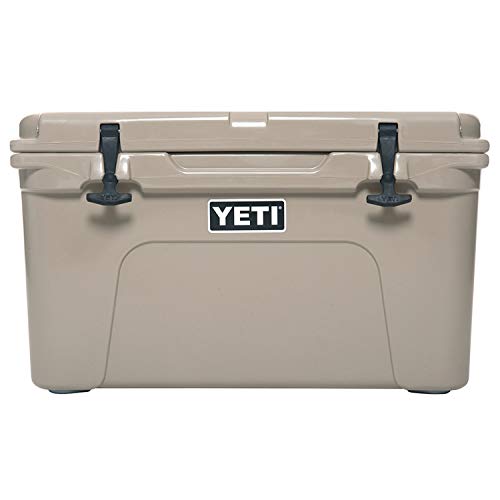
Which BBQ Cooler Best Freezes? Yeti Tundra 45 Reviewed

Choosing Your Perfect Smoker: A Buyer’s Guide

Experts Recommend the Best BBQ Tools of 2026
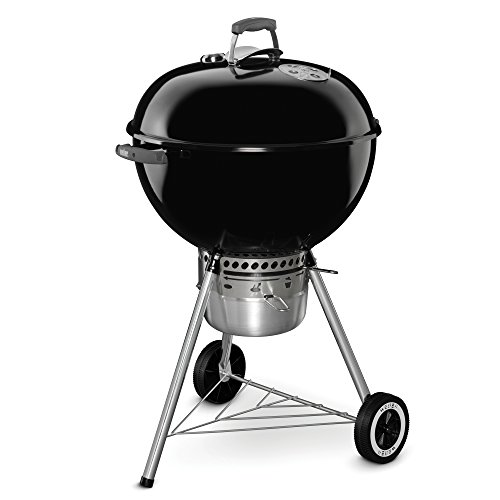
BBQ & Grilling for Every Budget: Find Your Perfect Grill

What’s the Best Greenhouse Kit for Your Garden?

Sprinkler Timers Reviewed: Why the Rachio 3 Wins in 2026
