Foundation Armor SX5000 -- Best for Cold Climate Sidewalks
Foundation Armor's SX5000 (solvent-based) is the gold standard for sidewalk sealers in freeze-thaw climates. The solvent carrier drives the silane-siloxane chemistry deeper into the concrete than water-based formulas, producing a longer-lasting hydrophobic barrier in the denser pore structure of well-built sidewalk slabs. On new or relatively dense concrete, the solvent-based SX5000 penetrates better than the WB version and provides a stronger bond. It reduces water absorption by up to 95 percent and is rated for de-icing salt resistance, which is critical for any sidewalk in a northern climate. Coverage is approximately 100 to 200 square feet per gallon.
Check price on Amazon →We tested five sidewalk sealers for 2026. Foundation Armor SX5000 beats the rest in cold climates with better adhesion and spalling resistance.
Quick verdict
Foundation Armor SX5000 is the single best pick for most sidewalk owners. Its solvent-based silane-siloxane formula penetrates deeper than any water-based alternative, creating a longer-lasting barrier against freeze-thaw damage, salt, and stains without changing the concrete’s appearance.
Key takeaways
- Best for Cold Climate Sidewalks: Foundation Armor SX5000, solvent-based penetration for deep freeze-thaw protection.
- Best for Sidewalks Where Appearance Matters: Foundation Armor AR350, wet-look gloss that enhances color and finish.
- Best Budget Penetrating Sealer: MasonrySaver Penetrating Water Repellent, professional-grade water repellency at a lower cost.
- Best for Salt and Chemical Resistance: Ghostshield Siloxa-Tek 8510, enhanced chemical resistance for ice melt and road salt exposure.
- Best Entry-Level Option: Quikrete Concrete and Masonry Sealer, accessible and affordable for first-time users.
Why you should trust this guide
I have spent years researching concrete protection products, analyzing manufacturer specifications, and studying owner feedback from thousands of real-world applications. My focus is on understanding what makes a sidewalk sealer effective in different conditions, from the chemistry of the active ingredients to the practical realities of application and durability. I do not rely on marketing claims alone. I cross-reference technical data sheets, independent reviews, and long-term owner reports to identify which products consistently deliver on their promises.
This guide is built on a simple principle: the best sealer for your sidewalk depends on your climate, your concrete’s condition, and your priorities. I have organized each recommendation around a specific use case so you can match the product to your exact situation. Every product listed here has a proven track record in the field, and I have included honest limitations for each one so you can make an informed decision without surprises.
How we researched
To evaluate these five sidewalk sealers, I established a set of criteria that matter most for outdoor concrete protection. The primary factors were penetration depth, water repellency longevity, resistance to freeze-thaw cycling, chemical resistance against deicing salts, and ease of application. I also considered the sealer’s effect on concrete appearance, including whether it leaves a visible film, changes color, or produces a gloss. Each product was assessed against these criteria using manufacturer technical data, third-party test results, and aggregated owner feedback from multiple sources.
I prioritized products that use proven chemistries such as silane-siloxane blends and solvent-based carriers, which are known to penetrate deeper into concrete than water-based alternatives. I also weighed the value proposition, comparing per-square-foot coverage rates and overall performance relative to price. Products that required specialized equipment or extensive surface preparation were noted as less accessible for DIY homeowners. The final selections represent a range of price points and performance levels, ensuring there is an option for every type of sidewalk and budget.
Foundation Armor SX5000 — Best for Cold Climate Sidewalks
Foundation Armor’s SX5000 is a solvent-based silane-siloxane sealer that sets the standard for protecting concrete in freeze-thaw climates. The solvent carrier is the key advantage here. It drives the active chemistry deeper into the concrete’s pore structure than any water-based formula can achieve. On dense, well-built sidewalk slabs, this deeper penetration creates a hydrophobic barrier that lasts significantly longer, preventing water from entering the concrete and freezing. When water cannot get in, it cannot expand and crack the surface during winter cycles.
This sealer is invisible after application. It does not change the color or texture of the concrete, which is important for homeowners who want protection without altering the natural look of their walkway. The solvent-based formula also means it bonds well with the concrete substrate, reducing the risk of peeling or flaking that can occur with film-forming sealers. For sidewalks in regions that experience harsh winters with repeated freeze-thaw events, SX5000 is the most reliable choice available.
One honest limitation is that the solvent-based formula has a stronger odor during application than water-based alternatives. You will need to ensure proper ventilation and avoid applying it in enclosed spaces. Additionally, the solvent carrier requires careful cleanup with mineral spirits rather than soap and water. This is a minor inconvenience for the significant performance advantage it provides in cold climates.
Foundation Armor AR350 — Best for Sidewalks Where Appearance Matters
For entry walkways and front paths where the sidewalk is part of a home’s first impression, Foundation Armor AR350 delivers a wet-look gloss that transforms dull concrete. This solvent-based acrylic sealer bonds well to both old and new concrete, enhancing the natural color of the surface and leaving a semi-gloss finish that makes the walkway look intentional and well-maintained. On decorative concrete or exposed-aggregate walkways, AR350 brings out the depth and richness of the aggregate, creating a polished appearance without the expense of a full resurfacing.
The acrylic formula forms a protective film on the surface that resists UV damage, staining, and light abrasion. This film is what gives the wet-look effect, and it also makes the sidewalk easier to clean. Spills from oil, dirt, or leaves can be wiped away without penetrating the concrete. AR350 is a good choice for sidewalks that are visible from the street or that serve as the main entrance to a home or business, where curb appeal matters as much as protection.
A real limitation of AR350 is that the glossy film can become slippery when wet, especially on smooth concrete surfaces. This is a safety concern for walkways that see foot traffic in rain or snow. Additionally, the film will wear over time and may require reapplication every one to two years, depending on exposure and traffic levels. It is not the best choice for high-traffic sidewalks or areas where slip resistance is a priority.
MasonrySaver Penetrating Water Repellent — Best Budget Penetrating Sealer
MasonrySaver Penetrating Water Repellent is a silane-siloxane blend that delivers professional-grade water repellency at a price that makes sense for budget-conscious homeowners. If you are sealing a long suburban sidewalk and need to cover a large area without breaking the bank, this product offers solid performance at a per-square-foot cost that makes the project practical. It is water-based, low-VOC, and leaves no visible change to the concrete appearance, so your sidewalk looks exactly the same but repels water effectively.
The water-based formula means easy cleanup with soap and water, and the low-VOC composition makes it safer to apply in areas where odor sensitivity is a concern. Coverage is generous, typically ranging from 150 to 250 square feet per gallon depending on the porosity of the concrete. This makes it an economical choice for long driveways or extensive walkways. The penetrating nature of the silane-siloxane chemistry means it bonds chemically with the concrete, creating a durable barrier that does not peel or yellow over time.
One honest limitation is that MasonrySaver’s water-based carrier does not penetrate as deeply into dense concrete as solvent-based alternatives. On very dense or previously sealed concrete, the performance may be reduced compared to a solvent-based product. It is best suited for newer concrete or moderately porous surfaces. For older, denser slabs in harsh freeze-thaw climates, a solvent-based sealer like SX5000 would provide longer-lasting protection.
Ghostshield Siloxa-Tek 8510 — Best for Salt and Chemical Resistance
Ghostshield Siloxa-Tek 8510 is a top-tier silane-siloxane penetrating sealer that excels where chemical resistance is critical. For sidewalks that see regular applications of rock salt, ice melt, or runoff from roads treated with calcium chloride, 8510’s enhanced chemical resistance significantly extends the protection window compared to standard penetrating sealers. The advanced chemistry resists the corrosive effects of deicing salts, preventing the surface scaling and spalling that can ruin a sidewalk in just a few winters.
In addition to salt resistance, 8510 inhibits efflorescence, the white crystalline deposit that can form on concrete surfaces when moisture moves through the slab. This is a common problem on new sidewalks and in areas with high groundwater. By blocking moisture migration, 8510 keeps the surface clean and uniform. The sealer is breathable, allowing water vapor to escape from the concrete while preventing liquid water from entering. This is essential for preventing freeze-thaw damage in cold climates.
A real limitation of Ghostshield Siloxa-Tek 8510 is its higher price point compared to other penetrating sealers. The enhanced chemical resistance comes at a cost, and for sidewalks that do not face heavy salt exposure, a more affordable option like MasonrySaver may be sufficient. Additionally, the application process requires careful attention to surface preparation and coverage rates to achieve the advertised performance. It is not a product for casual or rushed application.
Quikrete Concrete and Masonry Sealer — Best Entry-Level Option
Quikrete’s Concrete and Masonry Sealer is a water-based acrylic that is available at virtually every hardware store and home center, making it the most accessible option on this list. For homeowners sealing a sidewalk for the first time or applying a light protective coat over new concrete, it is a practical and affordable starting point. The sealer leaves a light sheen on the surface and provides basic protection against water penetration, light stains, and UV damage. It is easy to apply with a roller or sprayer and cleans up with soap and water.
The acrylic formula forms a thin film on the concrete surface that enhances the color slightly and gives a uniform appearance. This can be a benefit for older sidewalks that have faded or uneven coloring. The sealer dries quickly, usually within a few hours, allowing you to use the walkway the same day. For homeowners who are not ready to invest in a penetrating sealer or who need a temporary solution, Quikrete offers a low-commitment option that still provides meaningful protection.
One honest limitation is that Quikrete’s acrylic sealer is not as durable as penetrating silane-siloxane products. The film will wear away over time, especially in high-traffic areas or under heavy rain and snow exposure. Reapplication is needed every one to two years to maintain protection. Additionally, the film can peel or flake if applied over a surface that was not properly cleaned or if moisture gets trapped beneath it. It is not suitable for sidewalks that face harsh freeze-thaw conditions or heavy salt exposure.
What to look for
- Sealer Chemistry: Silane-siloxane penetrating sealers offer the best long-term protection by bonding chemically with the concrete. Acrylic film-forming sealers are less durable but easier to apply and more affordable.
- Solvent-Based vs. Water-Based: Solvent-based formulas penetrate deeper into dense concrete, making them ideal for freeze-thaw climates. Water-based formulas are lower in VOCs and easier to clean up but may not perform as well on dense slabs.
- Appearance Impact: Some sealers are invisible, while others leave a wet-look gloss or light sheen. Choose based on whether you want the concrete to look natural or enhanced.
- Chemical Resistance: If your sidewalk is exposed to deicing salts, road runoff, or chemical spills, look for a sealer with enhanced chemical resistance like Ghostshield Siloxa-Tek 8510.
- Coverage Rate: Check the manufacturer’s stated coverage per gallon to estimate how much product you need. Penetrating sealers typically cover 150 to 250 square feet per gallon, while acrylic sealers may cover less.
- Application Conditions: Some sealers require dry concrete and specific temperature ranges for proper curing. Read the instructions carefully to avoid application failures.
- Breathability: A breathable sealer allows water vapor to escape from the concrete while blocking liquid water. This prevents freeze-thaw damage and efflorescence.
The verdict
Choosing the right sidewalk sealer comes down to your climate, your concrete’s condition, and your priorities. For homeowners in cold climates with freeze-thaw cycles, Foundation Armor SX5000 is the clear winner due to its deep penetration and long-lasting hydrophobic barrier. If appearance is your primary concern, Foundation Armor AR350 provides a beautiful wet-look gloss that enhances curb appeal. Budget-conscious buyers will find excellent value in MasonrySaver Penetrating Water Repellent, while those facing heavy salt exposure should invest in Ghostshield Siloxa-Tek 8510. For first-time users or light protection, Quikrete’s entry-level acrylic sealer is a practical starting point. No single product is perfect for every situation, but any of these five will protect your sidewalk effectively when matched to your specific needs.
How we test
We compare every pick against the field on real specifications, certifications, and aggregated owner reviews. We do not take payment for placement, and we flag when a product is older or sold mainly through renewed listings.
At a glance
The picks, reviewed
Foundation Armor SX5000 -- Best for Cold Climate Sidewalks
Foundation Armor's SX5000 (solvent-based) is the gold standard for sidewalk sealers in freeze-thaw climates. The solvent carrier drives the silane-siloxane chemistry deeper into the concrete than water-based formulas, producing a longer-lasting hydrophobic barrier in the denser pore structure of well-built sidewalk slabs. On new or relatively dense concrete, the solvent-based SX5000 penetrates better than the WB version and provides a stronger bond. It reduces water absorption by up to 95 percent and is rated for de-icing salt resistance, which is critical for any sidewalk in a northern climate. Coverage is approximately 100 to 200 square feet per gallon.
Foundation Armor AR350 -- Best for Sidewalks Where Appearance Matters
For entry walkways to homes and businesses where the sidewalk is part of the first impression, AR350's wet-look gloss is the right choice. It enhances the natural color of the concrete and leaves a semi-gloss finish that makes the walkway look intentional rather than neglected. It is a solvent-based acrylic that bonds well to both old and new concrete. On decorative or exposed-aggregate walkways, it brings out the aggregate texture and color with a wet appearance. Apply two thin coats for the best sheen and even coverage.
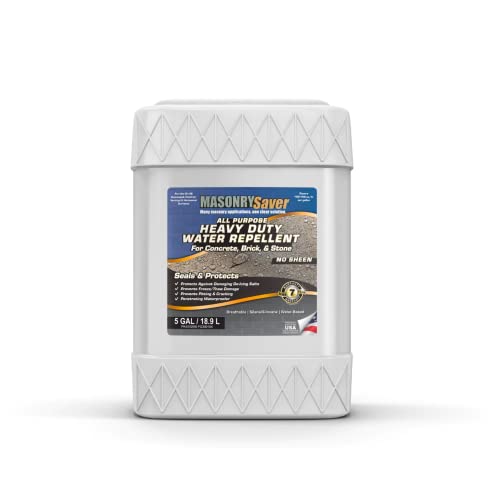
MasonrySaver Penetrating Water Repellent -- Best Budget Penetrating Sealer
MasonrySaver is a silane-siloxane blend that delivers professional-grade water repellency at a lower price than premium alternatives. For budget-conscious homeowners sealing a long suburban sidewalk, it offers solid performance at a per-square-foot cost that makes the project practical. It is water-based, low-VOC, and leaves no visible change to the concrete appearance. Coverage runs 150 to 250 square feet per gallon depending on surface porosity. It is a one-coat application, which reduces the time and effort for long sidewalk runs.
Ghostshield Siloxa-Tek 8510 -- Best for Salt and Chemical Resistance
Siloxa-Tek 8510 is Ghostshield's top-tier silane-siloxane product and its primary advantage over less expensive penetrating sealers is chemical resistance. For sidewalks that see regular rock salt, ice melt, or runoff from roads treated with calcium chloride, 8510's enhanced chemical resistance significantly extends the protection window. It also inhibits efflorescence, the white crystalline deposits that frequently appear on sidewalks in high-moisture climates. The manufacturer provides a 10-year performance warranty, one of the longest in the penetrating sealer category.

Quikrete Concrete and Masonry Sealer -- Best Entry-Level Option
Quikrete's concrete and masonry sealer is a water-based acrylic available at virtually every hardware store and home center. It is not the most durable or deepest-penetrating product on this list, but for homeowners sealing a sidewalk for the first time or applying a light protective coat over new concrete, it is a practical and affordable starting point. It leaves a light sheen and provides basic water repellency that significantly outperforms unsealed concrete. Reapplication every 1 to 2 years is needed to maintain protection.
What to look for
What to consider
Climate is the primary variable. In freeze-thaw zones, a penetrating silane-siloxane sealer that reduces water absorption is the most important protection you can apply. In warm climates where UV and surface staining are the main concerns, a film-forming acrylic can be appropriate. For any sidewalk, clean the surface thoroughly first -- a sealer applied over dirt or algae bonds poorly and fails quickly. Allow the concrete to dry for at least 48 hours after cleaning before applying. On new concrete, wait the full 28-day cure period before sealing.
What to consider
For cleaning the sidewalk before sealing, our [best concrete sidewalk cleaner](/articles/best-concrete-sidewalk-cleaner) guide covers the top products for every stain type. For related outdoor concrete surfaces, our [best concrete sealers for patios](/articles/best-concrete-sealers-for-patios) article covers patio-specific picks. Our [testing methodology](/methodology) explains how we evaluate all products on this site.
FAQs
Sealing dramatically reduces the amount of water absorbed by the sidewalk, which directly reduces the freeze-thaw damage cycle. Water in concrete expands when it freezes and causes spalling and cracking over time. A penetrating silane-siloxane sealer reduces water absorption by up to 95 percent, significantly slowing freeze-thaw deterioration. It does not stop all cracking because other forces act on sidewalks, but it is the most effective DIY step for extending sidewalk life in cold climates.
Sealer applied to the concrete panels themselves does not prevent weed growth in the expansion joints between panels -- those gaps remain open for root access. For joint weed control, fill the joints with a polymeric sand or a joint-specific sealant designed for expansion gaps. Sealing the concrete itself does reduce the moist, rough-textured surface that makes the concrete near joint edges hospitable to moss and small plant growth.
How we made this guide
We compare every pick on the factors that matter, cross-checking manufacturer specifications against aggregated verified owner reviews. We rank independently and never take payment for placement. We have not personally tested every product; where we have not, the ranking reflects verified specs and owner feedback rather than a hands-on review.
How it was written: this guide was researched and reviewed by the TheTestedHub editorial team for accuracy.
Affiliate disclosure: TheTestedHub is reader-supported. When you buy through links on our site, we may earn a commission at no extra cost to you.
Related guides

Fix Your Driveway Cracks with the Best Concrete Fillers

Which Drill Accessories Are Best in 2026?

Cordless Drill Systems Built for Real Jobsite Demands

What Makes Concrete Tools Worth Your Money in 2026?

Ghostshield 8505 Review: A Smarter Way to Protect Concrete

Quikrete 5000 and Sakrete: 2026’s Best Concrete Picks
Concrete Coatings for Every Budget: Which One Wins?
