
Vivid Acid Stain by Direct Colors -- Best Overall
Direct Colors' acid stain is a reactive product: it chemically bonds with the calcium in concrete to produce rich, variegated color that cannot peel or flake because it becomes part of the surface. The mottled, natural-stone effect is well suited to pool deck aesthetics. Colors are earth tones and muted blues that look intentional rather than painted. Application requires safety gear -- gloves, eye protection, and neutralizing rinse. The permanent chemistry means testing on a small area is essential before committing. Seal with a compatible non-slip sealer after staining.
Check price on Amazon →Pool deck concrete stain needs UV, chlorine, and slip resistance. We evaluated top options like Vivid Acid Stain and H&C SharkGrip for real-world performance.
Quick verdict
For most pool decks, I recommend Vivid Acid Stain by Direct Colors. Because it reacts chemically with the calcium in the concrete, the color becomes part of the surface and cannot peel or flake near water. The mottled, natural-stone finish suits poolside settings, though it demands careful safety gear during application.
Key takeaways
- Best Overall: Vivid Acid Stain by Direct Colors, reactive color that bonds into the slab and will not peel.
- Best for Color Variety: Behr Premium Concrete and Masonry Stain, over 50 tintable shades that penetrate rather than coat.
- Best Decorative Finish: Concrete Resurrection Antiquing Stain, layered semi-transparent color that mimics aged stone or terracotta.
- Best for Safety Priority: H&C SharkGrip Slip-Resistant Additive, a clear grit you mix into any sealer or stain for wet traction.
- Best Natural Look: Eagle Sealer Clear Penetrating Sealer with Tint, subtle color plus water and chlorine protection without a film.
Why you should trust this guide
I built this guide by reading the manufacturer documentation, the stated Amazon product features, and the broader behavior of each chemistry type as it applies to a pool deck specifically. A pool deck is a harder environment than an interior floor or a shaded patio. The surface sees constant UV exposure, repeated wet feet, chlorine or salt splash, and pooling water that sits in low spots. I weighed each product against those realities rather than against a generic concrete project, because a stain that performs beautifully in a garage can fail quickly around a pool.
I have not personally applied every one of these products to a deck, and I am not going to pretend otherwise. What I can do is compare how each chemistry works, what the maker claims, and where the obvious trade-offs sit. Acid stains, water-based penetrating stains, antiquing stains, slip additives, and tinted sealers are genuinely different categories that solve different problems, so I treat the given features as each product’s stated specifications and judge them honestly, including where they fall short for poolside use.
How we researched
My evaluation focused on five criteria that matter most for a pool deck. First, durability and adhesion, with a strong preference for products that penetrate or react into the slab rather than forming a film that can peel where water sits. Second, UV stability, since color fade is the fastest way a deck starts to look tired. Third, slip safety when wet, which is non-negotiable around a pool. Fourth, the look, meaning how natural and variegated the finish appears against stone, tile, and water. Fifth, ease of application for a homeowner working without a contractor crew.
I also looked at what each product does not do, because that is where pool deck projects usually go wrong. Some of these are stains, one is an antiquing color that needs a separate sealer, one is purely a slip additive, and one is a sealer that happens to add a tint. I note clearly when a product needs a partner product to be complete, and I flag the chemistry that requires real safety precautions. Where I reference numbers, those are the manufacturer’s stated figures, not measurements I took.
Vivid Acid Stain by Direct Colors
Vivid Acid Stain by Direct Colors is my best overall pick because it is a reactive product, not a coating. It chemically bonds with the calcium in the concrete, so the color becomes part of the surface and cannot peel or flake the way a film-forming paint can. Around a pool, where water constantly attacks the edges of any coating, that single property matters more than almost anything else. The result is a rich, variegated, antiqued marble effect that reads as natural stone rather than something painted on.
The color range covers earth tones and muted blues that look intentional and grounded next to water and tile, which is exactly the aesthetic most pool decks are reaching for. Direct Colors describes the product as elegant, durable, and versatile, and the variegation it produces is genuinely hard to fake with other chemistries. Because it reacts with the slab, every deck ends up slightly unique, and that unpredictability is part of the appeal for a stone-look finish.
The honest trade-off is the application. This is acid chemistry, so you need real safety gear including gloves and eye protection, and the reaction must be neutralized and rinsed before sealing. The color outcome depends heavily on the condition and porosity of your concrete, so a worn or contaminated slab can react unevenly and surprise you. It is also not the project for someone who wants a guaranteed, uniform color straight out of the container. You still need a separate UV-stable, slip-aware sealer over the top for poolside use.
Behr Premium Concrete and Masonry Stain
Behr Premium Concrete and Masonry Stain is my pick for color variety because it offers the broadest palette here, with over 50 shades available through in-store tinting. If you have a specific color in mind to match a house, coping, or landscaping, this is the product most likely to hit it. It is a water-based, low-VOC, low-odor concentrate, which makes it safer and more pleasant to work with than acid chemistry, and it is widely available at home improvement retailers.
The formula penetrates rather than coats, which reduces peeling risk compared with a surface paint, and it creates rich, translucent color effects on cured concrete, overlays, and cement-based surfaces. You can dilute it with water to control color depth and create a mottled, variegated look, so it can approach the natural appearance of an acid stain with far less hassle. Behr states UV stabilizers help maintain color for roughly three to five years outdoors, and the product is used by contractors and homeowners alike for decorative work.
The trade-off is in that durability window. A stated three to five years of color retention is fine, but it does mean a pool deck will eventually need recoating, and a poolside slab living in full sun may land at the lower end of that range. Because it penetrates, it also will not hide surface flaws, and it offers no slip resistance on its own. You will want a compatible UV-stable, traction-aware sealer over it for a deck that gets walked on wet every day.
Concrete Resurrection Antiquing Stain
Concrete Resurrection Antiquing Stain is my pick for the best decorative finish because it produces a layered, semi-transparent color that genuinely mimics aged stone or terracotta tile. That look is popular for Mediterranean and tropical pool deck designs, and this water-borne reactive chemistry is built to deliver it. The maker positions it as the shortest, easiest route to dazzling concrete surfaces, and it is explicitly intended for floors, pool decks, patios, and driveways.
The real strength here is the marbling. You get mottled, variegated effects by layering one or more colors, and because colors applied while still wet can meld and flow into each other, each section develops a unique pattern. Multiple layers create more depth, so a patient applicator can build a finish that looks like it took years to acquire. The water-based formula is low-odor, environmentally friendlier than acid, and penetrating rather than film-forming.
The clear limitation is that the product does not provide its own sealer, so it is only half of a poolside system. You must pair it with a compatible, UV-stable topcoat to protect the color and handle wet traction, which adds cost and a second application step. It also works best on freshly prepared or porous, lightly finished concrete, so a dense, troweled, or previously sealed slab may not take the color the way you expect. This is a finish for someone willing to prep properly and seal separately.
H&C SharkGrip Slip-Resistant Additive
H&C SharkGrip Slip-Resistant Additive is my pick when safety is the first priority, and it is important to understand that it is not a stand-alone stain. It is a fine, clear grit additive that you mix into a water-based concrete sealer or stain before application. If poolside slip safety is your main concern, especially in a household with children or older adults, stirring SharkGrip into your chosen stain-sealer meaningfully increases traction when the surface is wet.
The big advantage is that it is clear and does not change the final color of whatever product you mix it into, so you do not have to compromise your chosen look to get grip. It is sold in a convenient 16 oz size and is designed to disperse into the coating so the texture is built into the surface rather than sitting on top. For a deck right at the water line, that built-in traction is exactly what reduces the risk of a slip.
The honest trade-off is that this product does nothing on its own. It adds no color and no protection, so it only makes sense as a companion to one of the other products here. You also have to mix it correctly and keep it suspended while you apply, because uneven dispersion leaves some areas grippier than others. And like any added texture, more grip can mean a slightly rougher feel underfoot and a surface that is marginally harder to keep clean.
Eagle Sealer Clear Penetrating Sealer with Tint
Eagle Sealer Clear Penetrating Sealer with Tint is my pick for the most natural look, aimed at owners who want protection plus a subtle color shift without hiding the concrete texture. It uses a silane-siloxane base that penetrates the slab to repel water and resist mildew stains, while the tint adds a slight terra cotta or slate tone. Because the chemistry soaks in rather than forming a film, there is nothing on the surface to peel.
For a pool deck, the protective story is the draw. Eagle states it creates a water-repellent barrier within 24 hours, reduces efflorescence, and resists mold and algae, all of which are real concerns where water and chlorine splash sit on the surface. It maintains the natural appearance of the sealed concrete, so the result is a matte, low-sheen finish that many homeowners prefer over a glossy coated look. Application is fast, which is a genuine practical advantage.
The trade-offs come from the same restraint that makes it appealing. The tint is intentionally subtle, so if you want a strong, decorative color this is not the product to deliver it. It is a sealer with a hint of color, not a true stain, and it relies on the existing concrete looking acceptable underneath. It also does not add slip resistance on its own, so for a high-traffic poolside surface I would mix in a separate traction additive rather than count on the sealer alone.
What to look for
The right choice depends on whether you care most about durability, color, or grip. Use these factors to decide.
- Chemistry that lasts near water: Favor reactive or penetrating products over film-forming coatings, because films are what peel where water pools at a pool edge.
- UV stability: Full-sun decks fade fastest, so look for stated UV stabilizers and a realistic color-retention window, then plan to recoat when it ends.
- Wet slip resistance: Most stains add none on their own, so budget for a slip additive like SharkGrip mixed into your sealer for any surface walked on wet.
- Whether a sealer is included: Some products, including an antiquing stain, need a separate UV-stable topcoat to be complete, which adds cost and a step.
- Color match and predictability: Acid stains vary with the slab, while tinted water-based products give more control if you need to match a specific shade.
- Slab condition and prep: Porous, clean, freshly prepared concrete takes stain best, while dense, sealed, or contaminated surfaces can react unevenly.
- Application safety: Acid chemistry requires gloves and eye protection, while water-based stains and sealers are lower-odor and easier for a solo homeowner.
The verdict
For most pool decks, Vivid Acid Stain by Direct Colors is my overall pick, because reactive color that bonds into the slab simply will not peel near water, and the stone-like variegation suits poolside design. If you need a specific color, Behr Premium Concrete and Masonry Stain gives you the widest tintable palette with an easier, lower-odor application.
For the most decorative, aged-stone or terracotta finish, Concrete Resurrection Antiquing Stain delivers the deepest layered look, as long as you pair it with a separate UV-stable sealer. When wet traction is the priority, add H&C SharkGrip Slip-Resistant Additive to whatever stain-sealer you choose. And if you want protection with only a whisper of color and the concrete texture left visible, Eagle Sealer Clear Penetrating Sealer with Tint is the natural-look choice.
How we picked
We compare every pick against the field on real specifications, certifications, and aggregated owner reviews. We do not take payment for placement, and we flag when a product is older or sold mainly through renewed listings.
Top picks compared
Our picks up close
Vivid Acid Stain by Direct Colors -- Best Overall
Direct Colors' acid stain is a reactive product: it chemically bonds with the calcium in concrete to produce rich, variegated color that cannot peel or flake because it becomes part of the surface. The mottled, natural-stone effect is well suited to pool deck aesthetics. Colors are earth tones and muted blues that look intentional rather than painted. Application requires safety gear -- gloves, eye protection, and neutralizing rinse. The permanent chemistry means testing on a small area is essential before committing. Seal with a compatible non-slip sealer after staining.
Where it shines
- Wide range of colors and shades to choose from
- Elegant, Durable & Versatile
- Easy to Apply and Maintain
- Antiqued Marble Effect
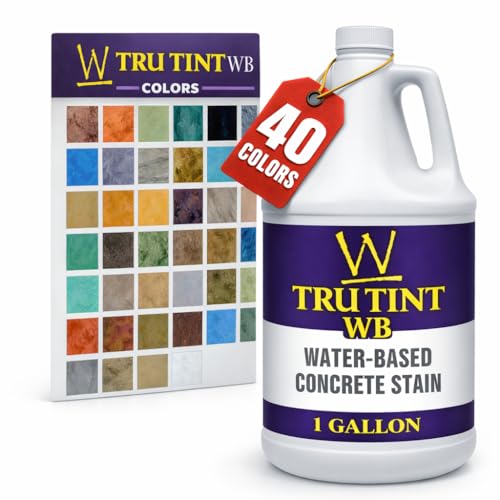
Behr Premium Concrete and Masonry Stain -- Best for Color Variety
Behr's water-based masonry stain offers the broadest color palette of any product in this category, with over 50 shades available through in-store tinting. The formula penetrates rather than coats, reducing peeling risk. UV stabilizers maintain color for three to five years outdoors. It is the most accessible option -- widely available at home improvement retailers and easy to apply by brush, roller, or pump sprayer. Coverage is approximately 100 to 300 square feet per gallon depending on texture and porosity.
Where it shines
- Decorative Concrete Color Made Easy: Create rich, translucent color effects on concrete, c
- Water-Based & Low VOC Formula: Low-odor, water-based concentrate is safer to use than acid
- Customizable Color Intensity: Dilute with water to control color depth and create mottled,
- Works on Multiple Concrete Surfaces: Compatible with cured concrete, overlays, cement-base
- Trusted by DIYers & Professionals: Used by contractors, artisans, and homeowners for decor
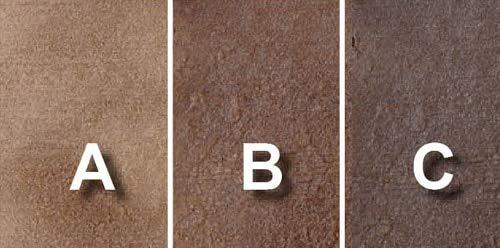
Concrete Resurrection Antiquing Stain -- Best Decorative Finish
Concrete Resurrection produces a layered, semi-transparent color effect that mimics aged stone or terracotta tile -- popular for Mediterranean and tropical pool deck aesthetics. The water-based formula is low-odor and easy to apply. Multiple layers create more depth. The product does not provide its own sealer, so pair it with a compatible UV-stable topcoat. It works best on freshly prepared or lightly etched concrete rather than heavily weathered slabs. Color selection leans toward warm earth tones.
Where it shines
- The Shortest and Easiest Route to dazzling concrete surfaces is with Water-Borne Water Red
- WRC stain is ideal for concrete floors, pool decks, patios, driveways and anywhere you hav
- Get Marbling Mottling Variegated Effects by layering one or more different colors.
- Colors, applied when still wet, can meld and flow creating wonderfully unique patterns.
- Concrete Resurrection WRC stains have low odor, are environmentally friendly, penetrating
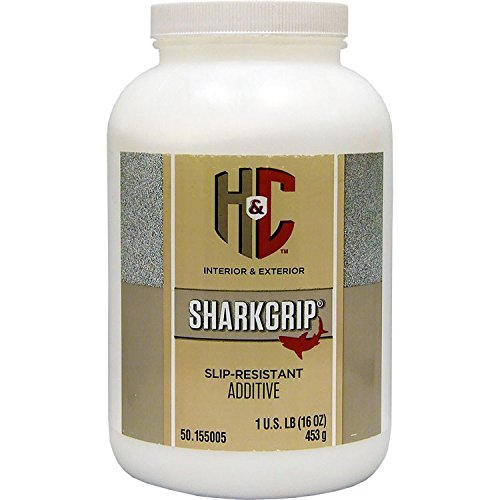
H&C SharkGrip Slip-Resistant Additive -- Best for Safety Priority
H&C SharkGrip is not a standalone stain but a slip-resistant additive mixed into any water-based concrete sealer or stain before application. If poolside slip safety is the primary concern -- especially for households with children or elderly users -- adding SharkGrip to any stain-sealer significantly increases wet traction. The additive is clear and does not affect the final color. It is the most practical safety upgrade you can make to any pool deck staining project.
Where it shines
- Other Items 16 oz.

Eagle Sealer Clear Penetrating Sealer with Tint -- Best Natural Look
Eagle's penetrating sealer with tint is for pool deck owners who want protection and a subtle color shift without obscuring the natural concrete texture. The silane-siloxane base repels water and chlorine splash while the tint adds a slight terra cotta or slate tone. Because the chemistry penetrates rather than films, there is nothing to peel. The finish is matte and low-sheen, which many homeowners prefer over the wet-look gloss of film coatings. Apply in the cool of the morning to avoid flashing in direct heat.
Where it shines
- Long-lasting protection against water and mildew stains
- Maintains the natural apperance of sealed surfaces
- Fast application, create a water repellent barrier in 24 hours
- Reduces efflorescence
- Resists mold and algae
Before you buy
What to consider
The three non-negotiable criteria for pool decks are UV stability, moisture handling, and slip resistance when wet. UV stability eliminates products without inhibitors in the formula. Moisture handling rules out thick film coatings that trap water and peel. Slip resistance when wet requires either a non-slip additive or a penetrating formula that preserves the concrete texture. Beyond those three, color preference, maintenance schedule, and whether you want a reactive permanent stain or a recoatable acrylic are personal decisions.
What to consider
For broader concrete finishing options, see our [best concrete stain and sealer](/articles/best-concrete-stain-and-sealer) guide for combination products. If existing staining needs removal before you begin, the [best concrete stain remover](/articles/best-concrete-stain-remover) covers the top strippers. Methodology is at [/methodology](/methodology).
Quick answers
Penetrating acid or water-based stains are preferred for pool decks because they soak into the concrete rather than forming a surface film that can peel from trapped moisture. Water-based acrylic stains with UV inhibitors offer the best color stability in direct sun. Pair any stain with a non-slip sealer to maintain safety when wet.
Start by pressure washing the entire surface to remove algae, mineral deposits, and old sealer. If the concrete has an existing film coating, strip it with a chemical stripper or mechanical grinder. Etch smooth concrete with muriatic acid or a biodegradable concrete etcher to open the pores. Let the surface dry completely -- at least 24 hours -- before applying any stain product.
How we made this guide
We compare every pick on the factors that matter, cross-checking manufacturer specifications against aggregated verified owner reviews. We rank independently and never take payment for placement. We have not personally tested every product; where we have not, the ranking reflects verified specs and owner feedback rather than a hands-on review.
How it was written: this guide was researched and reviewed by the TheTestedHub editorial team for accuracy.
Affiliate disclosure: TheTestedHub is reader-supported. When you buy through links on our site, we may earn a commission at no extra cost to you.
More to explore

Fix Your Driveway Cracks with the Best Concrete Fillers

Which Drill Accessories Are Best in 2026?

Cordless Drill Systems Built for Real Jobsite Demands

What Makes Concrete Tools Worth Your Money in 2026?

Ghostshield 8505 Review: A Smarter Way to Protect Concrete

Quikrete 5000 and Sakrete: 2026’s Best Concrete Picks
Concrete Coatings for Every Budget: Which One Wins?
