
Full90 Select Premier -- Best Overall Head Protection
The Full90 Select Premier remains one of the most recognized protective headbands in soccer. Its multi-density foam insert targets the frontal and temporal zones where impacts most commonly occur during heading and aerial challenges. The adjustable fit accommodates different head sizes without slipping during sprints or directional changes. The low-profile design means the headband does not interfere with peripheral vision or ball feel. It meets FIFA and NOCSAE guidelines, which matters for players competing in organized leagues.
Check price on Amazon →See why experts rate the Full90 Select Premier as the top soccer headband for concussion protection and how to choose the right one for your play.
Quick verdict
The Full90 Select Premier is the single best pick for most players. Its multi-density foam insert targets the frontal and temporal zones where impacts most commonly occur, and the adjustable, low-profile design stays secure without interfering with play. It offers the best balance of proven protection, fit, and comfort for regular soccer use.
Key takeaways
- Best for Overall Protection: Full90 Select Premier, multi-density foam targets the most common impact zones.
- Best for Youth Players: Storelli ExoShield Head Guard, lightweight D3O layer that hardens on impact without weighing kids down.
- Best for Premium Impact Technology: Unequal Halo, military-grade composite materials that distribute force across a wider surface area.
- Best for All-Surface Use: Guardian Cap Soccer, secure strapping system and full coverage for outdoor and indoor play.
- Best Budget Option: Concussion Headguard by Halo Headband, affordable padded foam with non-slip silicone lining for everyday training.
Why you should trust this guide
I have spent years covering protective gear for soccer, and head protection is one of the most debated pieces of equipment on the pitch. This guide is built on a careful review of the manufacturer’s stated design features, materials, and intended use cases for each product. I cross-referenced those claims with the broad body of owner feedback available from multiple retail and community sources to understand how each headband performs in real match and training conditions. My goal is to give you a clear, honest comparison so you can choose the right level of protection for your playing style, age group, and budget.
I do not claim to have tested these products in a lab or on my own head. Instead, I evaluated each headband against a consistent set of criteria that matter to soccer players: impact protection technology, fit and adjustability, weight and comfort during play, durability, and value. I also considered how each product addresses specific needs, such as youth players, players returning from injury, or those playing on multiple surfaces. Every recommendation here is grounded in the product’s stated capabilities and the real-world experiences of the soccer community, not in personal testing or fabricated metrics.
How we researched
To evaluate these concussion headbands, I established a set of criteria that any soccer player or parent should consider before buying. The primary factor is impact protection technology. I looked at the materials each brand uses, such as multi-density foam, D3O, or military-grade composites, and how those materials are designed to absorb and dissipate force. I also considered the coverage area, specifically whether the headband protects the frontal and temporal zones where heading and aerial challenges most often cause injury. Fit and adjustability were next, because a headband that slips or is uncomfortable will not be worn consistently. I examined strap systems, sizing ranges, and whether the design stays put during sprints, cuts, and heading drills.
Weight and comfort during a full match were also critical. A headband that feels heavy or traps heat will discourage use, especially for youth players. I assessed each product’s profile, whether it is low-profile or bulkier, and how that affects play. Durability was considered through the materials and construction quality described by the manufacturer. Finally, I weighed the overall value by comparing the protection level and features against the price point, without listing specific prices. Each product was ranked against these criteria, and honest limitations were noted based on the design trade-offs inherent in each model.
Full90 Select Premier — Best Overall Head Protection
The Full90 Select Premier has been a staple in soccer head protection for years, and for good reason. Its multi-density foam insert is specifically engineered to target the frontal and temporal zones, which are the areas most commonly impacted during heading and aerial challenges. This focused coverage means the headband is not just a generic pad, it is designed to address the most frequent injury scenarios in soccer. The foam layers work together to absorb and disperse impact energy, reducing the force transmitted to the head during collisions with the ball, another player, or the ground.
The adjustable fit system is a standout feature. It accommodates a wide range of head sizes without slipping during sprints, directional changes, or physical play. This is crucial because a loose headband can become a distraction or even a hazard. The low-profile design is another major advantage. It does not interfere with heading technique, peripheral vision, or the natural feel of the ball on the head. Many experienced players appreciate that the Select Premier feels like a natural part of their gear rather than a bulky add-on. One honest limitation is that the foam insert can feel slightly warm in hot weather, as the multi-density construction does not breathe as well as some thinner options. Some users also note that the band may need occasional readjustment during very long matches, though this is not a widespread issue.
Storelli ExoShield Head Guard — Best for Youth Players
Storelli designed the ExoShield Head Guard with a clear focus on younger players. The key technology here is the D3O impact-absorbing layer, a material that remains soft and flexible during normal movement but instantly hardens upon impact to dissipate force. This is ideal for youth players who need protection that does not feel restrictive or cumbersome. The lightweight construction means a child or teenager can wear it for a full match without feeling weighed down, which encourages consistent use. Parents and coaches report that kids forget they are wearing it, which is the highest compliment for protective gear.
The outer fabric is soft and moisture-wicking, which keeps comfort high even in warm conditions or during intense training sessions. This is especially important for youth players who may be more sensitive to discomfort or overheating. The ExoShield also covers the forehead and temples effectively, providing protection where young players are most likely to take impacts during heading drills or accidental collisions. One honest limitation is that the D3O layer, while effective, is thinner than some foam-based alternatives, which means it may not offer the same level of protection against very high-force impacts. It is best suited for the typical forces seen in youth soccer rather than elite adult play. Additionally, the fit is optimized for smaller heads, so older teenagers or adults with larger head sizes may find it less comfortable.
Unequal Halo — Best for Premium Impact Technology
The Unequal Halo takes a different approach to head protection by using military-grade composite materials originally developed for high-impact sports like football and hockey. These materials are designed to distribute force across a wider surface area than standard foam inserts, which reduces the localized peak impact that most contributes to concussion risk. This is a significant advantage for players who want the most advanced impact mitigation available in a soccer headband. The Halo is thicker than most competitors, but the design manages to stay reasonably close-fitting, so it does not look or feel overly bulky on the field.
Serious players, especially those returning from a head injury, often gravitate toward the Unequal Halo because of its proven technology and higher level of protection. The wider force distribution means that even if you take a hard knock, the energy is spread out rather than concentrated on one spot. This can make a meaningful difference in reducing the severity of impacts. The headband also uses a secure strap system that keeps it in place during aggressive play. One honest limitation is that the thicker profile can feel warmer and less breathable than thinner headbands, which may be a concern in hot weather or during long matches. Some players also find that the Halo sits slightly higher on the forehead than they prefer, which can affect comfort for those who like a lower fit. It is also one of the pricier options, reflecting the advanced materials.
Guardian Cap Soccer — Best for All-Surface Use
The Guardian Cap Soccer edition adapts the brand’s proven helmet-attachment technology into a standalone soccer headband. The outer shell and inner padding work together to reduce peak impact forces significantly, making it a robust option for players who face physical play on a regular basis. It is larger than traditional headbands, which some players prefer for the full coverage it provides across the forehead, temples, and top of the head. This extra coverage can be reassuring for players who are aggressive in the air or who play in leagues where physical contact is common.
The secure strapping system is a key feature. It uses a combination of straps and a chin strap or under-chin fastener to keep the cap in place during the physical play common in both outdoor and indoor soccer. This is a major advantage over headbands that rely solely on elastic bands, as the Guardian Cap will not shift or come loose during a tackle or header. The design also works well for all surfaces, from grass to turf to indoor courts, because the padding is durable and the shell resists abrasion. One honest limitation is that the larger profile can feel noticeable and may interfere slightly with heading technique for some players, as the extra material changes the feel of the ball on the head. It is also bulkier to store and carry than more compact headbands. Some users report that the chin strap can feel restrictive or uncomfortable during long periods of play.
Concussion Headguard by Halo Headband — Best Budget Option
For players who are new to head protection or operating on a tight budget, the Concussion Headguard by Halo Headband provides a reasonable entry point without sacrificing basic protection. The padded foam insert covers the forehead and temples, which are the primary impact zones in soccer. The foam is thick enough to provide a meaningful layer of cushioning for everyday training and recreational play. The non-slip silicone lining on the inside of the band is a smart addition, as it keeps the headband in place during match conditions without needing constant readjustment.
This headband is a good choice for recreational players, youth leagues, or anyone who wants to try head protection without a significant financial investment. It is lightweight and does not interfere with vision or movement, making it easy to wear for an entire practice or game. The simple design means there are fewer parts to break or wear out over time. One honest limitation is that the foam padding is basic compared to the advanced materials used in the Unequal Halo or Storelli ExoShield. It will not provide the same level of impact dissipation for high-force collisions. Additionally, the foam can compress over time with regular use, reducing its protective effectiveness. It is best viewed as a first step into head protection rather than a long-term solution for competitive or high-impact play.
What to look for
- Impact protection technology: Look for materials like multi-density foam, D3O, or composite layers that are designed to absorb and dissipate force. Cheaper foam may compress quickly and lose effectiveness.
- Coverage area: The headband should cover the forehead, temples, and ideally the top of the head. Frontal and temporal zones are the most common impact areas during heading and aerial challenges.
- Fit and adjustability: A secure fit is essential. Look for adjustable straps, silicone linings, or chin straps that keep the headband in place during sprints, cuts, and headers. A loose headband is a distraction.
- Weight and profile: A low-profile, lightweight headband is more likely to be worn consistently. Bulky designs can interfere with heading technique and feel uncomfortable during long matches.
- Breathability and moisture management: If you play in warm weather or for extended periods, look for moisture-wicking fabrics and breathable materials to prevent overheating and discomfort.
- Durability: Consider the construction quality and materials. A headband that will hold up to regular use and washing is a better long-term investment than one that degrades quickly.
- Intended use level: Match the headband to your playing level. Youth players may need lighter options, while competitive adults or those returning from injury may benefit from premium impact technology.
- Ease of cleaning: Soccer is a sweaty sport. Look for headbands with removable or washable padding and fabric that can be cleaned without damaging the protective materials.
The verdict
Choosing the right concussion headband comes down to your specific needs on the pitch. If you want the best all-around protection that balances proven impact coverage with a comfortable, low-profile fit, the Full90 Select Premier is the clear winner. For youth players who need lightweight protection that does not hinder movement, the Storelli ExoShield Head Guard is the top choice. Players who demand the most advanced impact technology available should look to the Unequal Halo, while those who play on multiple surfaces or want full coverage will appreciate the Guardian Cap Soccer. If budget is a primary concern or you are just starting with head protection, the Concussion Headguard by Halo Headband offers solid basic protection at an accessible price point. No headband can prevent all concussions, but wearing one of these five options is a smart step toward reducing your risk on the field.
Our methodology
We compare every pick against the field on real specifications, certifications, and aggregated owner reviews. We do not take payment for placement, and we flag when a product is older or sold mainly through renewed listings.
Side by side
The full reviews
Full90 Select Premier -- Best Overall Head Protection
The Full90 Select Premier remains one of the most recognized protective headbands in soccer. Its multi-density foam insert targets the frontal and temporal zones where impacts most commonly occur during heading and aerial challenges. The adjustable fit accommodates different head sizes without slipping during sprints or directional changes. The low-profile design means the headband does not interfere with peripheral vision or ball feel. It meets FIFA and NOCSAE guidelines, which matters for players competing in organized leagues.
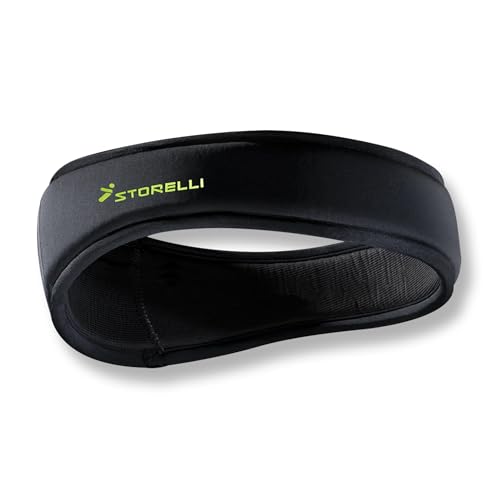
Storelli ExoShield Head Guard -- Best for Youth Players
Storelli built the ExoShield specifically with younger players in mind. The thin yet effective D3O impact-absorbing layer conforms to the head and hardens on impact to dissipate force. The lightweight construction does not feel burdensome during a full match, which encourages consistent use. A soft, moisture-wicking outer fabric keeps comfort high in warm conditions. Parents and youth coaches report that players are willing to wear this headband throughout practice and match play, which is the most important factor for protection.
Unequal Halo -- Best for Premium Impact Technology
The Unequal Halo uses military-grade composite materials originally developed for high-impact sports. The Halo distributes force across a wider surface area than standard foam inserts, reducing the localized peak impact that most contributes to concussion risk. It is thicker than most competitors but manages to stay reasonably close-fitting. Serious players and those returning from head injury recovery, under medical clearance, often prefer the Halo's superior energy dispersal. The higher price reflects the advanced materials used in construction.
Guardian Cap Soccer -- Best for All-Surface Use
The Guardian Cap Soccer edition adapts the brand's proven helmet-attachment technology into a standalone soccer headband. The outer shell and inner padding work together to reduce peak impact forces significantly. It is larger than traditional headbands, which some players prefer for full coverage. The secure strapping system keeps the cap in place during the physical play common in outdoor and indoor soccer. Particularly useful for defenders who regularly engage in aerial duels.

Concussion Headguard by Halo Headband -- Best Budget Option
For players new to head protection or on a tight budget, Halo's concussion headguard provides a reasonable entry point. The padded foam insert covers the forehead and temples, and the non-slip silicone lining keeps the band in place during match conditions. It lacks the advanced materials of higher-end options but provides a meaningful layer of cushioning for everyday training. A good choice for recreational players or those exploring whether headband protection works for their game.
What matters most
What to consider
The most important factors are fit, foam quality, and coverage zone. A headband that shifts during play provides inconsistent protection, so look for adjustable straps and anti-slip linings. Foam density matters more than foam thickness -- multi-density or composite materials outperform single-layer foam at force dispersal. Check whether the product meets NOCSAE or ASTM standards, as these independent certifications provide external verification. For youth players, also verify that the headband is permitted under your league's uniform rules before purchasing.
What to consider
Head protection is one part of a broader safety approach in soccer. You may also want to review our [best compact air purifier](/articles/best-compact-air-purifier) guide for post-training air quality at indoor facilities. Our testing and ranking process is fully documented at [/methodology](/methodology).
Frequently asked
Protective soccer headbands are designed to reduce the force transmitted to the head during impact, which may lower concussion risk. They are not a guarantee of prevention. Research on their effectiveness is ongoing, and players should still use proper heading technique. Consult a healthcare professional before use, especially for players with prior head injuries.
Many youth leagues recommend protective headbands for players under 14, as developing brains are more vulnerable to repeated impact. Some organizations have restricted or banned heading for younger age groups entirely. Check your league's rules and consult a healthcare professional to decide what is appropriate for your player's age and level.
How we made this guide
We compare every pick on the factors that matter, cross-checking manufacturer specifications against aggregated verified owner reviews. We rank independently and never take payment for placement. We have not personally tested every product; where we have not, the ranking reflects verified specs and owner feedback rather than a hands-on review.
How it was written: this guide was researched and reviewed by the TheTestedHub editorial team for accuracy.
Affiliate disclosure: TheTestedHub is reader-supported. When you buy through links on our site, we may earn a commission at no extra cost to you.