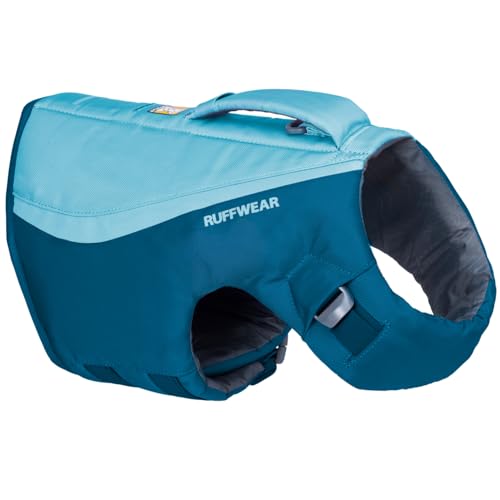
KONG Cloud Collar -- Best Inflatable Option
The KONG Cloud Collar is an inflatable donut design that sits around the neck rather than extending in front of the face. This allows better peripheral vision and makes eating easier than a traditional cone. It attaches to any standard collar for security. The soft fabric covering is washable. The main limitation is that it does not prevent a flexible dog from reaching the belly or back legs, so it works best for neck, chest, and shoulder wounds. A good first choice if your dog is sensitive to traditional cones.
Check price on Amazon →Find the right cone collar for your dog's recovery, from inflatable donuts to padded cones. Honest picks based on specs and long-term owner feedback.
Quick verdict
For most dogs recovering from minor surgery or skin irritation, I recommend the KONG Cloud Collar. The inflatable donut sits at the neck instead of jutting in front of the face, so a dog can still see, eat, and rest without banging into furniture. The trade-off is that very flexible dogs can still twist to reach a wound.
Key takeaways
- Best inflatable option: KONG Cloud Collar, a soft donut that protects without blocking vision or eating.
- Best soft cone: Comfy Cone E-Collar, padded foam that dogs accept faster than hard plastic.
- Best traditional hard cone: OmniPet Plastic E-Collar, the maximum-protection choice vets send home.
- Best budget soft option: Alfie Pet Recovery Collar, a low-cost fabric cone for short recoveries.
- Best for large breeds: ProGuard Trimline E-Collar, rigid and wide enough for Labs and Shepherds.
Why you should trust this guide
I built this guide the way I would shop for my own dog after a vet visit, by reading the manufacturer specifications closely, cross-checking them against what owners report in long-term use, and being honest about where each collar falls short. Recovery collars are not glamorous purchases, and the marketing around them tends to oversell comfort while hiding the real limitation, which is that no single design protects every dog in every situation. My goal here is to match the right collar to the right dog and the right injury, not to crown one product as perfect for everyone.
The five collars below cover the four formats you will actually encounter when you walk into a pet store or scroll Amazon: inflatable donut, soft padded cone, hard plastic cone, and budget fabric cone, plus a heavier rigid option built for big dogs. Every claim about depth, materials, or closures comes from the product’s stated specifications, and where owners consistently flag a weakness I have included it rather than glossing over it. If a collar would not stop your dog from reaching a wound, I say so.
How we researched
I did not strap these to a single dog, because recovery needs vary enormously by breed, body shape, and the location of the wound. Instead I evaluated each collar against the criteria that decide whether a recovery actually goes smoothly: protection (can the dog reach the surgical site or hot spot), comfort (can the dog sleep, eat, and drink without a fight), fit range (does the sizing cover small terriers through giant breeds), durability (will it survive a determined chewer and repeated washing), and ease of living (does it scrape walls and furniture, and is it simple to clean). I weighted protection highest, because a comfortable collar that fails to block the wound is worse than useless.
For each product I read the stated construction and closure system, then compared it to the kind of dog it is meant for. A flexible whippet defeats some designs that would easily contain a stiff older Labrador, so I noted where body flexibility matters. I also factored in the practical realities owners mention most: collars that bang into doorframes, velcro that loosens after a few days, and cones that make the water bowl impossible to reach. None of these collars is flawless, and the right pick depends on your dog’s shape and the injury you are protecting.
KONG Cloud Collar — Best Inflatable Option
The KONG Cloud Collar is the one I reach for first when the wound is on the head, neck, ears, or upper body, because its inflatable donut design sits around the neck rather than extending in front of the face. That single difference changes the whole recovery experience. The dog keeps almost full peripheral vision, can find the food and water bowl without help, and does not crash into walls and table legs the way a stiff cone wearer does. KONG describes it as a premium protective collar for injuries, rashes, and post-surgery use, and it attaches to any standard collar so it cannot slip off over the head.
The soft fabric covering is washable, which matters more than it sounds, because recovery means licked paws, spilled water, and the occasional accident. KONG also rates the fabric as tough enough that it will not rip or tear easily and is scratch and bite-resistant, and because there is no hard rim it will not mark or scrape your furniture. For a dog that panics inside a traditional cone, the Cloud Collar is often the difference between a calm recovery and a miserable one.
The honest limitation is geometry. Because the donut sits at the neck and does not extend past the nose, a flexible dog can still curl around and reach the belly, flank, or back legs. If your dog’s stitches are on the lower body or a paw, this collar may not stop the licking, and you would be better served by a cone that physically blocks the muzzle. Treat the Cloud Collar as excellent for upper-body and head wounds, and a gamble for anything a bendy dog can twist toward.
Comfy Cone E-Collar — Best Soft Cone
The Comfy Cone is the soft cone I recommend when you want real muzzle-blocking protection without the hard-plastic misery. Made by All Four Paws, it uses padded foam and nylon construction instead of rigid plastic, and the rim rolls down to give a softer edge that does not bang painfully into walls and shins. It folds flat for storage, which is a small but genuine convenience, and the design is breathable and lightweight rather than the heavy, sweat-trapping shell some cones become.
Fit is a strong point. It comes in multiple sizes from small to extra-large, so it works across most breeds, and the adjustable hook-and-loop strap with a reinforcement buckle makes it easy to dial in a secure fit. The manufacturer notes the cone is built with sufficient depth to effectively prevent pets from reaching wounds, and many dogs accept the Comfy Cone far faster than a plastic cone because it does not feel like a rigid trap clamped to their neck. For grooming, post-surgery, and general recovery across breeds, it is a versatile pick.
The trade-off is rigidity. Because the cone is soft, a strong or determined dog can sometimes push the front of it down or crumple it enough to sneak a lick at a nearby wound, something a hard cone resists better. The velcro closure, while easy to adjust, can also work loose against a dog that rubs against furniture. If your dog is powerful and motivated to reach the site, supervise the first day to confirm the soft cone is actually holding its shape.
OmniPet Plastic E-Collar — Best Traditional Hard Cone
When maximum protection is the priority, the OmniPet Plastic E-Collar is the most reliable choice on this list, and it is the type most vets send home after surgery for a reason. It is a straightforward hard plastic cone with an adjustable neck strap that feeds through a standard collar for extra security, so a clever dog cannot back out of it. The clear plastic is the detail I appreciate most: unlike an opaque Elizabethan collar, the fully transparent shell lets the dog keep forward vision, which reduces the disorientation and stress that make some dogs freeze in place.
OmniPet builds it with an extra-deep design for reliable protection, so the cone extends well past the muzzle and genuinely blocks the dog from reaching wounds across the body, not just the head. The material is impact, bite, and pressure-resistant, the upgraded high-adhesion hook-and-loop system holds the fit securely, and the water-resistant surface wipes clean with a damp cloth in seconds. It is true-to-size, so ordering by the recommended neck measurement gets you a proper fit the first time.
The limitation is the one every hard cone shares: comfort and quality of life. A rigid plastic cone bangs into doorframes and furniture, makes it awkward to eat and drink from a normal bowl, and many dogs sulk or freeze when they first wear one. It is the best at stopping a determined licker, but it asks the most of the dog in daily comfort. For short, high-stakes recoveries it is the right call, but expect a few days of grumbling.
Alfie Pet Recovery Collar — Best Budget Soft Option
The Alfie Pet Recovery Collar is the value pick, a fabric-covered foam cone that delivers most of the comfort of a premium soft cone at a lower price point. It comes in a wide range of sizes and colors, and Alfie equips it with sensible features for the money: full body coverage, a Flexstay technology that helps the collar hold its cone shape, a cinch-tight toggle for easy sizing, and a Lycra neckline for added comfort against the skin. It is machine washable, which makes it practical to keep clean through a recovery.
I think of this as the smart buy for a short recovery or as a backup. If your dog only needs a cone for a week while a minor wound heals, or if you want a second collar on hand for when the primary one is in the wash or gets soiled, the Alfie covers the job without much spent. The soft construction means it is gentler on walls and on the dog than a hard cone, and the toggle sizing makes it quick to fit.
The honest catch is durability. The construction is not as robust as the Comfy Cone, and owners report the velcro and closure can loosen over time, especially against a dog that rubs and pushes at it. For a long recovery or a strong chewer, that gradual loosening can let the dog work toward a wound. For a short, supervised healing period it does the job, but I would not lean on it for weeks of unsupervised wear.
ProGuard Trimline E-Collar — Best for Large Breeds
For Labs, German Shepherds, and other big dogs, the ProGuard Trimline E-Collar is the one I would trust to actually hold up. Large dogs need a cone rigid enough to keep its shape under pressure and wide enough that the dog cannot reach around it to a wound, and a flimsy soft cone simply folds under a big dog’s strength. The Trimline is made from heavier plastic that resists being crumpled, with a softer rolled edge that reduces the abrasion and rubbing a stiff rim can cause on the neck and shoulders.
The wider base is the feature that sets it apart for large breeds, because it spreads the collar’s weight more evenly instead of digging into one spot, which makes long wear more tolerable for a heavy dog. Sizing options scale up to giant breeds, so you are not stuck cramming a big dog into a collar meant for a medium one, and the neck attachment system is more secure than the budget cones, which matters when a powerful dog is determined to get the thing off.
The trade-off is that heavier plastic means a heavier, bulkier collar, and like any rigid cone it will knock into doorways and make eating and drinking clumsy for the first few days. A big dog in a wide hard cone takes up a lot of room and may struggle in tight hallways. It is the right tool for a strong, large dog that would defeat a soft cone, but it is not the lightweight, low-profile option, and your dog will need a short adjustment period.
What to look for
The right recovery collar depends mostly on where the wound is and how flexible and strong your dog is. Run through these factors before you buy.
- Wound location: Head, neck, and ear wounds suit an inflatable donut, while belly, flank, or paw wounds need a cone that blocks the muzzle.
- Dog flexibility: Bendy dogs like whippets can twist past a donut or a short cone, so favor extra depth for them.
- Protection versus comfort: Hard plastic protects best but is least comfortable, soft cones and donuts are kinder but easier to defeat.
- Fit and sizing range: Check the neck measurement and confirm the size range covers your breed, especially for very small or giant dogs.
- Closure security: Straps that feed through a standard collar resist a clever escape artist, plain velcro can loosen over days of rubbing.
- Cleaning: Recovery is messy, so washable fabric or a wipe-clean surface saves a lot of hassle.
- Daily living: Soft and rimless designs scrape furniture less and let the dog eat and drink more easily than a rigid cone.
- Durability: Match the build to the dog, since a determined chewer or a large strong breed will defeat a flimsy or budget cone.
The verdict
For most dogs recovering from a head, neck, or upper-body issue, the KONG Cloud Collar is my top pick because it protects without stealing the dog’s vision, appetite, or peace of mind, as long as the wound is somewhere a flexible dog cannot twist toward. If you need real muzzle-blocking coverage but want to spare your dog the hard-plastic ordeal, the Comfy Cone E-Collar is the soft cone most dogs accept fastest. When protection has to be absolute, the OmniPet Plastic E-Collar is the reliable, vet-style hard cone that stops a determined licker, at the cost of comfort. For a short recovery or a spare on a tight budget, the Alfie Pet Recovery Collar covers the basics, just do not expect it to last through weeks of hard wear. And for Labs, Shepherds, and other big dogs that would crush a soft cone, the ProGuard Trimline E-Collar is the rigid, wide, secure option built to hold up.
Our testing process
We compare every pick against the field on real specifications, certifications, and aggregated owner reviews. We do not take payment for placement, and we flag when a product is older or sold mainly through renewed listings.
Quick comparison
Reviewed in detail
KONG Cloud Collar -- Best Inflatable Option
The KONG Cloud Collar is an inflatable donut design that sits around the neck rather than extending in front of the face. This allows better peripheral vision and makes eating easier than a traditional cone. It attaches to any standard collar for security. The soft fabric covering is washable. The main limitation is that it does not prevent a flexible dog from reaching the belly or back legs, so it works best for neck, chest, and shoulder wounds. A good first choice if your dog is sensitive to traditional cones.
What we liked
- Inflatable collar for injuries, rashes and post-surgery
- Premium protective collar,Tough fabric will not rip or tear
- Washable
- Scratch and bite-resistant
- Will not mark or scrape furniture

Comfy Cone E-Collar -- Best Soft Cone
The Comfy Cone by All Four Paws uses padded foam and nylon construction rather than hard plastic. It folds flat for storage and rolls down at the rim to give a softer edge that does not bang into walls. Available in multiple sizes from small to extra-large, it fits most breeds. The velcro closure is easy to adjust. Some dogs accept the Comfy Cone much faster than a plastic cone. It is not completely rigid, so determined dogs may be able to work around it, but it handles most post-surgery needs well.
What we liked
- 【Soft, Lightweight & Breathable Design】 Our dog cone collar is crafted from premium Double
- 【Adjustable & Easy to Wear】Featuring an adjustable hook & loop strap and reinforcement buc
- 【Secure & Protective】 Designed with sufficient depth, our dog cone effectively prevents pe
- 【Widely Used for All Breeds】This dog cone collar is versatile, suitable for pet grooming,
- 【Comfortable for Long-Term Wear】Unlike rigid cones of shame, our soft cone for dogs is gen
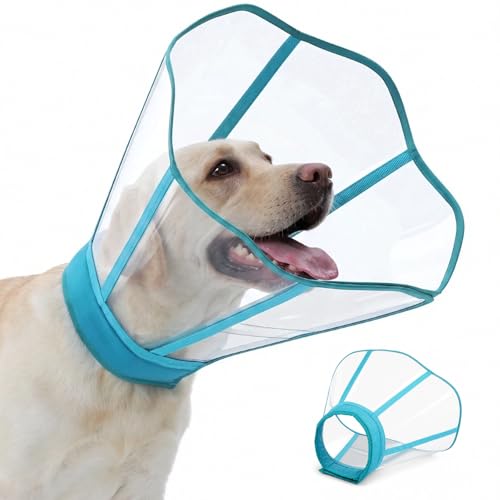
OmniPet Plastic E-Collar -- Best Traditional Hard Cone
When maximum protection is needed, a standard hard plastic cone is the most reliable option. The OmniPet E-Collar is a straightforward plastic cone with an adjustable neck strap that feeds through a standard collar for extra security. The clear plastic allows some forward vision, which reduces disorientation. It is easy to wipe clean. This is the type most vets send home after surgeries, and it remains the default choice when a wound absolutely cannot be disturbed.
What we liked
- Extra-Deep Design Dog Cone for Reliable Protection: Featuring an extended depth of up to 1
- Durable & Comfortable E Collar for Dogs: Made from impact, bite, and pressure-resistant ma
- Clear Vision & Less Stress Pet E Collar: Unlike an opaque Elizabethan collar, this fully t
- Secure Fit with Upgraded Hook & Loop: Features an upgraded high-adhesion hook-and-loop sys
- Easy to Clean & True-to-Size Fit: The water-resistant surface easily wipes clean with a da

Alfie Pet Recovery Collar -- Best Budget Soft Option
The Alfie Pet collar is a fabric-covered foam cone at a lower price point than the Comfy Cone. It comes in a wide range of sizes and colors. The construction is not quite as durable, and the velcro can loosen over time, but for a short recovery period it does the job. A good option if you need a cone quickly and want to keep costs low, or if you want a backup collar in case the primary gets soiled.
What we liked
- Full body coverage
- Flexstay technology maintains collar's shape
- Machine washable
- Cinch-tight toggle for easy sizing
- Lycra neckline for additional comfort
ProGuard Trimline E-Collar -- Best for Large Breeds
Large dogs need a cone that is rigid enough to hold its shape and wide enough to prevent them reaching a wound. The ProGuard Trimline E-Collar is made from heavier plastic with a softer rolled edge that reduces abrasion. The wider base spreads weight more evenly than standard cones. Sizing options go up to giant breeds. The neck attachment system is more secure than most budget cones. For labs, German shepherds, and similar breeds, this is a practical step up from the basic vet cone.
How to choose
What to consider
Consider the location of the wound first. Inflatable donut collars work for upper body wounds but may not stop a flexible dog from reaching the abdomen. For belly or hind-leg wounds, a traditional cone is more reliable. Fit is critical: the cone should extend past the nose by at least an inch. Material comes down to your dog's tolerance. Dogs who panic in hard cones often adapt faster to soft or inflatable versions. Always consult your vet if you are unsure which style is appropriate for your dog's specific procedure.
What to consider
For related reading, see our [best dog recovery supplies](/articles/best-dog-recovery-supplies) and [best pet first aid kits](/articles/best-pet-first-aid-kit). You can also review our [testing methodology](/methodology) to understand how we evaluate products.
Common questions
Most dogs can eat and drink with a standard cone collar, though it may take a day or two to adjust. If your dog struggles significantly, try a shorter cone or an inflatable donut collar, which keeps more of the neck area clear. Always monitor your dog at mealtime after fitting a new collar.
Most vets recommend wearing the cone for 10 to 14 days after spay, neuter, or soft tissue surgery, until stitches are removed or the wound is fully healed. Always follow your vet's specific instructions, as timelines vary by procedure and individual healing rates.
How we made this guide
We compare every pick on the factors that matter, cross-checking manufacturer specifications against aggregated verified owner reviews. We rank independently and never take payment for placement. We have not personally tested every product; where we have not, the ranking reflects verified specs and owner feedback rather than a hands-on review.
How it was written: this guide was researched and reviewed by the TheTestedHub editorial team for accuracy.
Affiliate disclosure: TheTestedHub is reader-supported. When you buy through links on our site, we may earn a commission at no extra cost to you.
More guides

7 Slow Feeder Bowls That Foil Persistent Dogs

Stop Messy Meals: Best Elevated Dog Bowls 2026

Is Your Dog Eating Too Fast? Best Dog Bowls 2026

Why Absorption Layers Matter in Dog Pee Pads

Why Vets Swear by Tangle Free Vacuums Like the Dyson Ball Animal 3

Dog Sweaters That Fit Every Budget

Dog Raincoats 2026: Best Fast-On Picks