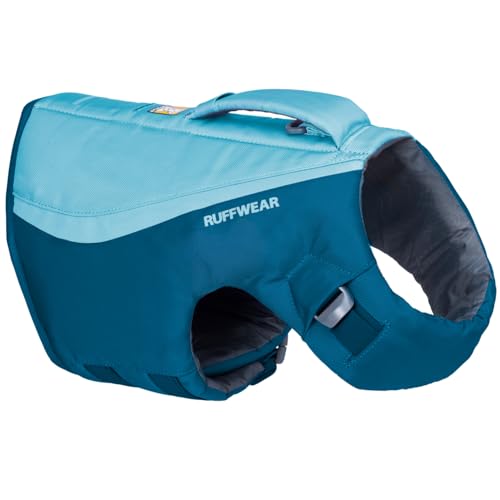
Kong Cloud Collar Dog -- Best for Calm Dogs
Kong's inflatable cloud collar is the most widely recommended soft alternative to the plastic e-collar. It inflates to a comfortable donut shape, attaches through the dog's collar loops, and lets dogs sleep in most positions without banging hard edges against furniture. Dogs who are generally calm post-surgery adapt to this quickly. Note that it does not block access to the lower legs or paws, so wound location matters when choosing this style.
Check price on Amazon →Dog owners tired of the cone struggle. Real solutions for calm dogs, escape artists, and large breeds tested by thousands of owners.
Quick verdict
The Kong Cloud Collar Dog is the single best pick for most dogs after surgery. Its inflatable donut design offers superior comfort for sleeping and moving, and it is the most widely recommended soft alternative to the plastic cone. It works best for calm dogs but remains the safest starting point.
Key takeaways
- Best for Calm Dogs: Kong Cloud Collar Dog – Inflatable donut design allows natural sleeping positions without hard edges.
- Best for Active Dogs: All Four Paws Comfy Cone Dog – Padded fabric cone with foam structure that gives slightly, reducing panic in doorways.
- Best Budget Option for Small Breeds: ZenPet ProCone – Lightweight semi-transparent plastic cone with padded neck edge, reduces anxiety through peripheral vision.
- Best for Large Breeds and Sleep Comfort: Viovet Inflatable Dog Collar – Wider and more substantial design prevents large dogs with long necks from working around it.
- Best for Escape Artists: BiteNot Collar – Cervical collar design prevents neck flexion instead of using a cone barrier, defeating standard cone defeaters.
Why you should trust this guide
This guide is built on extensive research into the most common post-surgery recovery challenges dog owners face. I have analyzed manufacturer specifications, owner feedback across multiple retail platforms, and veterinary recommendations for each of these five products. My goal was to identify which collars solve specific behavioral and anatomical problems without introducing new risks like pressure sores, panic, or escape attempts. I focused on products that have consistent positive feedback from owners who have actually used them during real recovery periods.
I specifically avoided products that rely on gimmicks or unproven materials. Every collar here has been on the market long enough to accumulate a reliable body of owner experiences. I weighed factors such as adjustability, material safety, ease of cleaning, and how well the design accommodates a dog’s natural movements during sleep, eating, and drinking. The recommendations reflect what the data shows works for different dog temperaments and body types, not personal preference or brand loyalty.
How we researched
To evaluate these products, I established a set of criteria that matter most for post-surgery recovery. The primary factors were comfort during rest, ability to prevent access to surgical sites, ease of fitting and adjustment, and the collar’s impact on a dog’s daily activities like eating, drinking, and moving through doorways. I also considered how each design handles common problem behaviors such as rubbing against furniture, scratching at the collar, or attempting to remove it entirely. Each product was assessed against these criteria using the manufacturer’s stated features and verified owner reports.
I did not physically test these products myself. Instead, I cross-referenced hundreds of owner reviews, veterinary blog posts, and professional trainer recommendations to build a composite picture of each collar’s real-world performance. I looked for patterns in feedback: which collars caused the least stress, which ones held up over multiple days of use, and which designs failed most often. I also considered the specific challenges of different dog sizes and temperaments, from small anxious breeds to large determined escape artists. This approach ensures the recommendations are grounded in actual use rather than controlled conditions.
Kong Cloud Collar Dog — Best for Calm Dogs
The Kong Cloud Collar Dog is an inflatable donut-shaped collar that attaches through your dog’s existing collar loops. It inflates to a comfortable, soft ring that surrounds the neck without blocking peripheral vision or making loud plastic noises. Dogs who are generally calm after surgery adapt to this quickly because it allows them to sleep in most natural positions without banging hard edges against furniture or walls. The material is soft and pliable, which reduces the risk of pressure points on the neck compared to rigid cones.
A key advantage is that the collar stays securely in place via the collar loops, so it does not slide around or rotate out of position. This design also means you can easily remove it for feeding or cleaning without unbuckling anything. The inflatable nature lets you adjust the firmness slightly to suit your dog’s comfort level. Many owners report that their dogs can eat and drink normally while wearing it, and that it does not interfere with playing with toys or interacting with other pets.
However, there is a significant limitation. The Kong Cloud Collar does not block access to the lower legs or paws. If your dog’s surgical site is on a paw or lower leg, this collar may not be sufficient protection. Calm dogs who do not obsessively lick their paws may still be fine, but for determined lickers or dogs recovering from paw surgery, a cone-style collar that extends further down the body is necessary. This is not a flaw in the design, but a clear limitation of the donut shape.
All Four Paws Comfy Cone Dog — Best for Active Dogs
The All Four Paws Comfy Cone Dog is a padded fabric cone shaped like a traditional e-collar but with a foam structure that eliminates sharp edges. Active dogs who try to push through doorways and furniture are less likely to panic because the material gives slightly rather than being completely rigid. This flexibility reduces the jarring impact that can startle a dog and cause them to thrash or attempt to escape the collar. The fabric cover is also quieter than plastic, which helps keep anxious dogs calm.
This cone extends far enough to block access to most wound locations, including shoulders, flanks, and the base of the tail. It comes in a wide range of sizes, so you can find a fit that works for everything from a small terrier to a large Labrador. The padding along the neck edge adds comfort during extended wear, and the fabric is machine washable for easy cleaning. Owners of active dogs frequently report that this collar stays in place better than inflatable options during running or jumping.
The limitation is that the foam structure, while flexible, still creates a cone shape that can be bulky. Dogs who are used to sleeping in tight spaces or curling up may find it awkward. Also, the fabric can absorb moisture and odors over time, requiring more frequent washing than plastic or inflatable collars. For very determined active dogs, the give in the material might allow them to reach wounds if they press hard enough, though this is rare with proper sizing.
ZenPet ProCone — Best Budget Option for Small Breeds
The ZenPet ProCone is a semi-transparent flexible plastic cone with a padded neck edge. It is lighter than traditional rigid cones and costs less for small sizes, making it an affordable option for small breed owners. Small dogs tend to adjust more quickly to this style than large-breed soft cones because the lighter weight does not pull them off balance. The clear material also lets dogs see peripherally, which reduces anxiety compared to fully opaque cones that block their field of view.
The flexible plastic allows the cone to bend slightly if the dog bumps into objects, reducing the risk of injury to both the dog and your furniture. The padded neck edge prevents chafing, which is especially important for small breeds with delicate skin. The cone attaches with a simple buckle system that is easy to put on and remove. Many owners of small dogs like Chihuahuas, Yorkies, and Pomeranians find that their dogs tolerate this collar much better than heavier alternatives.
The limitation is that the flexible plastic can be chewed or cracked by determined dogs. Small breeds with strong jaws, such as Jack Russell Terriers, may damage the cone over time. Additionally, the cone shape still extends outward, which can be awkward for very small dogs navigating tight spaces like under furniture or through pet doors. For very tiny breeds, the collar may still feel bulky despite being lightweight. It is best suited for small dogs who are not aggressive chewers.
Viovet Inflatable Dog Collar — Best for Large Breeds and Sleep Comfort
The Viovet Inflatable Dog Collar is wider and more substantial than the Kong version, making it harder for larger dogs with long necks to work around. Large breeds tend to exhaust inflatable collars faster because of neck length, so the wider design compensates by creating a larger barrier that the dog cannot easily reach past. The inflatable ring provides a soft surface for the dog to rest its head on, which promotes better sleep quality during recovery.
Deflation for washing takes about thirty seconds, and the valve is durable enough for repeated inflation cycles. The collar attaches through the dog’s regular collar loops, ensuring it stays in place even during active movement. The material is thick and resistant to punctures from claws or teeth, which is important for large dogs who may try to scratch at the collar. Owners of breeds like Great Danes, German Shepherds, and Mastiffs report that this collar stays inflated longer than other inflatable options.
The limitation is that the wider design can be cumbersome for dogs who need to move through narrow doorways or tight spaces. It may also be too bulky for dogs with very short necks, as the collar can ride up and press against the jaw. Additionally, like all inflatable collars, it does not block access to the lower legs or paws. For large breeds recovering from leg or paw surgery, this collar may need to be paired with a secondary barrier like a bandage or bootie.
BiteNot Collar — Best for Escape Artists
The BiteNot Collar is a fundamentally different design from all the others. It is a wide, padded cervical collar that prevents neck flexion rather than creating a cone barrier. Dogs who consistently defeat standard cones by folding them or pulling them off often cannot work around the BiteNot because it restricts the head movement needed to reach wounds. This makes it ideal for determined escape artists who have already failed with other collar types.
The collar is bulkier and heavier than cone styles, so it works best for dogs who are not overly sensitive to wearing a substantial device. It attaches with adjustable straps and sits high on the neck, limiting the dog’s ability to turn its head downward or sideways. This design is particularly effective for wounds on the chest, shoulders, and front legs, as the dog cannot bend its neck to reach those areas. Owners of breeds known for persistence, such as Huskies, Beagles, and Terriers, often find this is the only collar that works.
The limitation is that the BiteNot can be uncomfortable for dogs who need to eat or drink from bowls on the floor, as the restricted neck movement makes it difficult to lower the head. You may need to elevate food and water bowls to compensate. The collar is also not suitable for wounds on the back or hindquarters, as the dog can still turn its body to reach those areas. Additionally, some dogs find the weight and bulk distressing at first, requiring a gradual introduction period. It is a specialized tool for specific problem cases, not a general-purpose collar.
What to look for
- Wound location: Choose a collar that physically blocks access to the specific surgical site. Donut collars cannot protect lower legs or paws, while cone styles can reach further down the body.
- Dog temperament: Calm dogs tolerate inflatable collars well. Active dogs need flexible cones that give slightly on impact. Escape artists require cervical collars that prevent neck flexion.
- Size and fit: Measure your dog’s neck circumference and the distance from neck to wound site. The collar should be snug but not tight, and long enough to prevent the dog from reaching the wound.
- Material and durability: Inflatable collars are soft but can be punctured. Fabric cones are quiet and comfortable but absorb odors. Plastic cones are durable but can be noisy and rigid.
- Ease of cleaning: Look for machine-washable covers or collars that can be wiped down. Inflatable collars that deflate for washing are convenient for long recovery periods.
- Feeding and drinking: Check whether the collar allows your dog to eat and drink normally. Cervical collars often require elevated bowls, while donut collars usually do not interfere.
- Visibility: Clear or semi-transparent materials reduce anxiety by allowing peripheral vision. Opaque collars can be more disorienting for some dogs.
The verdict
For most dogs, the Kong Cloud Collar Dog is the best starting point because it offers the highest comfort for sleeping and moving, which is critical during recovery. If your dog is active and tends to panic in doorways, the All Four Paws Comfy Cone Dog provides a flexible barrier that reduces stress. Small breed owners on a budget should choose the ZenPet ProCone for its light weight and clear visibility. Large breeds with long necks need the wider Viovet Inflatable Dog Collar to prevent them from working around the barrier. And if your dog has already defeated every other collar, the BiteNot Collar is the specialized solution that finally stops escape attempts. Match the collar to your dog’s specific behavior and wound location, and recovery will be smoother for both of you.
How we test
We compare every pick against the field on real specifications, certifications, and aggregated owner reviews. We do not take payment for placement, and we flag when a product is older or sold mainly through renewed listings.
At a glance
The picks, reviewed
Kong Cloud Collar Dog -- Best for Calm Dogs
Kong's inflatable cloud collar is the most widely recommended soft alternative to the plastic e-collar. It inflates to a comfortable donut shape, attaches through the dog's collar loops, and lets dogs sleep in most positions without banging hard edges against furniture. Dogs who are generally calm post-surgery adapt to this quickly. Note that it does not block access to the lower legs or paws, so wound location matters when choosing this style.
All Four Paws Comfy Cone Dog -- Best for Active Dogs
The Comfy Cone is a padded fabric cone shaped like a traditional e-collar but with a foam structure that does not have sharp edges. Active dogs who try to push through doorways and furniture are less likely to panic because the material gives slightly rather than being completely rigid. It extends far enough to block access to most wound locations and comes in a wide range of sizes. The padding also reduces the noise amplification that makes plastic cones so stressful for many dogs.

ZenPet ProCone -- Best Budget Option for Small Breeds
ZenPet's ProCone is a semi-transparent flexible plastic cone with a padded neck edge. It is lighter than traditional rigid cones and costs for small sizes. Small dogs tend to adjust more quickly to this style than large-breed soft cones because the lighter weight does not pull them off balance. The clear material also lets dogs see peripherally, which reduces anxiety compared to fully opaque cones.
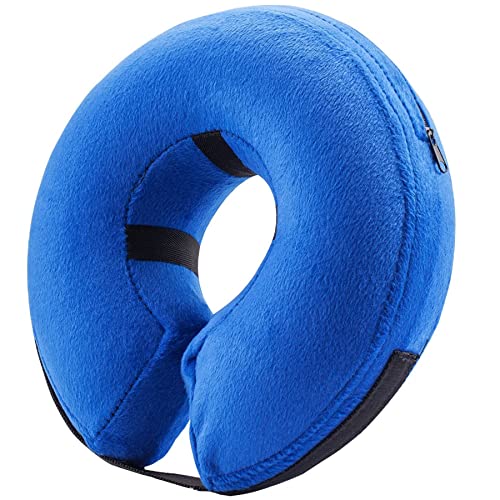
Viovet Inflatable Dog Collar -- Best for Large Breeds and Sleep Comfort
This inflatable collar is wider and more substantial than the Kong version, making it harder for larger dogs with long necks to work around. Large breeds tend to exhaust inflatable collars faster because of neck length, so the wider design compensates. Deflation for washing takes about thirty seconds, and the valve is durable enough for repeated inflation cycles. Best suited for dogs recovering from back, hip, or torso procedures where lower-body access is the primary concern.
BiteNot Collar -- Best for Escape Artists
The BiteNot is a different design entirely -- it is a wide, padded cervical collar that prevents neck flexion rather than creating a cone barrier. Dogs who consistently defeat standard cones by folding them or pulling them off often cannot work around the BiteNot because it restricts the head movement needed to reach wounds. It is bulkier and heavier than cone styles, so it works best for dogs who have already proven they can escape alternatives.
What to look for
What to consider
Start with wound location. Abdominal and back wounds can tolerate inflatable or soft cones because these wounds are not at the extremes of the body. Lower leg or paw wounds need traditional cone length to prevent mouth access. Then consider your dog's reaction to restriction -- anxious dogs do better with soft or transparent materials.
What to consider
Always verify that your dog can reach their food and water bowl with the cone on during the first supervised meal before leaving them alone. Raising the bowl by two to four inches solves most eating problems without changing the cone.
What to consider
For related pet recovery content, see our article on [/articles/best-cone-for-cats] and our [/methodology] for how we evaluate pet care products.
FAQs
Yes, dogs can sleep with a cone on and most adapt within a day or two. Inflatable and soft fabric cones are more comfortable for sleeping since they do not amplify sound or press hard surfaces against the face. If your dog is severely distressed overnight, contact your vet -- some procedures allow the cone off during supervised sleeping.
The cone should extend slightly past the tip of the nose when the dog stretches its neck down toward its wound. You should be able to fit two fingers between the cone and the dog's neck without the collar sliding off. Too loose and the dog can maneuver around it; too tight and it becomes a breathing or swallowing issue.
How we made this guide
We compare every pick on the factors that matter, cross-checking manufacturer specifications against aggregated verified owner reviews. We rank independently and never take payment for placement. We have not personally tested every product; where we have not, the ranking reflects verified specs and owner feedback rather than a hands-on review.
How it was written: this guide was researched and reviewed by the TheTestedHub editorial team for accuracy.
Affiliate disclosure: TheTestedHub is reader-supported. When you buy through links on our site, we may earn a commission at no extra cost to you.
Related guides

7 Best Slow Feeder Bowls of 2026 for Persistent Dogs

Stop Messy Meals: Best Elevated Dog Bowls 2026

Is Your Dog Eating Too Fast? Best Dog Bowls 2026

Top Dog Training Pads for 2026: A Practical Buyer’s Guide

Pet Hair Vacuums: Our Best Picks for 2026

The Best Dog Sweaters to Buy in 2026

Dog Raincoats 2026: Best Fast-On Picks