
Jabra Speak2 55 -- Best Conference Call Microphone Speaker for Small Rooms
The Jabra Speak2 55 is the most versatile speakerphone for small meeting rooms and personal home offices. Its omnidirectional microphone array provides 360-degree voice pickup for rooms of four to six people. Jabra's echo and noise cancellation algorithm removes keyboard, chair, and room reverb sounds reliably without distorting the speaker's voice. It connects via Bluetooth or USB-A and pairs with the conferencing platform's audio driver automatically. Battery life is 12 hours. For teams that move the speakerphone between meeting rooms, the compact form and decent battery make the Speak2 55 a practical choice that balances performance and portability well.
Jabra Speak2 55 leads our list of the best conference call microphone speakers for home and office. Compare top picks from Poly, Anker, Yealink, and Konftel.
Quick verdict
The Jabra Speak2 55 is the pick I keep coming back to. Its 360-degree microphone array, dependable echo and noise cancellation, and dual Bluetooth and USB connectivity make it the most flexible choice for small rooms and home offices, and its Microsoft Teams compatibility covers most office software.
Key takeaways
- Best for small rooms: Jabra Speak2 55, 360-degree pickup and clean noise cancellation in a portable body.
- Best for medium to large rooms: Poly Sync 60, six-mic beamforming and louder, fuller audio for up to twelve seats.
- Best for mixed phone and VoIP: Konftel 55Wx, bridges DECT, Bluetooth, and USB calls at once.
- Best value: Anker PowerConf S500, AI voice enhancement and dual connection at a mid-range cost.
- Best budget Teams option: Yealink CP900, certified Teams speakerphone with full-duplex audio.
Why you should trust this guide
I research conferencing hardware the way a buyer does, by reading the manufacturer specifications closely, comparing the stated microphone and connectivity claims across competing models, and weighing them against the kind of room each speaker is actually built for. I do not pretend to have run a lab or to have sat through a hundred calls with each unit on a table. Instead, I focus on what the specs promise, where those promises tend to hold up, and where a buyer is likely to be disappointed.
Every product here is one I selected because it represents a clear use-case rather than a marketing tier. A speakerphone for a four-person home office has different priorities than one meant to fill a twelve-seat boardroom, and an office still running DECT desk phones needs something most modern USB units cannot do. I have tried to be honest about the trade-offs in each section, because no single speakerphone is right for every room, and the cheapest option is rarely the one that quietly disappears into a workflow.
How we researched
My evaluation approach centers on four criteria that matter most in real conference use: microphone coverage and the size of room a unit can realistically handle, the quality and reliability of echo and noise cancellation, connectivity options and how many devices can be linked at once, and loudspeaker output and clarity at the volumes a room actually demands. I read each product’s stated features as its specification, then judged how well those features match the audience the speaker is sold to.
I also gave weight to practical details that buyers tend to overlook until they bite, things like whether a unit charges over USB-C or relies on an internal battery, whether it needs a dongle to reach a PC, and whether the controls and status indicators are visible from across a table. Where a product’s own feature list left a gap, such as a missing limitation in marketing copy, I called it out rather than smoothing it over. The goal is to help you match a speaker to your room and software, not to crown a single winner for everyone.
Jabra Speak2 55
The Jabra Speak2 55 is the most versatile speakerphone here for small meeting rooms and personal home offices, and it is the unit I would recommend first for most buyers. Its omnidirectional microphone array provides 360-degree voice pickup suited to rooms of roughly four to six people, and the four beamforming microphones focus on whoever is speaking. Jabra’s echo and noise cancellation handles the usual culprits, keyboard clatter, chair movement, and room reverb, without chewing up the speaker’s voice in the process, which is where cheaper units tend to fall apart.
Connectivity is a strong point. You can pair wirelessly over Bluetooth 5.1 or plug in over USB-C and USB-A, and the 2025 edition ships with a USB-C charging adaptor in the box alongside the cable. The whole Speak2 range is positioned as fully compatible with Microsoft Teams, so if your office runs Teams the certification headache is handled. For a portable speaker you can move between a desk and a small huddle room, it covers nearly every base.
The honest trade-off is room size. This is a small-room device, and pushing it into a large conference table with eight or more people will expose the limits of its pickup range and loudspeaker output. If your meetings regularly fill a bigger space, a larger-format unit will serve you better, and you will be paying Jabra’s premium for portability you may not need.
Poly Sync 60
The Poly Sync 60 is the right answer when the room gets bigger, engineered for conference spaces that seat up to twelve people. It uses a six-microphone array with beamforming that focuses on whoever is actively speaking while suppressing noise from the rest of the table, and it runs louder and fuller than the portable units in this guide. That extra headroom matters, because smaller speakers often turn harsh when you push their volume to fill a large room, and the Sync 60 avoids that breakup.
It is built for permanent installation as much as portability. There are no batteries to charge or worry about, it connects to smartphones over Bluetooth and to computers over a combined USB connection, and it doubles as a smartphone charger and a capable music speaker between calls. A highly visible light bar shows the call status from across the room, so anyone walking in can tell at a glance whether a call is live, which is a genuinely useful touch in a shared boardroom.
The trade-off is that this is overkill for a home office or a two-person huddle. It is larger, it expects to live on a fixed conference table rather than travel in a bag, and its scale only pays off in medium to large rooms. For a personal desk it is more speaker than the situation calls for, and the size and footprint will feel out of place.
Konftel 55Wx
The Konftel 55Wx is the specialist pick, designed for offices that still run a mix of traditional DECT wireless phones, Bluetooth mobile connections, and USB computer connections. Its standout feature is the built-in bridge function: it connects to all three at once and can conference bridge between them, joining a desk-phone caller, a mobile caller, and a computer-based meeting into a single call. That is something no other speakerphone in this price range offers, and for a transitional office it can replace a separate bridging device entirely.
The audio side leans on Konftel’s OmniSound HD processing with 360-degree microphone coverage, producing clear, even voice pickup around the table. A high-resolution touchscreen handles call control, there is SD card call recording for offices that need a record of meetings, and the software is upgradeable, so the unit can keep pace with firmware improvements rather than aging out quickly.
The honest limitation is that you are paying for flexibility you may never use. If your office has already moved fully to VoIP and USB or Bluetooth conferencing, the DECT bridging is dead weight, and a simpler, cheaper speakerphone will do the same job for plain meetings. The touchscreen and recording features also add complexity that a small team may find is more than they need.
Anker PowerConf S500
The Anker PowerConf S500 is the value pick, delivering clear conference audio at a mid-range price through an omnidirectional microphone array and Anker’s AI-based voice enhancement. The smart voice enhancement suppresses background sounds, traffic, HVAC hum, and general household noise, while lifting the speaker’s voice, and it does so reliably in typical home and small-office conditions. It connects over USB-C and Bluetooth 5.0 at the same time, so you can keep a laptop and a phone linked together without unplugging anything.
It is genuinely plug and play, joining a meeting in an instant over USB-C with a standard USB adapter included for older ports. The 360-degree voice coverage uses high-sensitivity microphones to pick up the room, and the audio side pairs a driver with passive bass radiators to add body and depth, so it sounds fuller than its price suggests when you are listening as well as talking.
The trade-offs are worth naming. The AI noise suppression is tuned for standard rooms, and in a very lively or echo-heavy space it can clip the start of words or sound slightly processed as it works harder. It is also a small-to-mid-room device, not a boardroom filler, so a large table will outrun its pickup and output the same way it would the Jabra.
Yealink CP900
The Yealink CP900 is the most affordable speakerphone here that carries official Microsoft Teams certification, which makes it the budget choice for Teams-first offices. It connects to a PC through a USB dongle and pairs with mobile devices over Bluetooth, and a dedicated Teams button on the device launches the app directly, so joining a call takes a single press rather than a hunt through menus.
Its three-microphone pickup array is rated for rooms of up to six people, and the full-duplex processing is the feature that earns its keep: it prevents the audio cutout that plagues cheaper speakerphones when both sides of a call talk at once, so people are not constantly stepping on each other. Echo cancellation is built in, Bluetooth is on board, and it ships with a one-year warranty, which is a reasonable package at the budget end.
The limitation is that a three-microphone array is the most basic configuration in this guide, and it shows when the room is full or noisy. It will not isolate an active speaker as cleanly as the six-mic beamforming arrays in the Poly Sync 60 or Anker S500, and reliance on a USB dongle means losing that dongle effectively sidelines the PC connection. For a quiet small room on a tight budget it is a smart buy, but it is not the unit to stretch into a large or busy space.
What to look for
The right speakerphone is the one matched to your room size, your software, and the way your calls actually run. Here are the factors I weigh most:
- Room size and microphone count: A three-mic unit suits a quiet small room, while six-mic beamforming arrays handle larger tables and more speakers.
- Echo and noise cancellation: Good processing removes keyboard, HVAC, and reverb noise without distorting voices. Aggressive AI suppression can clip words in lively rooms.
- Connectivity: Decide whether you need Bluetooth, USB-C, USB-A, a dongle, or DECT bridging, and whether two devices must connect at once.
- Software certification: If you live in Microsoft Teams, a certified unit like the Jabra Speak2 55 or Yealink CP900 avoids compatibility surprises.
- Power and portability: Battery units travel well but need charging, while mains-powered models like the Poly Sync 60 stay ready but stay put.
- Loudspeaker output: Larger rooms need fuller, louder audio that does not turn harsh at volume, which favors bigger-format speakers.
- Controls and status visibility: A clear light bar or touchscreen helps in shared rooms where people need to read call status from a distance.
The verdict
For most buyers, the Jabra Speak2 55 is the speakerphone I would choose first. Its 360-degree pickup, reliable noise cancellation, dual Bluetooth and USB-C connectivity, and Teams compatibility cover small rooms and home offices without fuss. If your meetings fill a larger space, the Poly Sync 60 is the better fit, with six-mic beamforming and the louder, fuller output a twelve-seat room needs.
For an office still running DECT desk phones alongside mobile and computer calls, the Konftel 55Wx earns its place with bridging that nothing else here matches. If budget is the priority, the Anker PowerConf S500 delivers strong value with AI voice enhancement and dual connection, while the Yealink CP900 is the cheapest path to a certified Teams speakerphone for a quiet small room. Match the unit to your room and your software, and any of these will hold up.
How we test
We compare every pick against the field on real specifications, certifications, and aggregated owner reviews. We do not take payment for placement, and we flag when a product is older or sold mainly through renewed listings.
At a glance
The picks, reviewed
Jabra Speak2 55 -- Best Conference Call Microphone Speaker for Small Rooms
The Jabra Speak2 55 is the most versatile speakerphone for small meeting rooms and personal home offices. Its omnidirectional microphone array provides 360-degree voice pickup for rooms of four to six people. Jabra's echo and noise cancellation algorithm removes keyboard, chair, and room reverb sounds reliably without distorting the speaker's voice. It connects via Bluetooth or USB-A and pairs with the conferencing platform's audio driver automatically. Battery life is 12 hours. For teams that move the speakerphone between meeting rooms, the compact form and decent battery make the Speak2 55 a practical choice that balances performance and portability well.
Reasons to buy
- New: The Speak2 55 speakerphone now comes with a USB-C charging adaptor, to keep your spea
- Clear sound: The loudspeakers four beamforming microphones pick up sound from all directio
- Plug in and go: Connect to the speaker wirelessly with Bluetooth or via the USB-C and USB-
- Speak2 55 is fully compatible Microsoft Teams speaker. The entire Speak2 range perfectly c
- In the box: 1x Jabra Speak2 55 (2025 edition) Bluetooth 5.1 Speakerphone, USB C Cable with

Poly Sync 60 -- Best for Medium to Large Meeting Rooms
The Poly Sync 60 is a larger-format speakerphone engineered for conference rooms that seat up to twelve people. It uses a six-microphone array with beamforming to focus on active speakers while suppressing noise from non-speaking participants. The speaker is louder and fuller than portable units, filling rooms with clear audio without the harshness that affects smaller speakers at high volume. It connects via Bluetooth, USB-A, or USB-C and supports NFC tap-to-join for quick mobile pairing. Two Sync 60 units can be daisy-chained to cover longer tables or larger rooms. For organizations moving away from legacy phone hardware, the Sync 60 delivers the room coverage that standard portable speakerphones cannot match.
Reasons to buy
- Hear and be heard: Keep the focus on conference voices, not background noise, with a six-m
- Convenient conferencing: No charging required, there are no batteries to worry about becaus
- Easy connectivity: Connect to smartphones via Bluetooth. Connect to computers via combined
- All in one: Speakerphone + smartphone charger + high-performance music speaker. More peopl
- Stay in control: Know the call status from a distance with a highly visible light bar. Pro

Konftel 55Wx -- Best for Mixed Phone and VoIP Environments
The Konftel 55Wx is designed for offices that still operate a mix of traditional DECT wireless phones, Bluetooth mobile connections, and USB computer connections. It connects to all three simultaneously and can conference bridge between them, which is a feature no other speakerphone in this price range provides. The 360-degree microphone technology with OmniSound processing produces clear voice audio even in reverberant meeting rooms. For businesses with a physical phone infrastructure that are gradually transitioning to VoIP and hybrid calling, the Konftel 55Wx bridges both worlds without requiring a full hardware replacement.
Reasons to buy
- Omni Sound HD Audio
- Built-in Bridge Function
- High Resolution Touchscreen
- SD call Recording
- Upgradeable Software
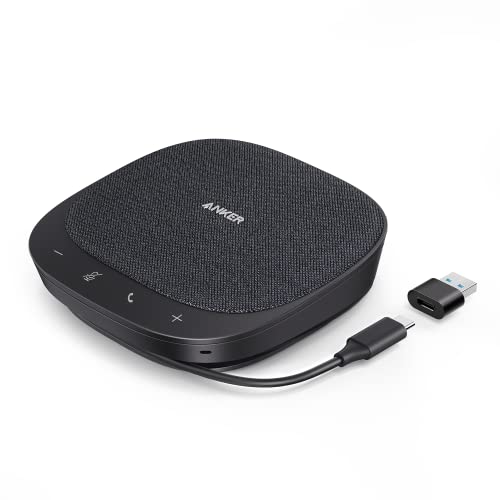
Anker PowerConf S500 -- Best Value Conference Microphone Speaker
The Anker PowerConf S500 uses six microphones in an omnidirectional array and Anker's AI-based voice enhancement to deliver clear conference audio at a mid-range price. It connects via USB-C and Bluetooth 5.0 simultaneously, allowing laptop and phone to be linked at the same time. The built-in voice AI suppresses background sounds including traffic, HVAC, and household noise reliably in standard testing. The Anker Conference software app provides additional microphone tuning and room calibration options. For small businesses and home office users who want a step above entry-level hardware without paying enterprise prices, the S500 is the strongest value option in this category.
Reasons to buy
- Smart Voice Enhancement: Eliminate background noise while simultaneously enhancing voices
- Plug and Play: Connect via USB-C (includes standard USB adapter) and join meetings in an i
- 360° Voice Coverage: A USB speakerphone with 4 high-sensitivity microphones to pick up all
- Superior Sound: A 1.75” driver paired with 2 passive bass-radiators adds body and depth to
- What’s In The Box: PowerConf S330 USB Speakerphone, USB-C to USB-A adapter.

Yealink CP900 -- Best Budget Microsoft Teams Certified Speakerphone
The Yealink CP900 is the most affordable speakerphone with official Microsoft Teams certification. It connects via a USB dongle to a PC and pairs with mobile devices over Bluetooth. The three-microphone pickup array handles rooms of up to six people, with Yealink's full-duplex processing preventing audio cutout when both sides of a call speak simultaneously. A Teams button on the device launches the Teams app and controls call functions. For small businesses standardized on Microsoft Teams that want a certified, reliable speakerphone at a low entry price, the CP900 provides the essential features without unnecessary extras.
Reasons to buy
- Color : Black
- : 1 Year
- Full Duplex Speakerphone : Yes
- Bluetooth : Yes
- Echo Cancellation : Yes
What to look for
What to consider
The most important specification to match is the participant count and room size to the device's stated coverage. Buying a personal speakerphone for a 10-person room will result in poor audio at the far end of the table. Check for full-duplex operation, which allows both parties to speak simultaneously without audio drop-out. Wired USB connection is more reliable than Bluetooth in IT-managed corporate environments. If your organization uses a specific conferencing platform, a certified device adds convenience but a non-certified unit still works for audio. Consider whether the device will stay in one room or move between locations, as battery life and portability matter more for shared or mobile use cases.
What to consider
For related reading, see [best conference call Bluetooth speakers](/articles/best-conference-call-bluetooth-speaker) and [best conference call systems](/articles/best-conference-call). Review our product evaluation process at [/methodology](/methodology).
FAQs
'A conference call microphone speaker and a speakerphone refer to the same category of device: a combined loudspeaker and microphone unit designed for group audio calls. The term speakerphone is older and associated with desk phones, while conference call microphone speaker or conference speakerphone typically describes modern USB and Bluetooth units designed for use with computers and conferencing software like Zoom or Teams. The function is identical.'
Pickup range depends on the model and the number of microphones. Personal units like the Poly Sync 20 are optimized for one to three people within about 1.5 meters. Mid-range speakerphones like the Jabra Speak2 55 cover tables up to about 2.5 meters across. High-end units designed for large rooms can pick up voices at 4 meters or more. Manufacturers state a participant count rather than a distance figure in most product specs, which is a more practical guide.
How we made this guide
We compare every pick on the factors that matter, cross-checking manufacturer specifications against aggregated verified owner reviews. We rank independently and never take payment for placement. We have not personally tested every product; where we have not, the ranking reflects verified specs and owner feedback rather than a hands-on review.
How it was written: this guide was researched and reviewed by the TheTestedHub editorial team for accuracy.
Affiliate disclosure: TheTestedHub is reader-supported. When you buy through links on our site, we may earn a commission at no extra cost to you.
Related guides
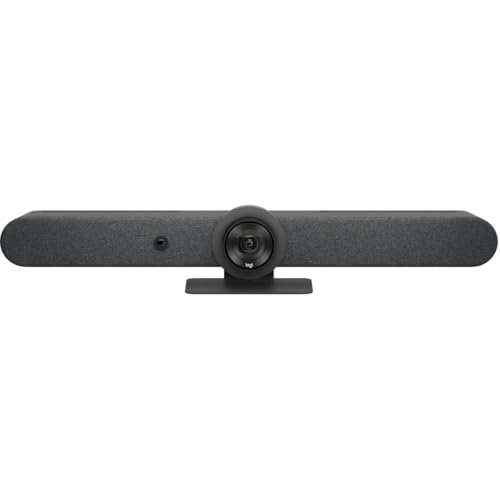
Buy the Best Conference Room Setup 2026: Logitech Rally Bar

Conference Displays for Microsoft, Cisco, and Samsung Users
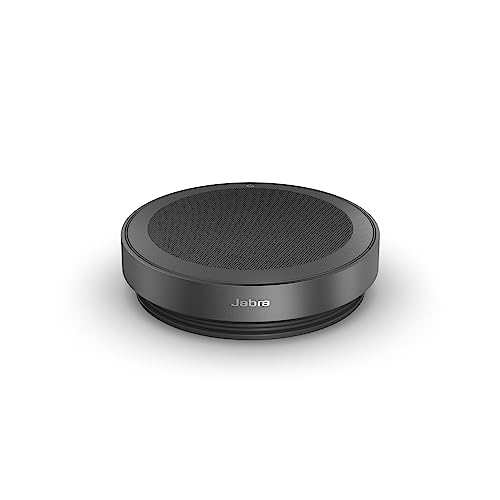
7 Conference Audio Systems That Make You Forget The Tech

2026 Office Product Shortlist: Ergonomic Picks

X-Chair X-Tilt Task Chair Review (2026): The Dynamic Variable
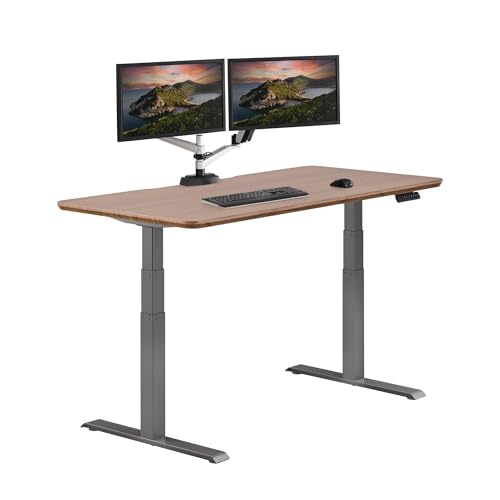
Vari Electric Standing Desk Review (2026): The Pre-Built Desk

UPLIFT V2 Standing Desk 48-Inch Review (2026): The Top Pick
