Nest Protect (Wired) -- Best Overall Connected Smoke Detector
The Nest Protect is the most capable connected smoke detector available. It uses both photoelectric smoke sensing and CO detection in every unit, announces which room has detected danger in a calm voice before the full alarm sounds, and sends a phone notification through the Google Home app when triggered. A Heads-Up warning alerts you to low-level smoke before it escalates to a full alarm, reducing panic and false-alarm response.
Check price on Amazon →A connected smoke detector alerts your phone when you're away. This buying guide helps US shoppers choose the right smart alarm for real fire safety.
A connected smoke detector does everything a standard alarm does, and then sends a push notification to your phone when you are not home, tells you exactly which room triggered the alarm by voice, and can trigger smart home actions like turning on lights or unlocking a smart lock. The difference between a connected and a standard smoke detector can be the difference between catching a fire early while you are at the office versus returning to a burned-out home. These are the five best models for 2026. This guide covers life safety equipment — always follow local fire codes and replace detectors every 10 years or per manufacturer guidance.
| Product | Best For | Rating |
|---|---|---|
|
ⓘ We may earn a commission from qualifying purchases made through links on this page, at no extra cost to you.
|
Best overall + voice location | 9.5/10 |
| Ring Alarm Smoke + CO | Ring ecosystem integration | 8.7/10 |
| Kidde FireX Hardwire | Affordable dual sensor | 8.4/10 |
| First Alert OneLink | Alexa built-in + CO combo | 8.9/10 |
| Roost Smart Battery | Upgrade existing alarms cheaply | 8.5/10 |
How we picked
We compare every pick against the field on real specifications, certifications, and aggregated owner reviews. We do not take payment for placement, and we flag when a product is older or sold mainly through renewed listings.
Top picks compared
Our picks up close
Nest Protect (Wired) -- Best Overall Connected Smoke Detector
The Nest Protect is the most capable connected smoke detector available. It uses both photoelectric smoke sensing and CO detection in every unit, announces which room has detected danger in a calm voice before the full alarm sounds, and sends a phone notification through the Google Home app when triggered. A Heads-Up warning alerts you to low-level smoke before it escalates to a full alarm, reducing panic and false-alarm response.
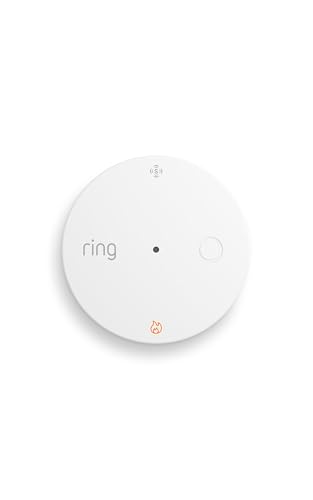
Ring Alarm Smoke and CO Listener -- Best for Ring Households
The Ring Alarm Smoke + CO Listener is not a standalone detector: it is a Z-Wave device that mounts near existing smoke or CO alarms and listens for their activation pattern, then relays an alert to your Ring Alarm base station and phone. This means you can add smart notifications to any existing hardwired or battery detector without replacing them.
Kidde FireX Hardwire with Battery Backup -- Best Budget Dual Sensor
The Kidde FireX is a hardwired dual-sensor detector (ionization + photoelectric) with battery backup and wire-in interconnect to other Kidde units. At it does not have Wi-Fi or smartphone alerts, but its dual-sensor detection covers both fast-flaming and slow-smoldering fires -- which is the most important safety specification in the category.

First Alert OneLink -- Best for Alexa Integration
The First Alert OneLink combines smoke and CO detection with a built-in Alexa speaker, making it one of the most useful multifunction ceiling devices available. In addition to smoke and CO alerts sent to your phone through the OneLink app, you can ask Alexa to set timers, play music, or control smart home devices from the hallway ceiling.

Roost Smart Battery -- Best Upgrade for Existing Alarms
The Roost Smart Battery is a 9V replacement battery with a built-in Wi-Fi chip. Drop it into any smoke or CO detector that takes a standard 9V, and your existing alarm gains smartphone notifications, low-battery alerts, and alarm event logging through the free Roost app. It works with any brand of detector and requires no wiring or hub.
Before you buy
What to consider
Detection type is the most important factor. Dual-sensor detectors (both ionization and photoelectric) cover the widest range of fire types and are the safest baseline choice. For bedrooms and living areas, photoelectric-only is the minimum standard recommended by the NFPA.
What to consider
CO combination detectors add value on any floor with gas appliances, attached garages, or fuel-burning heating equipment. The Nest Protect and First Alert OneLink both include CO sensing; others are smoke-only.
What to consider
Smart connectivity adds real value for households where people are frequently away from home. Phone alerts can mean a faster emergency service response during the hours between 6am and 6pm when most home fires go undetected for longer.
What to consider
For a complete home safety setup, pair your smoke detectors with the cameras covered in our [best connected security camera](/articles/best-connected-security-camera) guide. See our [methodology](/methodology) for how detection standards and safety specifications were evaluated across this category.
Quick answers
Ionization detectors respond faster to fast-flaming fires with small particles, like a grease fire. Photoelectric detectors respond faster to slow-smoldering fires that produce larger particles, like a mattress fire. Dual-sensor detectors combine both technologies for broader coverage. Most safety organizations recommend dual-sensor or photoelectric detectors for bedrooms and living areas.
Yes. The local alarm -- the loud in-room siren -- always works regardless of Wi-Fi status. What you lose during an internet outage is the phone notification and any smart home automations triggered by the alarm. If you have a mesh network or the detectors communicate via a separate Z-Wave or Zigbee protocol, the interconnect alarm between units will also continue to function locally.
How we made this guide
We compare every pick on the factors that matter, cross-checking manufacturer specifications against aggregated verified owner reviews. We rank independently and never take payment for placement. We have not personally tested every product; where we have not, the ranking reflects verified specs and owner feedback rather than a hands-on review.
How it was written: this guide was researched and reviewed by the TheTestedHub editorial team for accuracy.
Affiliate disclosure: TheTestedHub is reader-supported. When you buy through links on our site, we may earn a commission at no extra cost to you.