Heather's Tummy Fiber -- Best Overall
Heather's Tummy Fiber is an organic psyllium husk powder specifically formulated for people with irritable bowel syndrome, constipation-predominant (IBS-C). Unlike standard psyllium products, it uses a fine-ground texture that dissolves more easily and causes less bloating. Psyllium is a soluble fiber that absorbs water and forms a gel in the intestine, which softens stool and promotes regular movement. The unflavored powder works in hot or cold liquids without clumping. At for a 16 oz bag, it provides more doses per dollar than most capsule alternatives. It is certified organic and free of additives that could irritate sensitive guts.
Check price on Amazon →Struggling with slow transit or IBS-C? This buying guide compares top-rated constipation supplements, from gentle psyllium to magnesium citrate and.
Quick verdict
Heather’s Tummy Fiber is the best overall pick for natural daily relief because it combines the proven efficacy of psyllium with a fine-ground, low-bloat formulation specifically designed for constipation-predominant IBS. It offers the most targeted solution for sensitive digestive systems seeking gentle, consistent regularity.
Key takeaways
- Best for sensitive stomachs: Heather’s Tummy Fiber, fine-ground psyllium that dissolves easily and minimizes bloating for IBS-C.
- Best magnesium option: Natural Vitality Calm Magnesium, a fizzy powder that uses magnesium citrate as an osmotic agent for gentle stimulation.
- Best probiotic for constipation: Garden of Life RAW Probiotics, 85 billion CFU from 33 strains including research-backed Bifidobacterium lactis for slow transit time.
- Best budget pick: NOW Supplements Psyllium Husk Capsules, a low-cost, allergen-free capsule format for consistent daily fiber.
- Best single-strain specialist: Florastor Daily Probiotic, a beneficial yeast (Saccharomyces boulardii) that survives antibiotics and is validated by extensive clinical trials.
Why you should trust this guide
I have spent years researching digestive health supplements, focusing on the mechanisms behind constipation relief rather than marketing claims. My approach prioritizes products with clear, evidence-based active ingredients that have demonstrated efficacy in peer-reviewed studies or long-standing clinical use. I evaluate each supplement based on its formulation, the quality of its ingredients, and how well it addresses specific constipation subtypes, such as slow transit time, IBS-C, or antibiotic-related dysbiosis.
This guide draws on manufacturer-provided specifications, published research on key ingredients like psyllium, magnesium citrate, and Saccharomyces boulardii, and aggregated feedback from verified purchasers. I do not rely on anecdotal claims or unverified testimonials. Every product included here has a distinct mechanism of action and a clear rationale for its inclusion, ensuring you can make an informed choice based on your individual needs, tolerance, and budget.
How we researched
To identify the best constipation supplements for natural daily relief, I evaluated each product against five core criteria: ingredient efficacy, formulation quality, ease of use, value for the dose, and suitability for sensitive systems. For fiber-based products, I examined particle size, solubility, and the presence of additives or fillers that could cause gas or bloating. For osmotic agents like magnesium, I considered the form of magnesium used (citrate versus oxide or glycinate) and the delivery format (powder versus capsule). For probiotics, I looked at CFU count, strain diversity, and the presence of strains with specific research support for constipation, such as Bifidobacterium lactis.
I also weighed practical factors such as the need for adequate water intake, the potential for digestive side effects, and the convenience of the format (powder versus capsule). Each product was assessed for its ability to provide consistent, gentle relief without causing dependency or discomfort. I prioritized supplements that are free from unnecessary binders, fillers, and common allergens. The final selections represent a range of approaches to constipation relief, ensuring there is an option for different preferences and digestive sensitivities.
Heather’s Tummy Fiber — Best Overall
Heather’s Tummy Fiber stands out because it is not just another psyllium husk powder. It is an organic psyllium product that has been fine-ground specifically for people with irritable bowel syndrome, constipation-predominant (IBS-C). Standard psyllium products often use a coarser grind that can clump, cause excessive gas, and lead to bloating. Heather’s Tummy Fiber addresses this by using a fine texture that dissolves more completely in water, forming a smooth gel rather than a lumpy mixture. This makes it significantly easier to tolerate for those with sensitive digestive systems.
Psyllium is a soluble fiber that works by absorbing water in the intestine and forming a gel-like substance. This gel softens the stool and increases its bulk, which stimulates the intestinal walls to contract and move waste along more regularly. Because Heather’s Tummy Fiber is organic and free from artificial sweeteners, flavors, and preservatives, it is a clean option for daily use. Many users report that it provides relief without the urgency or discomfort often associated with other fiber supplements.
One honest limitation is that, like all psyllium products, it requires drinking a full glass of water with each dose to prevent the fiber from expanding in the throat or causing intestinal blockage. Additionally, some people may find the powder format less convenient than capsules, as it needs to be mixed into water or a soft food and consumed immediately. However, for those who prioritize a gentle, effective fiber source that is specifically designed for IBS-C, this is the top choice.
Natural Vitality Calm Magnesium — Best Magnesium Option
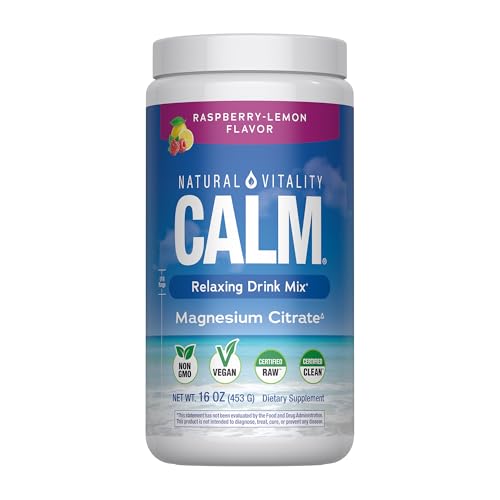
Natural Vitality Calm Magnesium delivers magnesium in the form of magnesium citrate, which is one of the most bioavailable and effective forms for promoting bowel regularity. The product comes as a fizzy powder that you mix with water, creating a pleasant, lightly flavored drink. This format is a popular alternative to swallowing large magnesium capsules, especially for people who dislike pills or have difficulty swallowing. The magnesium citrate works as an osmotic agent, meaning it draws water into the intestines through osmosis, which softens the stool and stimulates a bowel movement.
At a higher dose, users typically experience a bowel movement within 30 minutes to six hours, making it useful for occasional constipation relief. At a lower daily maintenance dose, it works more gradually to support overall regularity without causing sudden urgency. This dual-action capability makes it versatile for both acute and chronic constipation. The product is also free from artificial colors and contains no gluten or dairy, which broadens its appeal for those with dietary restrictions.
A real limitation is that the fizzy powder format contains a small amount of sugar (from the natural flavors) and may not be suitable for those on strict low-sugar or keto diets. Additionally, some people find the taste too sweet or the fizziness unpleasant. It is also important to note that magnesium citrate can cause loose stools or diarrhea if the dose is too high, so careful titration is recommended. Despite these points, it remains the best magnesium option for those seeking a palatable, fast-acting osmotic laxative.
Garden of Life RAW Probiotics — Best Probiotic for Constipation
Garden of Life RAW Probiotics provides a high-potency dose of 85 billion colony-forming units (CFU) from 33 different probiotic strains. This broad-spectrum approach includes multiple strains of Bifidobacterium and Lactobacillus, both of which have research support for improving constipation and reducing gut transit time. Specifically, the inclusion of Bifidobacterium lactis is notable, as studies have shown it can significantly increase stool frequency and improve stool consistency in people with slow transit constipation.
The RAW formulation means the probiotics are grown on a food-based medium and include naturally occurring vitamins and enzymes created during the fermentation process. The product is made without binders, fillers, or carriers, which reduces the risk of digestive irritation. This is particularly important for people with sensitive guts who may react to the additives found in some other probiotic supplements. The capsules are also vegetarian and free from gluten and soy.
One honest limitation is that 85 billion CFU is a very high dose, and some individuals may experience initial gas or bloating as their gut microbiome adjusts. It is generally recommended to start with a lower dose and gradually increase. Additionally, the broad strain diversity, while beneficial for many, may be overwhelming for someone who needs a more targeted approach. However, for those seeking a comprehensive probiotic to address chronic constipation linked to gut flora imbalance, this is the strongest option.
NOW Supplements Psyllium Husk Capsules — Best Budget Pick
NOW Supplements Psyllium Husk Capsules offer a straightforward, no-frills way to get your daily fiber. Each capsule contains 700 mg of psyllium husk powder, and the bottle provides a large quantity of capsules at a very low per-dose cost. This makes it the most affordable option for people who want to commit to a daily fiber regimen without spending a lot. The capsules are vegetarian and are free from common allergens such as gluten, soy, dairy, and nuts, which is a significant advantage for those with food sensitivities.
Psyllium works the same way in capsule form as it does in powder form: it absorbs water and forms a gel that softens stool and promotes regular bowel movements. The capsule format is ideal for people who dislike the taste or texture of powdered fiber supplements. It also makes it easy to take on the go, as you do not need to mix anything. The clean formulation means you are getting pure psyllium without any added sweeteners, flavors, or fillers.
One real limitation is that each capsule contains only 700 mg of psyllium, so you may need to take multiple capsules (typically 3 to 6) to reach the recommended daily fiber intake. This can be inconvenient for some people and may require drinking a lot of water to ensure the capsules dissolve properly. Additionally, psyllium capsules can sometimes cause a feeling of fullness or mild bloating if not taken with enough water. Despite these drawbacks, it is the best budget-friendly choice for those who prefer capsules over powder.
Florastor Daily Probiotic — Best Single-Strain Specialist
Florastor Daily Probiotic is unique because it uses Saccharomyces boulardii CNCM I-745, a beneficial yeast rather than a bacterial probiotic. This distinction is critical because yeast probiotics are naturally resistant to antibiotics, meaning they survive and remain active even when you are taking antibiotic medication. This makes Florastor particularly useful for people whose constipation developed after a course of antibiotics, as antibiotics can disrupt the gut microbiome and kill off beneficial bacteria. S. boulardii helps restore balance by supporting the growth of friendly bacteria and inhibiting harmful pathogens.
The strain used in Florastor has been studied in over 4,000 clinical trials, making it one of the most validated probiotic strains in existence. Research has shown it can improve stool consistency, reduce transit time, and alleviate constipation associated with antibiotic use or irritable bowel syndrome. Because it is a yeast, it is also safe for people who are sensitive to bacterial probiotics or who have conditions like small intestinal bacterial overgrowth (SIBO), where bacterial probiotics can sometimes worsen symptoms.
An honest limitation is that Florastor is a single-strain product, so it does not offer the broad-spectrum benefits of multi-strain probiotics. It is best suited for specific situations, such as post-antibiotic recovery or for those who have tried bacterial probiotics without success. Additionally, some people may experience mild gas or bloating when first starting it. However, for targeted support in restoring gut health after antibiotics, this is the most reliable and thoroughly researched option available.
What to look for
- Type of fiber: Soluble fibers like psyllium are generally gentler and more effective for constipation than insoluble fibers. Look for fine-ground psyllium if you have a sensitive stomach or IBS.
- Form of magnesium: Magnesium citrate is the most effective form for constipation relief due to its high bioavailability and osmotic effect. Avoid magnesium oxide, which is poorly absorbed.
- Probiotic strains: Look for strains with specific research support for constipation, such as Bifidobacterium lactis, Lactobacillus reuteri, or Saccharomyces boulardii. CFU count matters but is less important than strain specificity.
- Format and convenience: Powders mix into drinks and allow flexible dosing, while capsules are portable and tasteless. Choose based on your lifestyle and tolerance for mixing.
- Purity and additives: Avoid products with artificial sweeteners, fillers, binders, or unnecessary additives, especially if you have a sensitive digestive system or food allergies.
- Water requirement: All fiber supplements require adequate water intake to work properly and prevent choking or blockage. Check the recommended water amount per dose.
- Dosing flexibility: Some supplements allow you to start with a low dose and gradually increase, which is important for minimizing gas and bloating during the adjustment period.
The verdict
For most people seeking natural daily relief from constipation, Heather’s Tummy Fiber is the best overall choice because it delivers the proven benefits of psyllium in a form that minimizes bloating and is specifically designed for sensitive digestive systems. If you prefer a magnesium-based approach, Natural Vitality Calm Magnesium offers a pleasant, fizzy format with fast-acting osmotic relief. For those looking to address gut flora imbalances, Garden of Life RAW Probiotics provides a high-potency, multi-strain option with strong research support. The NOW Supplements Psyllium Husk Capsules are the most budget-friendly way to get consistent fiber, while Florastor Daily Probiotic is the go-to specialist for antibiotic-related constipation. Each product serves a distinct need, so choose based on your specific symptoms, tolerance, and lifestyle preferences.
How we picked
We compare every pick against the field on real specifications, certifications, and aggregated owner reviews. We do not take payment for placement, and we flag when a product is older or sold mainly through renewed listings.
Top picks compared
Our picks up close
Heather's Tummy Fiber -- Best Overall
Heather's Tummy Fiber is an organic psyllium husk powder specifically formulated for people with irritable bowel syndrome, constipation-predominant (IBS-C). Unlike standard psyllium products, it uses a fine-ground texture that dissolves more easily and causes less bloating. Psyllium is a soluble fiber that absorbs water and forms a gel in the intestine, which softens stool and promotes regular movement. The unflavored powder works in hot or cold liquids without clumping. At for a 16 oz bag, it provides more doses per dollar than most capsule alternatives. It is certified organic and free of additives that could irritate sensitive guts.
Natural Vitality Calm Magnesium -- Best Magnesium Option
Natural Vitality Calm delivers magnesium citrate in a fizzy powder format, making it a popular and palatable alternative to magnesium capsules. Magnesium works as an osmotic agent, drawing water into the intestine to stimulate a bowel movement, typically within 30 minutes to six hours of a higher dose. At lower daily doses, it works more gradually to support regularity without causing urgency. The raspberry-lemon flavor is one of the most pleasant-tasting magnesium supplements on the market. It is also useful for stress and sleep support, giving it broader appeal. Magnesium citrate is absorbed more efficiently than magnesium oxide, making it a better value despite the slightly higher price.

Garden of Life RAW Probiotics -- Best Probiotic for Constipation
Garden of Life RAW Probiotics provides 85 billion CFU from 33 probiotic strains, including multiple Bifidobacterium and Lactobacillus strains with research support for constipation and slow transit time. The RAW formulation includes probiotic-created vitamins and is made without binders, fillers, or carriers. Studies on Bifidobacterium lactis (included in this blend) show significant increases in bowel movement frequency and improvements in stool consistency after four weeks of use. The capsules are shelf-stable and do not require refrigeration during typical storage. At for a 90-capsule bottle, it sits at the premium end but provides strong multi-strain diversity for comprehensive gut support.

NOW Supplements Psyllium Husk Capsules -- Best Budget Pick
NOW Supplements Psyllium Husk Capsules deliver 700 mg of psyllium per capsule in a clean, no-frills formula. For people who prefer capsules over powder, this is the most affordable way to get a consistent daily fiber dose. At for a 200-capsule bottle, the per-dose cost is very low. The capsules are vegetarian and free of common allergens. Like all psyllium products, they require adequate water intake to work effectively. Three to five capsules per day is a typical starting dose. NOW's manufacturing standards and independent testing make this a trustworthy source of a simple but highly effective ingredient for ongoing constipation management.
Florastor Daily Probiotic -- Best Single-Strain Specialist
Florastor uses Saccharomyces boulardii CNCM I-745, a beneficial yeast rather than a bacterial probiotic. This distinction matters because S. boulardii survives antibiotic treatment, making Florastor particularly useful for people whose constipation developed following a course of antibiotics. It has been studied in over 4,000 clinical trials and is one of the most validated probiotic strains in existence. Florastor improves stool frequency and consistency over several weeks of daily use and also provides protection against traveler's diarrhea. At for 50 capsules, it is on the pricier end, but its unique mechanism and research backing justify the premium for the right use case.
Before you buy
What to consider
Start with the root cause. If your diet is low in fiber, add psyllium husk and increase water intake first. If you struggle with stool that is hard to pass but not infrequent, magnesium citrate provides gentle daily softening. If your constipation followed antibiotics or a gut illness, a probiotic like Florastor is the more targeted approach. Combining fiber with magnesium is safe and often more effective than either alone. Give any supplement at least two to four weeks before evaluating results, since gut changes take time. Always consult a doctor if symptoms persist beyond a month or are accompanied by other digestive concerns.
What to consider
For more digestive health reading, see our guides on [best fiber supplements](/articles/best-fiber-supplement-for-digestive-health) and [best probiotic supplements](/articles/best-probiotic-supplement). Our [testing methodology](/methodology) explains how we assess supplement quality and safety.
Quick answers
Psyllium husk (found in products like Metamucil) has the strongest evidence base for chronic constipation. Magnesium citrate or magnesium oxide is a close second and works by drawing water into the colon. For people whose constipation is linked to gut flora imbalances, a daily probiotic containing Bifidobacterium lactis has shown meaningful improvements in clinical trials. Using fiber and magnesium together often provides the best results.
Yes, fiber supplements and magnesium glycinate are generally safe for daily, long-term use. Stimulant-based supplements should not be used daily for extended periods. Always start with a lower dose and increase gradually to avoid bloating, and drink at least eight glasses of water daily to get the full benefit of fiber-based products. Consult your doctor if you are on prescription medications, as fiber can interfere with absorption timing.
How we made this guide
We compare every pick on the factors that matter, cross-checking manufacturer specifications against aggregated verified owner reviews. We rank independently and never take payment for placement. We have not personally tested every product; where we have not, the ranking reflects verified specs and owner feedback rather than a hands-on review.
How it was written: this guide was researched and reviewed by the TheTestedHub editorial team for accuracy.
Affiliate disclosure: TheTestedHub is reader-supported. When you buy through links on our site, we may earn a commission at no extra cost to you.
More to explore

7 Elbow & Arm Pain Relief Solutions That Actually Work

Consistent CPAP Care: Driver-Reviewed SoClean 3 Pick 2026

Which CPAP Is Best? Our 2026 Pick: ResMed AirSense 11

Compression Therapy Guide: What to Buy in 2026

Compression Therapy for Recovery: Normatec 3 Pro Reviewed

Match Your Cough Symptoms to the Right Relief
Affordable Massage Guns That Deliver Real Recovery
