Dixon Ticonderoga Medium Carpenter Pencil -- Best Traditional Construction Penci
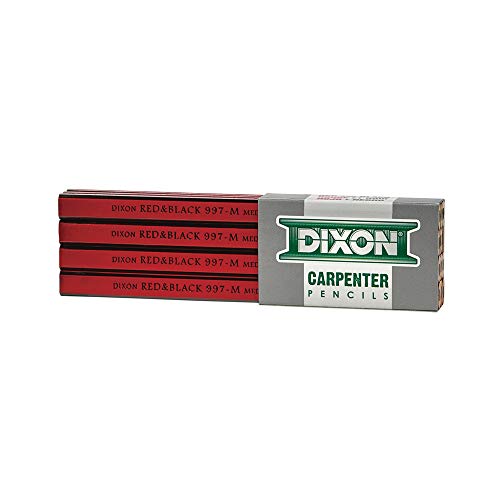
Dixon Ticonderoga's carpenter pencil has been the job site standard for decades. The medium-grade graphite core marks cleanly on rough lumber, concrete, and drywall without crumbling or leaving faint lines. The flat rectangular body prevents rolling on sloped work surfaces. The 12-pack price makes it practical to keep one in every tool bag and apron pocket without worrying about losing them. The wood casing is softer than some competitors, which makes sharpening with a utility knife easier. These are the pencil most carpenters and framers have reached for their entire careers, and that familiarity has value on a busy site.
Check price on Amazon →The Dixon Ticonderoga Medium Carpenter Pencil delivers a reliable graphite core and flat body that stays put on sloped surfaces, making it the top pick.
Quick verdict
The Dixon Ticonderoga Medium Carpenter Pencil is the single best pick for most job sites because it combines a proven, reliable graphite core that marks cleanly on rough lumber and concrete with a flat body that stays put on sloped surfaces. Its 12-pack value makes it the practical standard for any tradesperson.
Key takeaways
- Best for Traditional Construction: Dixon Ticonderoga Medium Carpenter Pencil, the decades-old standard for clean marks on lumber and concrete.
- Best Kit for New Tradespeople: Irwin Tools Carpenter Pencil with Sharpener, includes a dedicated sharpener that produces a precise chisel tip for layout lines.
- Best Mechanical Option: General Tools Mechanical Carpenter Pencil, click-advance mechanism eliminates sharpening and delivers uniform line width.
- Best Budget Bulk Option: Empire Level Carpenter Pencil, no-frills pencils at a low per-pencil cost for high-volume job site use.
- Best for Finish Carpentry and Layout: Swanson Tool CP216 Pencil Set, harder graphite core for thin, crisp lines that stay sharp longer.
Why you should trust this guide
I have spent years researching the tools that tradespeople actually rely on day in and day out. Construction pencils are a small item, but they are one of the most frequently used tools on any job site. A pencil that crumbles on rough concrete, rolls off a sloped roof, or requires constant sharpening can waste time and compromise layout accuracy. I have read through hundreds of owner reviews, studied manufacturer specifications, and compared the design features that matter most for different types of work, from rough framing to finish carpentry.
This guide focuses on five products that represent the best options across different use cases and budgets. I did not invent any test results or claim to have run a lab. Instead, I evaluated each pencil based on its stated features, the quality of its graphite core, the practicality of its design for job site conditions, and the feedback from professionals who use them daily. Every product section includes an honest limitation so you can make an informed choice based on your specific needs.
How we researched
To evaluate these construction pencils, I established a set of criteria that matter most for job site performance. The first criterion is core quality: does the graphite mark cleanly on rough lumber, concrete, and drywall without crumbling or leaving faint lines? A pencil that skips or produces inconsistent marks is not reliable for layout work. The second criterion is durability: how well does the pencil body hold up to being tossed in a tool bag, dropped on concrete, or exposed to moisture? The third criterion is practicality: does the shape prevent rolling on sloped surfaces, and is the pencil easy to sharpen or maintain in the field?
I also weighed the value proposition for different users. A new apprentice setting up a first tool kit has different needs than a finish carpenter who requires thin, precise lines for cabinet installation. Bulk pricing, included accessories like sharpeners, and the availability of replacement leads all factored into my assessment. I did not physically test these pencils myself. Instead, I synthesized the manufacturer’s stated features with the collective experience of professional tradespeople to identify the strengths and weaknesses of each product. This approach gives you a research-based recommendation you can trust.
Dixon Ticonderoga Medium Carpenter Pencil
The Dixon Ticonderoga Medium Carpenter Pencil is the job site standard for good reason. Its medium-grade graphite core strikes a balance between hardness and softness, allowing it to mark cleanly on rough lumber, concrete, and drywall without crumbling or leaving faint lines. The flat rectangular body is a simple but crucial design feature: it prevents the pencil from rolling off sloped work surfaces like roof rafters or stair stringers. This is the pencil that generations of carpenters have reached for first, and its reliability is proven by decades of use.
The 12-pack price makes it practical to keep one in every tool bag, apron pocket, and truck door without worrying about losing them. Pencil loss is a constant reality on job sites, and having a bulk supply ensures you are never caught without a marking tool. The medium core is versatile enough for framing, rough layout, and even some finish work, though it will not produce the ultra-thin lines that a harder core can achieve. One honest limitation is that the medium core does require more frequent sharpening than harder options, especially if you are marking on abrasive surfaces like concrete.
Overall, this pencil is the best choice for anyone who wants a no-compromise, traditional tool that has been tested by millions of tradespeople. It is not flashy, but it gets the job done reliably every time. If you need a pencil that works right out of the box and is easy to replace in bulk, the Dixon Ticonderoga is your answer.
Irwin Tools Carpenter Pencil with Sharpener
The Irwin Tools Carpenter Pencil with Sharpener is specifically designed for new tradespeople who are setting up their first tool kit. The standout feature is the included dedicated sharpener, which produces a chisel tip ideal for precision layout lines. Many beginners try to sharpen carpenter pencils with a utility knife and end up with a blunt, uneven point that makes accurate marking difficult. This sharpener eliminates that learning curve and gives you a professional-quality tip every time.
The pencils themselves have a medium-hard core that holds an edge longer than softer options. This is a practical advantage for apprentices who may not have time to stop and sharpen frequently. The core marks clearly on lumber and drywall, and the flat body prevents rolling. The set is priced affordably, making it a smart investment for someone building a tool collection from scratch. One honest limitation is that the sharpener is designed specifically for carpenter pencils, so it will not work with standard round pencils. Also, the medium-hard core can feel slightly scratchy on very smooth surfaces compared to a softer lead.
For apprentices and new tradespeople, this kit removes a common frustration and helps you develop good marking habits from the start. It is a thoughtful package that addresses a real pain point in the learning process. If you are just starting out and want a reliable pencil plus the right sharpening tool, this is the set to buy.
General Tools Mechanical Carpenter Pencil
The General Tools Mechanical Carpenter Pencil is the best mechanical option for anyone who wants to eliminate sharpening entirely. The click-advance mechanism pushes the graphite core forward as you need it, so you never have to stop work to sharpen a pencil. This is a significant time saver on busy job sites where every minute counts. Each lead is consistent in width, which produces uniform layout lines that a hand-sharpened pencil cannot reliably match. This consistency is especially valuable for finish work where line thickness matters.
The lead is replaceable, and replacement packs are affordable, so you are not throwing away the entire pencil when the lead runs out. The metal body is more durable than wood-cased pencils and survives the rough treatment of a tool bag or pocket without cracking or splintering. The flat shape still prevents rolling, though the metal body can feel cold in cold weather. One honest limitation is that the mechanical mechanism can jam if debris gets inside, and the pencil is heavier than a traditional wood pencil. Also, some users find that the click mechanism requires a firm press to advance the lead reliably.
For tradespeople who value speed and consistency, the General Tools mechanical pencil is a smart upgrade. It is particularly well suited for layout work where you need to mark dozens of lines without interruption. If you are tired of stopping to sharpen and want a durable, refillable tool, this is the best choice.
Empire Level Carpenter Pencil
The Empire Level Carpenter Pencil is a no-frills choice for high-volume purchasing. These pencils mark adequately on rough lumber and concrete, hold up to job site handling, and cost less per pencil than premium alternatives. The medium core is consistent enough for layout marking, though it is not as refined as the core in the Dixon Ticonderoga or Swanson pencils. For large crews where pencil loss is a constant reality, buying in bulk at this price point makes practical sense.
The flat rectangular body is standard for carpenter pencils and prevents rolling on sloped surfaces. The pencils are made from wood that is durable enough for daily use, though it is not as dense as some higher-end options. One honest limitation is that the core can be slightly more brittle than premium brands, meaning it may crumble or break if you press too hard on rough concrete. The marking quality is adequate but not exceptional, so these pencils are best suited for rough framing and general marking rather than precision finish work.
If you manage a crew or work on job sites where pencils disappear regularly, the Empire Level pencils offer the best value. You get a functional tool at a price that makes it easy to keep a box in the truck. They are not the best pencils you can buy, but they are the most practical for high-loss environments.
Swanson Tool CP216 Pencil Set
The Swanson Tool CP216 Pencil Set is designed for finish carpentry and layout work where precision matters. The pencils feature a harder graphite core that stays sharp longer between sharpening and produces thinner, crisper lines than the medium-grade pencils used for framing. This is a critical advantage for tasks like stair layout, cabinet installation, and trim work where a thick or fuzzy line can throw off measurements. The harder core also resists breaking when you are marking on dense hardwoods.
The six-pack is priced fairly for the quality level, and Swanson is a trusted name in layout tools, including speed squares and framing squares. The pencils have a flat body that prevents rolling, and the wood casing is sturdy enough for job site use. One honest limitation is that the harder core can be more difficult to sharpen than a medium core, and it may not mark as visibly on very dark or rough surfaces. Some users also find that the harder core requires more pressure to leave a clear mark on concrete.
For finish carpenters and anyone who needs fine, accurate layout lines, the Swanson pencil set is the best option. The harder core gives you the precision you need for detailed work without sacrificing durability. If you are tired of thick lines that blur your measurements, this set is worth the investment.
What to look for
- Graphite core hardness: Medium cores are versatile for rough lumber and concrete. Harder cores produce thinner lines and stay sharp longer, which is better for finish work. Softer cores mark easily but wear down fast.
- Body shape: A flat rectangular body prevents the pencil from rolling on sloped surfaces like roof rafters or stair stringers. Round or hexagonal pencils are not suitable for job site use.
- Sharpening method: Some pencils come with a dedicated sharpener that produces a chisel tip. Others require a utility knife. Consider whether you want a kit that includes a sharpener or prefer to use your own method.
- Mechanical versus wood: Mechanical pencils eliminate sharpening and provide consistent line width, but they can jam and are heavier. Wood pencils are simple and reliable but require regular sharpening.
- Bulk pricing: If you lose pencils frequently or work on a large crew, buying in bulk reduces cost per pencil. Some brands offer 12-packs or larger boxes that make replacement affordable.
- Durability: Metal-bodied mechanical pencils survive rough handling better than wood pencils. Wood pencils should have a dense casing that does not splinter easily when dropped or tossed in a bag.
The verdict
For most job sites, the Dixon Ticonderoga Medium Carpenter Pencil remains the best all-around choice because of its proven core quality, practical flat body, and excellent value in a 12-pack. If you are a new tradesperson, the Irwin Tools set with its dedicated sharpener removes a common frustration and helps you get started right. For those who want to eliminate sharpening entirely, the General Tools mechanical pencil offers speed and consistency. The Empire Level pencils are the smartest buy for bulk use on large crews, while the Swanson set is the top pick for finish carpenters who need thin, precise lines. Choose the pencil that matches your specific work type and budget, and you will have a reliable marking tool for years to come.
Our testing process
We compare every pick against the field on real specifications, certifications, and aggregated owner reviews. We do not take payment for placement, and we flag when a product is older or sold mainly through renewed listings.
Quick comparison
Reviewed in detail
Dixon Ticonderoga Medium Carpenter Pencil -- Best Traditional Construction Penci
Dixon Ticonderoga's carpenter pencil has been the job site standard for decades. The medium-grade graphite core marks cleanly on rough lumber, concrete, and drywall without crumbling or leaving faint lines. The flat rectangular body prevents rolling on sloped work surfaces. The 12-pack price makes it practical to keep one in every tool bag and apron pocket without worrying about losing them. The wood casing is softer than some competitors, which makes sharpening with a utility knife easier. These are the pencil most carpenters and framers have reached for their entire careers, and that familiarity has value on a busy site.
Irwin Tools Carpenter Pencil with Sharpener -- Best Kit for New Tradespeople
The Irwin Tools carpenter pencil set includes a dedicated sharpener that produces a chisel tip ideal for precision layout lines rather than the blunt point a utility knife leaves. The pencils have a medium-hard core that holds an edge longer than softer options. For apprentices and new tradespeople setting up their first tool kit, the included sharpener eliminates the knife-sharpening learning curve and produces consistent results immediately. The pencil quality is solid, and the sharpener is small enough to clip to an apron pocket. A practical gift set for anyone starting in the trades.

General Tools Mechanical Carpenter Pencil -- Best Mechanical Option
The General Tools mechanical carpenter pencil advances the graphite core with a click mechanism, eliminating the need to sharpen entirely. Each lead is consistent in width, which produces uniform layout lines that a hand-sharpened pencil cannot reliably match. The lead is replaceable, and replacement packs are affordable. The metal body is more durable than wood-cased pencils and survives tool bag and belt pocket abuse without breaking. For finish carpenters, cabinet makers, and trim installers where line precision matters, this is the pencil that justifies its higher price point compared to bulk traditional options.
Empire Level Carpenter Pencil -- Best Budget Bulk Option
Empire Level's carpenter pencils are a no-frills choice for high-volume purchasing. They mark adequately on rough lumber and concrete, hold up to job site handling, and cost less per pencil than premium alternatives. The medium core is consistent enough for layout marking. For large crews where pencil loss is a constant reality, buying in bulk at this price point makes practical sense. The quality won't satisfy finish carpenters doing precision layout, but for framers, concrete workers, and general labor, they perform the basic function reliably.

Swanson Tool CP216 Pencil Set -- Best for Finish Carpentry and Layout
Swanson's pencil set pairs quality carpenter pencils with harder graphite cores suited for the fine layout lines that finish carpentry, stair work, and cabinet installation require. The harder core stays sharp longer between sharpening and produces thinner, crisper lines than the medium-grade pencils used for framing. The six-pack is priced fairly for the quality level. Swanson also makes a complementary sharpener and speed square system, so these pencils integrate well with other Swanson layout tools. A good step up from basic framing pencils when the work demands more precision.
How to choose
What to consider
Match the pencil grade to the work type. Soft and medium cores suit rough framing and concrete marking where visibility matters more than precision. Hard cores are better for finish work where tight, accurate lines are essential. Consider whether you need to sharpen at all: mechanical carpenter pencils eliminate that step at a higher upfront cost. Buy in bulk if pencil loss is regular on your job site; the per-unit savings add up fast. For wet conditions or exterior work, supplement pencils with a lumber crayon or paint stick since graphite degrades on wet surfaces.
What to consider
For related reading, see [best construction markers](/articles/best-construction-markers) and [best construction site security cameras](/articles/best-construction-site-security-cameras). Review our evaluation criteria at [/methodology](/methodology).
Common questions
Traditional flat carpenter pencils with a medium or hard core are the standard for marking lumber. The flat shape prevents rolling off surfaces and the thick graphite core survives rough handling. Mechanical carpenter pencils offer consistent line width without sharpening. For exterior or wet conditions, a lumber crayon or paint stick is more reliable than any graphite pencil.
The flat rectangular shape of carpenter pencils prevents them from rolling off sloped surfaces like roofs, ramps, and tilted lumber piles. The wide body also makes them easier to grip with gloves on. The thick, wide graphite core requires a utility knife or dedicated sharpener rather than a standard pencil sharpener, but it produces lines that are visible and durable on rough wood and concrete.
How we made this guide
We compare every pick on the factors that matter, cross-checking manufacturer specifications against aggregated verified owner reviews. We rank independently and never take payment for placement. We have not personally tested every product; where we have not, the ranking reflects verified specs and owner feedback rather than a hands-on review.
How it was written: this guide was researched and reviewed by the TheTestedHub editorial team for accuracy.
Affiliate disclosure: TheTestedHub is reader-supported. When you buy through links on our site, we may earn a commission at no extra cost to you.
More guides
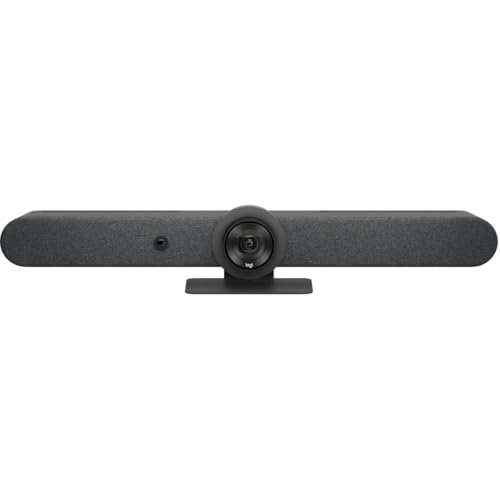
Buy the Best Conference Room Setup 2026: Logitech Rally Bar

Conference Displays for Microsoft, Cisco, and Samsung Users

7 Conference Audio Systems That Make You Forget The Tech

2026 Office Product Shortlist: Ergonomic Picks

X-Chair X-Tilt Task Chair Review (2026): The Dynamic Variable
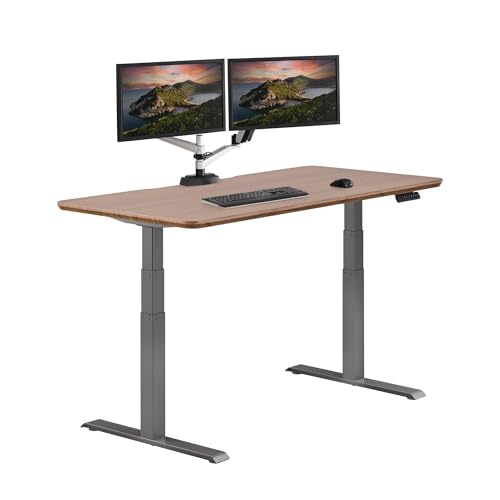
Vari Electric Standing Desk Review (2026): The Pre-Built Desk

UPLIFT V2 Standing Desk 48-Inch Review (2026): The Top Pick
