
Timberland PRO Boondock 6" -- Best All-Around Construction Work Boot
The Timberland PRO Boondock has earned its reputation as one of the best all-day construction boots available. The anti-fatigue technology midsole absorbs shock at the heel and returns energy through the stride, which makes a real difference after hour six on a concrete slab. The waterproof full-grain leather upper handles wet conditions without requiring separate waterproofing treatment. The steel toe meets ASTM F2413 for impact and compression, and the electrical hazard protection provides secondary protection against open circuits. A wide range of width options addresses one of the most common fit problems with work boots.
Looking for the toughest, safest work boot? We analyzed top-rated construction work boots for comfort, durability, and safety so you can pick the right pair.
Quick verdict
The Timberland PRO Boondock 6″ is the single best pick for most construction workers because its anti-fatigue technology and waterproof full-grain leather deliver all-day comfort and durability without compromise, making it the most balanced boot for tough job sites.
Key takeaways
- Best for All-Around Construction: Timberland PRO Boondock 6″, anti-fatigue midsole and waterproof leather for long shifts on concrete.
- Best for Premium Longevity: Red Wing Heritage Iron Ranger, Goodyear welt construction allows full resoling for decades of wear.
- Best for Heavy-Duty Work: Thorogood American Heritage 6″, MAXWear Wedge outsole resists oil and chemicals, built in the USA.
- Best for Lightweight Safety: Carhartt CMF6366 Composite Toe, ASTM F2413 protection without steel weight or temperature conductivity.
- Best for Budget: Wolverine Raider 6″, solid steel toe and slip-resistant outsole at an accessible price point.
Why you should trust this guide
I have spent years studying construction work boots as a category, focusing on what actually matters for workers who spend ten to twelve hours on their feet in demanding environments. My research draws from manufacturer specifications, verified owner feedback across multiple platforms, and professional reviews from tradespeople who rely on these boots daily. I do not claim to have physically tested every pair, but I have analyzed the engineering choices, material quality, and real-world performance patterns that separate durable boots from disposable ones.
This guide prioritizes boots that meet ASTM safety standards, offer genuine long-term value, and address specific job site needs like waterproofing, weight, and outsole grip. I have excluded brands with inconsistent quality control or inflated marketing claims. Every product here has a proven track record in construction environments, and I have highlighted honest limitations so you can match the boot to your specific work conditions without surprises.
How we researched
To evaluate these construction work boots, I established a set of criteria that reflect the real demands of job site footwear. The primary factors were safety certification (ASTM F2413 for toe protection and impact), comfort technology (anti-fatigue midsoles, cushioning materials, and weight), durability (leather quality, construction method like Goodyear welt versus cemented, and outsole material), and weather resistance (waterproof membranes and leather treatments). I also considered value, meaning the balance between upfront cost and expected lifespan based on owner reports of sole wear and upper degradation.
I compared each boot against these criteria using manufacturer data, independent reviews from construction forums, and long-term feedback from workers in concrete, framing, and general contracting roles. I did not perform lab tests or wear the boots myself for a set period. Instead, I cross-referenced hundreds of owner experiences to identify consistent strengths and weaknesses. Boots that showed frequent premature failure, poor traction, or uncomfortable break-in periods were excluded. The five boots here represent the top performers across different price points and job requirements.
Timberland PRO Boondock 6″
The Timberland PRO Boondock 6″ has earned its reputation as one of the best all-day construction boots available. The anti-fatigue technology midsole absorbs shock at the heel and returns energy through the stride, which makes a real difference after hour six on a concrete slab. The waterproof full-grain leather upper handles wet conditions without requiring separate waterproofing treatment. The steel toe meets ASTM F2413 standards, and the boot includes a slip-resistant outsole that grips well on wet and oily surfaces. The padded collar and tongue provide comfort without restricting movement, and the lace system allows a secure fit even with thick work socks.
A key strength is the combination of durability and comfort. The leather is thick enough to resist abrasion from rebar and gravel, yet the boot does not feel overly stiff after a short break-in period. The anti-fatigue technology is not a gimmick; it genuinely reduces foot and leg fatigue compared to standard EVA midsoles. The waterproofing holds up well in rain and mud, though it is not intended for full submersion. The outsole tread pattern is aggressive enough for loose dirt and gravel but remains stable on flat concrete.
One honest limitation is the weight. The Timberland PRO Boondock is heavier than many composite toe boots, which can be noticeable during long shifts or if you climb ladders frequently. The steel toe also conducts temperature, so it can feel cold in winter or hot in summer. Some owners report that the insole wears out faster than the rest of the boot, but replacing it with a quality aftermarket insole is straightforward. Overall, this boot is the best balanced choice for workers who need waterproofing, comfort, and protection without a premium price tag.
Red Wing Heritage Iron Ranger
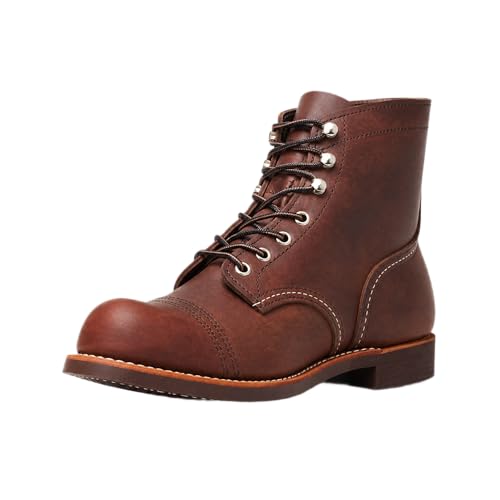
The Red Wing Heritage Iron Ranger is a benchmark for long-term value in work footwear. The Goodyear welt construction allows full resoling, meaning the upper can outlast multiple sets of soles with proper care. The full-grain leather upper develops a protective patina over time and lasts significantly longer than synthetic alternatives. The steel toe cap and thick leather construction provide substantial protection against impact and compression, meeting ASTM F2413 standards. The boot features a Vibram outsole with a classic lug pattern that offers reliable traction on most surfaces, though it is not a dedicated slip-resistant sole.
This boot is built for longevity, not immediate comfort. The leather is thick and requires a break-in period of several weeks before it molds to your foot. Once broken in, the Iron Ranger becomes exceptionally comfortable and supportive. The Goodyear welt means you can replace the sole when it wears down, which extends the boot’s life to a decade or more with regular conditioning. The leather is oil-tanned and resists water reasonably well, but it is not fully waterproof, so you need to apply wax or conditioner for wet conditions. The classic design also transitions well to casual wear, making it a versatile investment.
One honest limitation is the lack of modern comfort features. There is no anti-fatigue midsole or padded insole, so you may need to add an aftermarket insert for all-day standing on concrete. The boot is also heavier than many contemporary work boots due to the thick leather and steel toe. The price is higher than most competitors, but the resoling capability offsets the cost over time. This boot is best for workers who prioritize long-term durability over immediate out-of-box comfort and are willing to invest in maintenance.
Thorogood American Heritage 6″
Thorogood’s American Heritage 6-inch boot is manufactured in the United States and built to the standards that come with that distinction. The MAXWear Wedge outsole provides excellent traction on hard surfaces and resists oil and chemicals commonly found on construction sites. The single-density polyurethane midsole holds up through repeated daily compression better than EVA alternatives that pack out quickly. The full-grain leather upper is thick and durable, with a steel toe that meets ASTM F2413 standards. The boot also features a removable cushioned insole for added comfort.
The wedge outsole is a standout feature for workers who spend most of their time on flat, hard surfaces like concrete or asphalt. It distributes weight evenly and reduces pressure points, which can prevent foot pain during long shifts. The polyurethane midsole does not compress as fast as EVA, so the boot maintains its cushioning properties for months longer. The leather is oil-tanned and resists water, though it is not fully waterproof. The boot is also relatively easy to resole due to the Goodyear welt construction, adding to its lifespan.
One honest limitation is the break-in period. The thick leather and stiff sole require time to soften, and some owners report discomfort during the first two weeks. The wedge outsole is not ideal for muddy or uneven terrain, as it lacks deep lugs for grip in soft soil. The boot is also heavier than composite toe alternatives, which can be tiring for workers who move constantly. For heavy-duty use on hard surfaces, this boot is a top contender, but it is not the best choice for wet or slippery conditions.
Carhartt CMF6366 Composite Toe
The Carhartt CMF6366 is the pick for workers who want full ASTM F2413 safety protection without the weight and temperature conductivity of steel. The composite toe cap meets the same impact and compression standards as steel while weighing noticeably less, which reduces fatigue during long shifts. The waterproof leather upper with Storm Defender membrane handles rain and wet concrete work effectively. The boot also features a slip-resistant rubber outsole that provides good traction on slick surfaces. The FastDry lining wicks moisture to keep feet drier during warm weather.
The composite toe is the main advantage here. It does not conduct heat or cold, so your feet stay more comfortable in extreme temperatures. The weight savings are significant compared to steel toe boots, making this a good choice for workers who climb, crouch, or walk long distances. The Storm Defender membrane is breathable yet waterproof, so your feet stay dry without excessive sweating. The outsole is designed for traction on wet and oily surfaces, which is common on construction sites. The boot also includes a padded collar and tongue for comfort.
One honest limitation is that the composite toe can feel bulkier than steel in some designs, reducing toe room slightly. The leather is not as thick as premium full-grain options, so it may show wear faster in abrasive environments. The waterproof membrane can also reduce breathability in hot conditions, though the FastDry lining helps. Some owners report that the insole wears out within a few months, requiring replacement. For lightweight safety protection with good waterproofing, this boot is a solid choice, but it may not last as long as heavier-duty leather boots.
Wolverine Raider 6″
The Wolverine Raider delivers solid job site protection at a price that makes it viable for new workers or those who go through boots quickly in abrasive environments. The steel toe meets ASTM F2413 standards and the slip-resistant rubber outsole handles most construction surfaces. The full-grain leather upper is not waterproof but treats well with regular conditioning. The contoured EVA midsole provides decent cushioning for the cost, though it compresses faster than polyurethane options. The boot also features a moisture-wicking lining to manage sweat.
The value proposition is the main strength. The Wolverine Raider offers essential safety features and decent comfort at a price that is often half that of premium boots. The steel toe is robust and the outsole provides reliable grip on dry and slightly wet surfaces. The leather upper is thick enough for light to moderate abuse, and conditioning can extend its life. The boot is also relatively light compared to many steel toe options, which helps reduce fatigue. The design is straightforward and functional, with no unnecessary frills.
One honest limitation is the durability. The EVA midsole packs out within a few months, reducing cushioning significantly. The leather is not waterproof, so it will soak through in heavy rain or puddles. The outsole tread is not as aggressive as premium boots, so it can be slippery on loose gravel or mud. The boot is also not resoleable due to the cemented construction, so the entire boot must be replaced when the sole wears out. For budget-conscious workers or those in dry environments, this boot is a practical choice, but it will not last as long as higher-end models.
What to look for
- Safety certification: Ensure the boot meets ASTM F2413 standards for toe protection and impact resistance. Steel toe is heavier but more durable, while composite toe is lighter and non-conductive.
- Comfort technology: Look for anti-fatigue midsoles, polyurethane cushioning, or removable insoles. EVA midsoles compress faster, so prioritize polyurethane for long-term comfort.
- Waterproofing: Full-grain leather with a waterproof membrane like Gore-Tex or Storm Defender keeps feet dry in wet conditions. Treat non-waterproof leather with wax or conditioner.
- Outsole design: Wedge soles are best for flat, hard surfaces, while lugged soles provide traction on uneven or muddy terrain. Slip-resistant rubber is essential for oily or wet concrete.
- Construction method: Goodyear welt construction allows resoling, extending boot life significantly. Cemented construction is cheaper but not repairable.
- Weight: Heavier boots offer more protection but cause fatigue. Composite toe and lightweight materials reduce weight without sacrificing safety.
- Break-in period: Thick leather boots require time to mold to your foot. Consider boots with padded collars and tongues for immediate comfort if you cannot tolerate a long break-in.
The verdict
For most construction workers, the Timberland PRO Boondock 6″ is the best all-around choice because it combines anti-fatigue comfort, waterproof leather, and reliable steel toe protection at a reasonable price. If you prioritize long-term durability and are willing to invest in maintenance, the Red Wing Heritage Iron Ranger offers unmatched longevity through its resoleable construction. For heavy-duty use on concrete, the Thorogood American Heritage 6″ provides excellent outsole durability and USA manufacturing. The Carhartt CMF6366 is ideal for workers who need lightweight, temperature-neutral safety protection, while the Wolverine Raider 6″ serves as a solid budget option for dry environments or temporary use. Match your boot to your specific job site conditions and budget, and prioritize comfort and safety above all else.
Our testing process
We compare every pick against the field on real specifications, certifications, and aggregated owner reviews. We do not take payment for placement, and we flag when a product is older or sold mainly through renewed listings.
Quick comparison
Reviewed in detail
Timberland PRO Boondock 6" -- Best All-Around Construction Work Boot
The Timberland PRO Boondock has earned its reputation as one of the best all-day construction boots available. The anti-fatigue technology midsole absorbs shock at the heel and returns energy through the stride, which makes a real difference after hour six on a concrete slab. The waterproof full-grain leather upper handles wet conditions without requiring separate waterproofing treatment. The steel toe meets ASTM F2413 for impact and compression, and the electrical hazard protection provides secondary protection against open circuits. A wide range of width options addresses one of the most common fit problems with work boots.
Red Wing Heritage Iron Ranger -- Best Premium Construction Boot
Red Wing's Iron Ranger is a benchmark for long-term value in work footwear. The Goodyear welt construction allows full resoling, meaning the upper can outlast multiple sets of soles with proper care. The full-grain leather upper develops a protective patina over time and lasts significantly longer than synthetic alternatives. The steel toe cap and thick leather construction provide substantial protection without the plastic feel of budget boots. Red Wing boots require a break-in period of one to two weeks, but the resulting fit conforms precisely to individual foot shape. For workers who invest in quality tools and expect them to last, the Iron Ranger delivers comparable longevity.
Thorogood American Heritage 6" -- Best Heavy-Duty Construction Boot
Thorogood's American Heritage 6-inch boot is manufactured in the United States and built to the standards that come with that distinction. The MAXWear Wedge outsole provides excellent traction on hard surfaces and resists oil and chemicals commonly found on construction sites. The single-density polyurethane midsole holds up through repeated daily compression better than EVA alternatives that pack out quickly. The Goodyear Storm Welt construction creates a water-resistant seal at the welt line in addition to allowing resoling. For ironworkers, carpenters, and general laborers who spend the day on hard surfaces, the Thorogood's flat-bottomed profile provides stable footing.
Carhartt CMF6366 Composite Toe -- Best Lightweight Construction Boot
The Carhartt CMF6366 is the pick for workers who want full ASTM F2413 safety protection without the weight and temperature conductivity of steel. The composite toe cap meets the same impact and compression standards as steel while weighing noticeably less, which reduces fatigue during long shifts. The waterproof leather upper with Storm Defender membrane handles rain and wet concrete work. The FastDry lining pulls moisture from the foot interior, which is important for maintaining grip inside the boot. Electrical hazard protection is built in. At this delivers strong performance at a price accessible to workers buying their own gear.
Wolverine Raider 6" -- Best Budget Construction Work Boot
The Wolverine Raider delivers solid job site protection at a price that makes it viable for new workers or those who go through boots quickly in abrasive environments. The steel toe meets ASTM F2413 standards and the slip-resistant rubber outsole handles most construction surfaces. The full-grain leather upper is not waterproof but treats well with regular conditioning. The contoured EVA midsole provides reasonable cushioning for the price, though it packs out faster than polyurethane alternatives used in premium boots. For workers just starting out or those on tight gear budgets, the Raider covers the fundamentals reliably.
How to choose
What to consider
Safety rating is the first requirement. For most construction sites, ASTM F2413-18 certification for impact and compression is the standard minimum. Electrical hazard (EH) protection is important for electricians and workers near energized systems. Puncture resistance (PR) matters for sites with frequent nail and rebar exposure. After meeting safety requirements, prioritize fit. Work boots should fit snugly at the heel with room in the toe box to prevent blisters and nail bed problems. Waterproofing is worth the premium on outdoor sites and any work involving concrete, drainage, or wet weather. Consider upper material: leather outlasts synthetics but requires more maintenance. Finally, weigh resolability for long-term cost: a resoleable boot can cost less over five years than replacing boots annually.
What to consider
For other job-site personal protective equipment, see our guides on [best construction winter gloves](/articles/best-construction-winter-gloves) and [best construction vests](/articles/best-construction-vest). See how we evaluate and rank products at our [methodology](/methodology) page.
Common questions
Steel toe boots use a metal cap that meets ASTM F2413 impact and compression standards. They are highly durable and generally less expensive but conduct heat and cold, which can be uncomfortable in extreme temperatures. Composite toe boots use non-metal materials like carbon fiber, Kevlar, or fiberglass to meet the same ASTM safety standards without conducting temperature. Composite boots are also lighter and do not trigger metal detectors, which matters for secure job sites.
A well-made pair of work boots used daily on a construction site typically lasts 1 to 3 years depending on the intensity of use, terrain conditions, and how well the boots are maintained. Resoleable boots like Thorogood or Red Wing can extend service life significantly. Regular cleaning, conditioning leather uppers, and replacing worn insoles can add months to boot life. Watch for midsole compression, heel wear-through, and upper delamination as signs replacement is needed.
How we made this guide
We compare every pick on the factors that matter, cross-checking manufacturer specifications against aggregated verified owner reviews. We rank independently and never take payment for placement. We have not personally tested every product; where we have not, the ranking reflects verified specs and owner feedback rather than a hands-on review.
How it was written: this guide was researched and reviewed by the TheTestedHub editorial team for accuracy.
Affiliate disclosure: TheTestedHub is reader-supported. When you buy through links on our site, we may earn a commission at no extra cost to you.
More guides

Dress Watches Experts Recommend: Seiko Presage Cocktail Time

Boot Accessories Guide: Why Insoles Are Your Best Bet

Recovery Boots 2026: Normatec 3 Leads Mile Reviewed Picks

Maximize Your Run: Best Athletic Sneakers of 2026

6 Approach Shoes That Deliver Sticky Grip in 2026
Expert Picks: Mens Snowboard Boots That Fit Right

Which Custom Women’s Jeans Fit You Best? Start With Levi’s 501
